Front yard landscaping for Brisbane, from the letterbox to the front door.
Your front garden is ten seconds of arrival you'll experience thousands of times, so we design it as a sequence, not a leftover strip of lawn.
Front yards do more work than backyards ever will. They're seen by every neighbour and passer-by, they set the tone before a key is in the door, and they carry the unglamorous jobs (letterbox, bins, path, parking) on the most public land you own. Yet on most Brisbane blocks the front is an afterthought: a strip of lawn, a struggling hedge, a concrete path laid wherever the builder left it.
When we take on front yard landscaping in Brisbane, we design the arrival: what you see from the street, what changes as you pass the gate, and how the garden hands you to the front door. Get that sequence right and the house looks better than a repaint could make it.
Queenslander front garden ideas
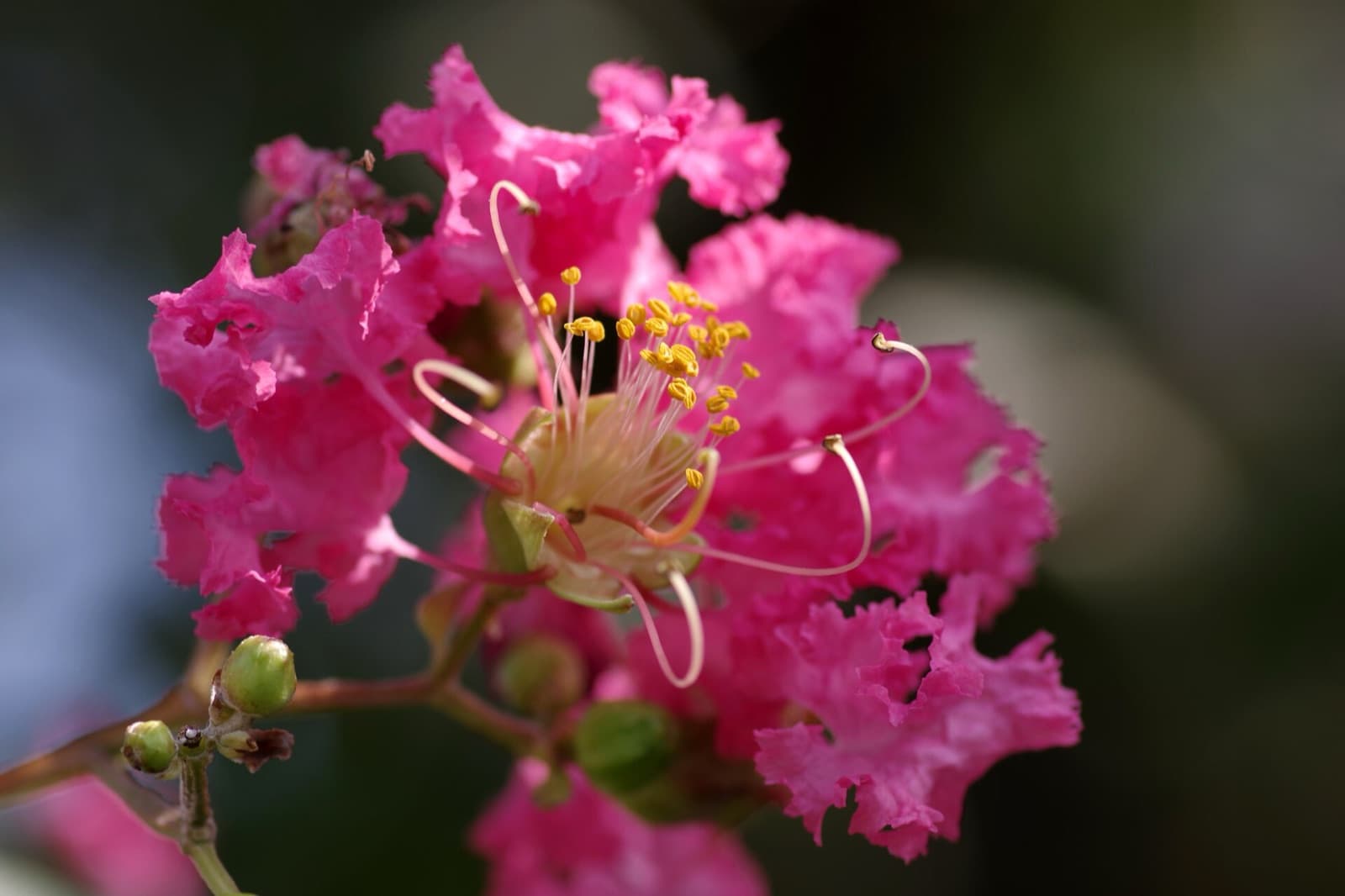
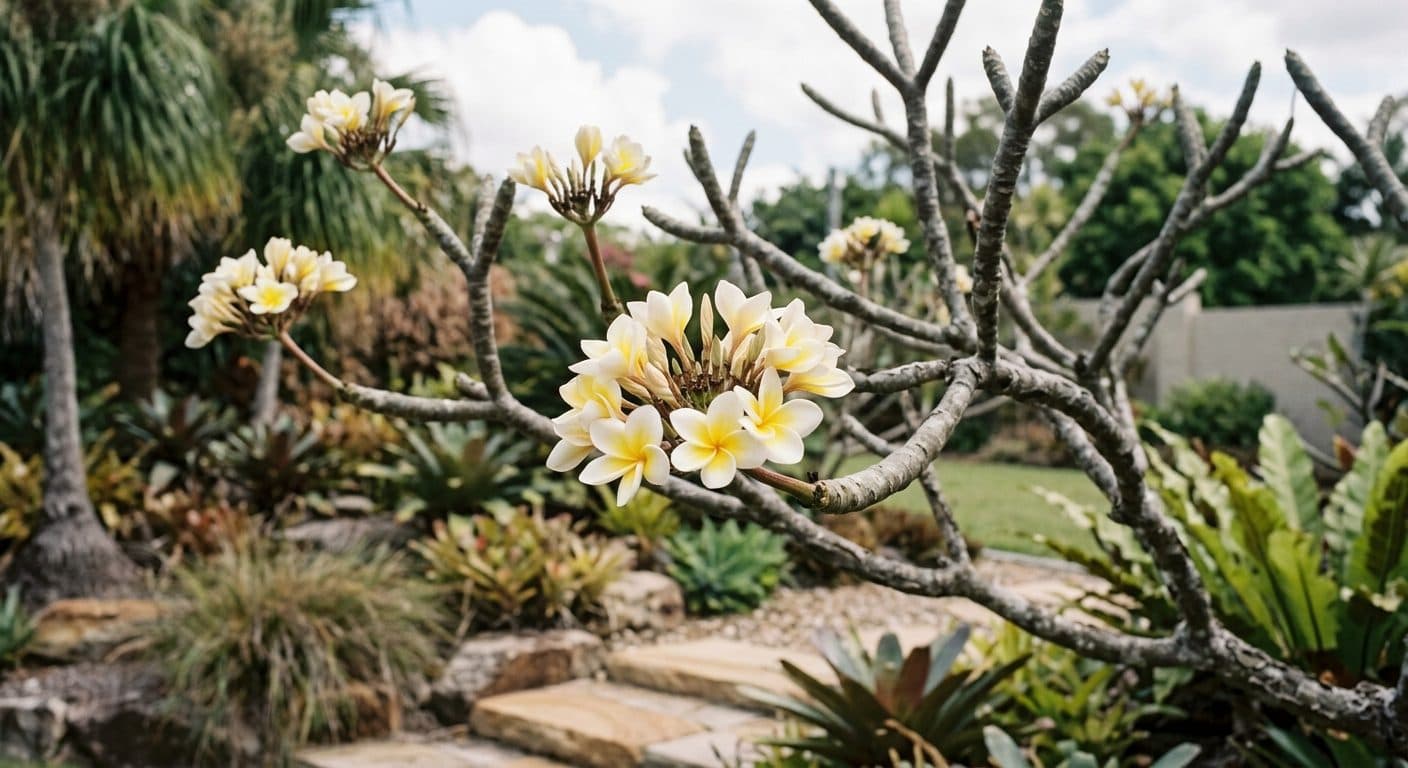
A Queenslander's front garden has a century of street character to work with, and to respect. The classic moves still work: a low timber picket with a hedge rising behind it, a frangipani or crepe myrtle for scale against the verandah, and planting that steps up to meet a high-set house so it doesn't seem to float on its stumps.
The trap is hiding the place. Deep verandahs, fretwork and battened gables are the reason you bought the house; planting should frame them and hold the eye on the facade, never curtain it off. We compose front gardens from the footpath first, checking each decision against the view the street actually gets. It's the thinking that shapes much of our work in Paddington, where whole streets hold their character together.
Post-war blocks and new builds
Post-war homes (the brick and weatherboard belts of Brisbane's middle suburbs) usually come with a generous, dead-flat front lawn and a skinny concrete driveway strip. That openness is the opportunity: deep garden beds give a modest facade real presence, and one well-placed shade tree does more for a hot west-facing frontage than any awning could.
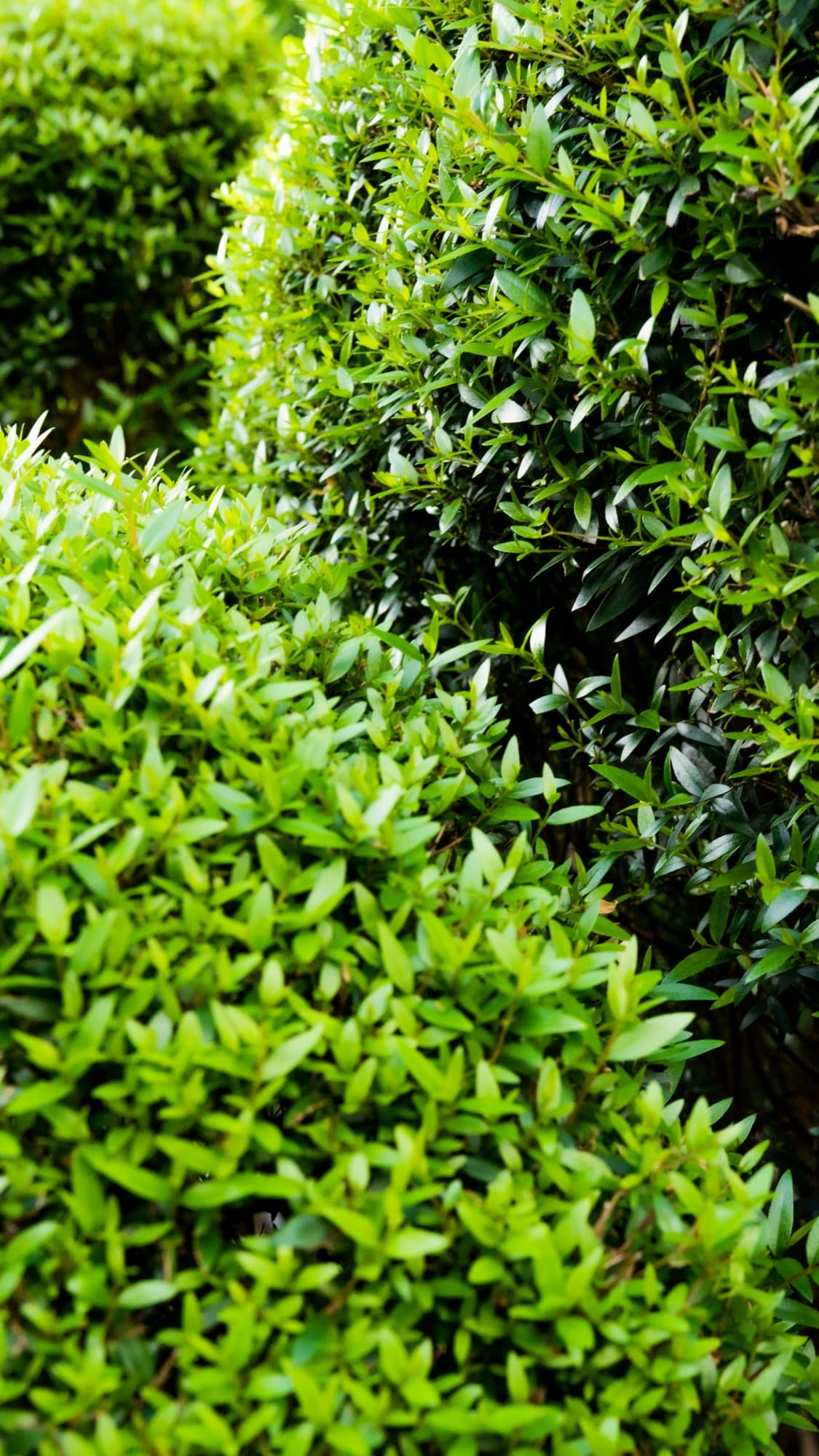
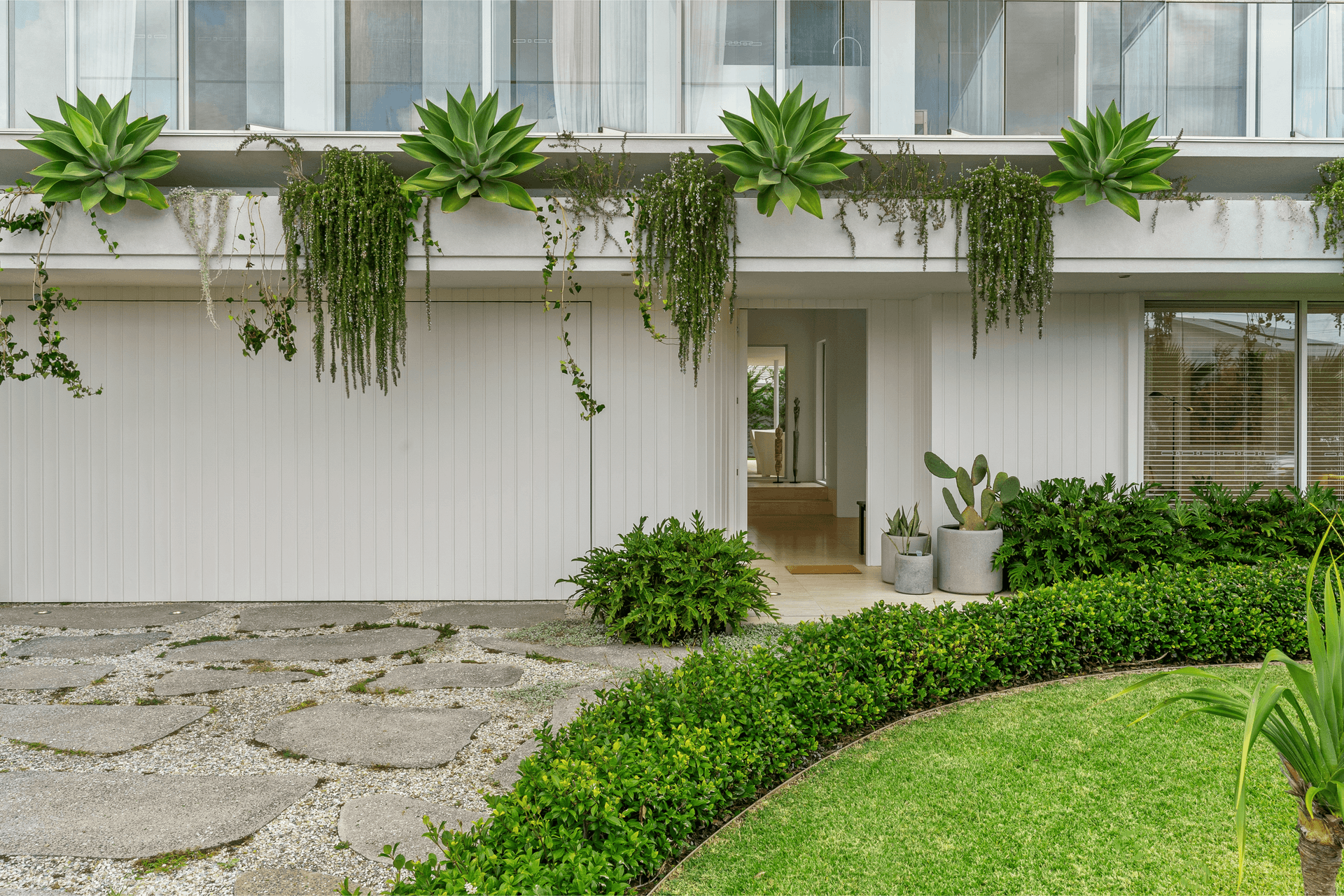
New builds have the opposite problem: the garage is often the biggest thing addressing the street. Here the planting's job is redirection: greening the render, softening the driveway's dominance, and making the entry path the obvious protagonist. It's a close cousin of the restraint we practise in modern garden design.
The letterbox-to-door journey
Arrival is choreography: a path wide enough for two, a change of material marking the shift from public footpath to private garden, lighting for storm-dark February evenings, and a threshold moment (a small tree, a turn) that slows you down just enough to notice you're home.
The service jobs get designed in rather than bolted on: a letterbox that matches the architecture, bin storage invisible from the street but painless on collection morning, and a tap where you'll actually stand with a hose.
Privacy, fences and the fine print
Privacy at the front is a balancing act: you want enclosure without turning your home's public face into a wall. Layered planting usually beats a tall fence: softer, kinder to the streetscape, and better at stopping eyes while letting breezes through.
Where a new fence is part of the plan, heights and styles can be sensitive on character streets, and some changes may need approval, so check the current Brisbane City Council rules, or start with our plain-English guide to council approval for landscaping.
Common questions
Ready to fix the first thing everyone sees?
We're currently taking on new landscape design clients across Brisbane. Reach out for a personalised quote, whether you're a homeowner or a design professional.
Book a Free Discovery Call