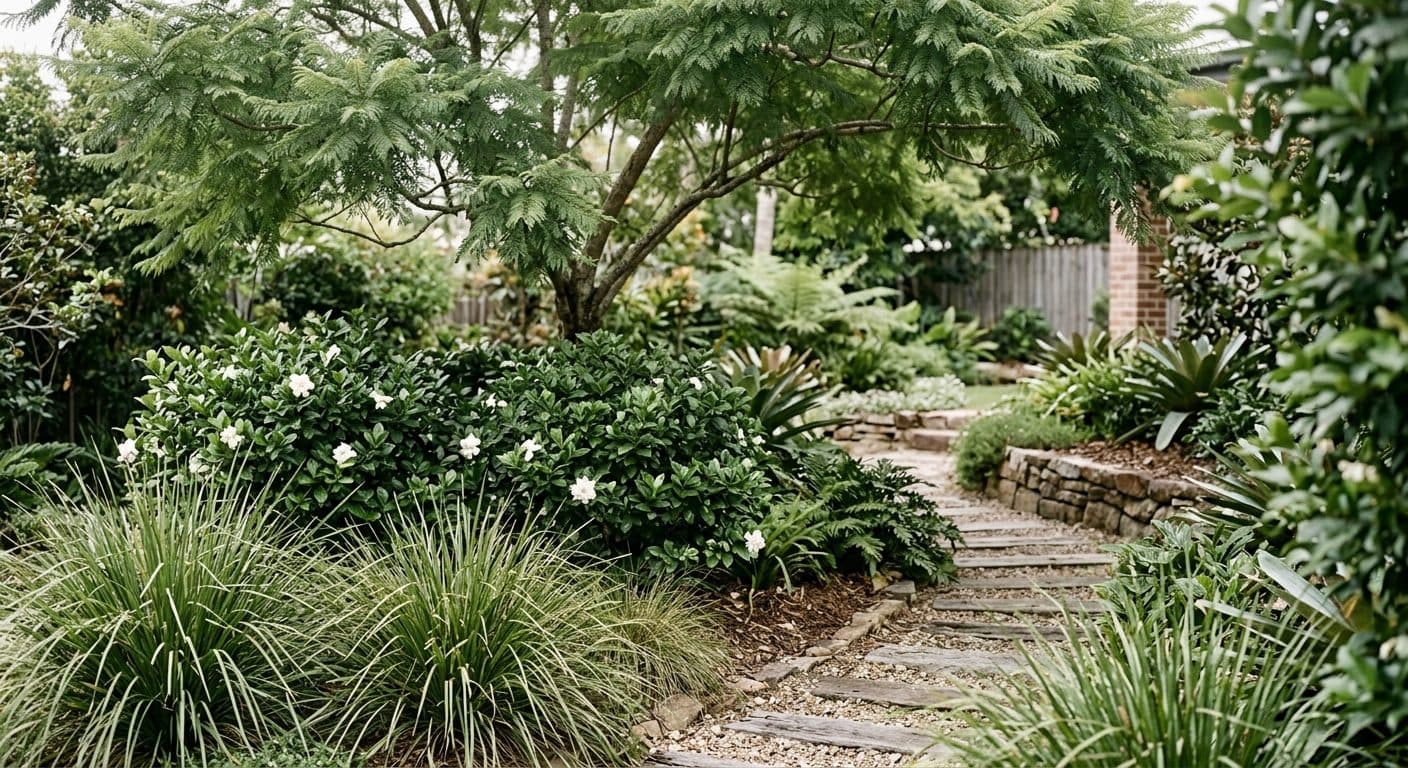
Not a top ten but a working shortlist: the plants that earn a place in Brisbane gardens, organised by the job each one does best.

By Shannon Trevisiol, Landscape Designer, Brisbane · 5 min read
- No plant is good in the abstract: I choose every one for a specific job, which is why I build a palette around five roles rather than a top ten.
- Plant your structure layer first and in generous numbers, because it is what makes the showier choices read as a garden rather than a collection.
- In our climate a shade tree is infrastructure, not decoration, and groundcovers are a living mulch that keeps weeds out of bare soil.
- Give a garden one feature plant chosen purely for presence: three features in the same space simply cancel each other out.
Ask ten gardeners for the best plants for Brisbane gardens and you'll get ten lists with barely a plant in common. Ask a designer and you'll get a question back: best at what? No plant is good in the abstract, because a plant earns its place by doing a job, and the gardens that still look composed at year five are the ones where everything was hired for one. So rather than a top ten, here's how I build a planting palette for Brisbane's subtropical climate, organised by the five jobs that matter.
Structure: the bones you see in August
Structure plants hold a garden together through the quiet months, when nothing much is flowering and everything else is thinking about it.
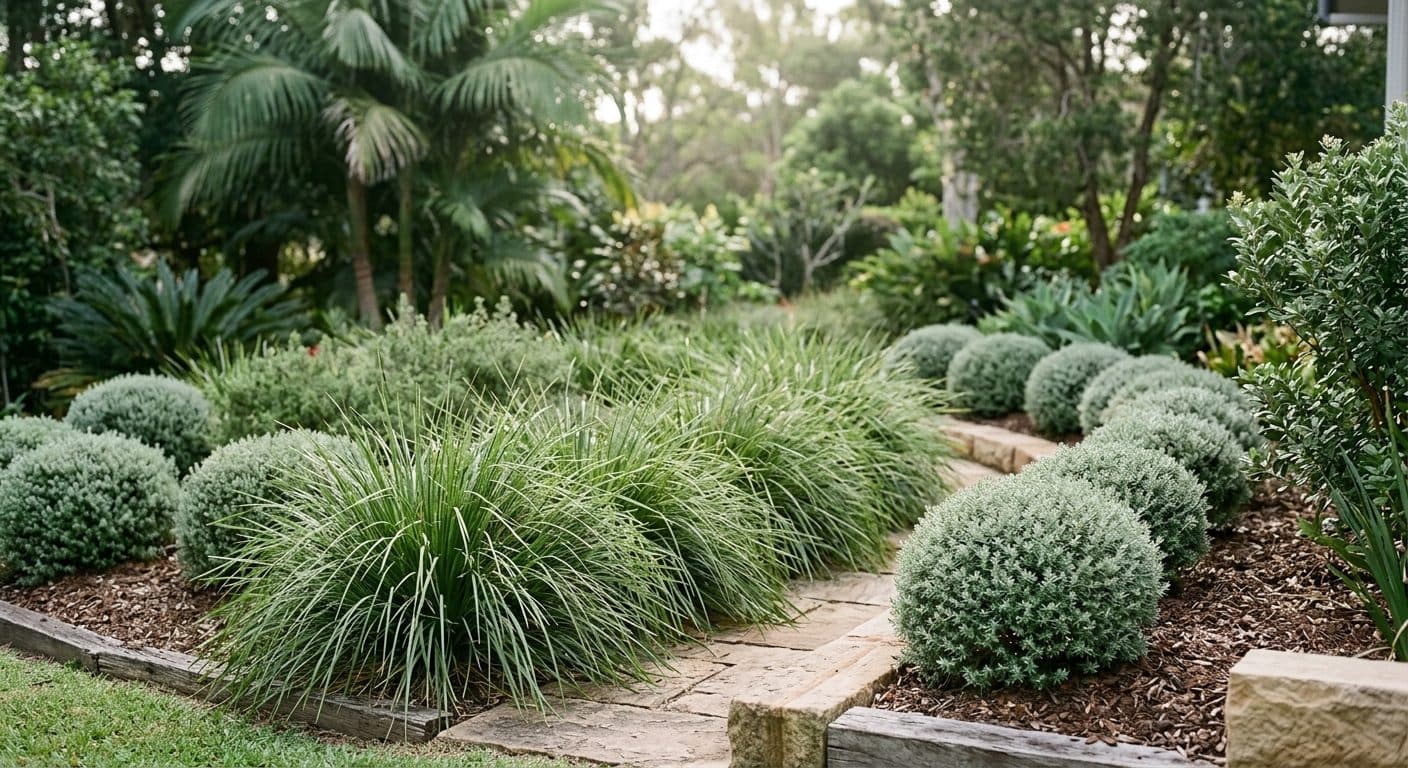
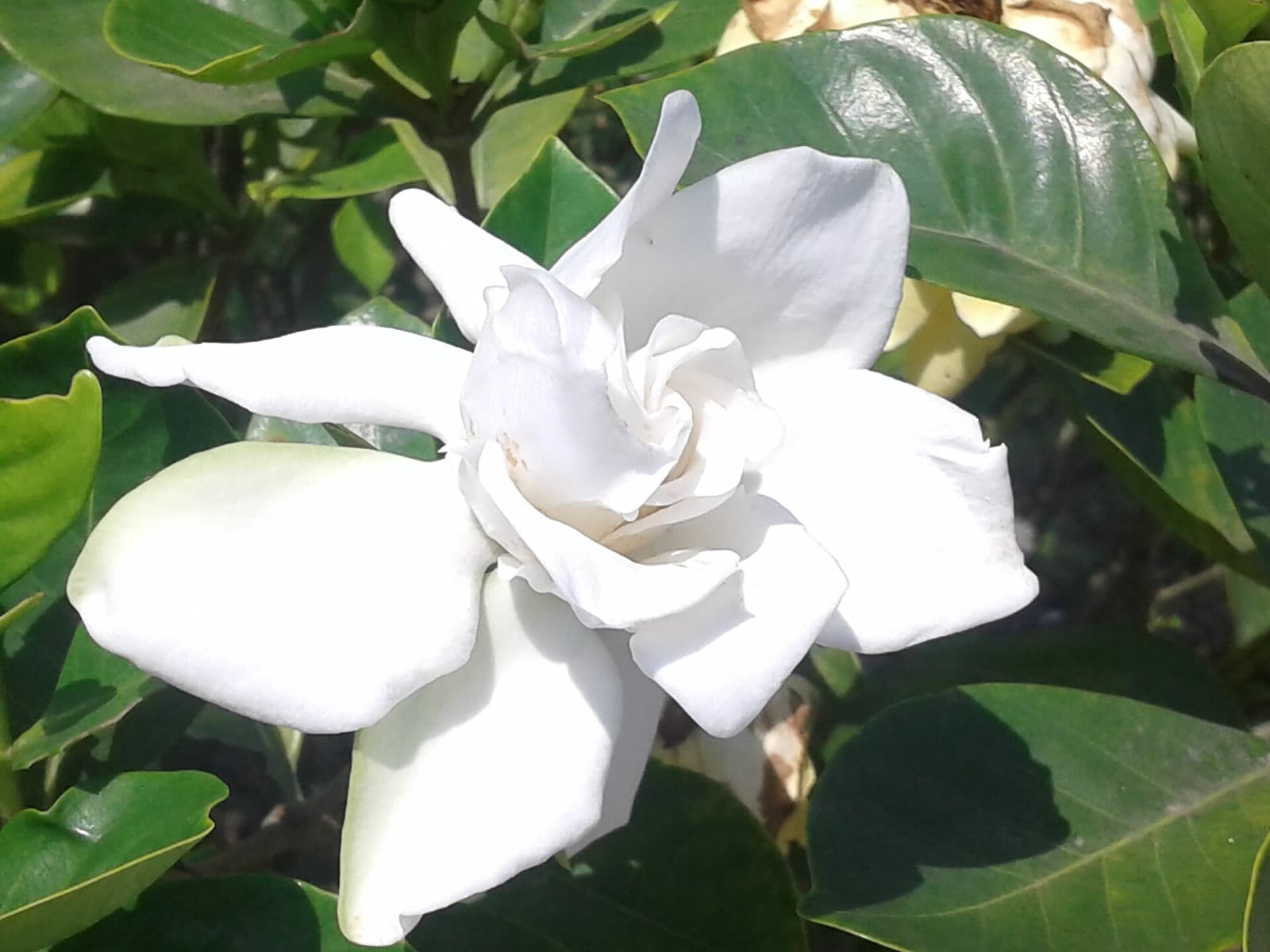
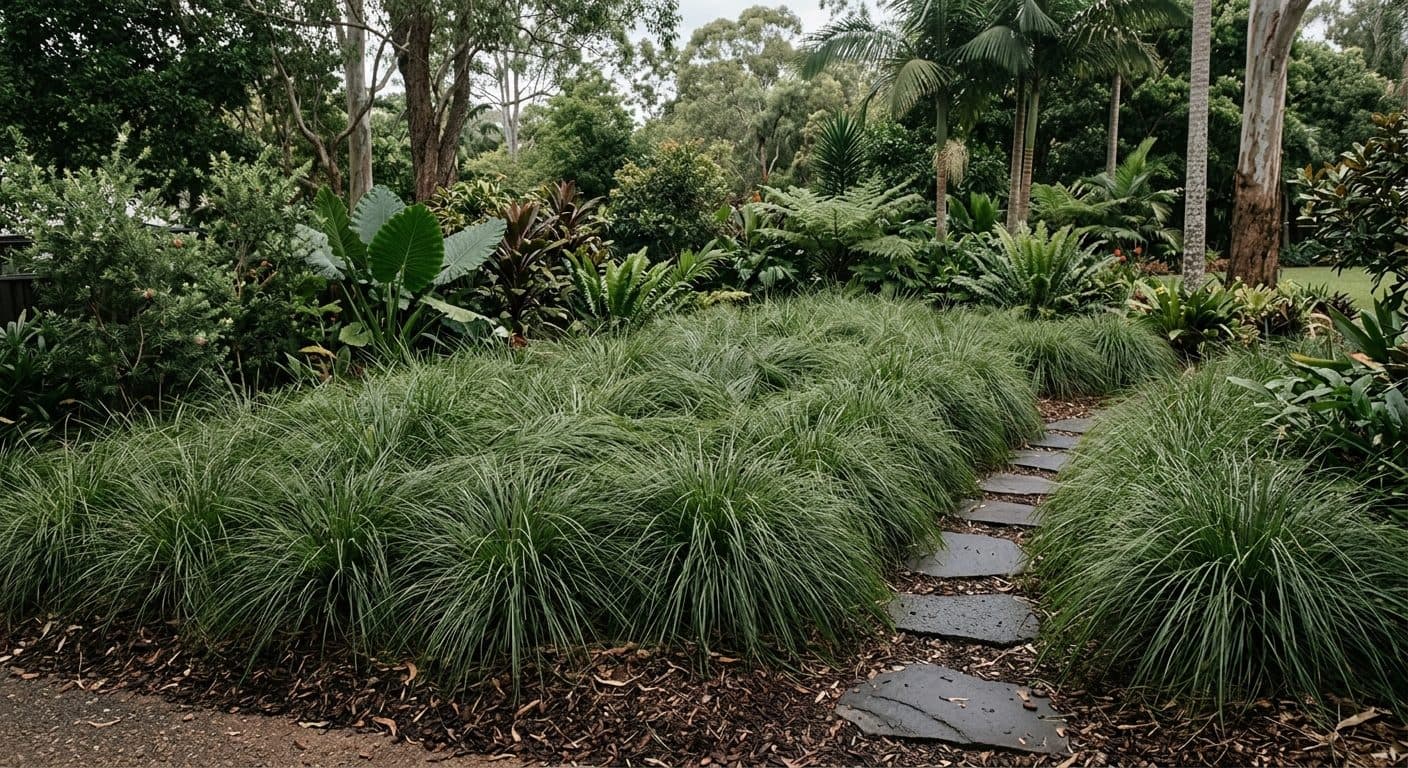
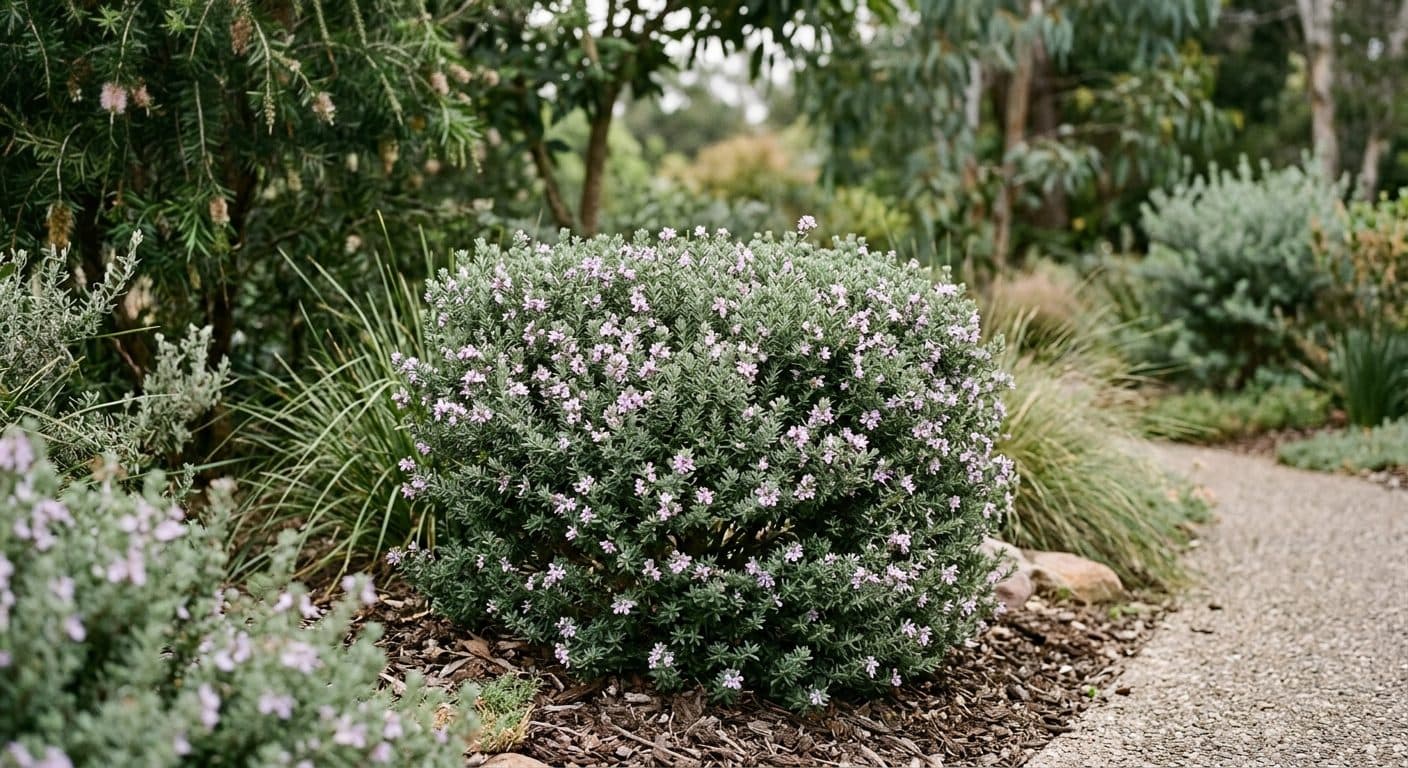
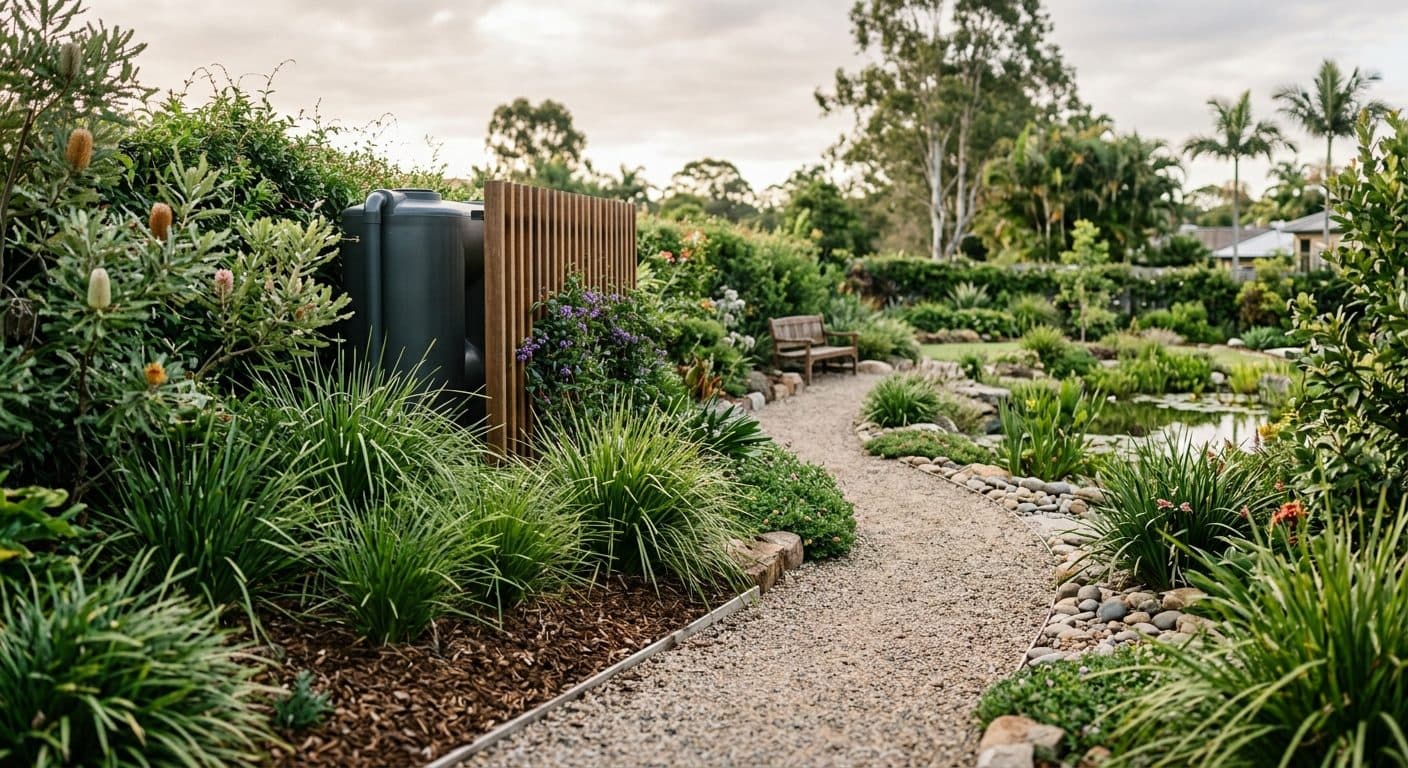
In Brisbane I lean on Lomandra 'Tanika', which looks deliberately placed all year on rainfall alone, and coastal rosemary (westringia), which accepts clipping or neglect with equal grace. Where a client wants the clipped formality of box without the sulking, gardenias step in with glossy leaves, white summer perfume and a genuine fondness for our slightly acidic soils. Plant this layer first and in generous numbers, because structure is what makes the showier choices read as a garden rather than a collection.
Canopy: shade is infrastructure
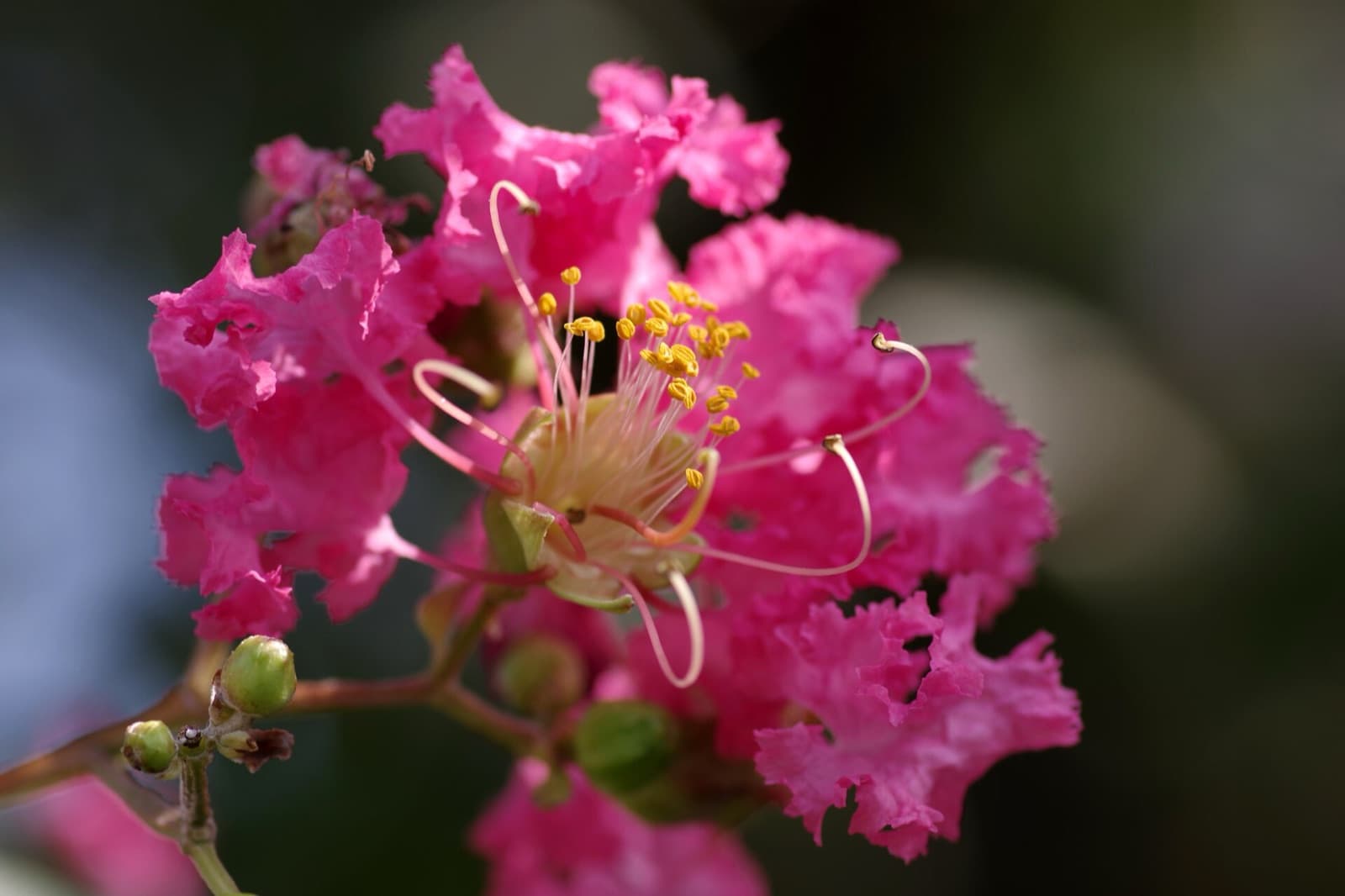
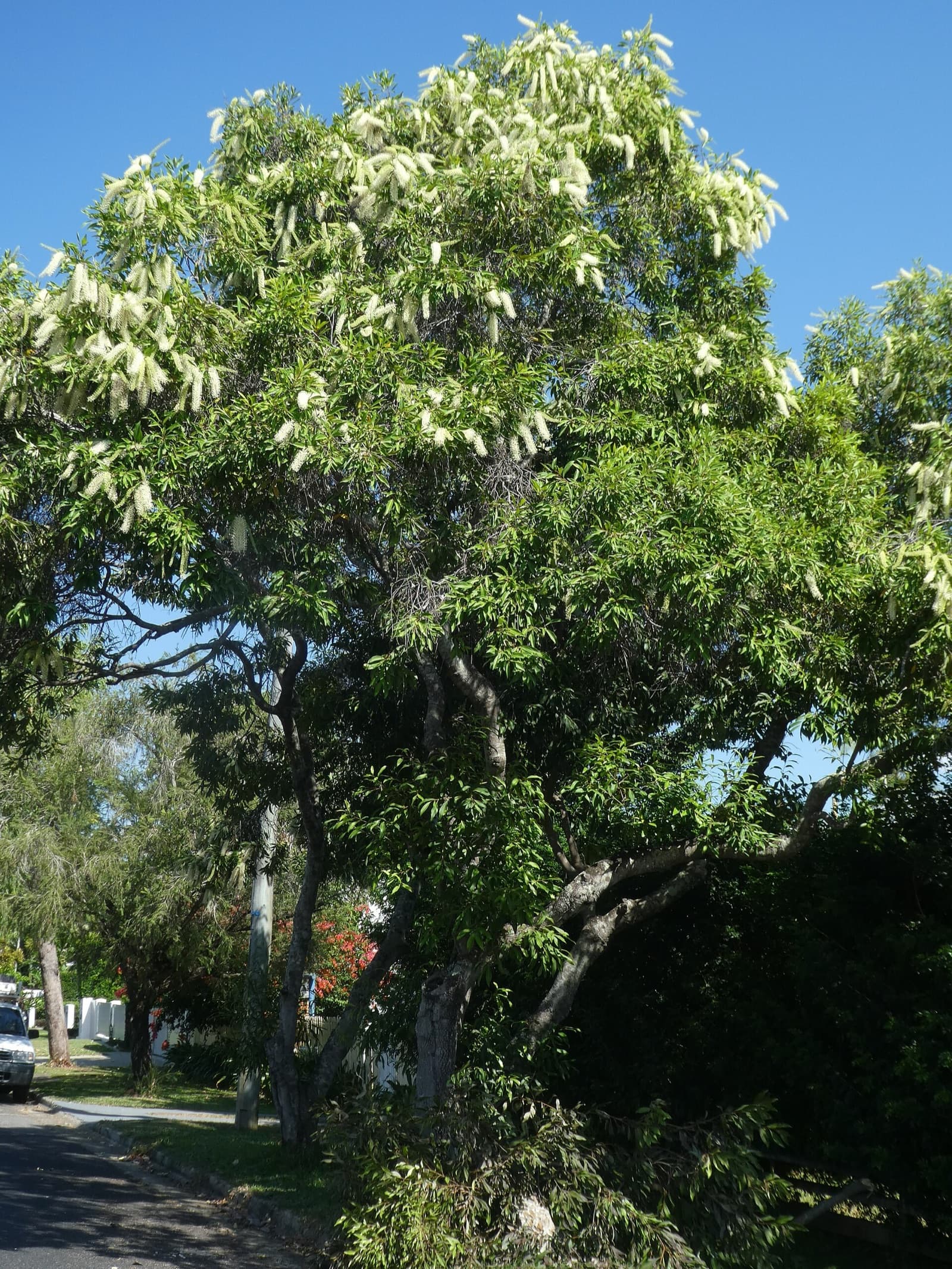
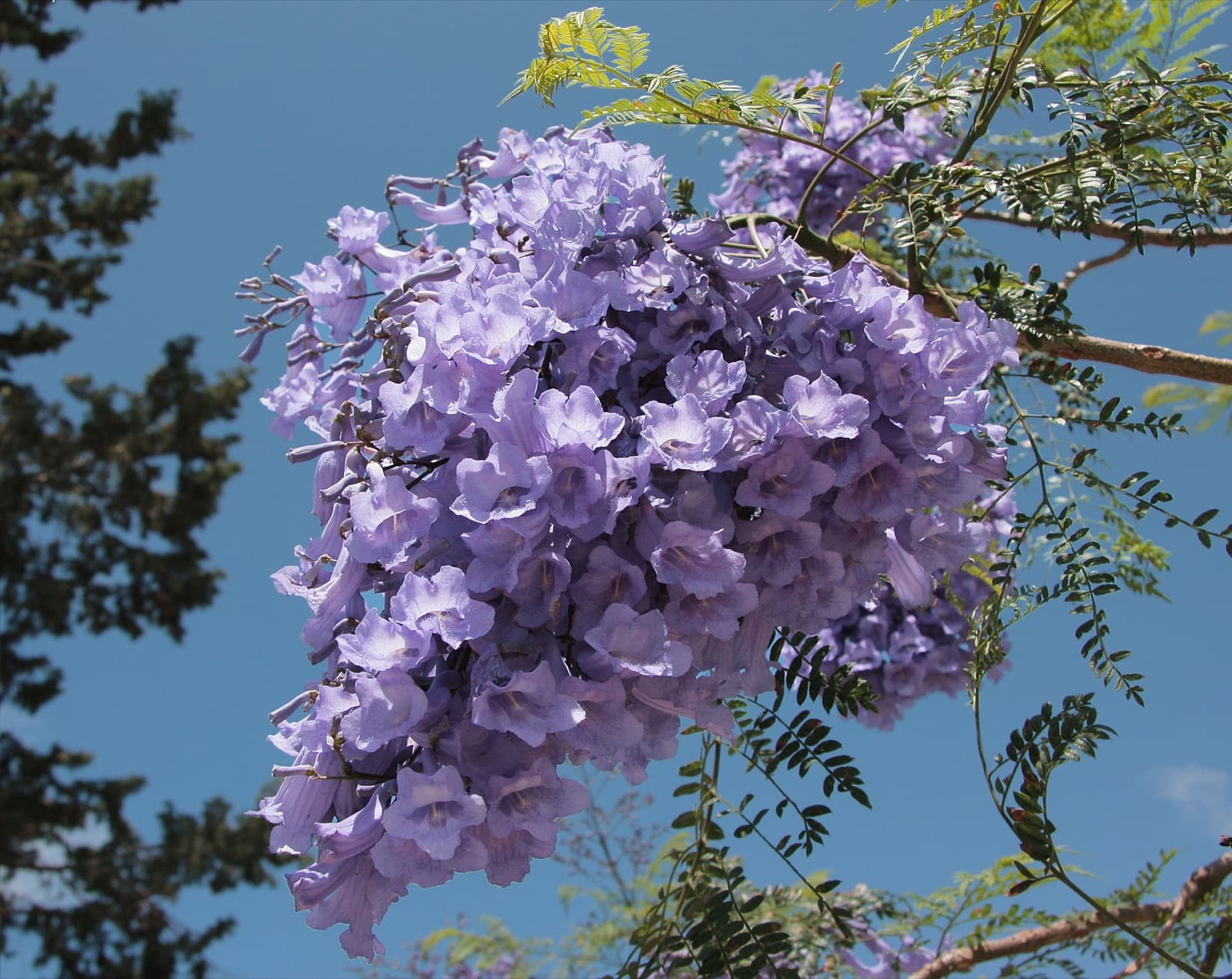
In a subtropical city a shade tree isn't decoration, it's climate control for everything beneath it. Tuckeroo is my workhorse here, a dense and tidy native that stands up to coastal wind and casts real shade within a few years. The ivory curl tree stays compact enough for suburban blocks and covers itself in cream flower spikes through late summer. On northern and western boundaries I often go deciduous, because a crepe myrtle gives you flowers in January, shade in February and winter sun through bare branches in July, which is precisely the sequence a Brisbane garden wants. And yes, the jacaranda: plant one if you have the room, and understand that it will eventually own that corner of the block.
If the real reason you want tall plants is a neighbour's window, that's a privacy brief rather than a canopy one, and I've written a separate guide to screening plants in Brisbane that treats it properly.
Colour: flowers that cope with February
Brisbane colour has to survive heat, humidity and storm season, which quietly rules out most of what fills the gardening magazines each spring.
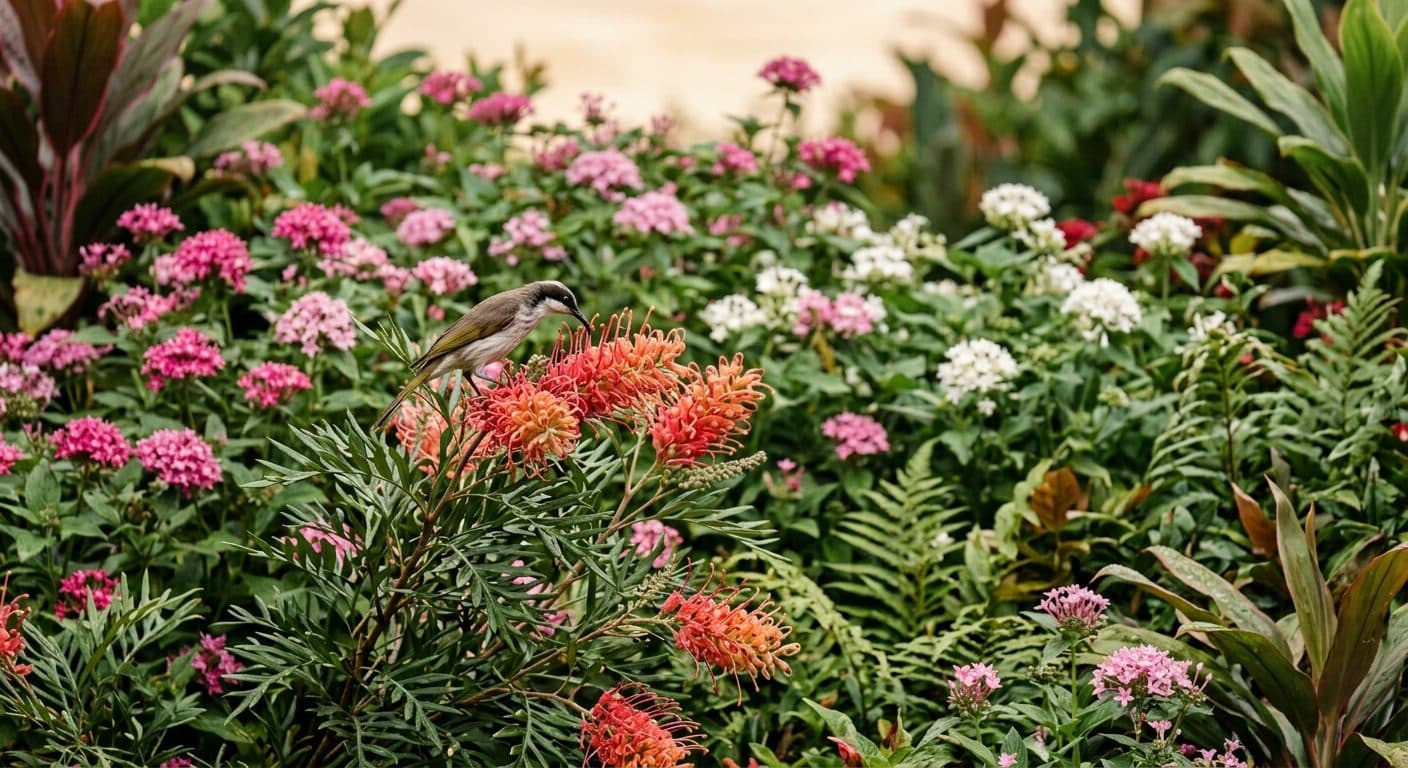
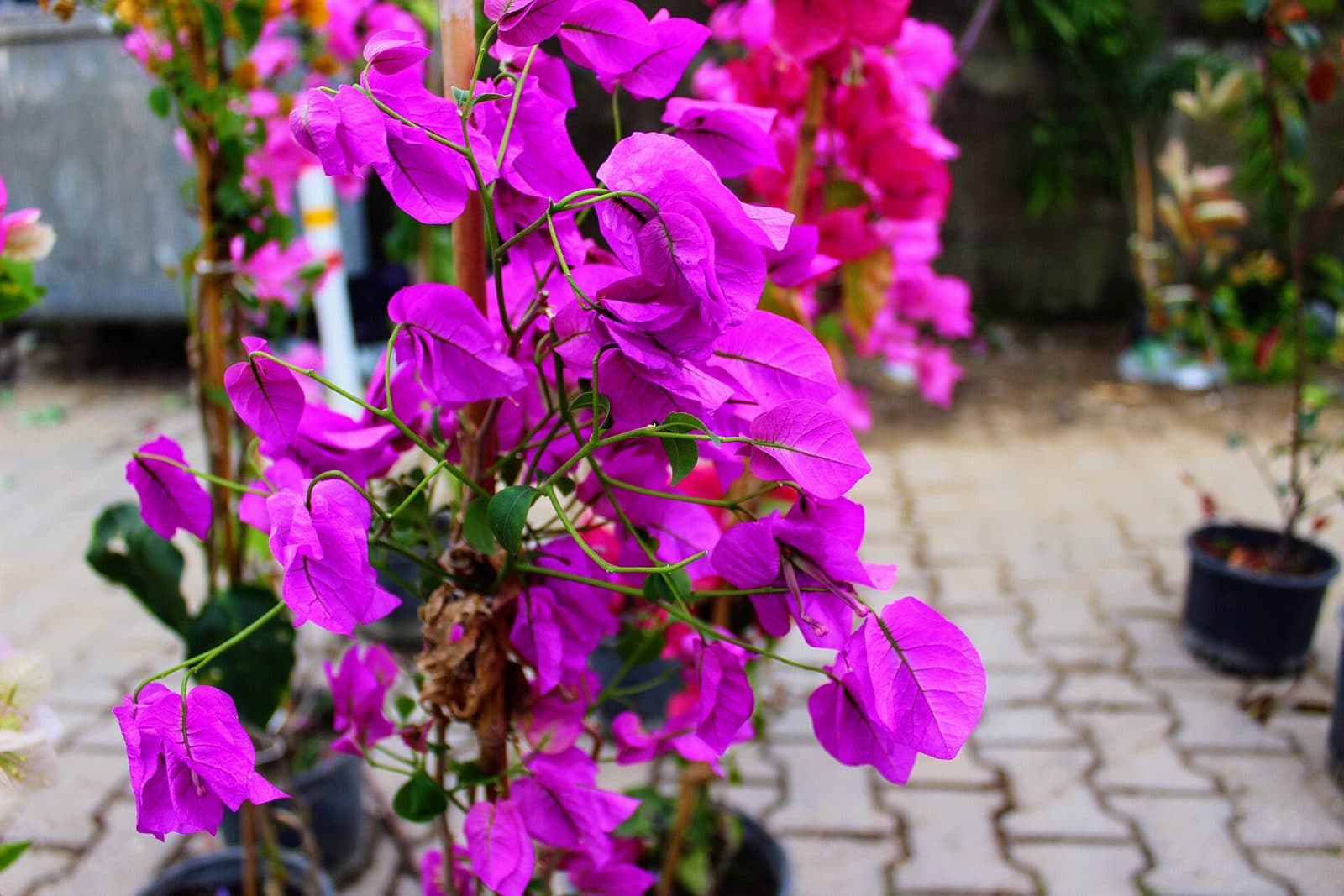
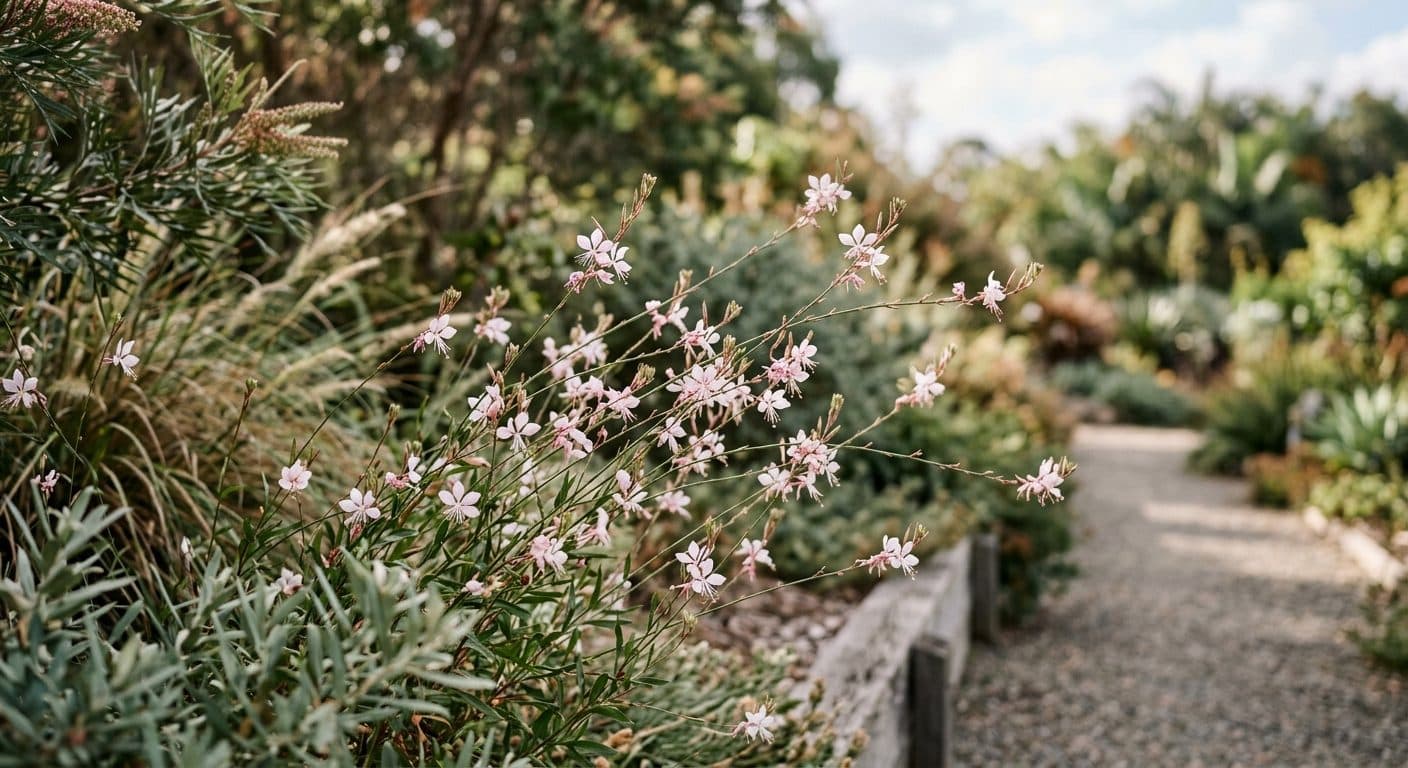
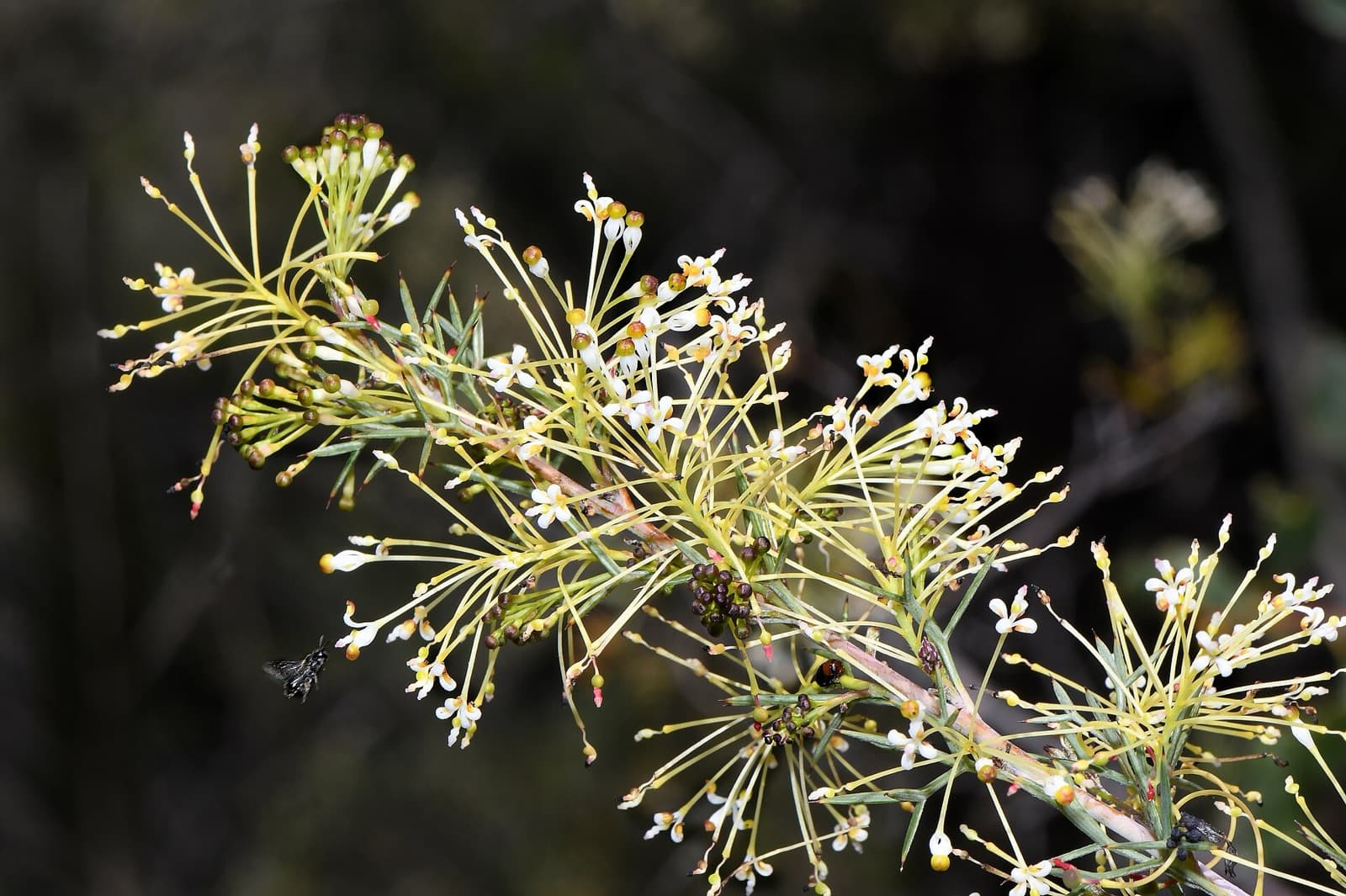
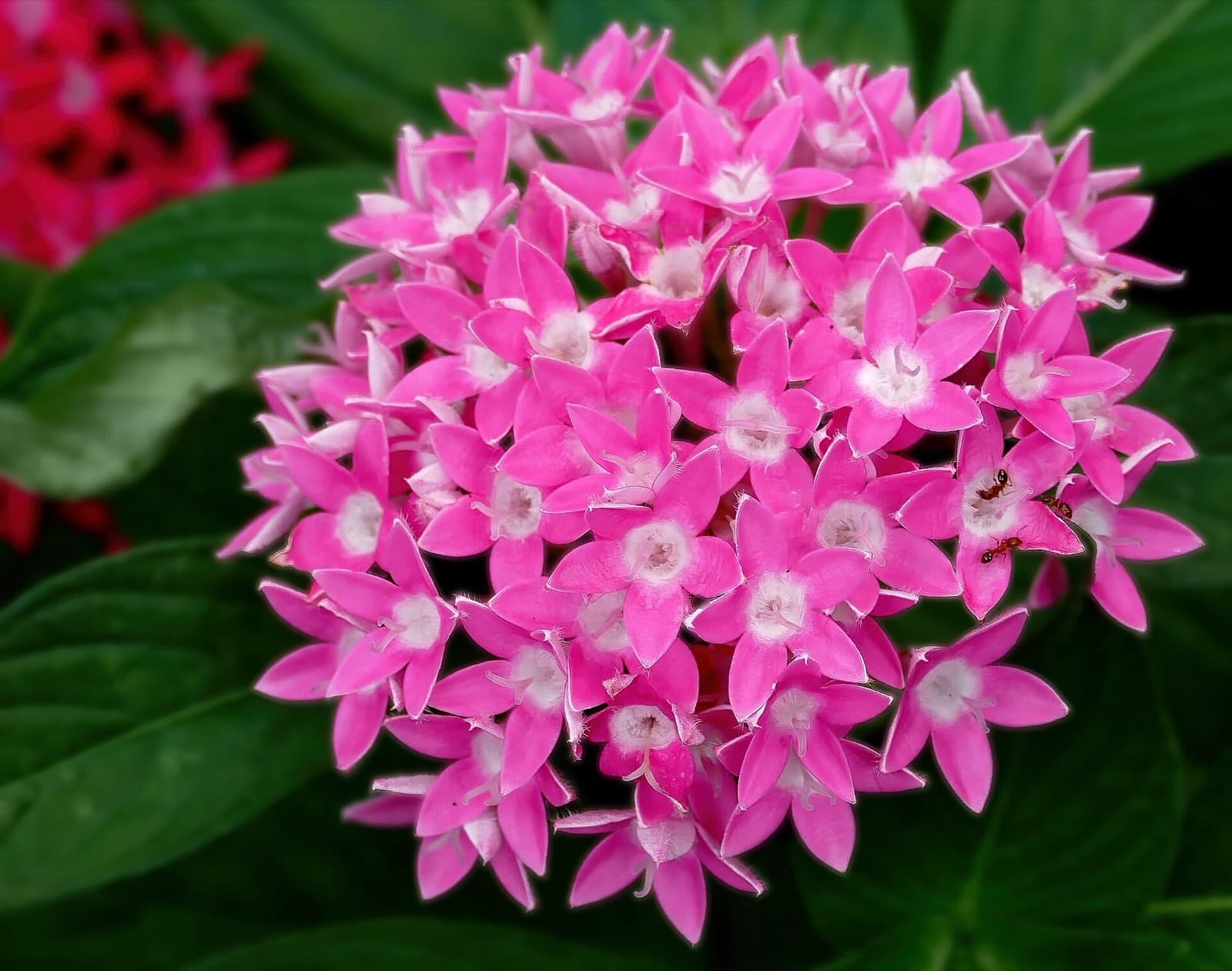
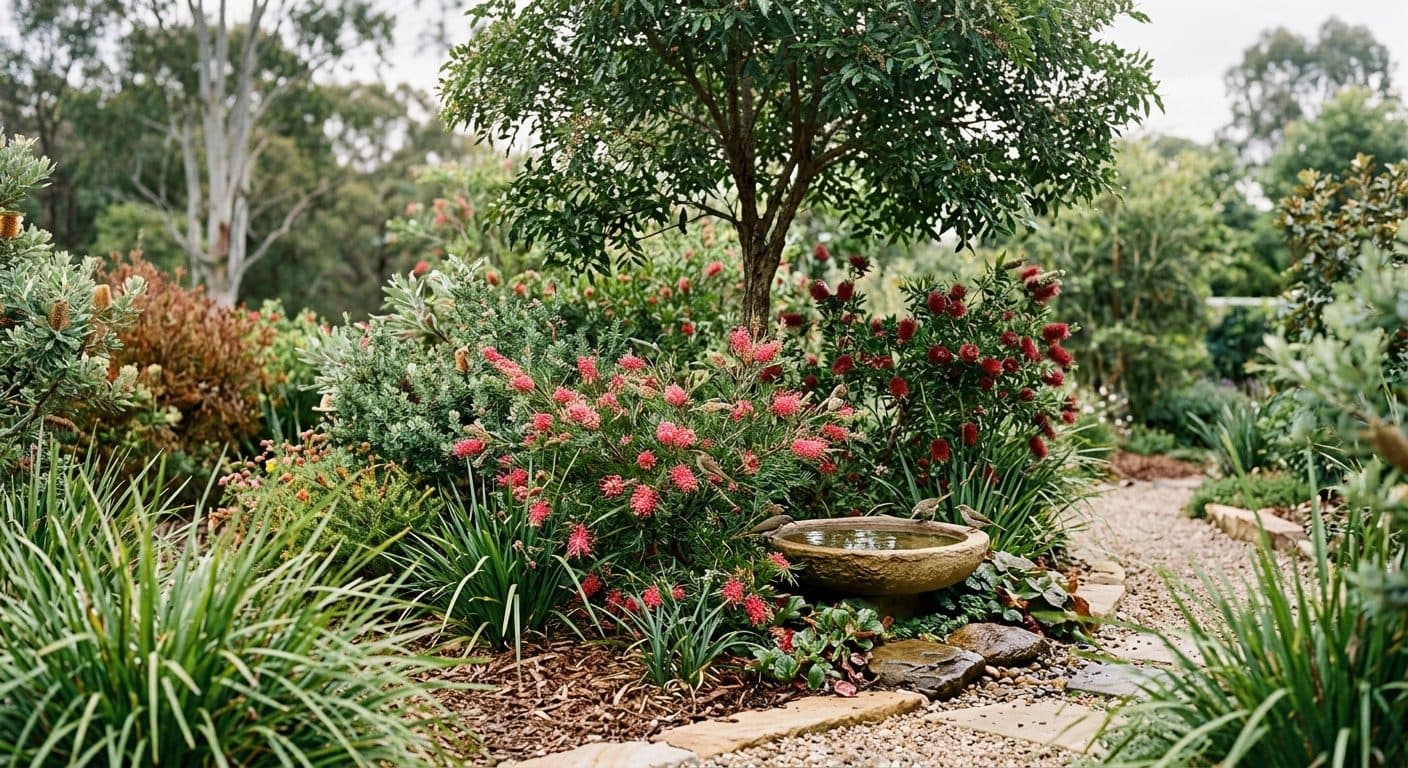
Grevillea cultivars like 'Moonlight' and 'Peaches and Cream' flower for most of the year and keep the honeyeaters busy, provided the drainage is sharp and phosphorus-rich fertiliser stays well away. Pentas blooms through everything our summer serves up, and crucifix orchids will colour the hot, forgotten corner where nothing else volunteered. Kangaroo paws struggle in our humidity, so enjoy them as a seasonal guest unless your drainage and airflow are genuinely good. Bougainvillea gives the most colour of the lot and draws blood at pruning time, which feels like a fair trade until you're the one pruning. And for airy movement rather than saturated colour, butterfly bush (Gaura) throws pale flower wands from spring to autumn and copes with our humidity better than most cottage perennials.
Groundcover: the living mulch
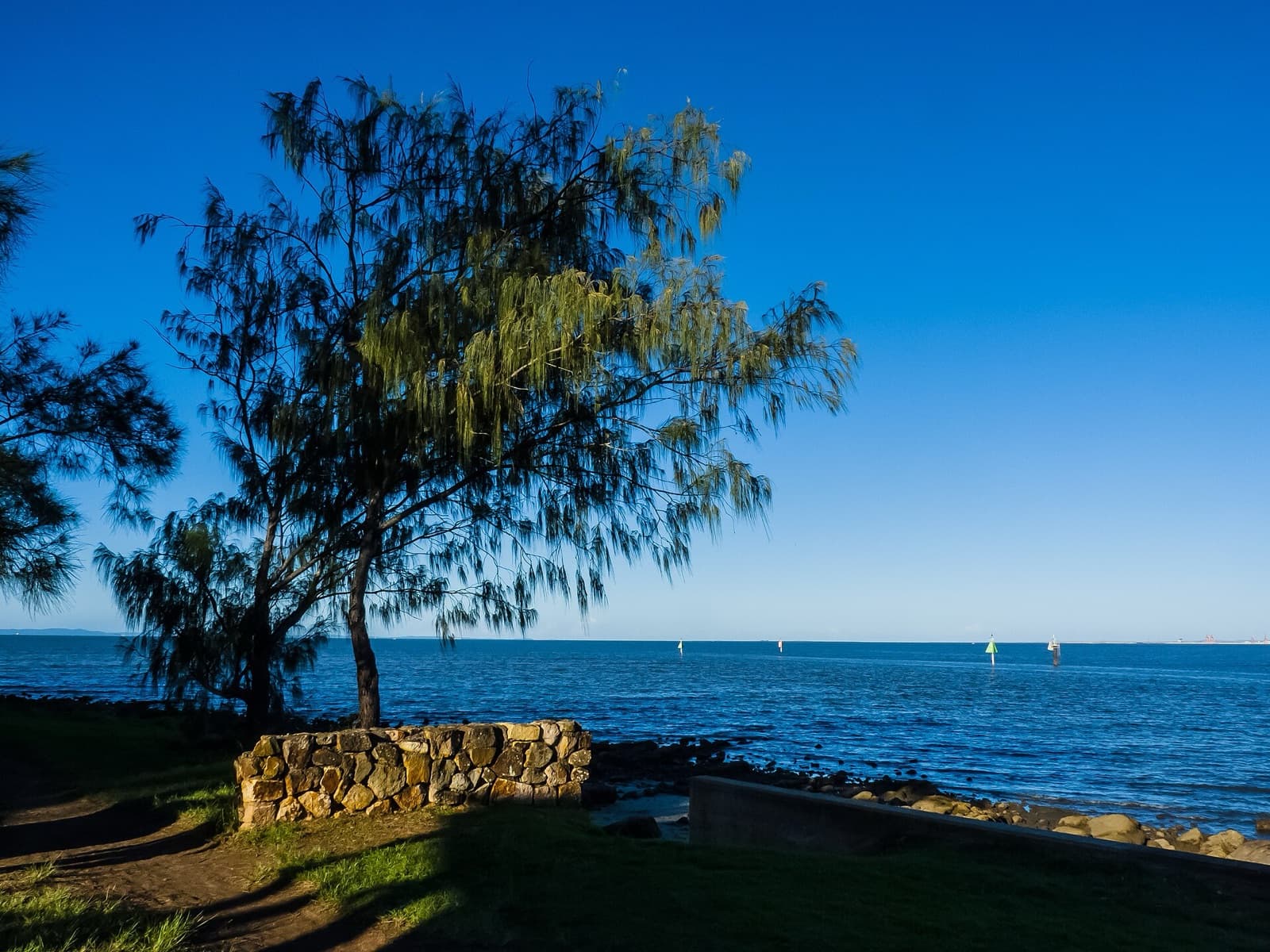
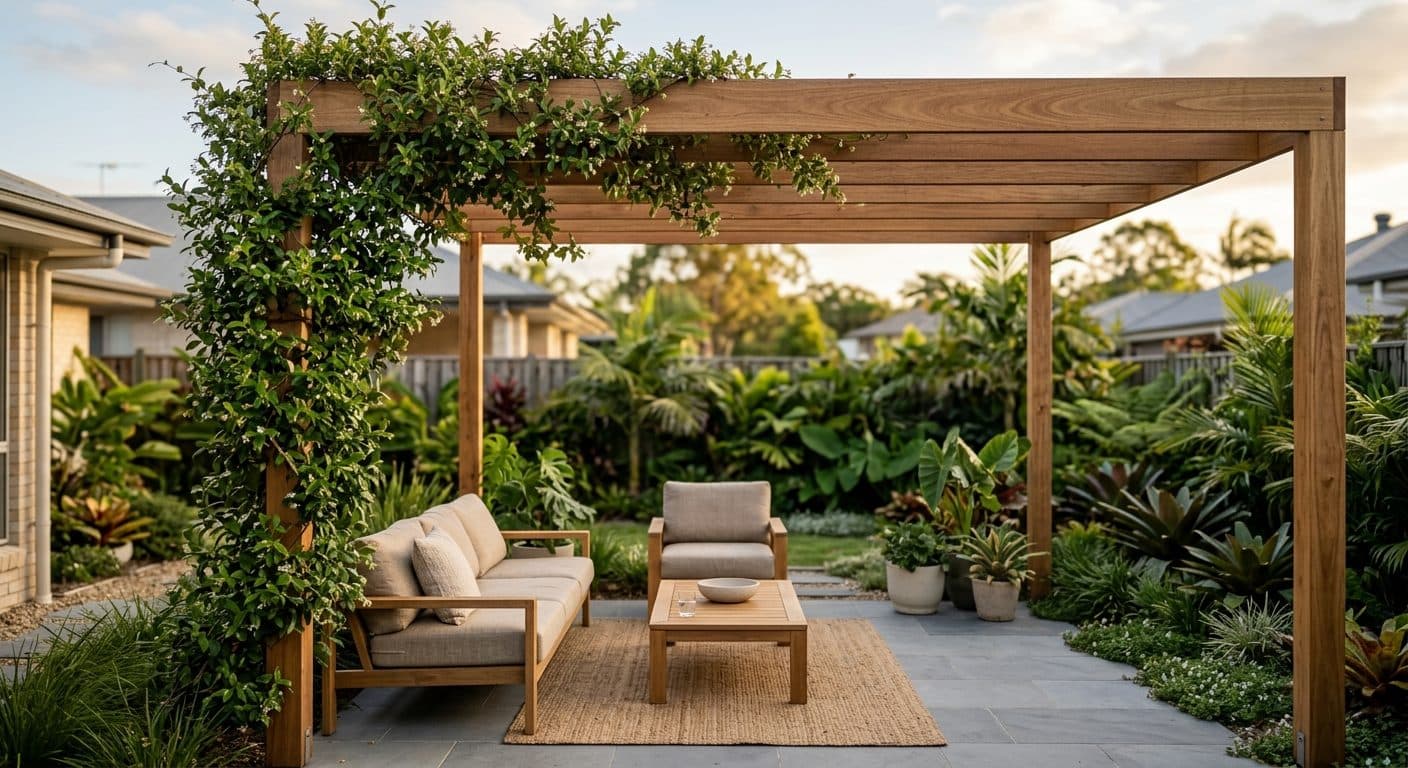
Bare soil in Brisbane grows weeds within a fortnight, so groundcovers are less a finishing touch than a defence strategy. Myoporum knits down hot, dry banks where turf gives up, Dichondra repens makes a soft green seam between steppers, and Casuarina 'Cousin It' pours over retaining walls with a texture nothing else offers. Star jasmine covers ground or climbs wire with equal enthusiasm, in sun or shade, which makes it the utility player of awkward sites. The properly shaded parts of a block want a different palette again, and they get their own conversation in my guide to shade gardens in Brisbane.
Feature: one plant chosen for presence
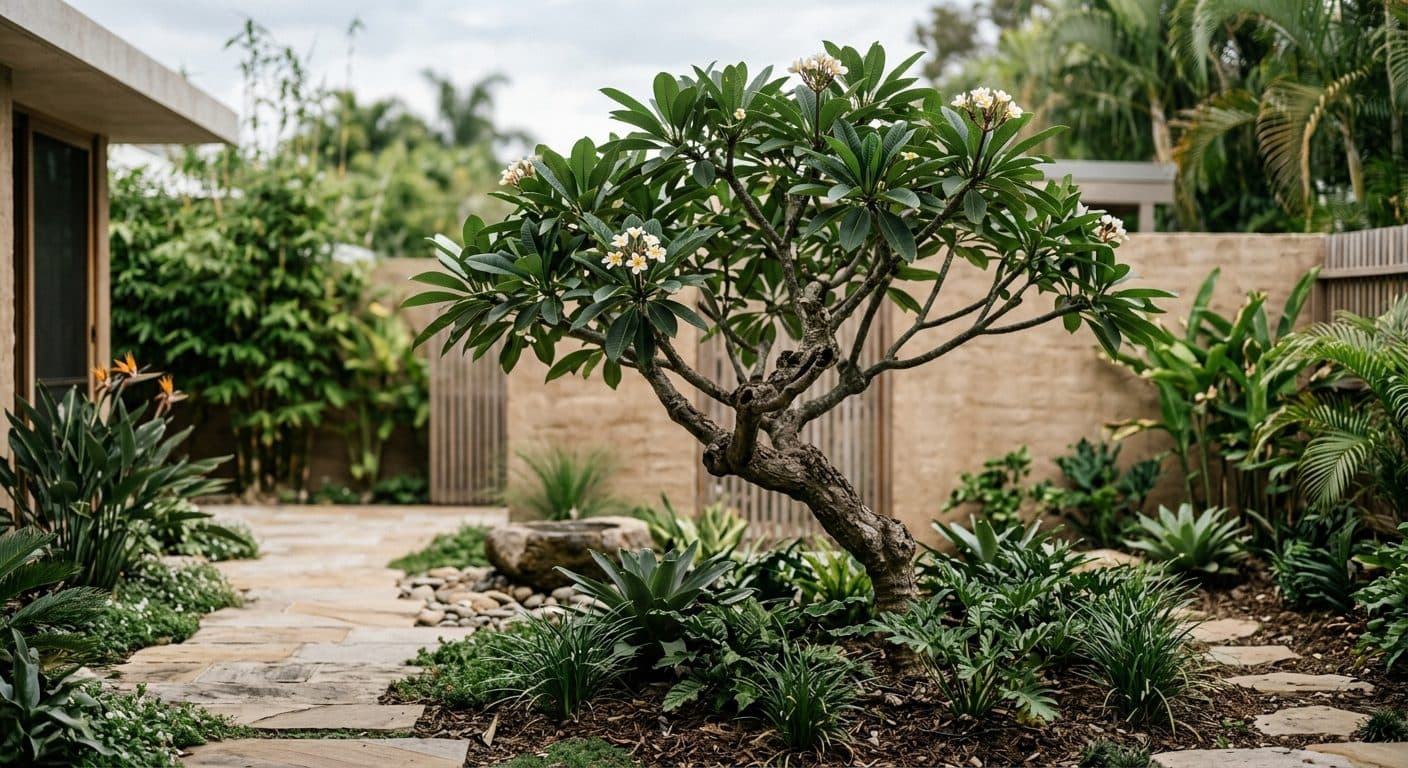
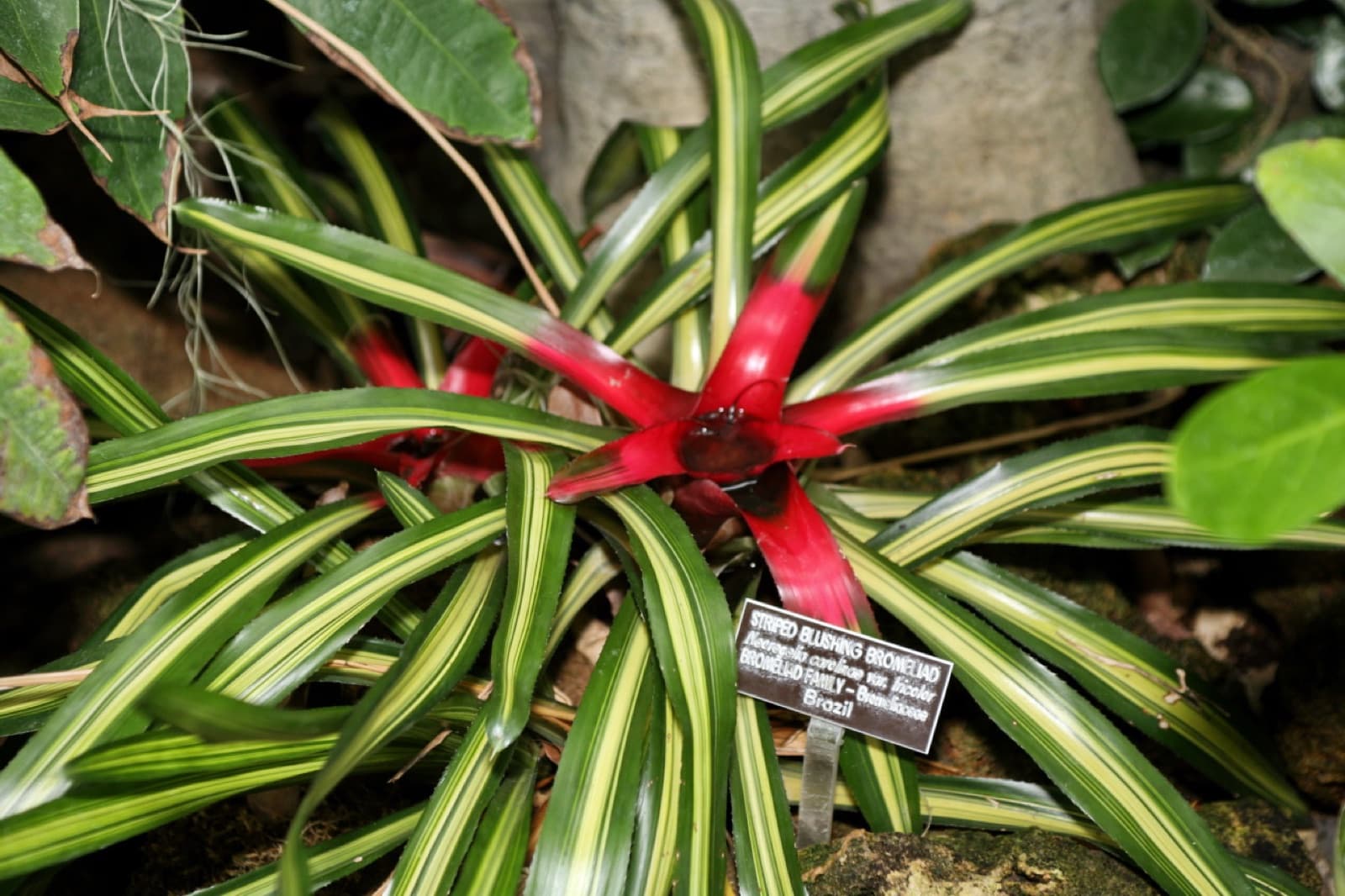
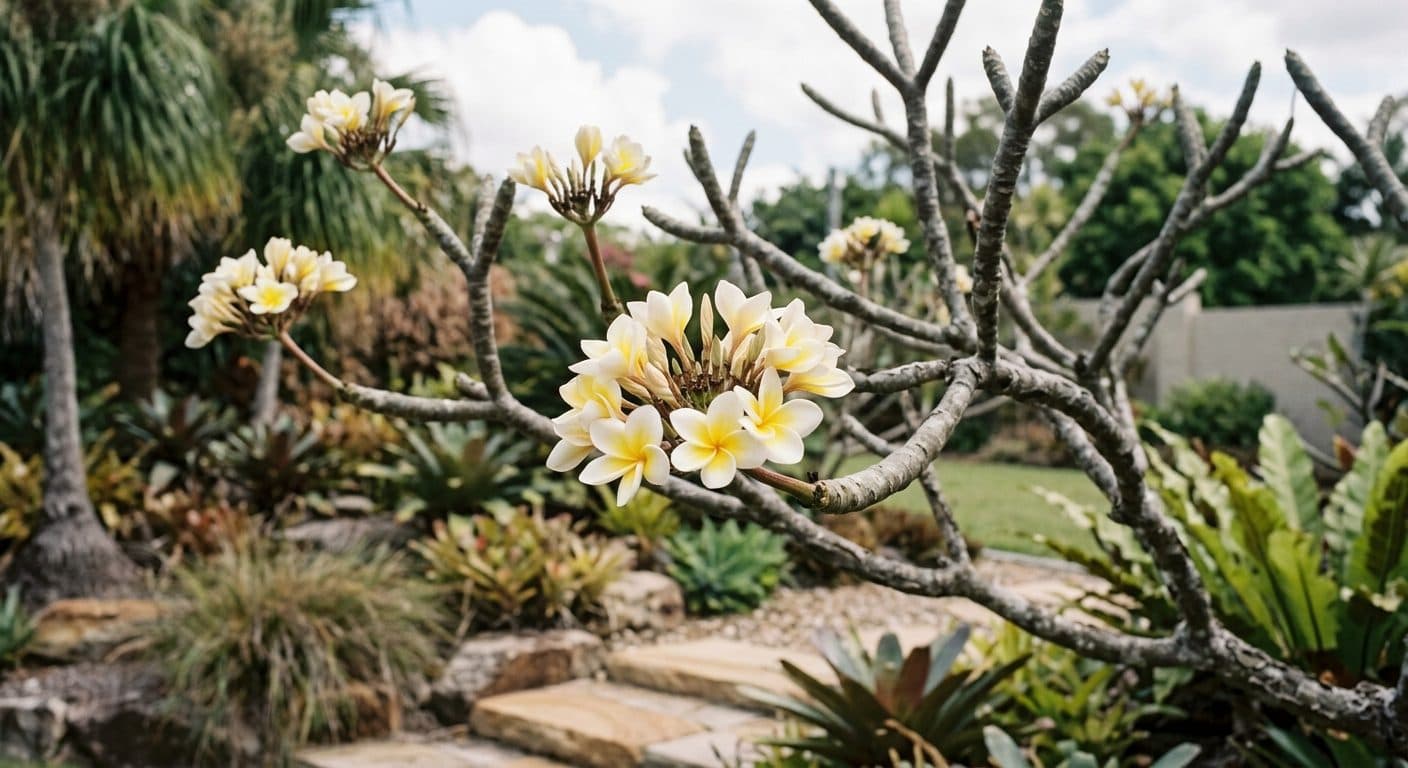
Every garden earns one plant selected purely for the way it holds space. A frangipani (Plumeria) brings winter sculpture and summer perfume while asking for almost nothing in between. Alcantarea, the giant bromeliad, sits like a piece of architecture and never complains about the heat, while a grass tree is the most striking option and the least forgiving, being slow, far from cheap and insistent on perfect drainage. Whatever you choose, choose once, because three features in one garden cancel each other out.
Choosing plants for Brisbane's climate, not from a catalogue
Everything above copes with Brisbane's climate; which of them belongs on your block comes down to soil, aspect and slope, which is why the palette is one of the last things I settle in a design rather than the first. If you want the thinking behind the layers, start with my guide to designing a subtropical garden, or wander through native garden design if the locals appeal. And when you're ready for a palette matched to your actual site rather than a general one, that's the work of a Concept Design.
Ready to start designing?
We're currently taking on new landscape design clients across Brisbane. Reach out for a personalised quote, whether you're a homeowner or a design professional.
Book a Free Discovery Call