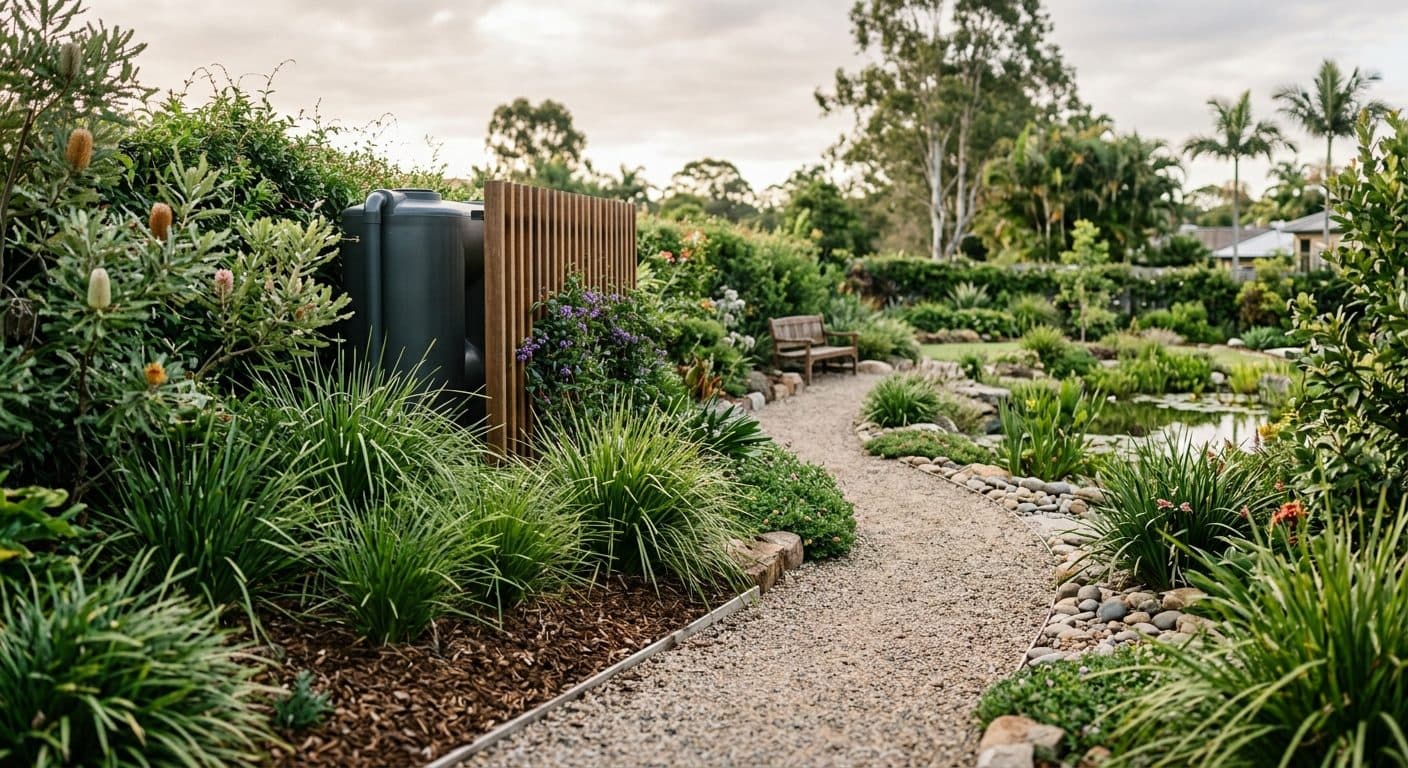
Sustainable doesn't mean a scruffy garden of native tufts. Here's what water-wise, low-waste, habitat-first design actually looks like in a Brisbane climate, and why it's usually the better-looking option too.
By Shannon Trevisiol, Landscape Designer, Brisbane · 4 min read
- Sustainable design in the subtropics is mostly about water: capturing it, holding it in the soil, and planting so you rarely have to add any.
- Healthy soil does more than any product. Build it up, mulch it, and keep it planted, and the garden needs less water, less feeding and less intervention.
- Reducing lawn and using local, recycled or long-lived hardscape materials cuts both the water bill and the embodied waste of a garden.
- A habitat-first garden that's designed well looks lusher and more alive than a thirsty, high-input one, so sustainable and beautiful aren't a trade-off here.
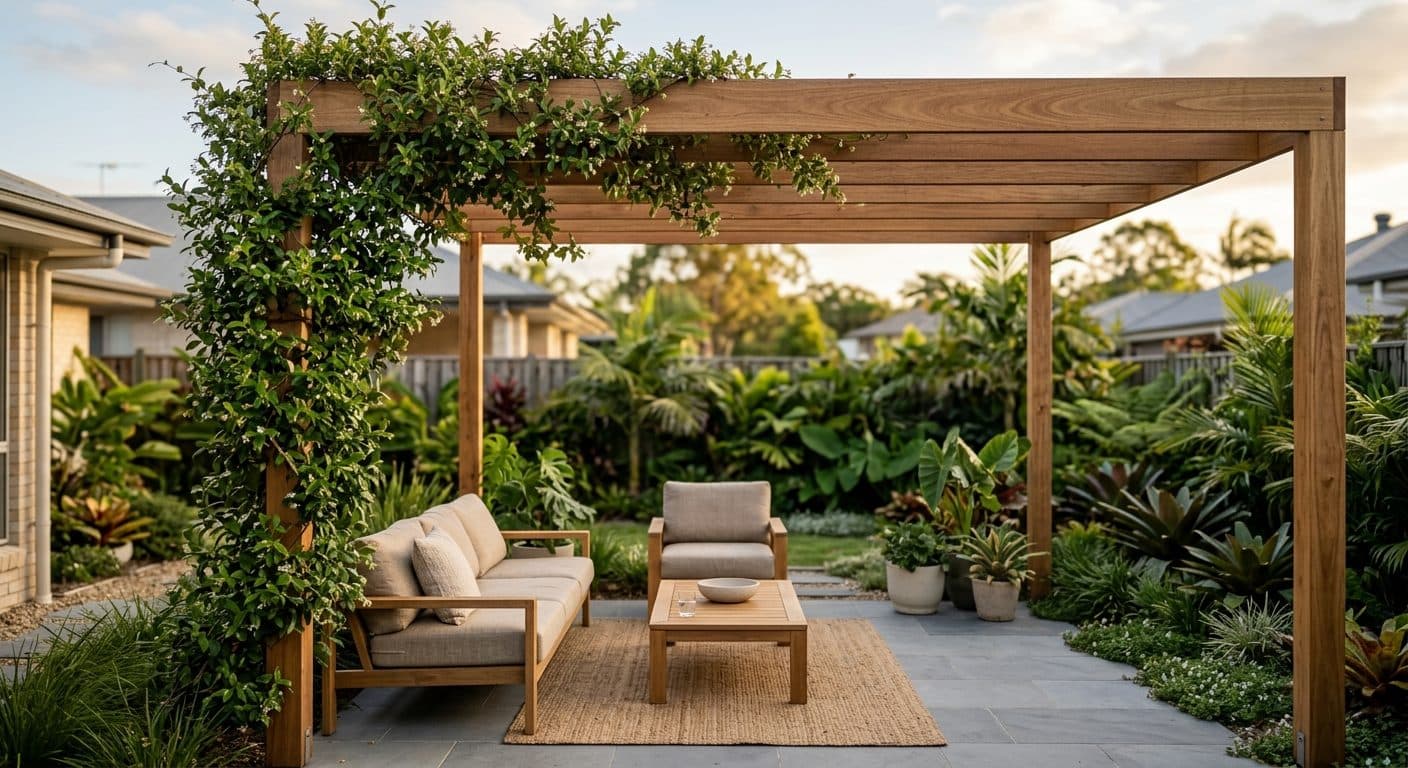
Sustainable garden design has an image problem. Say the words and a lot of people picture a dry patch of native tufts and gravel, worthy and a bit joyless. That's not what I mean by it, and it's not what it has to be. In a Brisbane climate a genuinely sustainable garden, one that drinks less water, wastes less, and gives more back to the wildlife around it, tends to be lusher, calmer and better-looking than the thirsty, high-input garden it replaces. Working with the climate is simply better design, and the sustainability comes along for the ride.
The subtropics make this both easier and harder. We get generous rain, but in bursts, with dry stretches in between and a fierce summer that punishes anything planted in the wrong spot. So sustainable design here isn't one clever feature, it's a handful of decisions that add up. Here's where the real gains are.
Water: catch it, hold it, and stop needing it
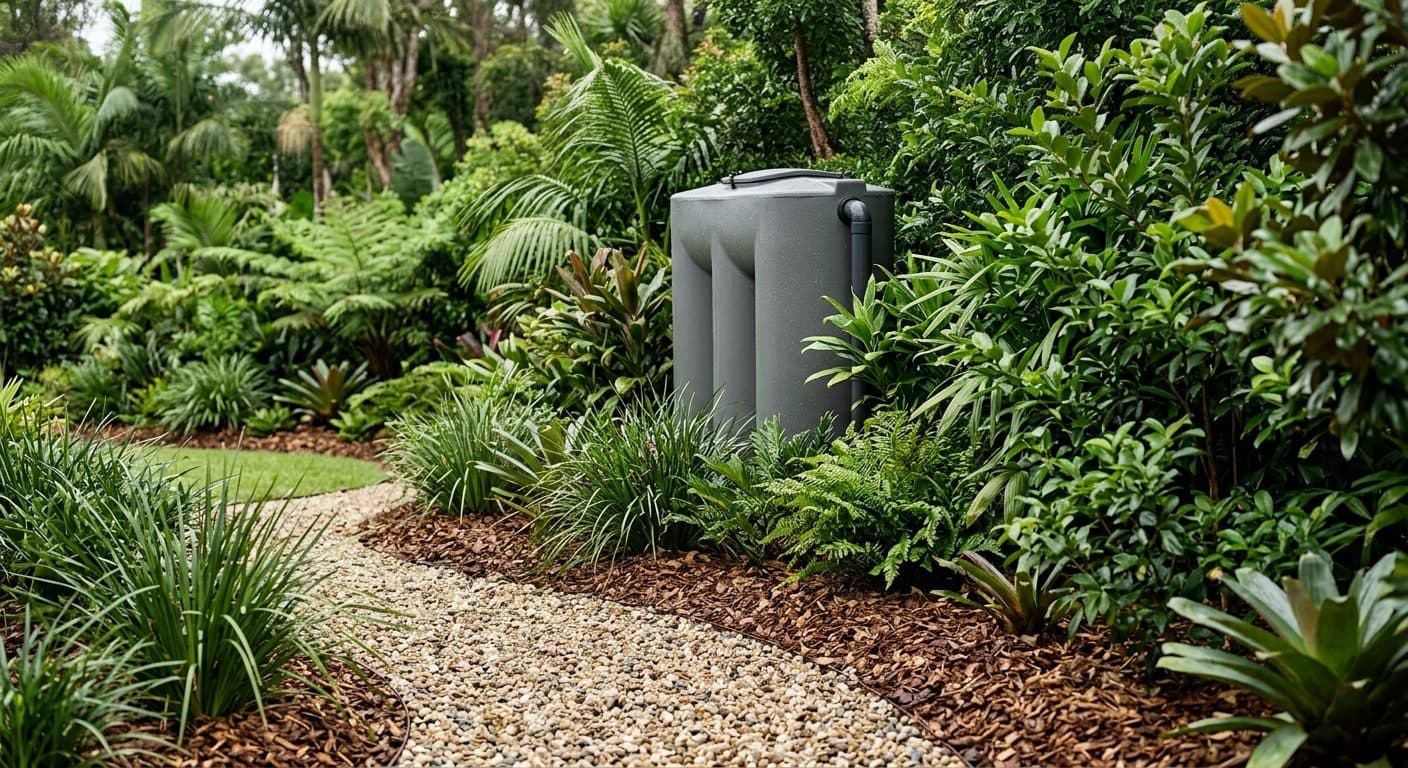
Water is where a subtropical garden is won or lost, so design around it first. That means capturing what falls, a tank plumbed to the garden turns a February downpour into a July reserve, and it means building soil and mulch that actually hold moisture instead of shedding it down the drive and into the gutter. Most of all it means planting so that, once established, the garden mostly lives on the rain that lands on it. Right plant, right place is the whole water strategy in four words, and my guide to drought-tolerant plants for Brisbane is the plant end of it, the species that look good through a dry spell without a hose standing by.
Soil is the engine, so feed the soil
Look after the soil and most other problems shrink. Healthy, living soil holds water like a sponge, feeds plants without a bag of blue crystals, and grows tougher plants that shrug off pests, so the single most sustainable thing you can do in a garden is build the ground up rather than plant into whatever's there. Compost your own green waste back into the beds instead of trucking it away and buying it back, keep the soil covered with mulch and planting so it doesn't bake and blow away, and disturb it as little as you can. It's unglamorous and it's the foundation of everything else.
Less lawn, and materials that last
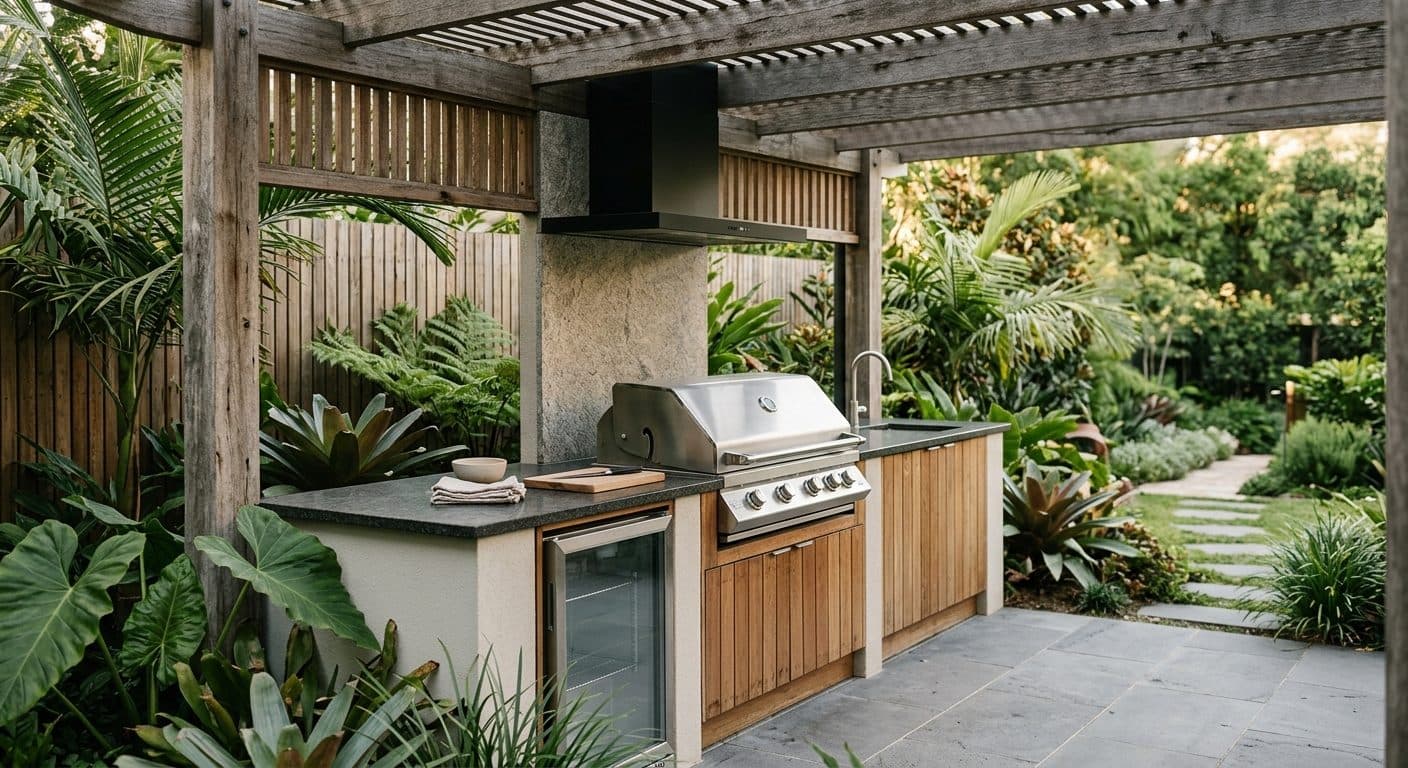
Rethink the two biggest resource sinks in a typical garden: the lawn and the hard surfaces. A wall-to-wall lawn is the thirstiest, highest-input, lowest-habitat thing most gardens contain, so shrinking it to the piece you actually use and giving the rest to planting is one of the largest single sustainability gains available, which is the whole subject of my lawn alternatives guide. On the hard landscaping, favour materials that are local, recycled or simply built to outlast you, use permeable surfaces that let the rain soak in rather than run off, and resist the urge to pave more than the garden needs. The greenest paver is the one you didn't lay.
Habitat-first: a garden that gives something back
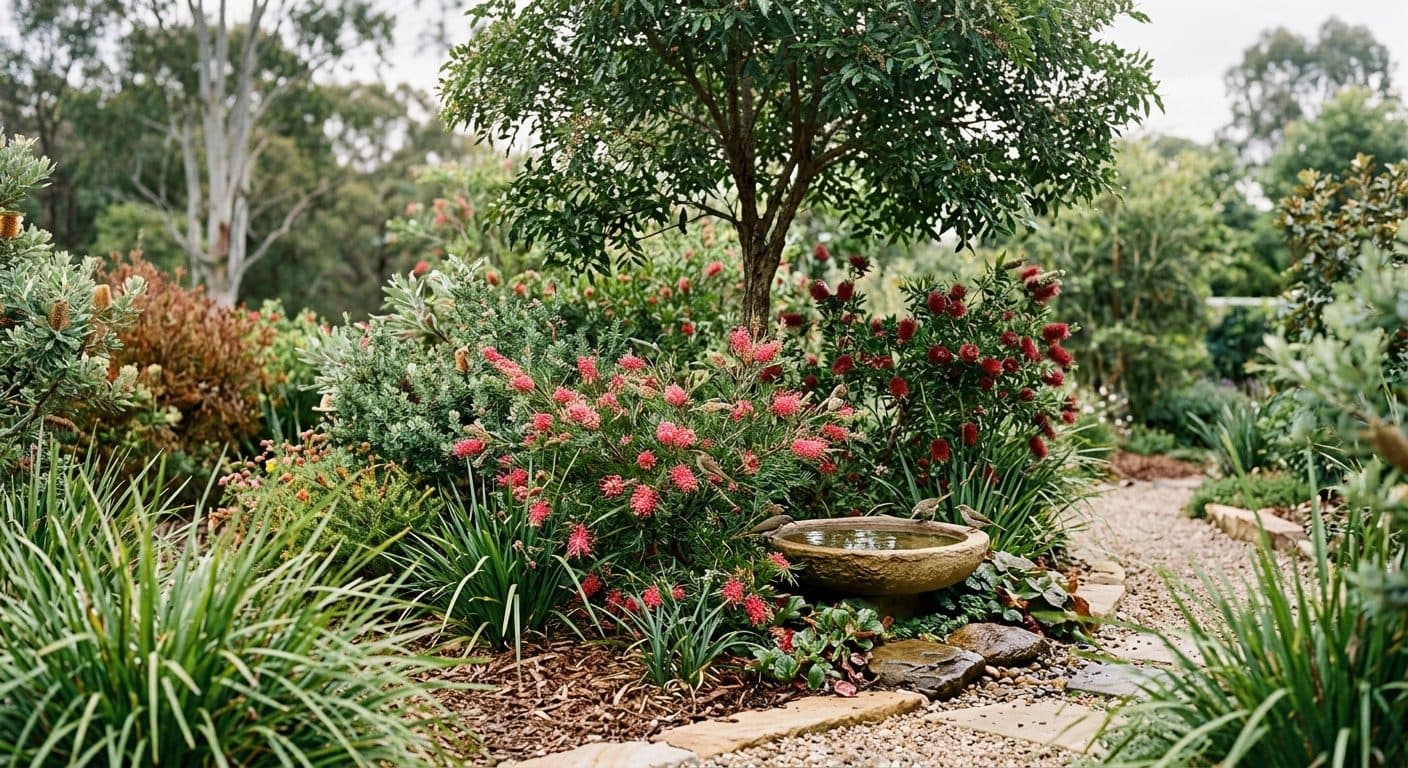
Finally, design the garden to be part of the ecosystem rather than a sealed green room. Layered, varied planting with a good backbone of natives feeds the birds and insects, and a garden full of insect life is a garden that mostly manages its own pests, which is native garden design doing its quiet work. Habitat-first thinking is where sustainability stops being about doing less harm and starts being about the garden actively adding to the street, and it's the part clients end up loving most, because it's the part that makes the garden feel alive.
None of this asks you to sacrifice the garden you want. Done properly it gives you a better one that happens to cost less to run. If that's the direction you'd like to take your block, our Design Discovery Consultation is where we start, on site, working out where the water goes and what the ground can grow.
Ready to start designing?
We're currently taking on new landscape design clients across Brisbane. Reach out for a personalised quote, whether you're a homeowner or a design professional.
Book a Free Discovery Call