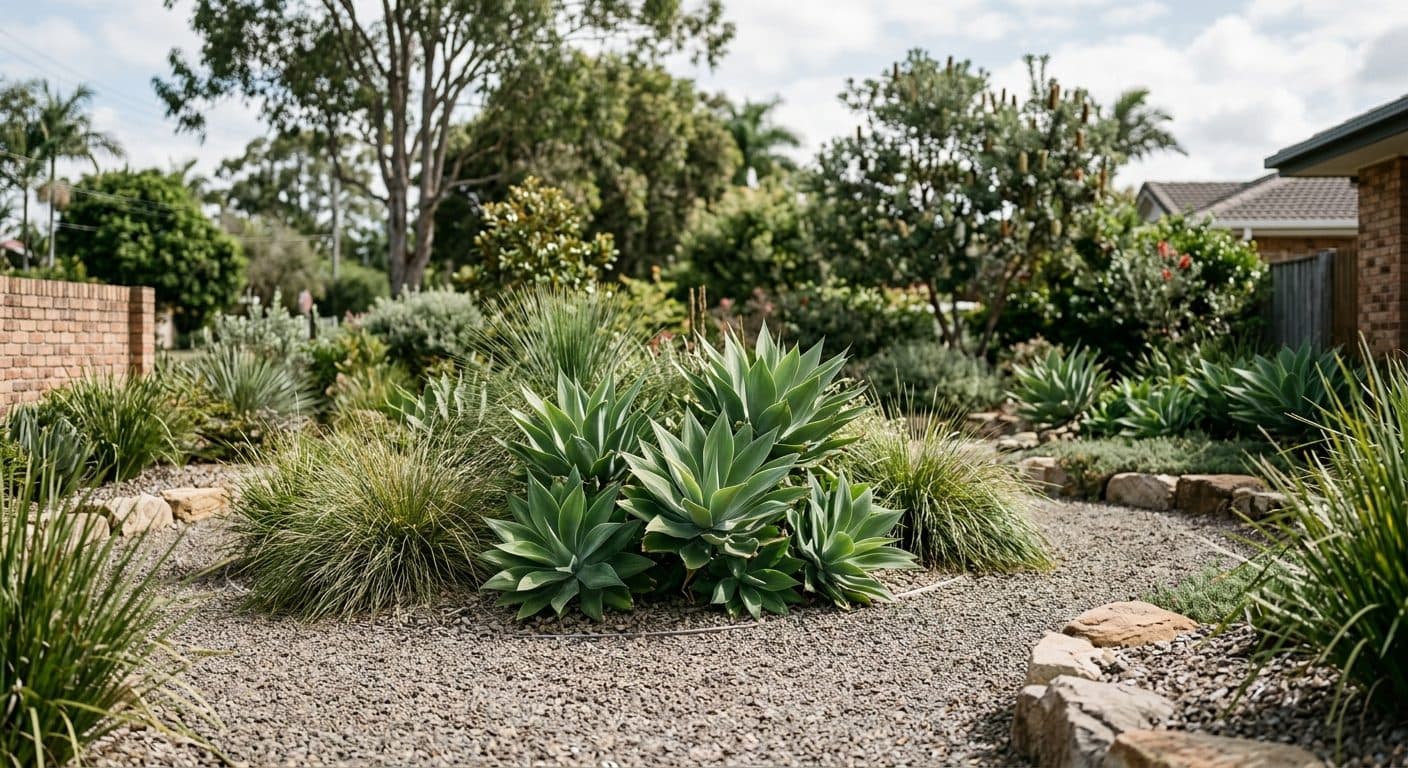
Drought tolerant plants sound simple until a Brisbane February rots half of them. Here's how I choose waterwise plants for our wet summers and long dry spells.

By Shannon Trevisiol, Landscape Designer, Brisbane · 5 min read
- Brisbane's problem isn't only drought, it's the swing: a wet, humid summer followed by long dry spells, so drainage matters as much as the species.
- Classic dry-climate succulents like agave and aloe want sharp drainage or they rot in a wet February. Give them a raised, gritty bed on a hot aspect.
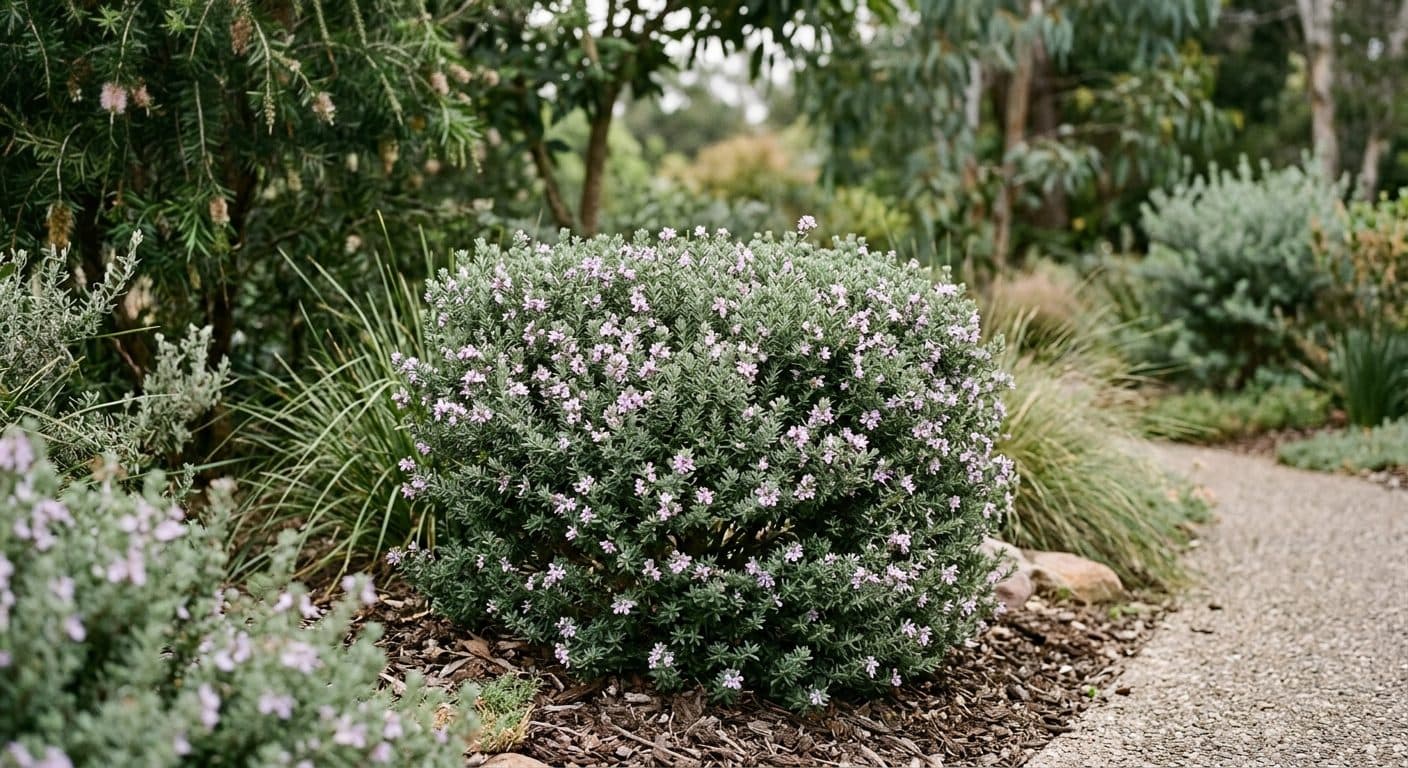
- Tougher all-rounders (lomandra, westringia, grevillea, kangaroo paw) handle both extremes and are the safer backbone for a west or north-west wall.
- Even a waterwise plant needs watering through its first summer or two, and grouping plants by water need saves you hand-watering the whole garden for a few thirsty features.
Drought tolerant plants get asked for a lot in Brisbane, usually after a summer of water restrictions or the first time someone stands on their west-facing courtyard at three in the afternoon and realises the pavers are radiating heat like a griddle. The request is sensible, but the phrase hides a catch that trips up more gardens than any pest does. We don't have a dry climate here, we have a swinging one, and a lot of the plants sold as tough for hot spots come from places that are dry all year, not places that cop a humid, sodden February on top of a long spring drought. Choose for one half of that pattern and you lose plants to the other. So here is how I actually pick waterwise plants for Brisbane, and why drainage and aspect end up mattering as much as the name on the label.
The real catch with "drought tolerant" here
Our year runs wet then dry, not dry then drier. Summer, roughly December to February, arrives warm and humid with storms that dump a month of rain in an afternoon, and then the tap tends to turn off through winter and into a hot, rainless spring. A classic Mediterranean or desert plant is built to bake and drink hard and bake again, so it can sail through our dry spells and then quietly rot at the crown when the ground stays wet and warm for a week in February. The plant didn't die of drought, it died of the opposite, and that is the single most common way a well-meaning waterwise bed comes undone in this city.
Which is why drainage does half the work. On a heavy clay block, water sits, and the very plants people reach for to survive the dry are the ones least able to cope with wet feet. Raise the bed, cut in coarse sand and gravel, mound the soil so the crown sits proud, and suddenly a fussy succulent becomes a reliable one. Aspect does the other half: a genuinely hot, dry, west or north-west face, a driveway strip, an unshaded courtyard, is where these plants want to be, because that exposure keeps them lean and dry between rain events.
The sharp-drainage crew
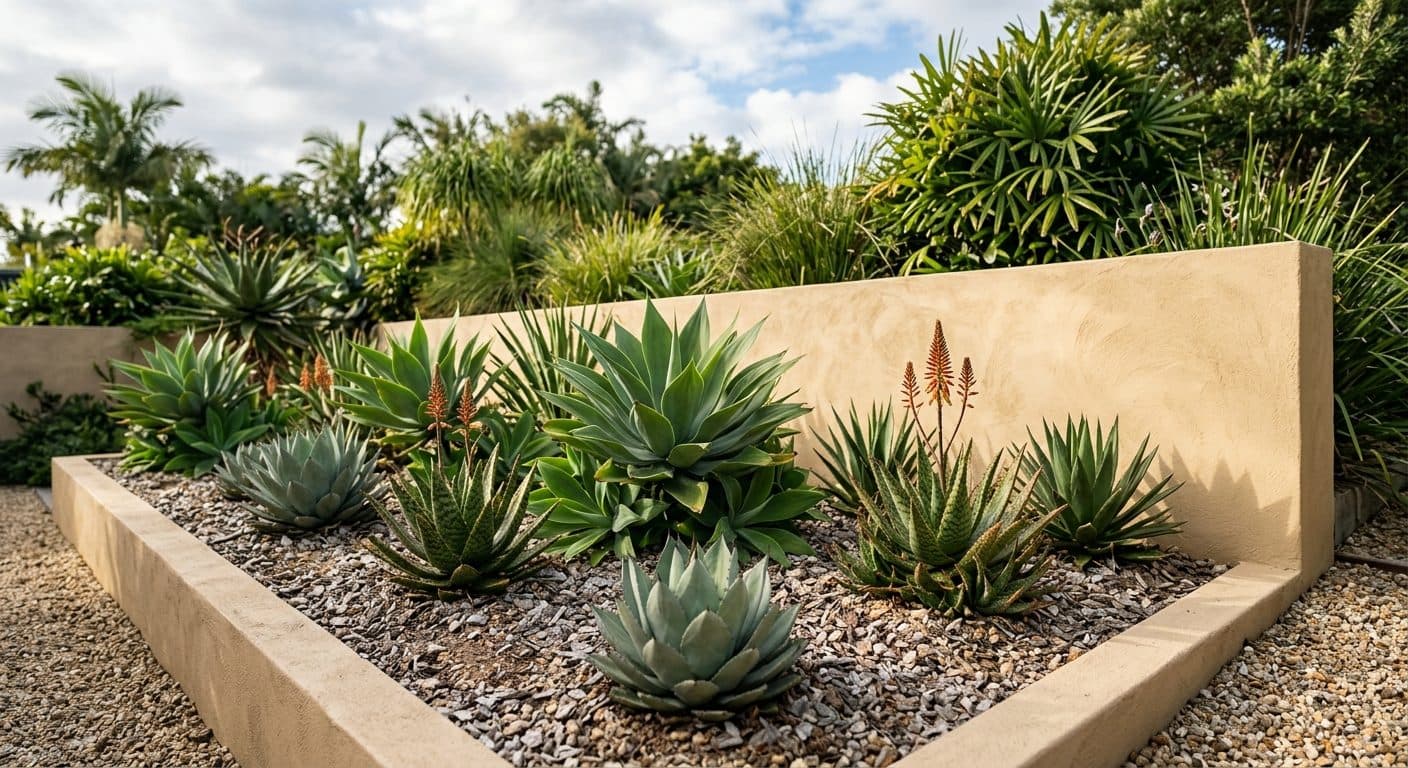
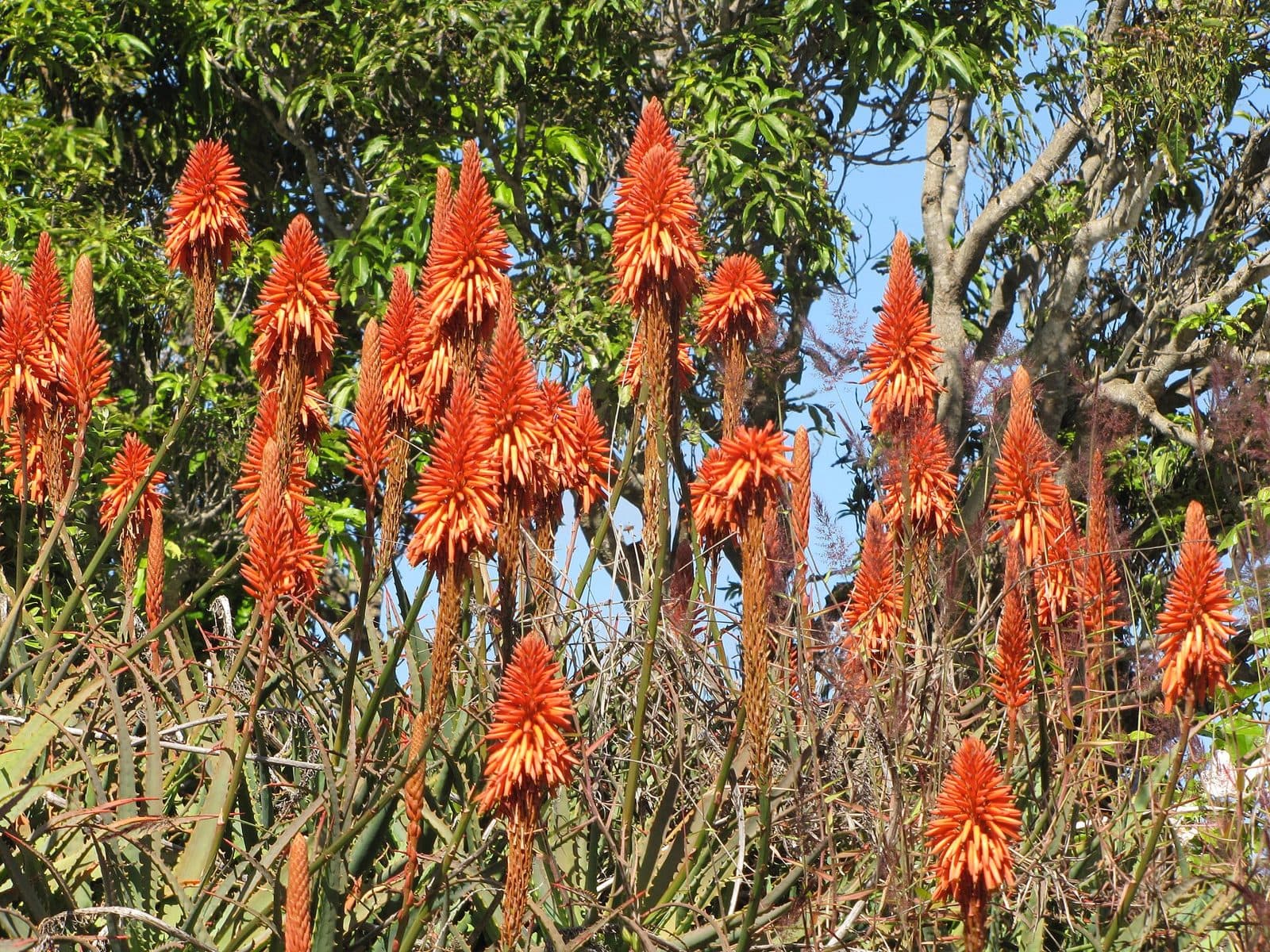
Agave (Agave) is the sculptural anchor of a hot, dry bed, and its silhouette against a rendered wall does more design work than most flowering plants manage all year. It asks one thing in return, which is drainage that never lets it sit wet, so it belongs on the mound and the sunny edge, not in the low corner where the downpipe empties. Aloe (Aloe) reads similarly and flowers through the cooler months when little else is going, feeding the honeyeaters, but the same rule applies: gritty soil, full sun, and no boggy patches. Treat both as plants for the driest, best-drained spot you have, and they earn their keep for decades. Put them in clay that stays damp and you will replace them.
The tougher all-rounders
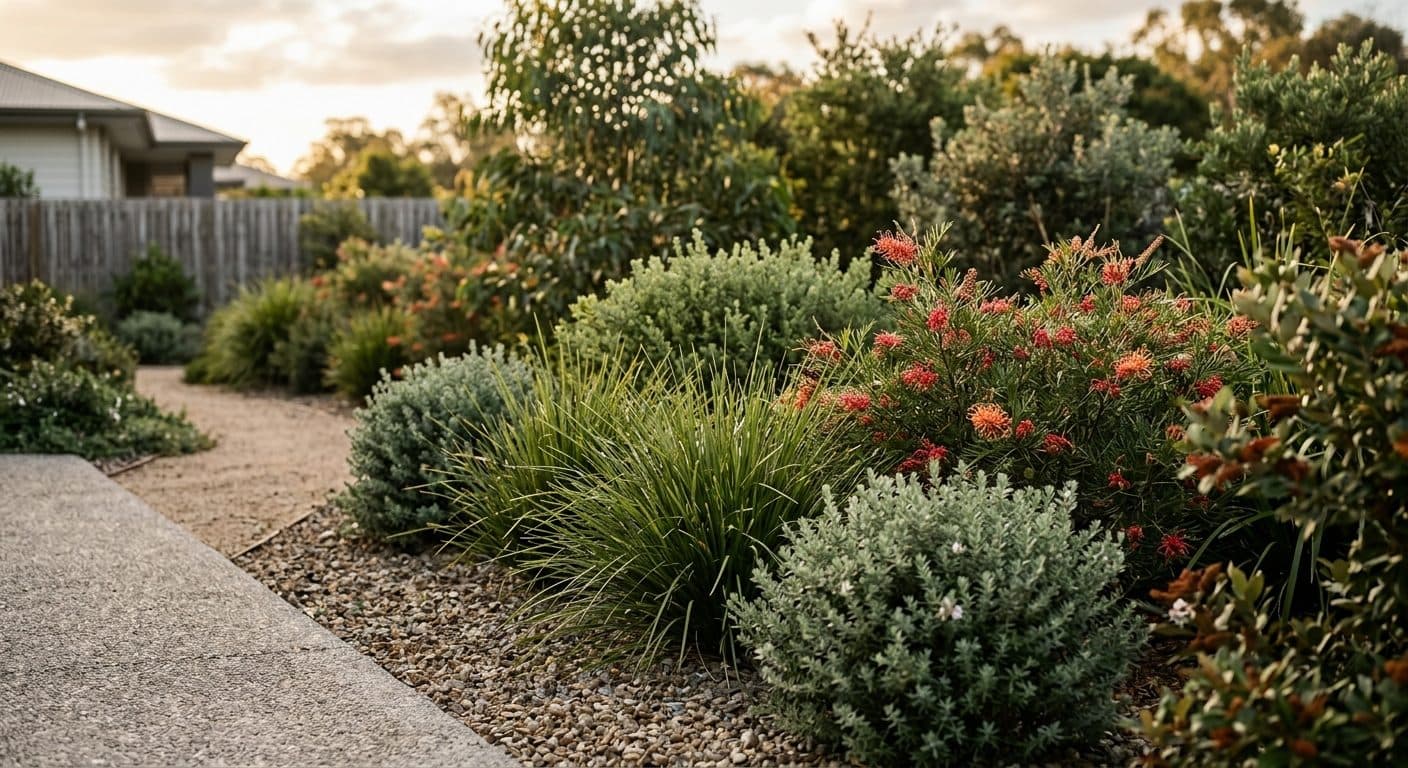
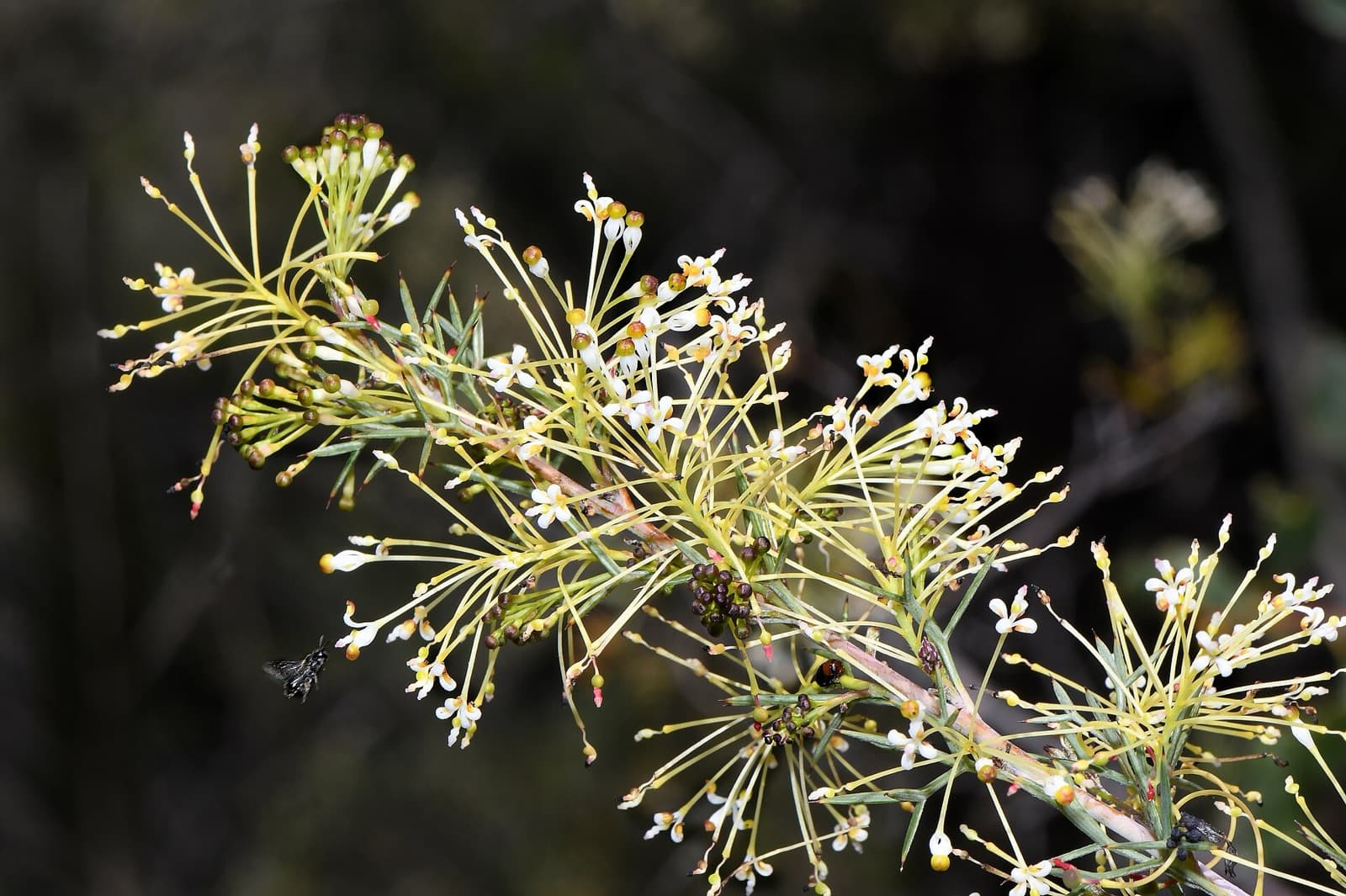
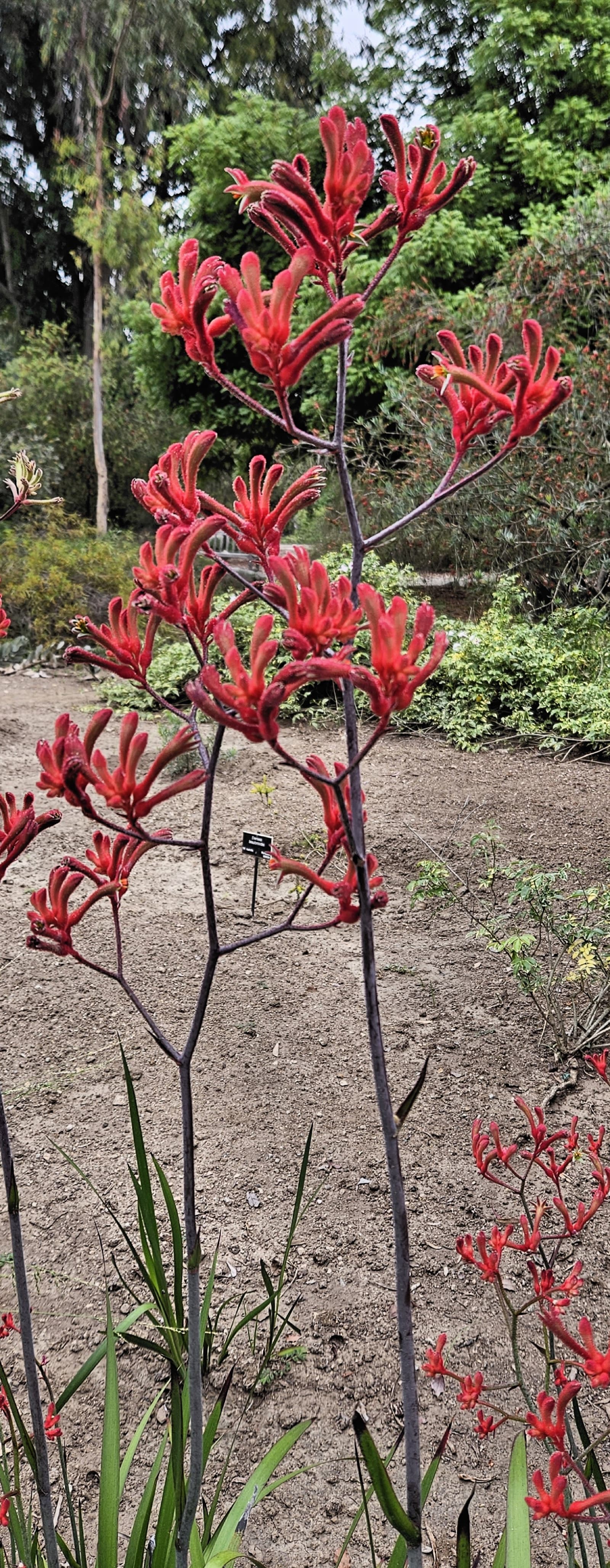
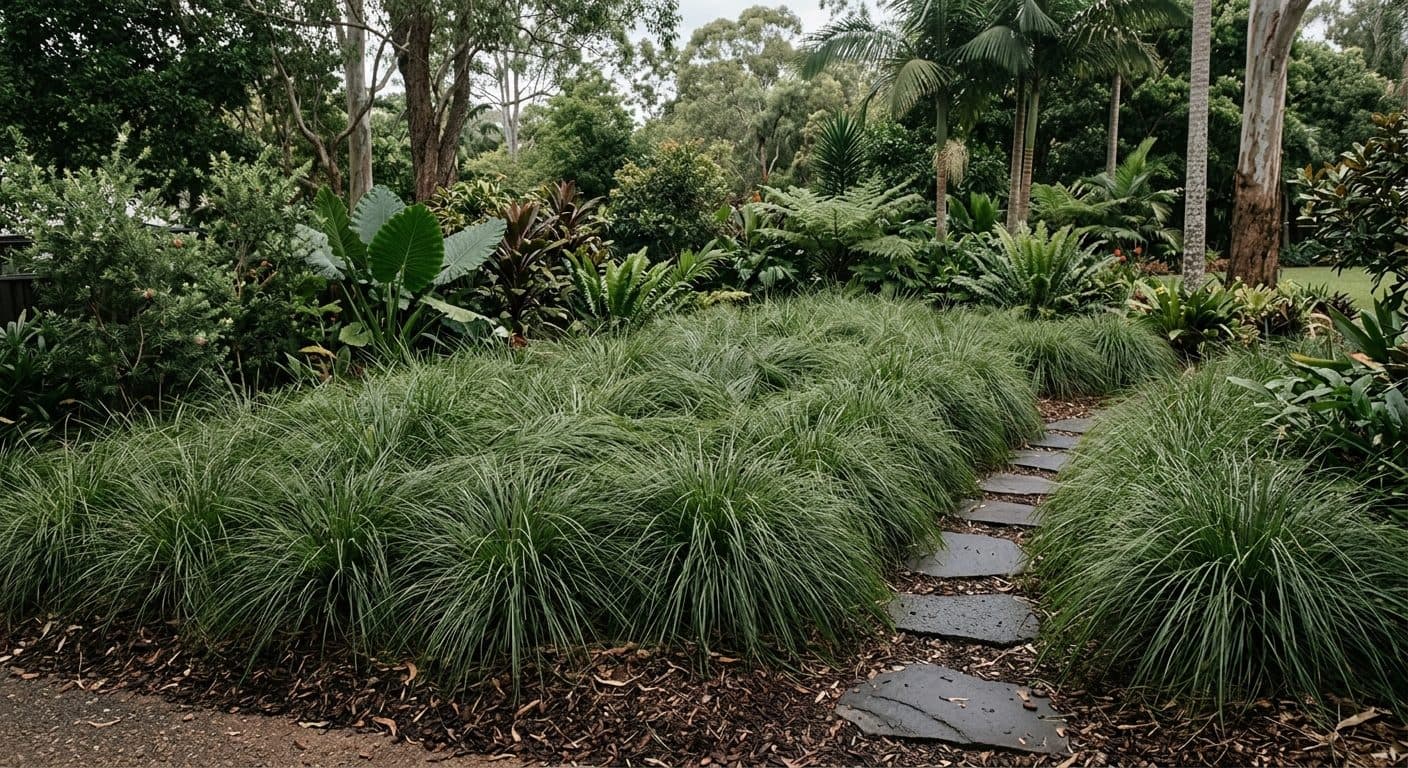
If the sharp-drainage plants are the specialists, these are the ones I lean on when a bed has to just work. Lomandra 'Tanika' (Lomandra) is about as forgiving as a plant gets, a fine-leaved grass that shrugs off both the wet summer and the dry, holds a soft mounded form without clipping, and copes with a west wall that would fry something fussier. Coastal rosemary (Westringia) makes a grey-green shrub or low hedge that laughs at wind, sun and lean soil, and it takes our humidity far better than actual Mediterranean rosemary does. Grevillea (Grevillea) brings flower and birds while staying genuinely low-water once settled, and kangaroo paw (Anigozanthos) adds vertical, bird-attracting colour that wants sun and good drainage but nothing like the fussing a succulent demands. This group is why a native garden design usually ends up being the most waterwise option going, and it is the backbone of most low-maintenance garden design I do for hot aspects.
Establishment: even tough plants drink at first
The label says drought tolerant, and it is telling the truth about a settled plant, not a new one. Roots need to reach down and out before a plant can fend for itself, and in a Brisbane summer that means watering deeply and regularly through the first season, easing off across the second, and only then leaving it to the sky. A plant put in during the dry and abandoned to prove how tough it is will usually just die tough. Worth checking current Seqwater and council rules before you plant into a dry spell, because during restrictions a watering can and hand-held hose are often still allowed when sprinklers are not, and a bucket of grey water gets a young plant through.
Group plants by how thirsty they are
The last piece is arrangement, and it is the one people skip. If you scatter three thirsty feature plants through an otherwise dry bed, you end up hand-watering the whole bed to keep those three alive, which defeats the point. Put the thirsty things together where you will water them, keep the truly waterwise crew in their own zone on the hot aspect, and the garden tells you where the hose goes. That grouping by water need is what designers call hydrozoning, and it is quietly the most water it will ever save you.
Getting the drainage, the aspect and the grouping right is exactly the sort of thing worth walking through on site, which is what a Design Discovery Consultation is for, and if you want to go deeper on the palette itself my guide to the best plants for Brisbane gardens sorts the rest by the job each plant does.
Ready to start designing?
We're currently taking on new landscape design clients across Brisbane. Reach out for a personalised quote, whether you're a homeowner or a design professional.
Book a Free Discovery Call