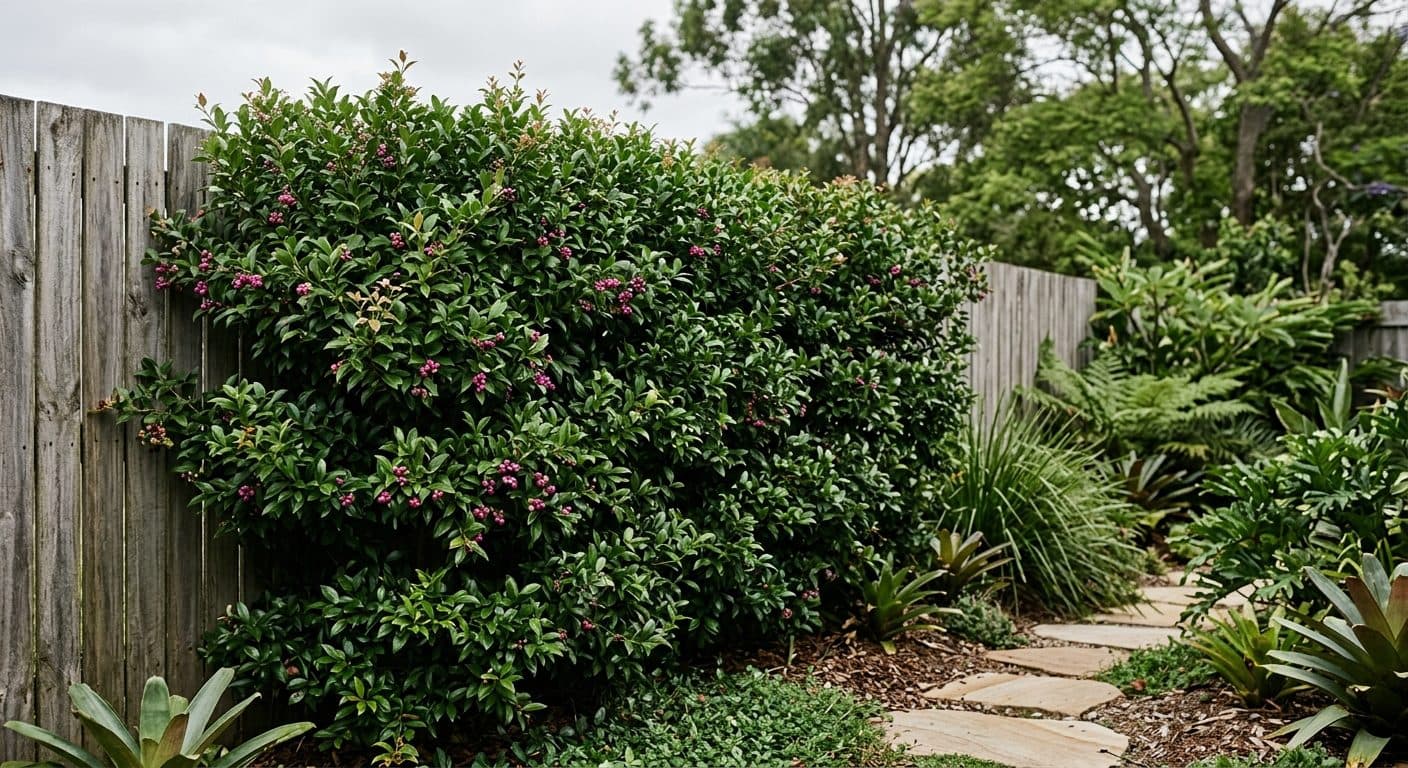
Privacy is the most common brief in Brisbane. Here's how I choose screening plants that stay dense, suit narrow beds and never outgrow the job.

By Shannon Trevisiol, Landscape Designer, Brisbane · 5 min read
- Fast never stops being fast: a plant that races to the fence line keeps racing, and every extra metre comes off with the trimmers.
- The cultivar matters more than the label, especially with lilly pillies, where psyllid-resistant forms save you years of blistered foliage.
- In narrow beds, choose columnar screens and avoid vigorous, pipe-seeking trees like Ficus 'Flash'.
- A layered screen beats a single clipped hedge: it blocks the sightline that matters and shrugs off the loss of one plant.
Privacy is the most common brief I hear in Brisbane, and no wonder, because the suburbs are filling in and the block next door that held one lowset house now holds two storeys and a deck with a clear view of yours. The right screening plants solve it, but the way most people buy them, which is fast, tall and whatever the nursery had that Saturday, is how you end up owning the wrong hedge for twenty years. Here's how I choose screening plants for Brisbane gardens, and the traps worth knowing before you dig.
The fast-growing trap
Everyone asks for fast-growing screening plants, which is fair enough when the neighbour's window is already built and looking straight in. The catch is that fast never stops being fast. A plant that puts on two metres a year to reach the fence line keeps trying to put on two metres a year once it arrives, except now every one of those metres comes off with hedge trimmers, and you're the one holding them. I'd rather specify plants that are quick enough to matter, dense by habit and inclined to stop near the height you actually need, which makes for a duller shopping list and a far better garden.
The workhorses, by situation
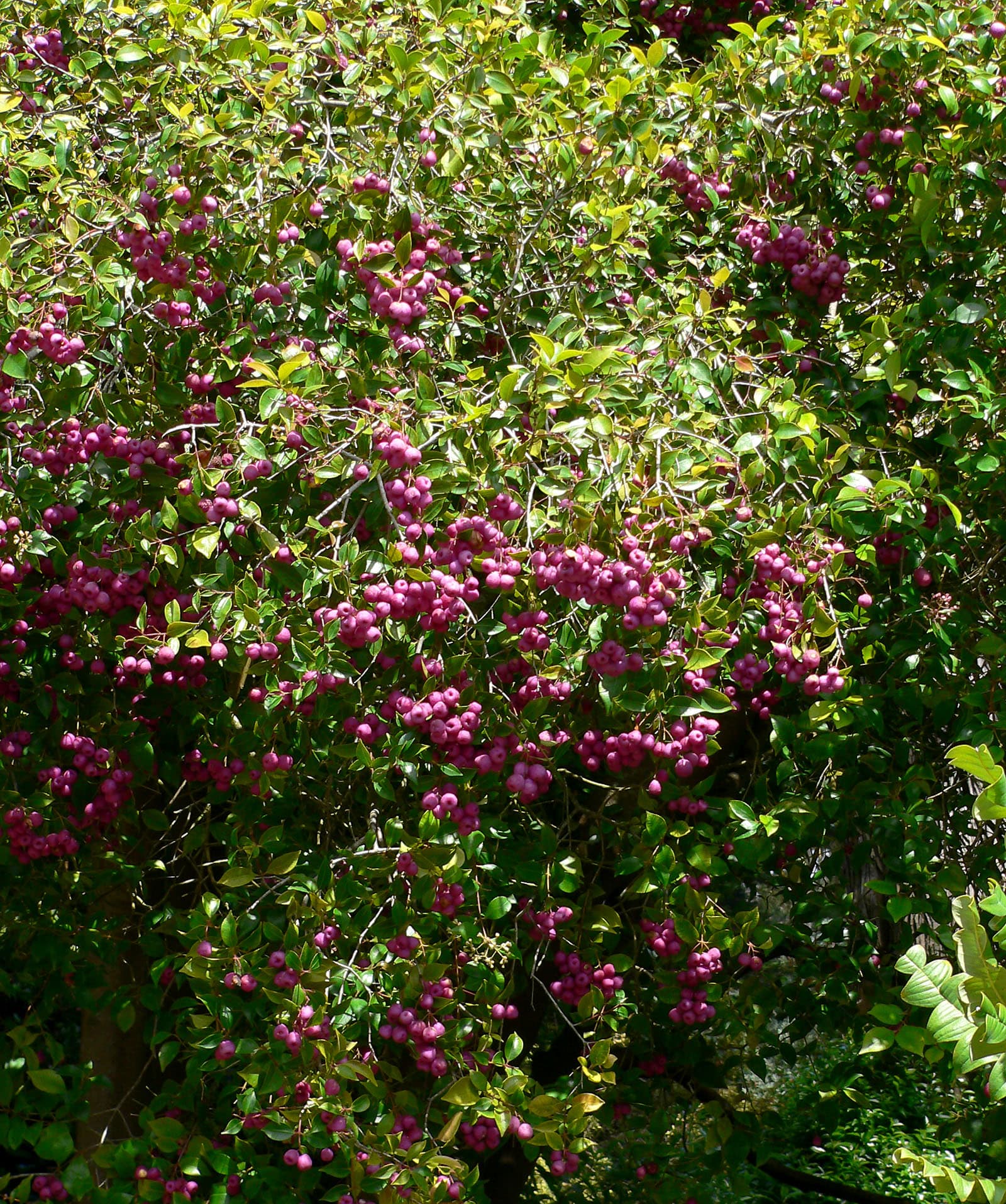
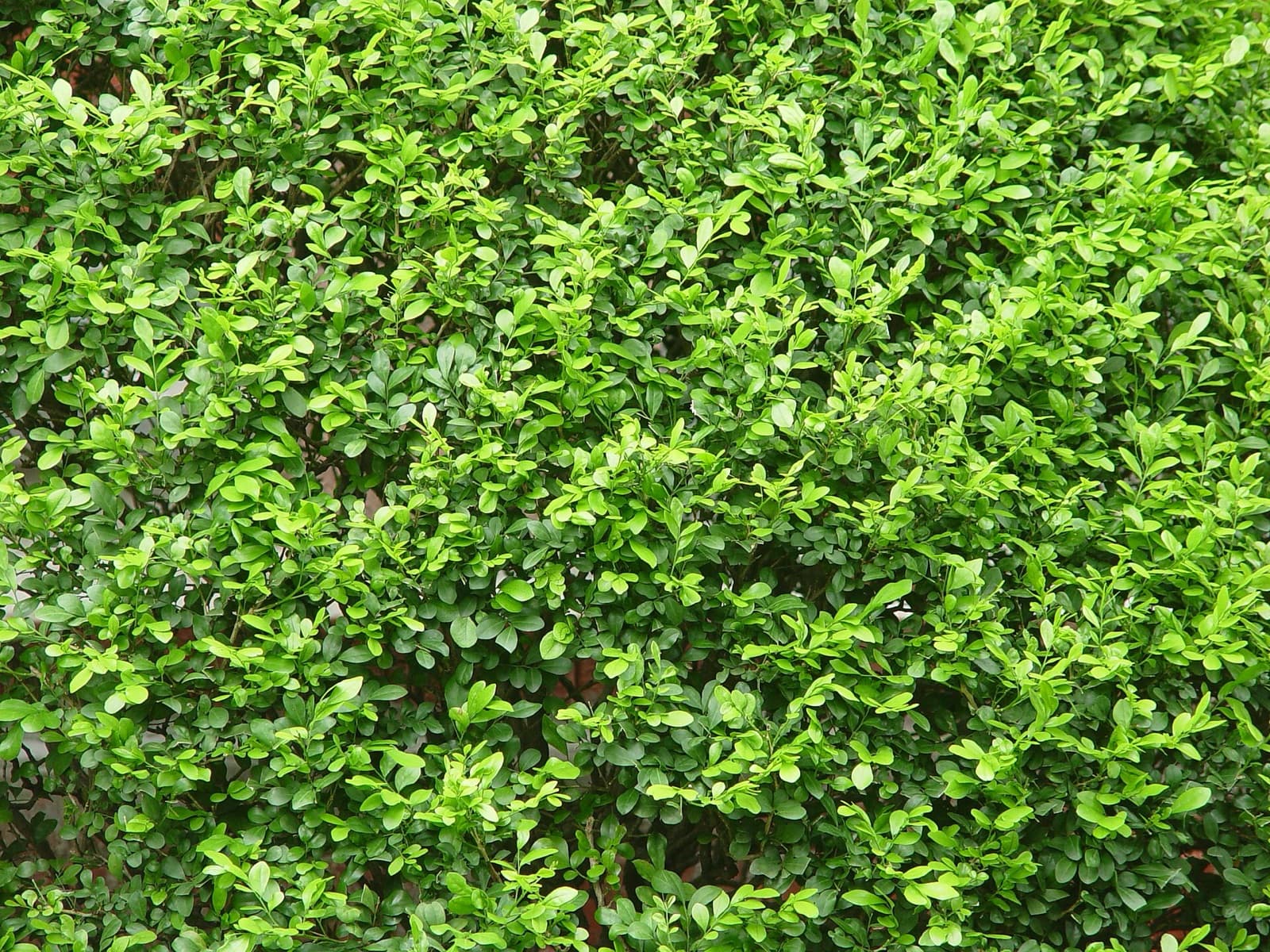
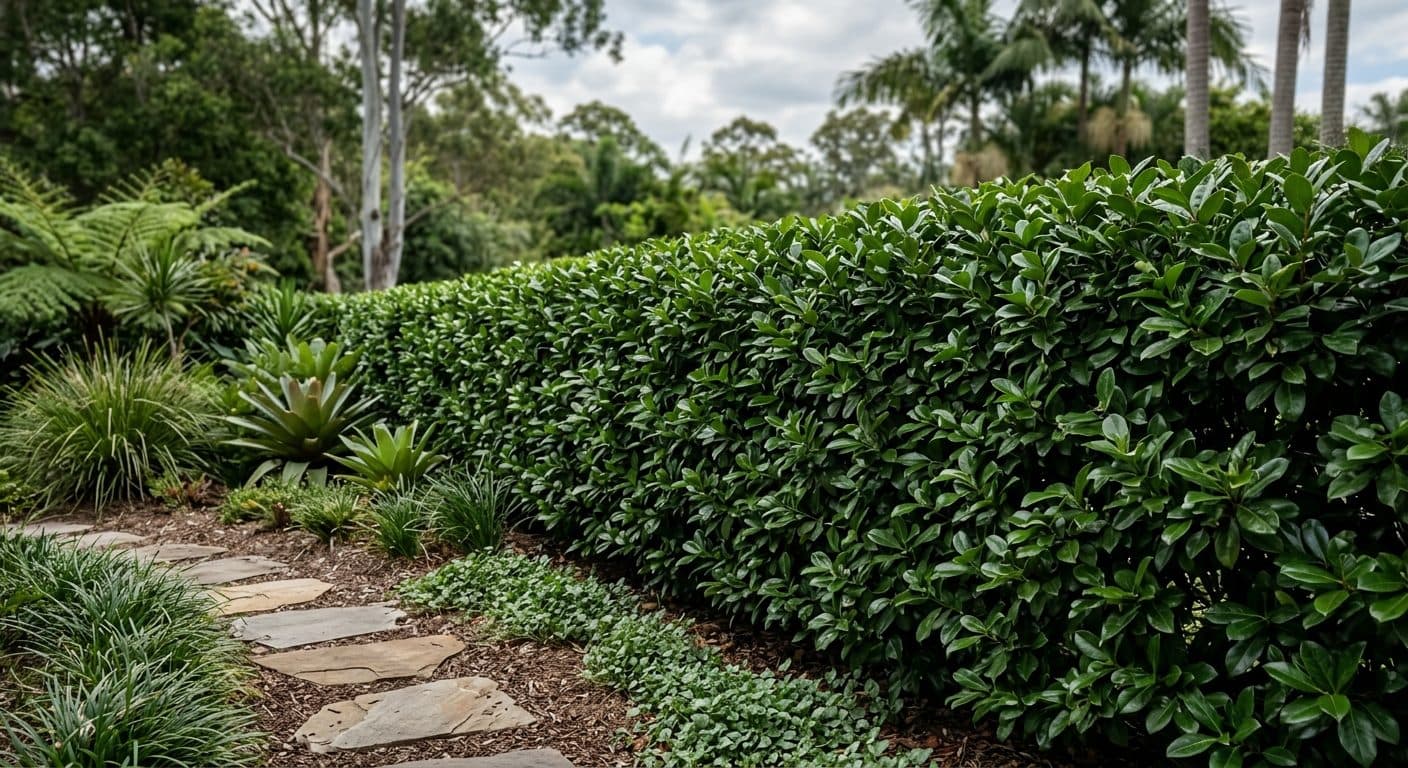
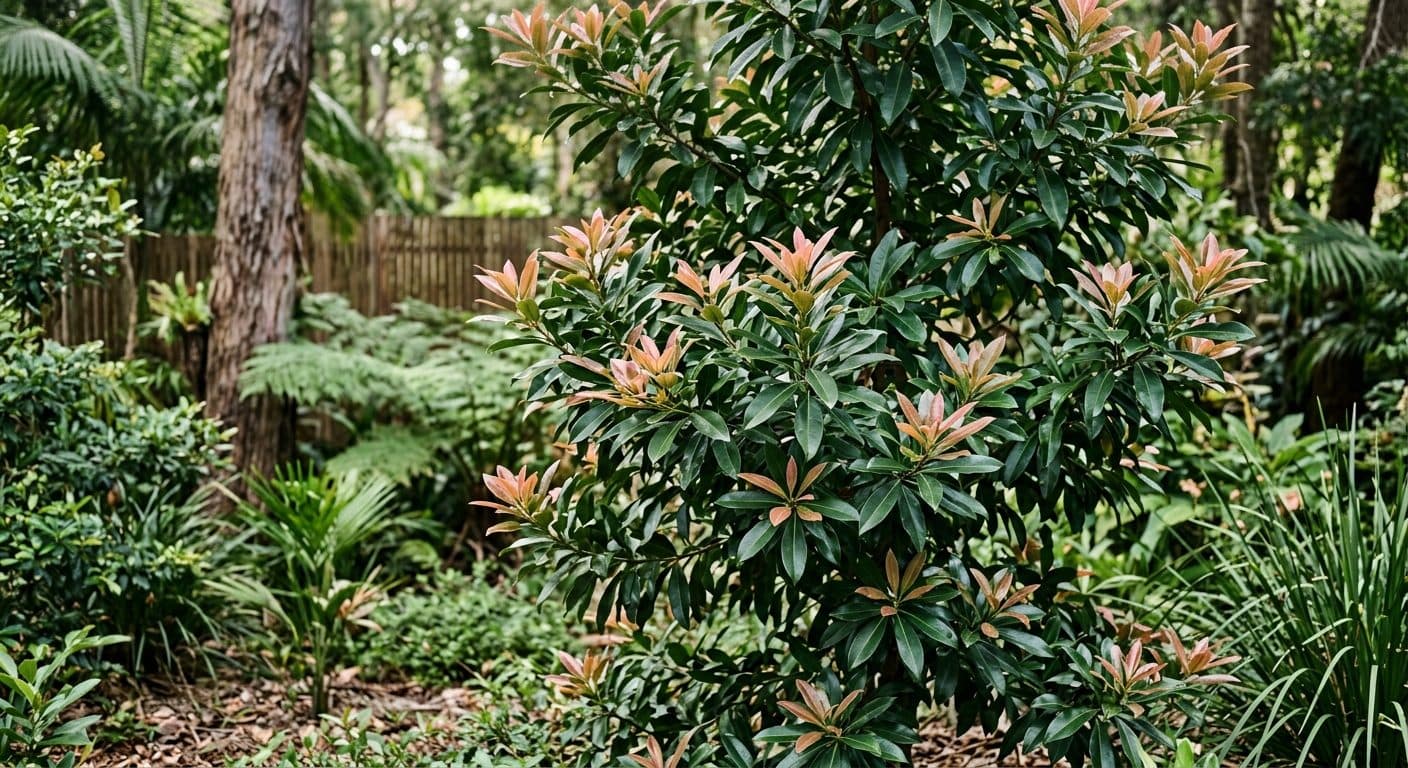
Lilly pillies are Brisbane's default screen for good reason, though the cultivar matters more than the label. Older Syzygium australe selections are a buffet for pimple psyllid, the insect that turns fresh growth into bumpy, blistered leaves, so I look to resistant forms like 'Resilience' or step across to Syzygium smithii, which the psyllids largely leave alone. Murraya deserves an honest appraisal: it clips into a dense, glossy hedge and its orange-blossom perfume on a warm evening is genuinely lovely, but it's also one of the most planted hedges in the city, it wants water in dry spells to hold its shine, and older seeding forms can self-sow into bushland, which matters if you back onto any.
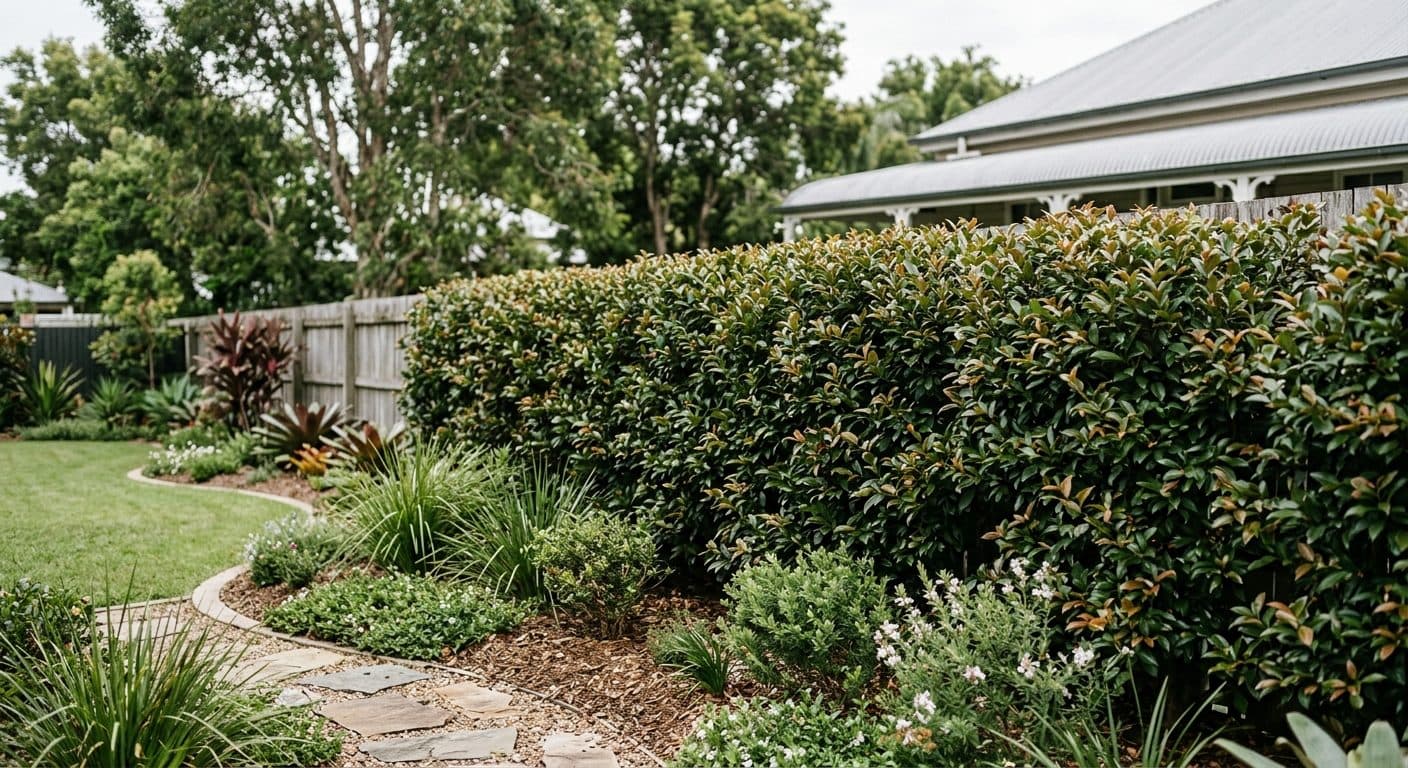
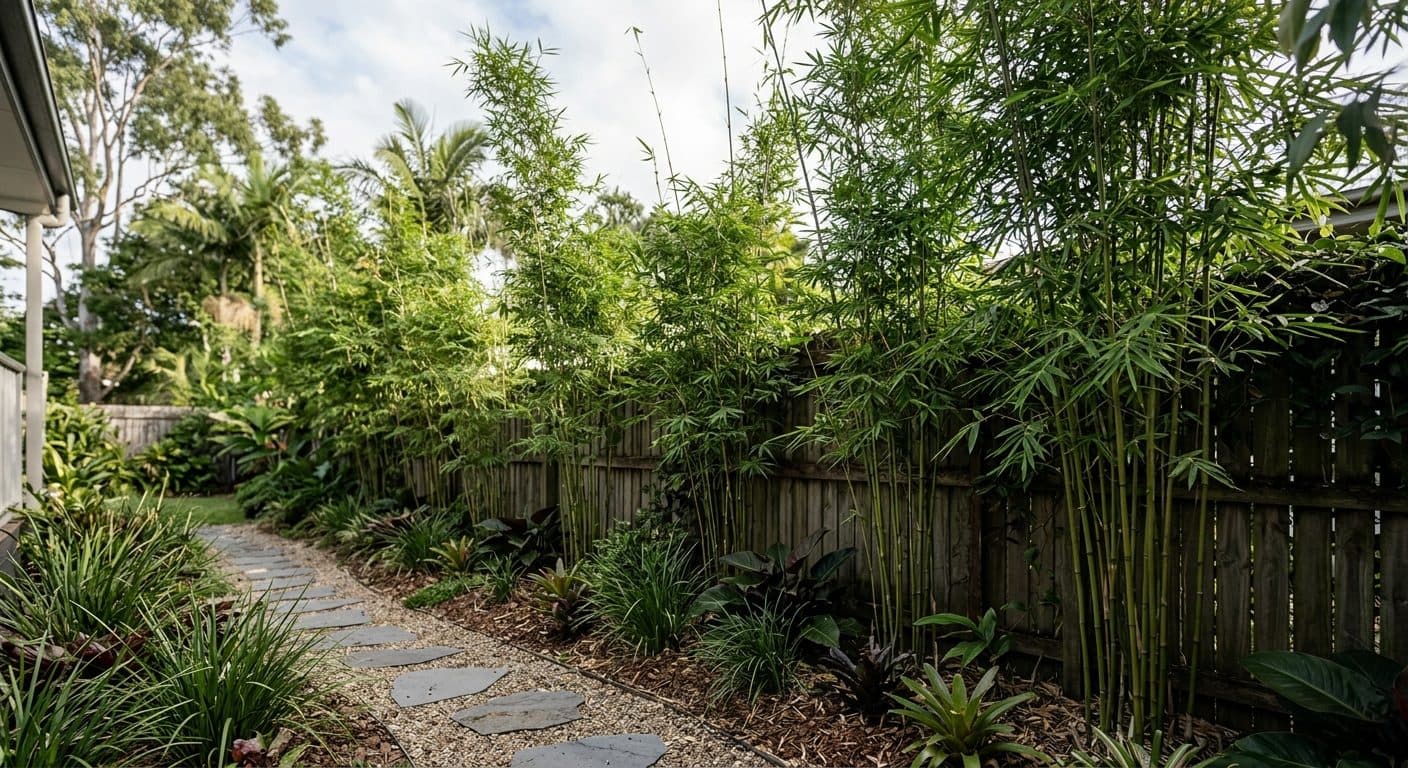
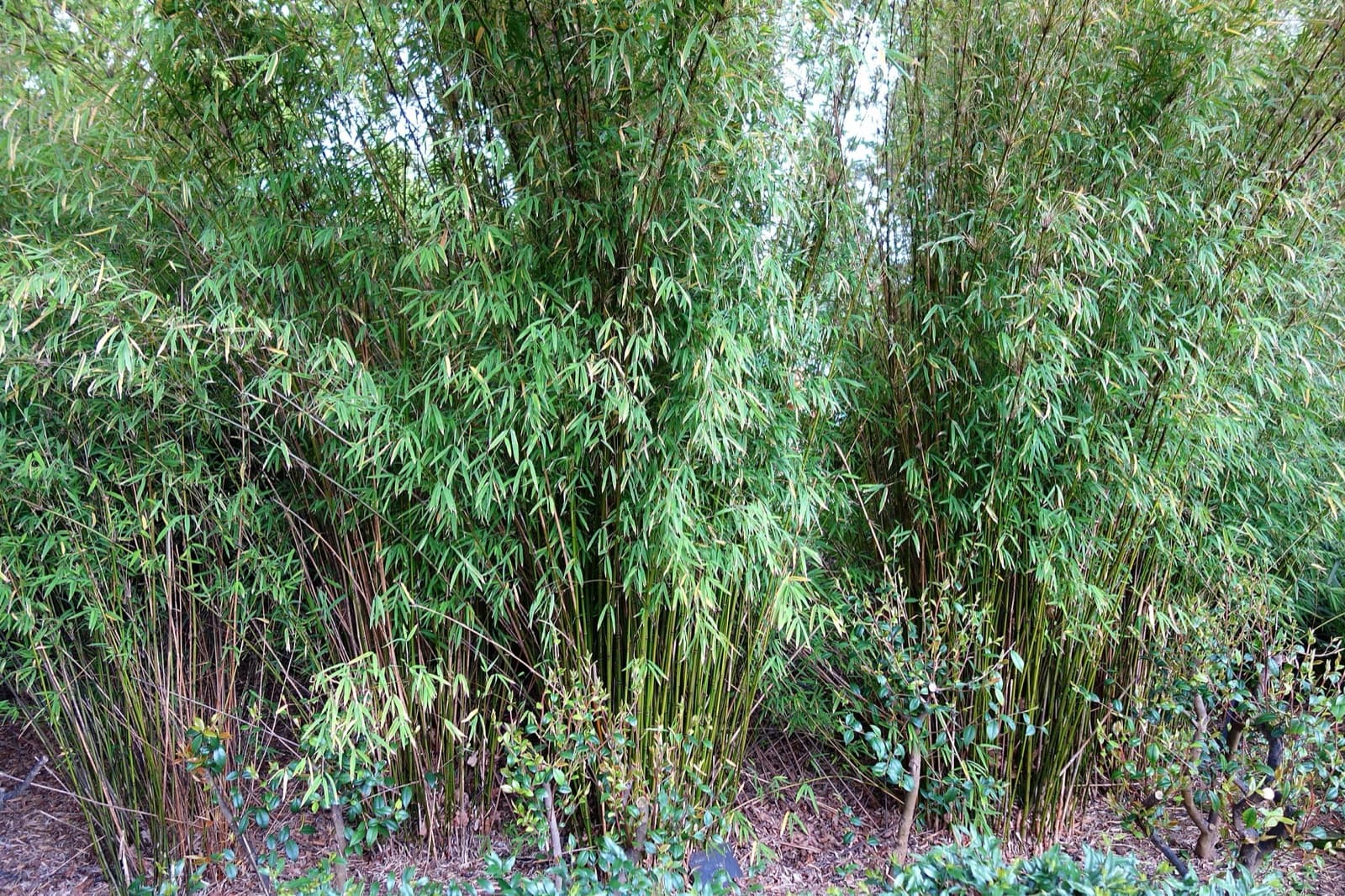
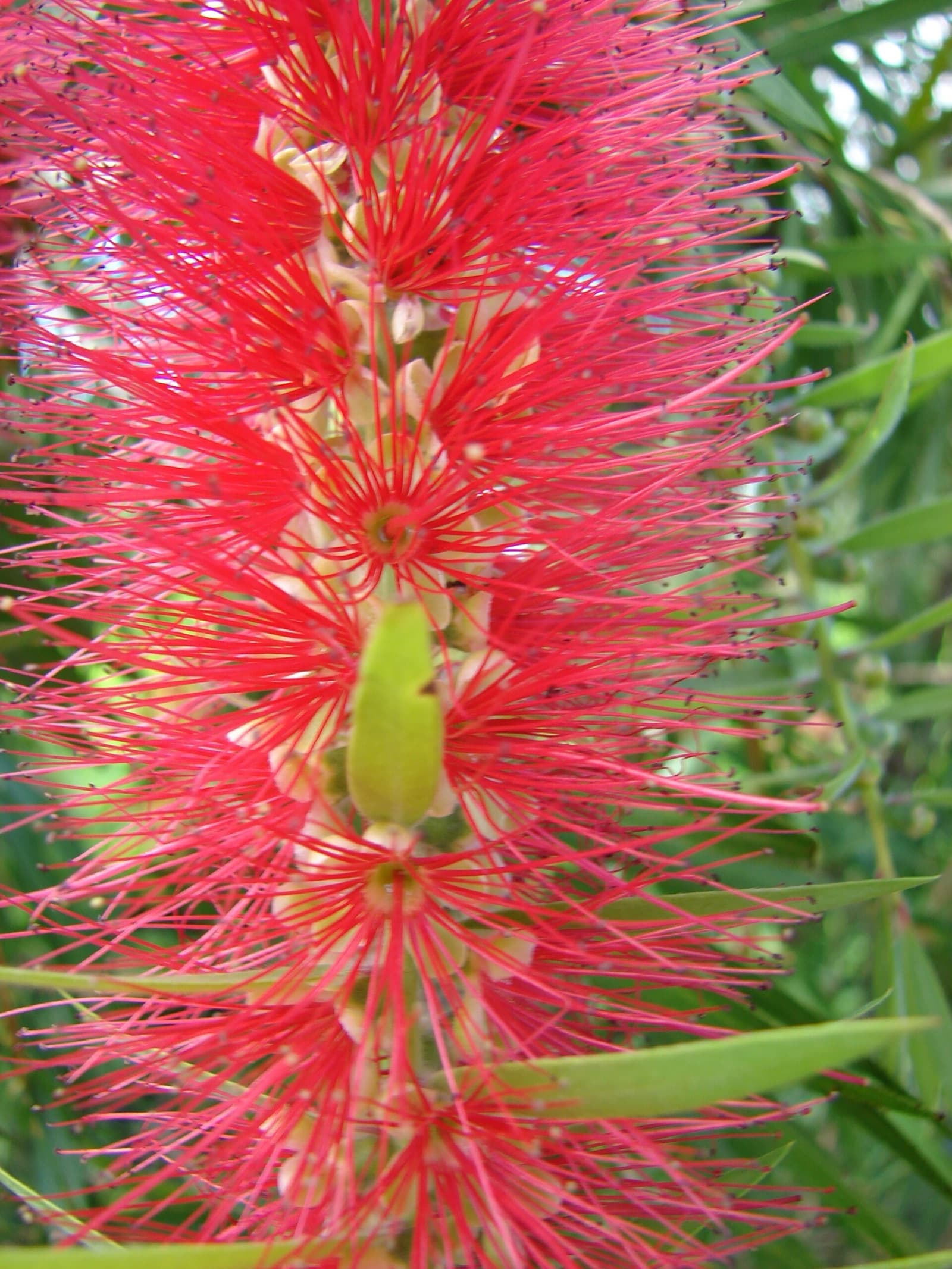
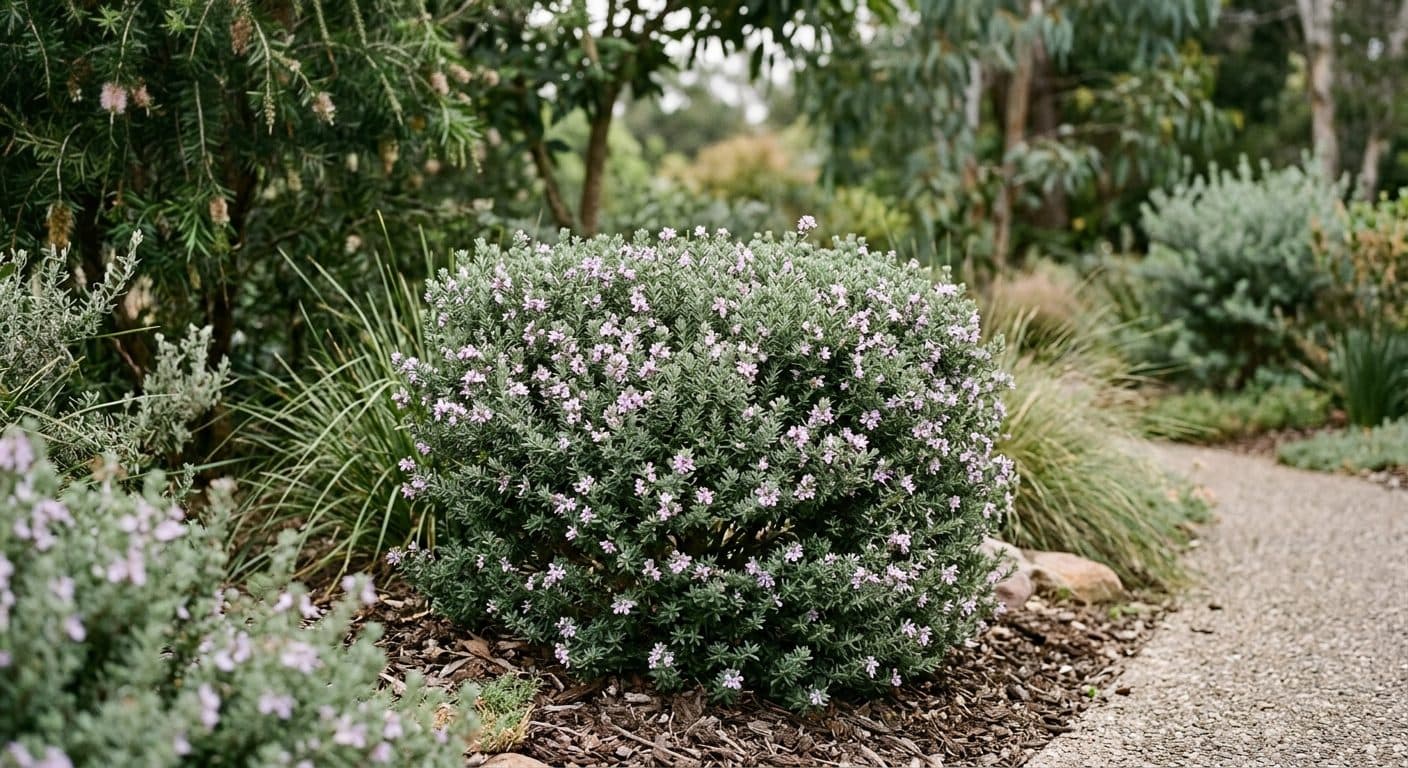
For a tall screen from a narrow bed, slender weavers bamboo is the quiet hero. Clumping bamboo stays in its clump, and that distinction is everything, because the running kinds are a different animal with no place in a suburban garden. Among the natives, westringia cultivars like 'Naringa' make a tough hedge to around two metres that barely notices coastal wind, while callistemons build looser three-to-four-metre screens and bring the honeyeaters with them.
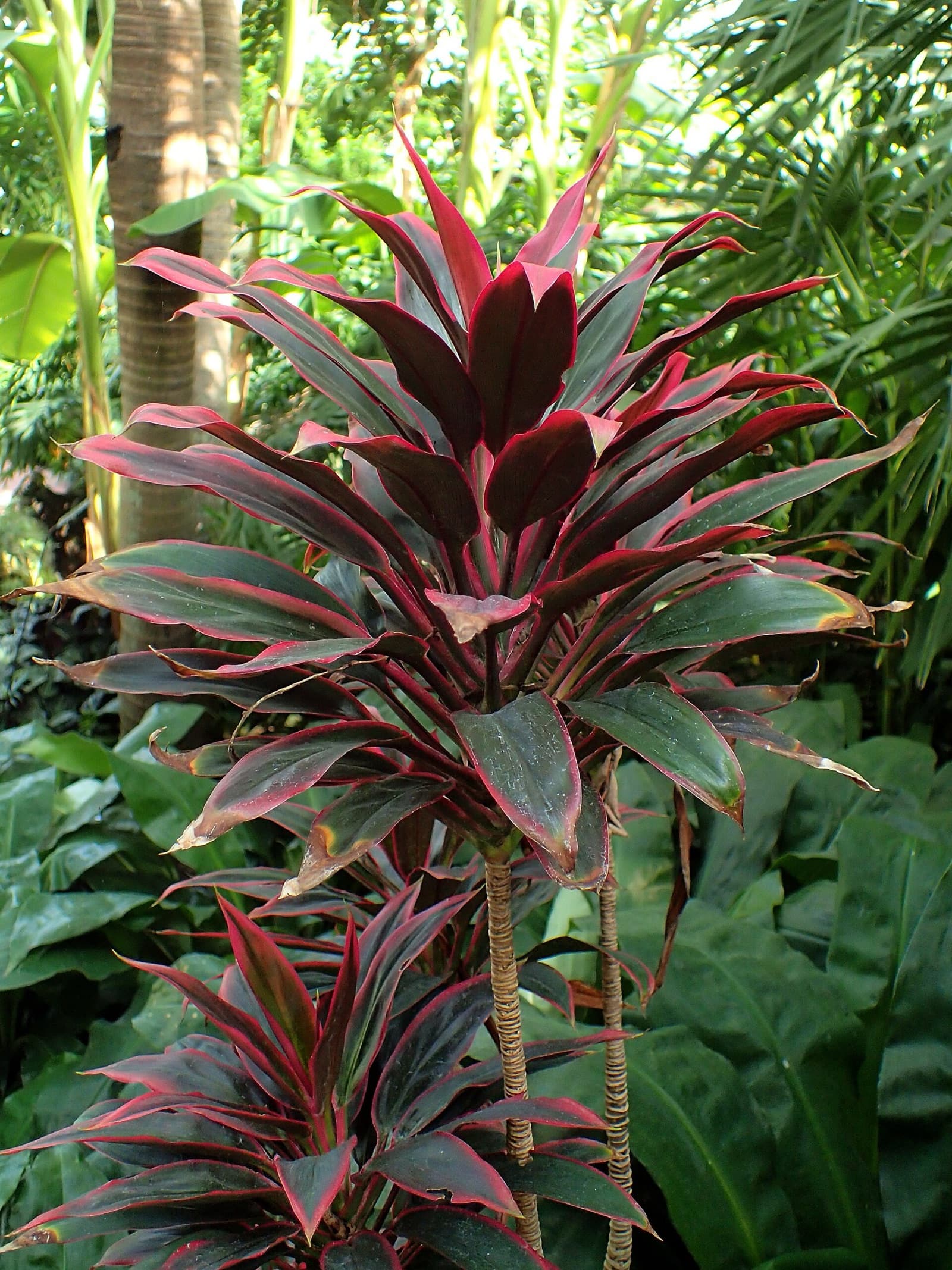
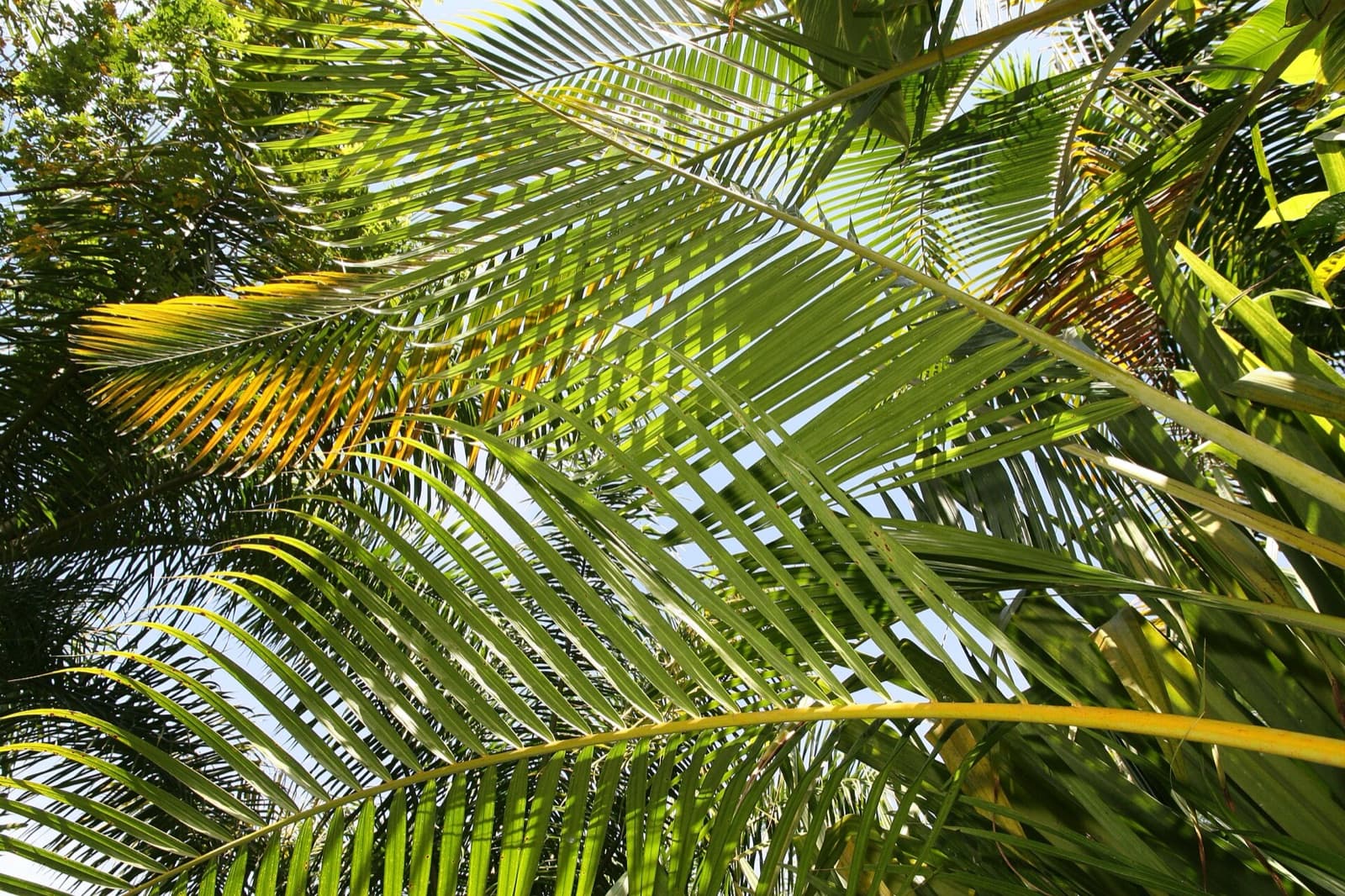
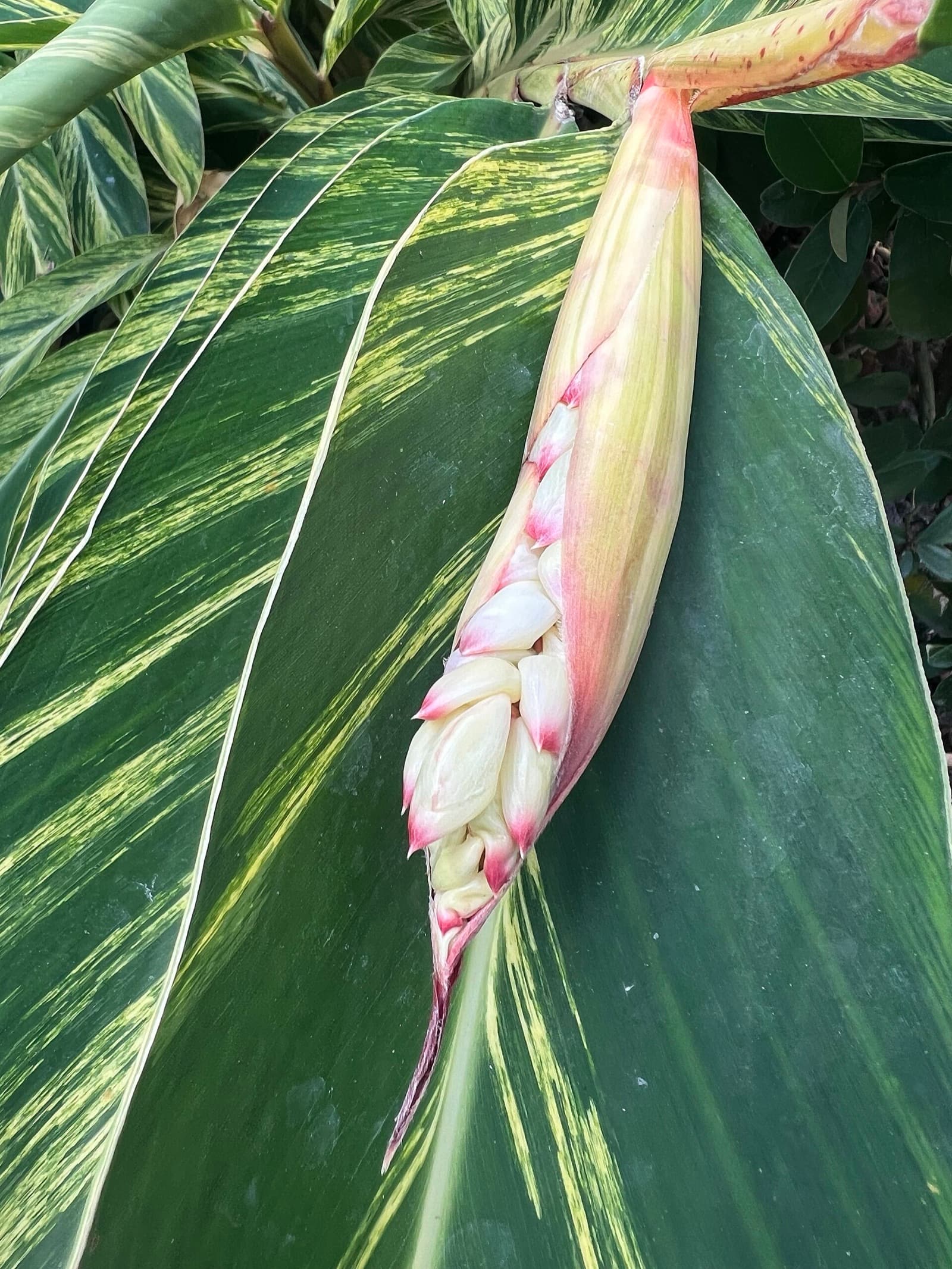
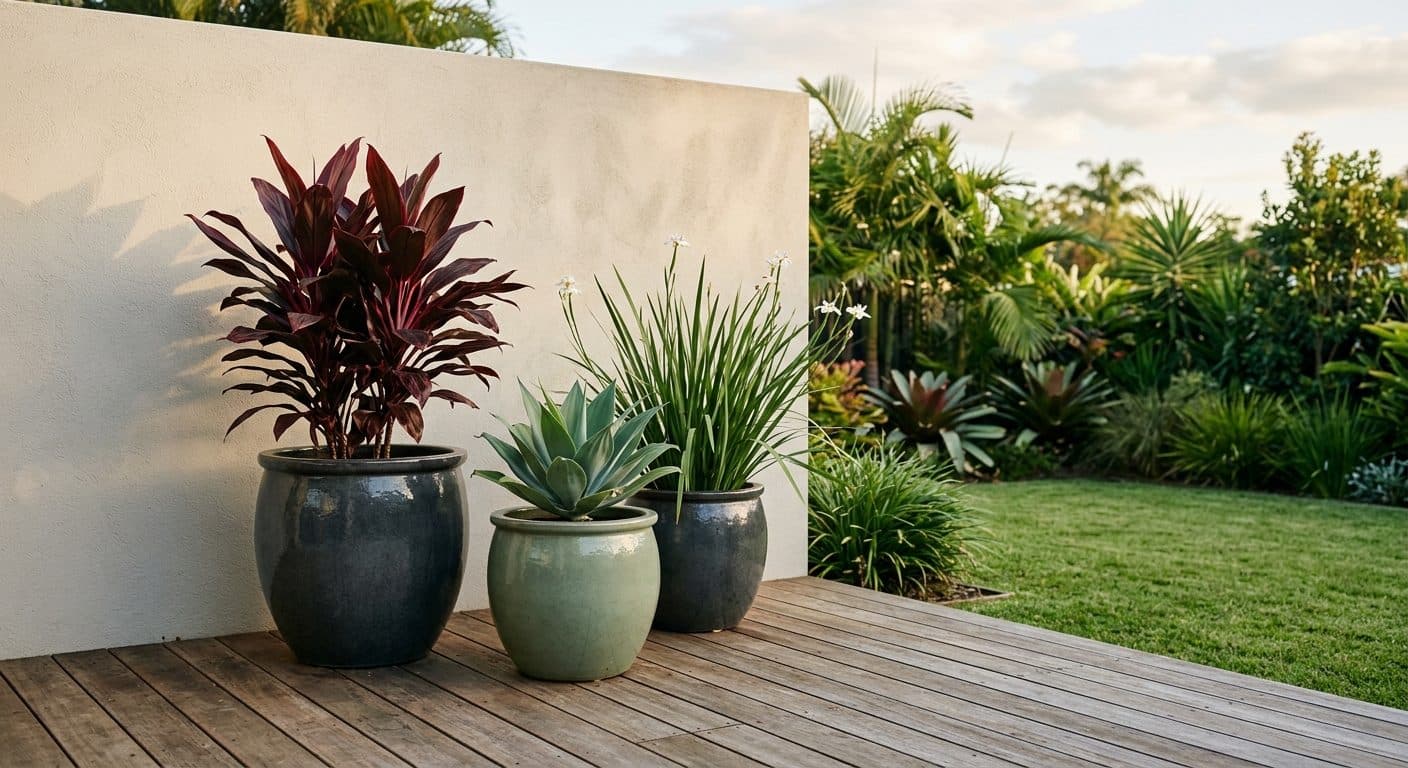
If you're chasing the lush resort look, golden cane palms remain the classic Brisbane pool screen, with the caveat that they're thirsty and the clumps widen every year. A layered mix of cordylines, native gingers and broad-leafed shrubs gives the same feeling with more texture, and my tropical garden design page covers that world properly.
Narrow spaces and skinny screens
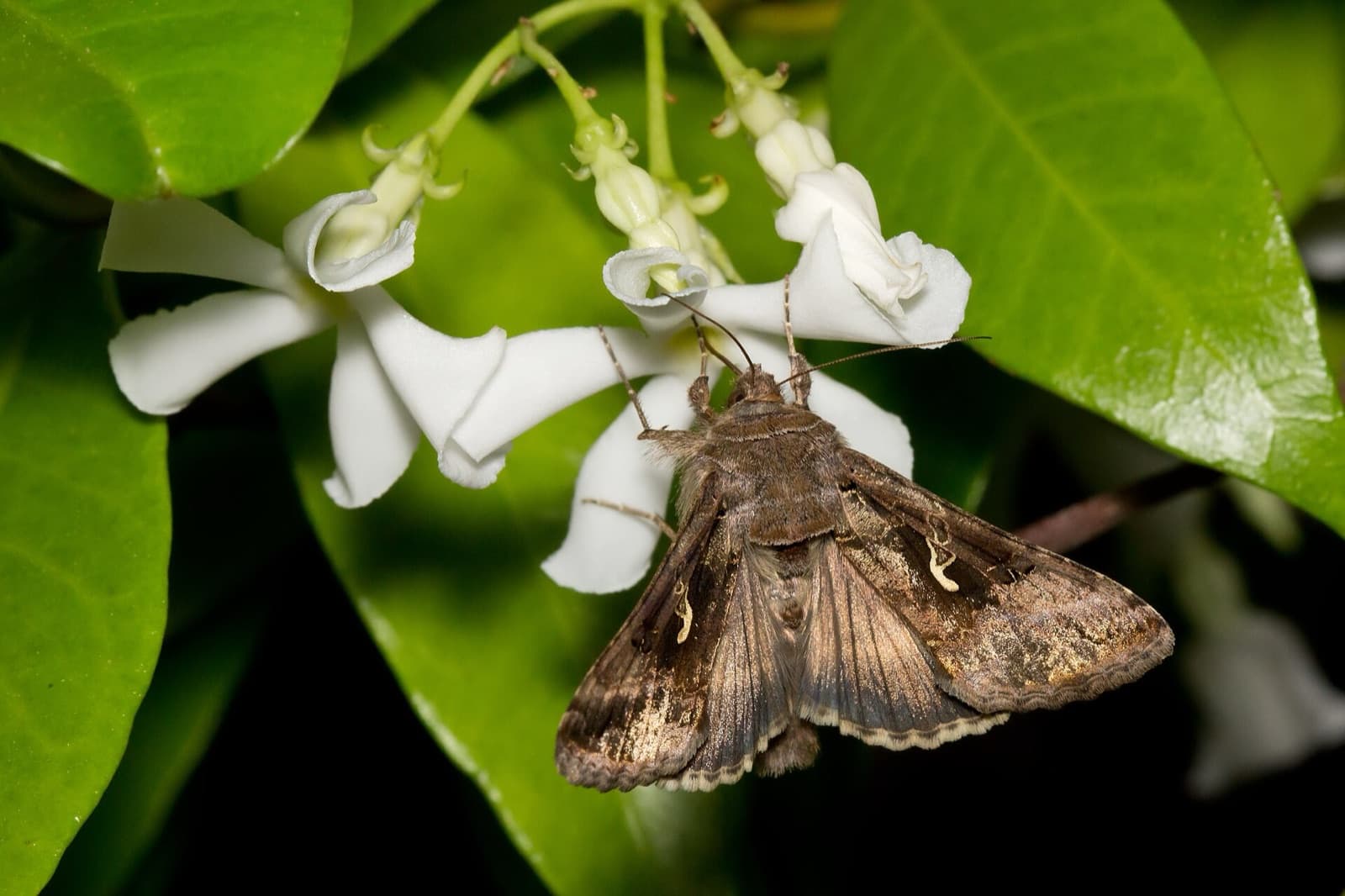
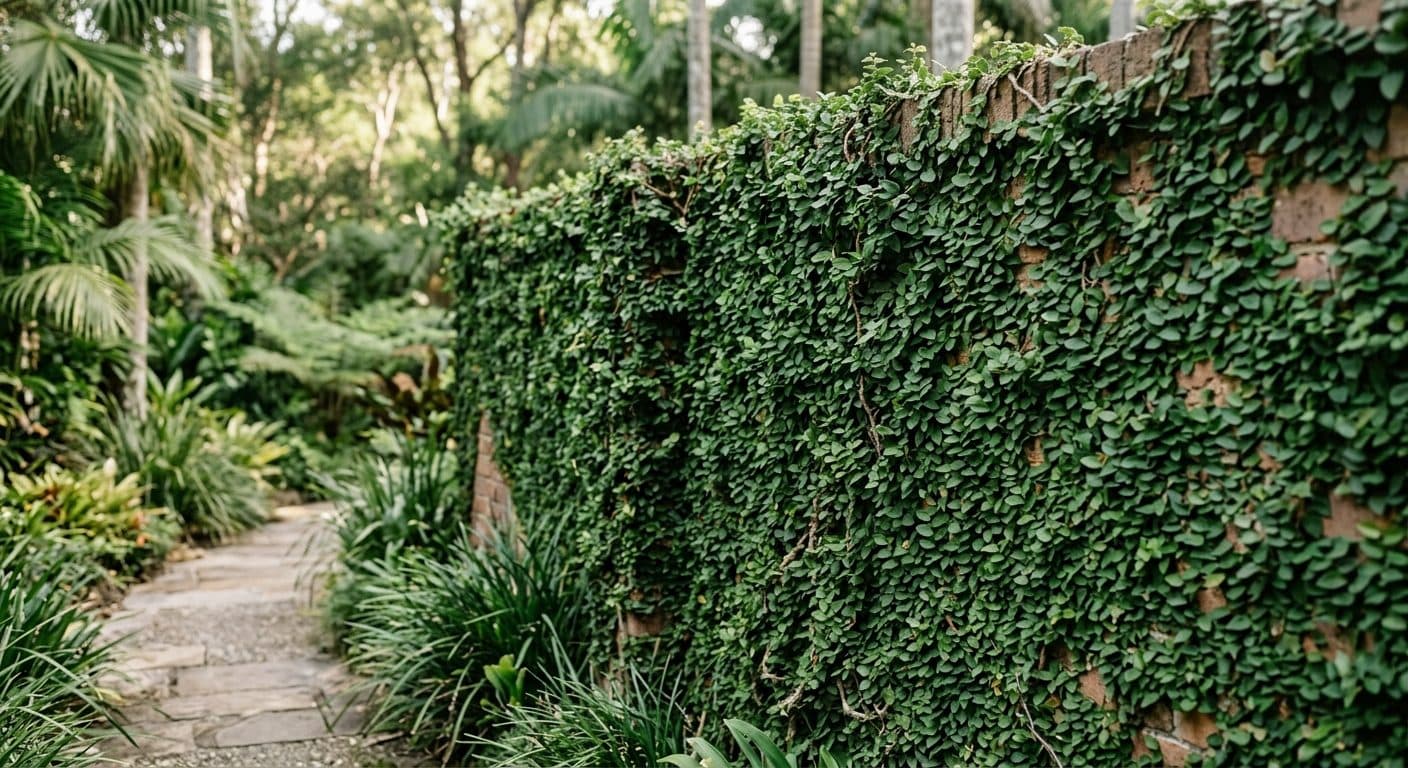
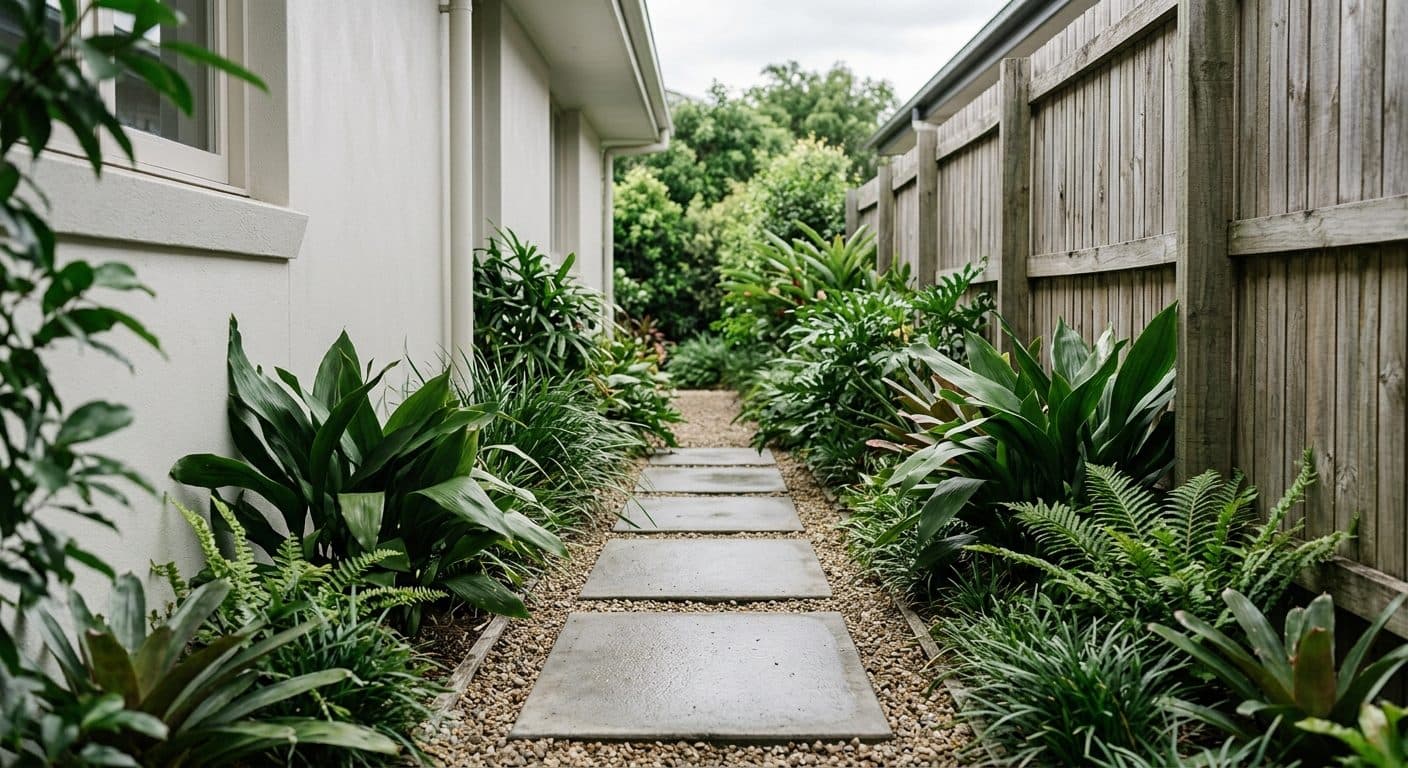
Small blocks need privacy the most and have the least room to grow it, which is the central unfairness of small garden design. Syzygium 'Straight and Narrow' holds a dense column from a bed well under a metre wide, slender weavers suits the job here too, and star jasmine trained on a wire frame makes a green screen from barely any soil at all. One warning: Ficus 'Flash' is often sold for exactly this job because it's cheap and rockets upward, but its roots are notorious for finding pipes and lifting paving, and a vigorous tree in a narrow bed builds that problem in from day one.
Layers beat a single line
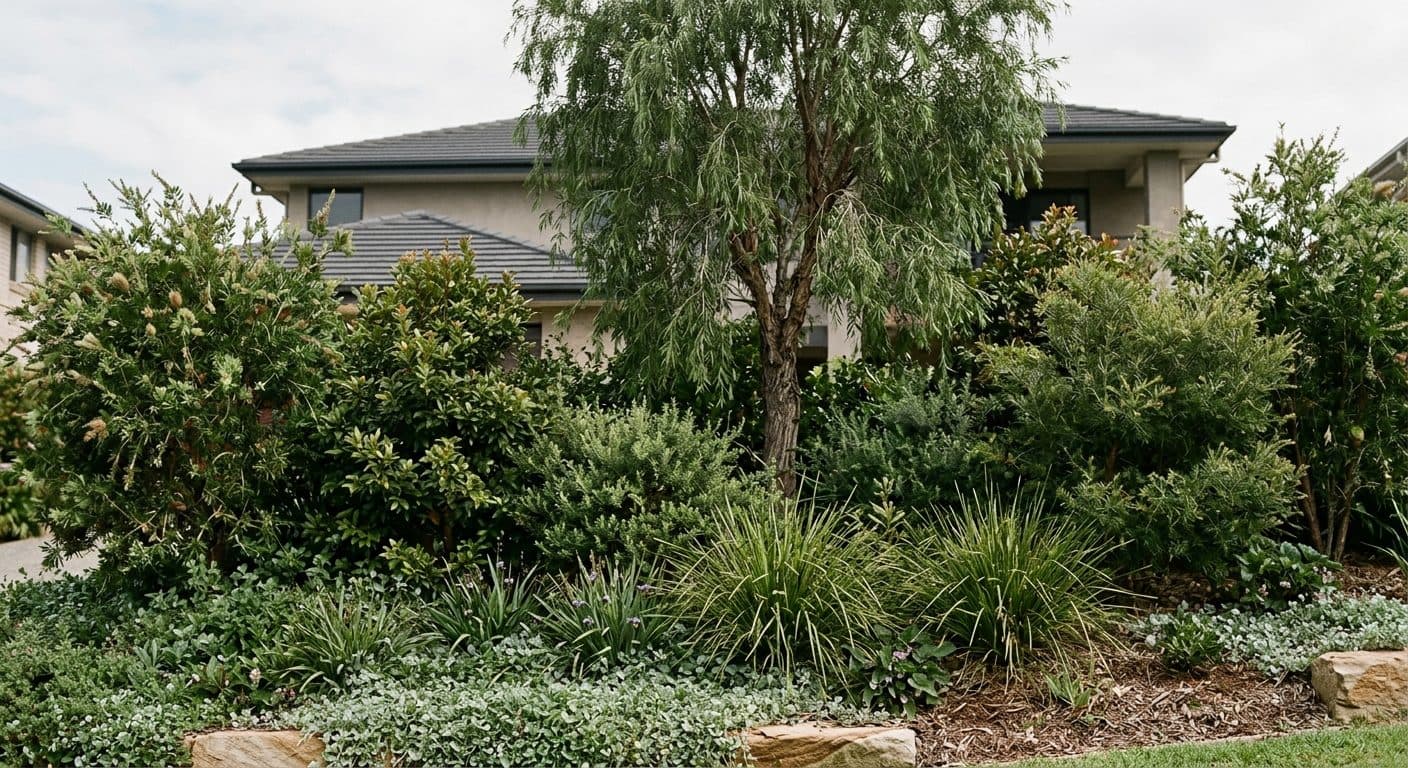
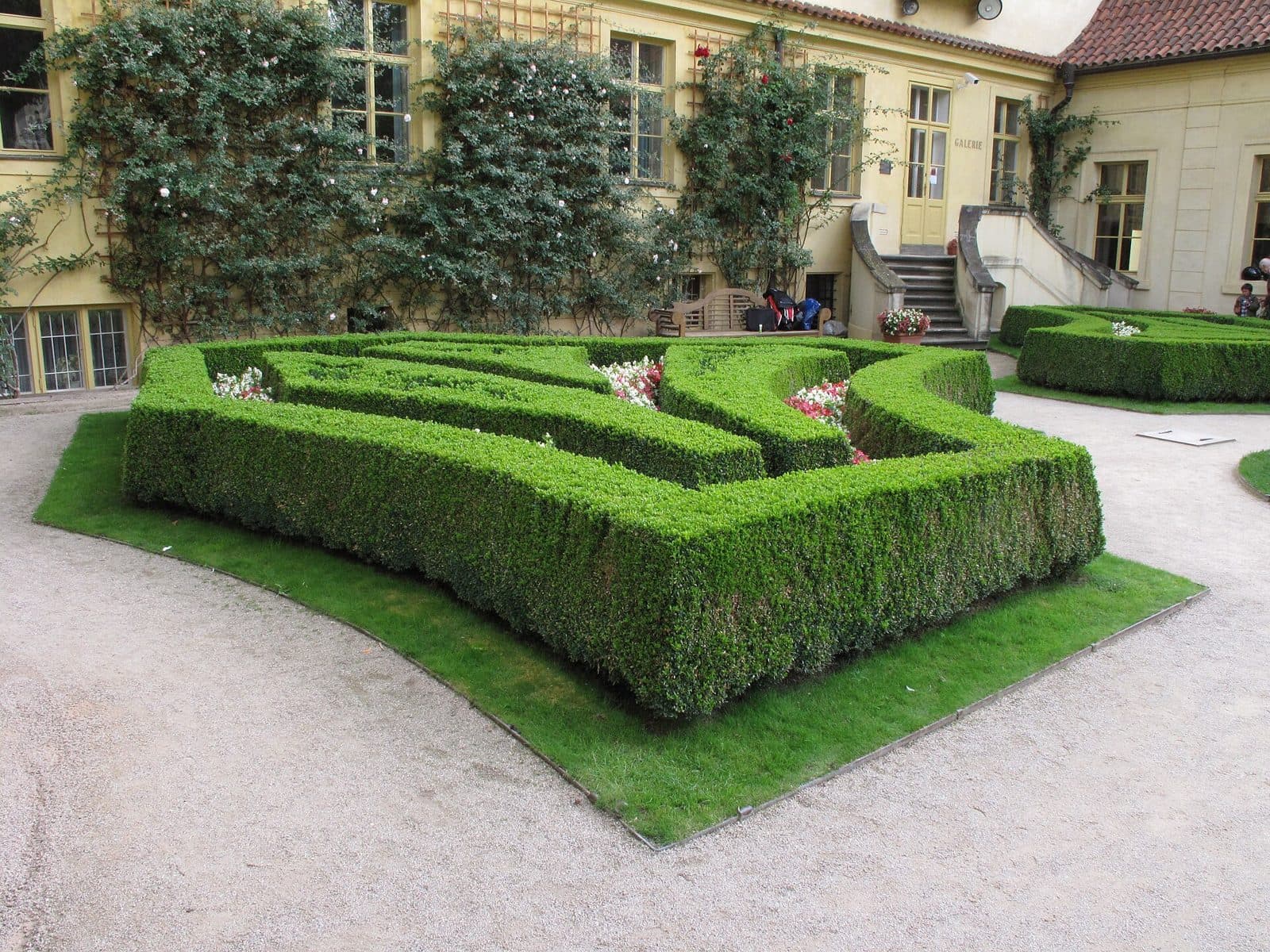
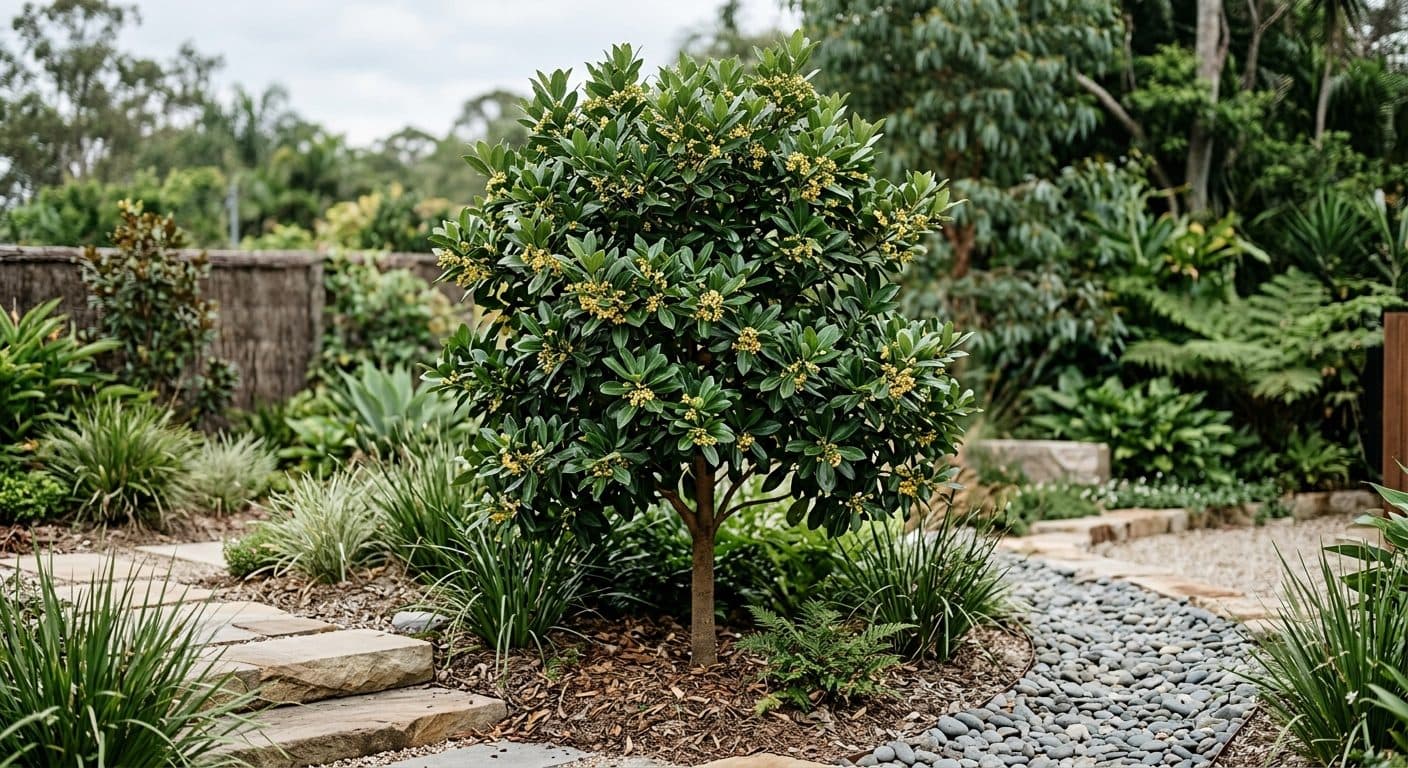
A single clipped hedge along the boundary is the obvious answer and often the weakest one, because it demands uniform health to look right, and when one plant fails you live with the gap for a couple of years while its replacement catches up. A layered screen, meaning a small tree with mid-height shrubs and something soft at knee level, blocks the sightline that actually matters, reads as a garden rather than a barricade, and takes the loss of a single plant in its stride. You rarely need six metres of privacy along the entire fence; you need it on the line between their window and your table.
The maintenance conversation nobody has at the nursery
Every screen is a standing appointment. A clipped hedge in Brisbane's growing season wants trimming two or three times a year, bamboo sheds leaves year-round into whatever sits beneath it, and anything above comfortable ladder height means paying someone to keep it there. None of that is a reason to skip screening, it's a reason to design the height to the sightline instead of defaulting to the tallest thing on the trolley.
Standing in the garden and working out exactly where privacy is missing is half the job, and it's what a Design Discovery Consultation is for. Screening is also just one duty on a plant's list, and my guide to the best plants for Brisbane gardens sorts the rest of the palette by the work each plant does.
Ready to start designing?
We're currently taking on new landscape design clients across Brisbane. Reach out for a personalised quote, whether you're a homeowner or a design professional.
Book a Free Discovery Call