Queenslander garden design that honours the house.
Brisbane's tin-and-timber homes arrive with verandahs, high-set floors and a century of street character, and the garden's job is to live up to them.
A Queenslander sets the terms of its garden before a designer draws a single line. The house stands high on stumps, wears a deep verandah, meets the street over a picket fence and carries a hundred years of streetscape with it, so Queenslander garden design is really the craft of listening: shaping levels and planting so the timber and tin look better, never buried.
Designing for character homes is the bread-and-butter brief in Brisbane's older suburbs and one of our favourites, because the house does so much of the compositional work for you. This page covers what the architecture gives you, the planting language that has always suited these homes, what to do with the shade underneath, and how to give the front garden the street presence it was built for.
What the architecture hands you
Every Queenslander shares a set of givens. High-set floors mean the garden is seen from above as much as from within it, so from the verandah it reads like a plan drawing, where canopy shapes, path lines and the pattern of beds matter more than any single flower. Deep verandahs throw a permanent band of shade around the house, which decides what can live in that first metre or two, and because the house floats on stumps rather than sitting on a slab, the garden runs underneath it, for better and worse.
The street side brings rules of its own. Many of these homes stand in streets where picket fences, timber gables and old trees add up to genuine heritage character, and often to a formal character overlay as well. Planting changes are generally yours to make freely, but new front fences, carports or other structures in these areas are worth checking against current Brisbane City Council rules before you commit to a plan, and we flag anything that needs a closer look during design.
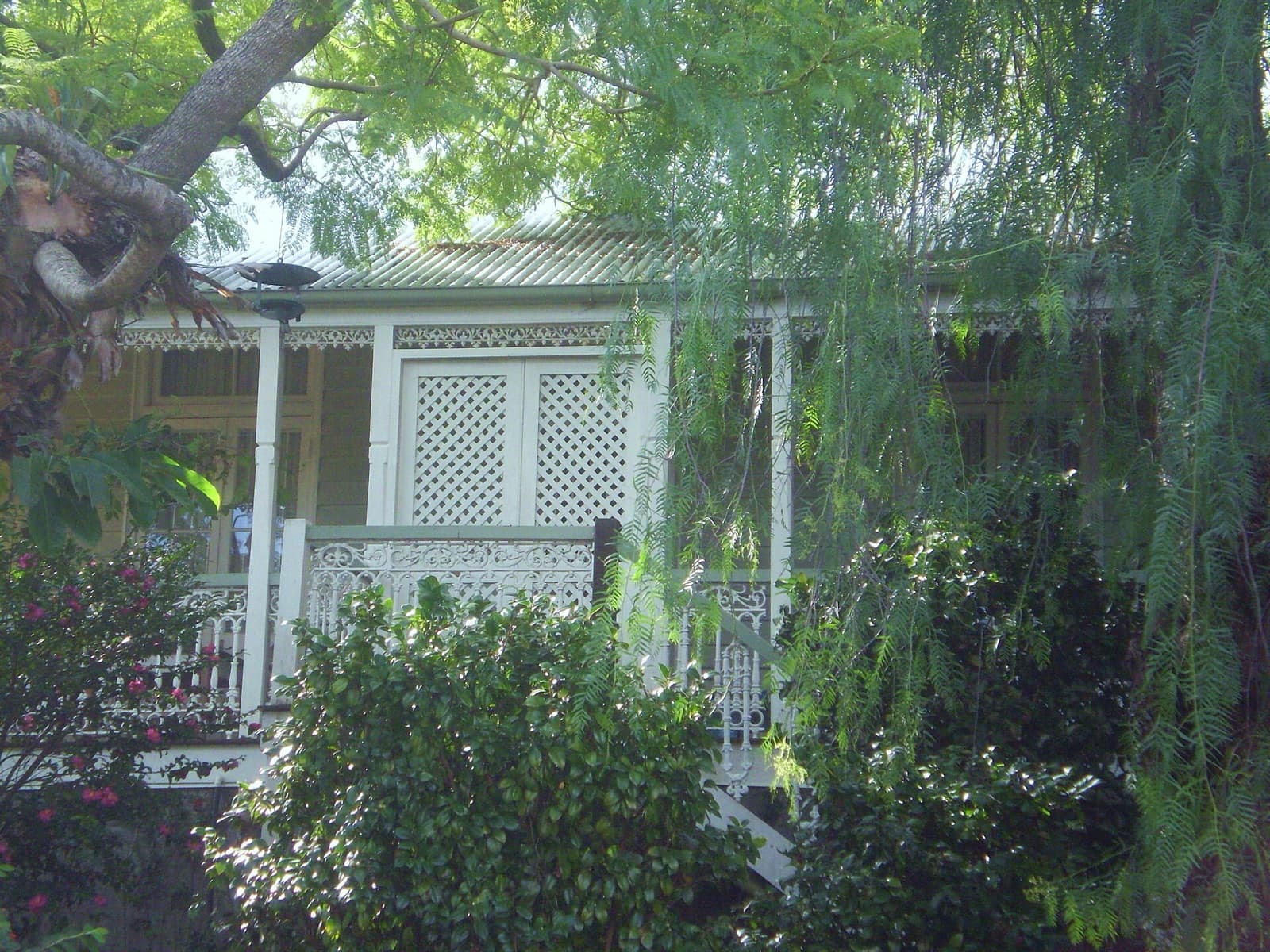
Photo: Jan Smith, CC BY 2.0, via Wikimedia Commons
The classic planting language, and its native evolution
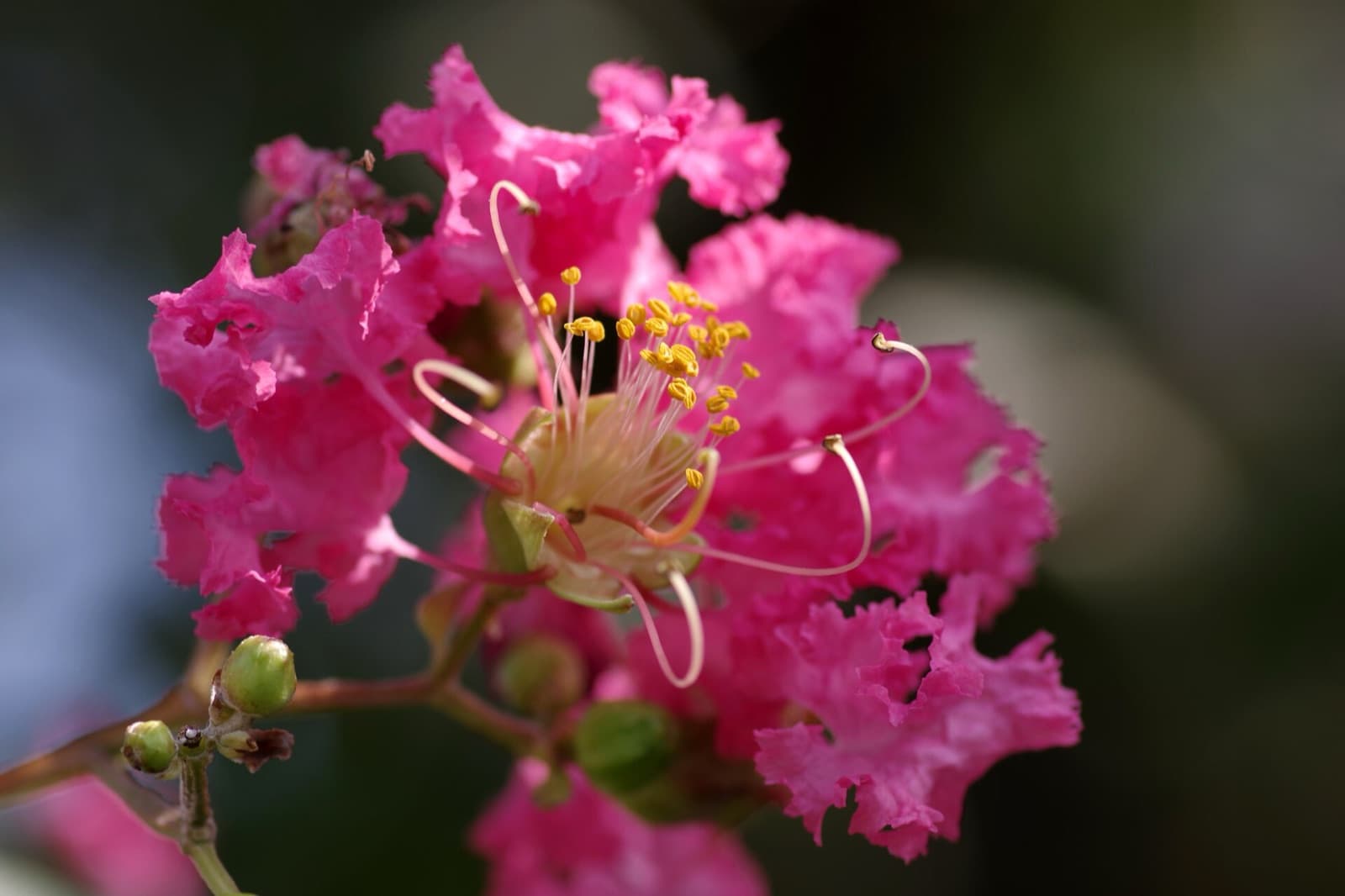
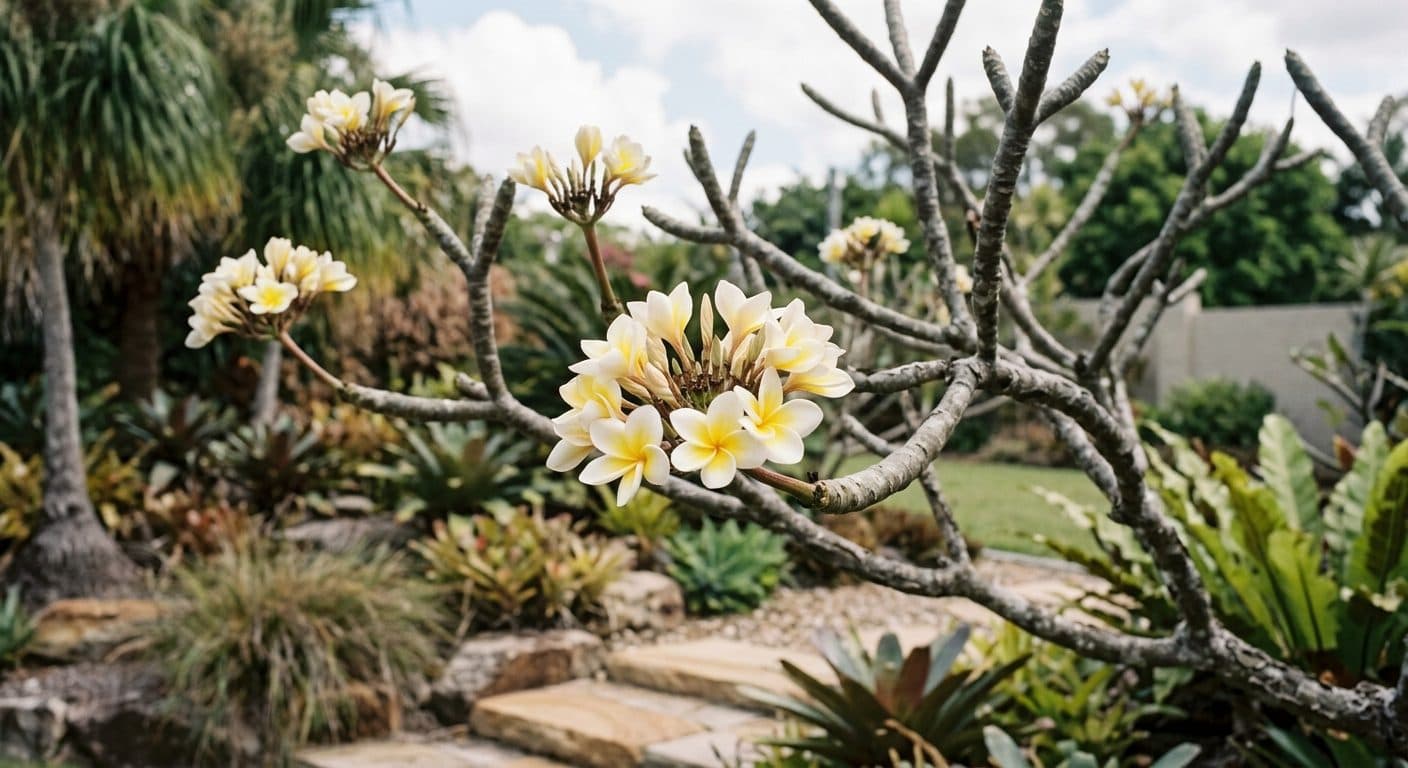
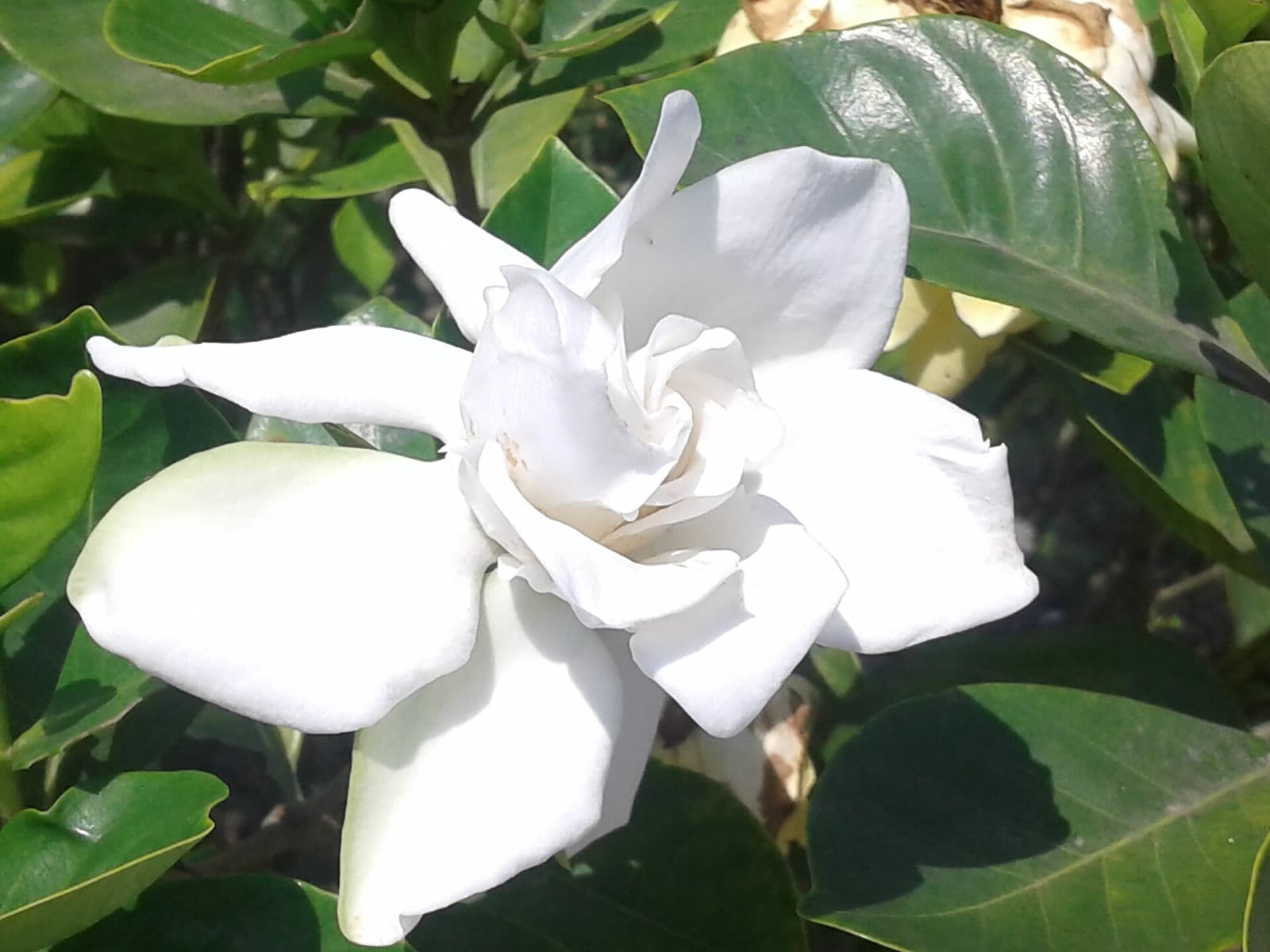
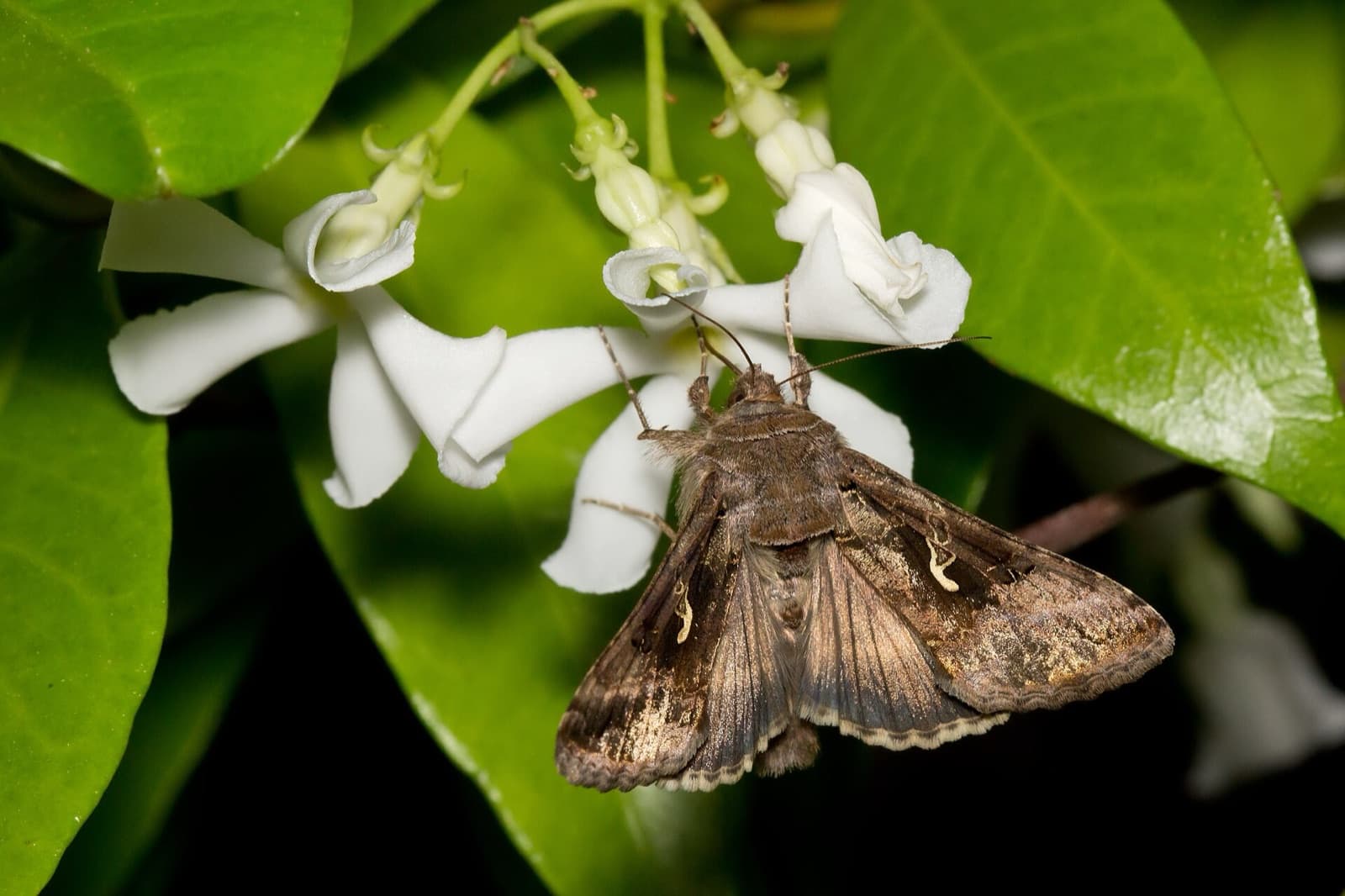
There is a reason certain plants keep appearing in Queenslander house gardens: they grew up together. Frangipani is the signature, dropping its leaves in winter to let precious northern sun reach the verandah and casting shade in summer exactly when you want it. Crepe myrtle brings the summer flower at a polite scale for a front setback, star jasmine trained up verandah battens is the old trick that still works, softening the structure without harming the timber, and gardenias by the front stairs finish most of the traditional kit.
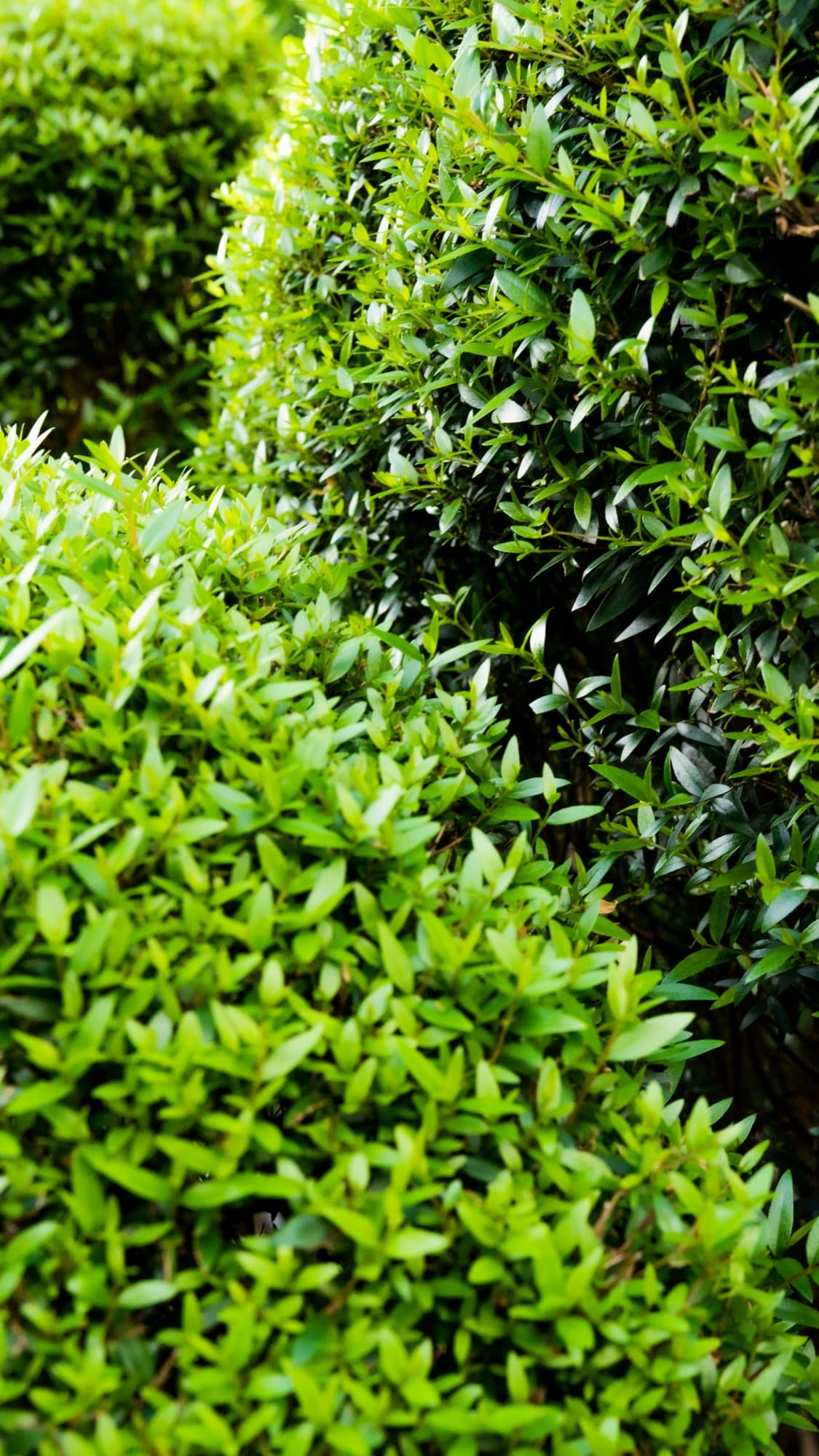
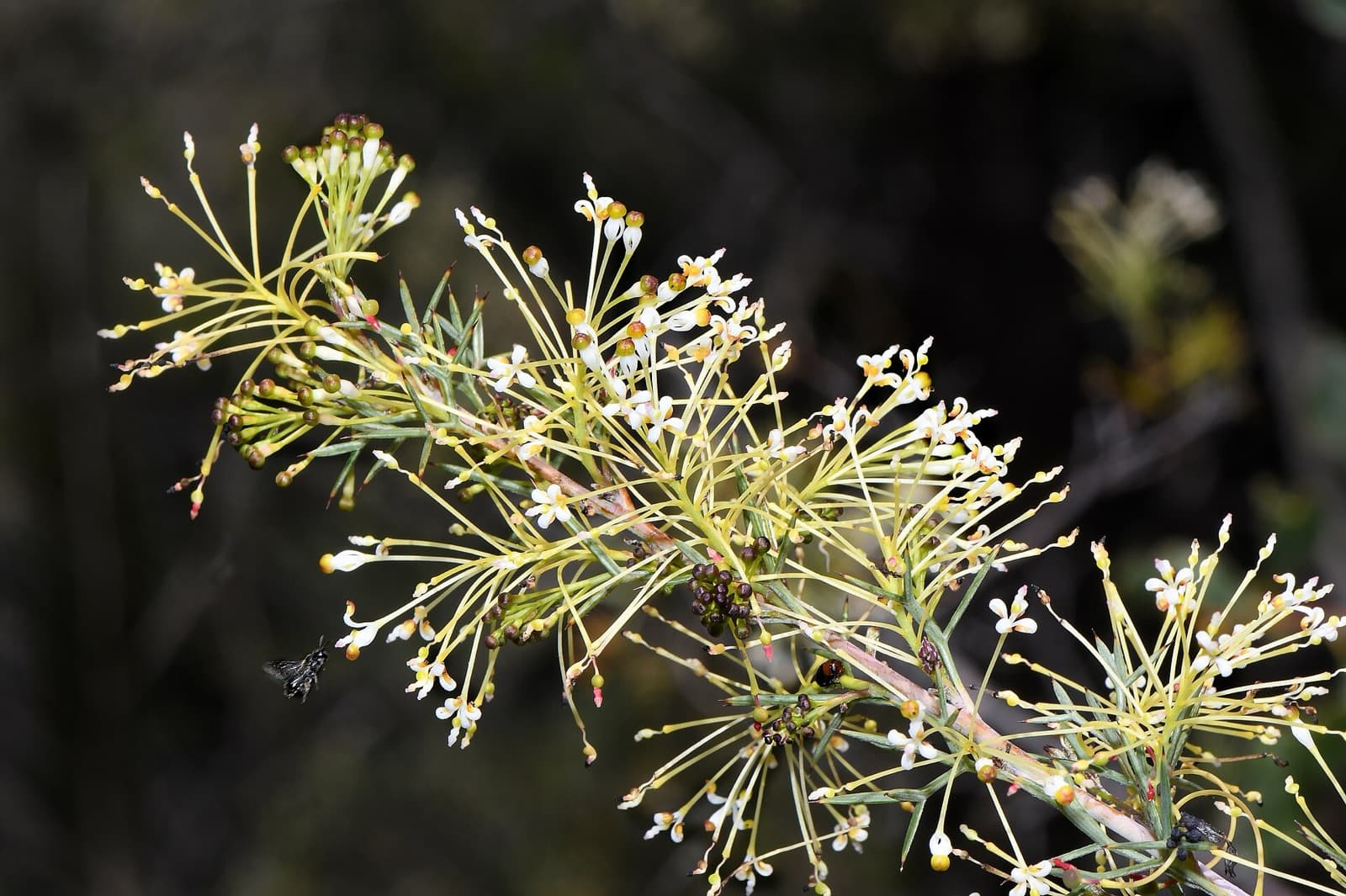
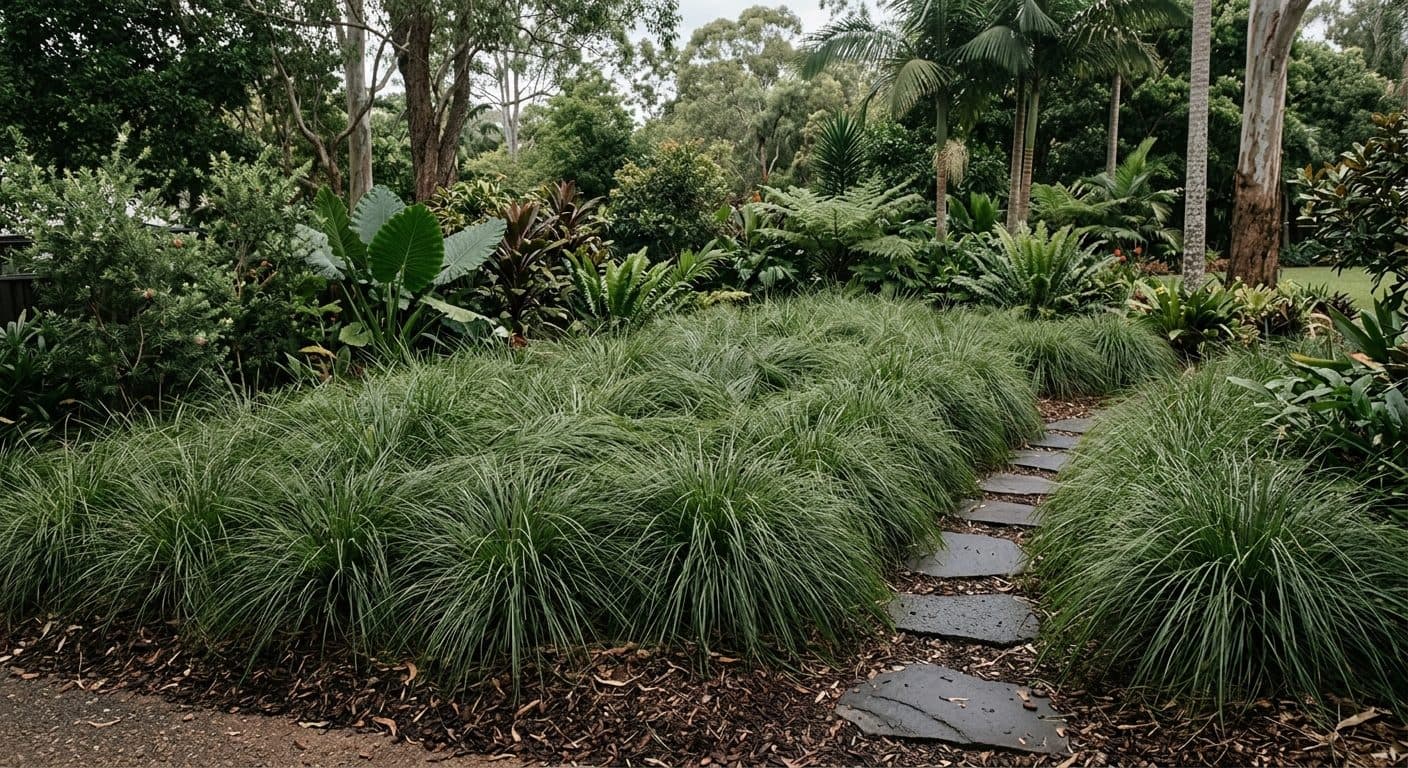
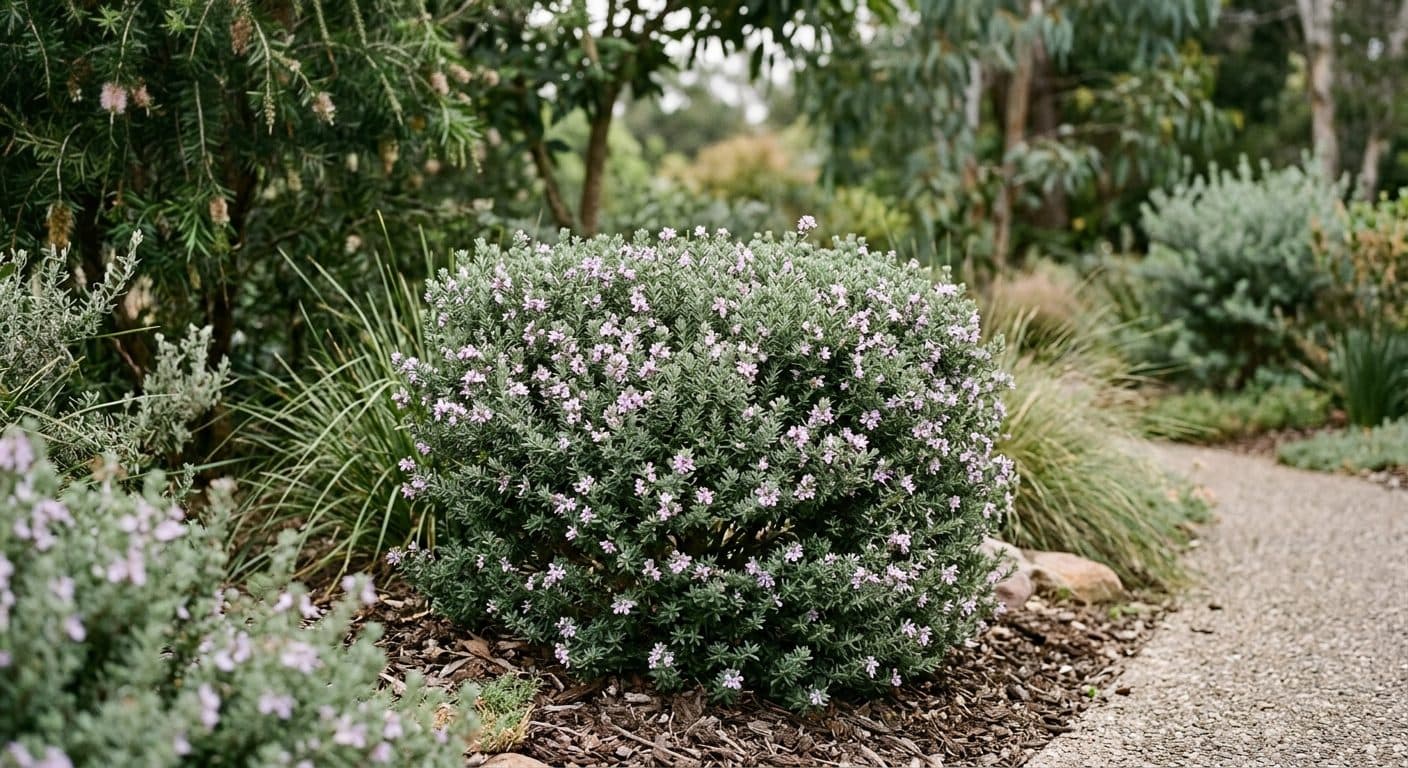
The best Queenslander garden ideas going around now keep that romance and swap in natives where they work harder. Westringia clips as neatly as box and shrugs off the humidity that box resents, grevilleas bring honeyeaters and months of flower, and lomandra holds the edges through drought and downpour alike. The same instinct is pulling cottage-style planting onto character frontages, which suits a Queenslander wonderfully, and if your renovation is heading whiter and crisper, the Hamptons garden look shares half its plant list with this one.
The shade under the house
Under-house space is the question every high-set owner eventually asks. It is dry shade of the most stubborn kind, because rain almost never reaches it, the soil below is usually builder's rubble, and direct light arrives at a low slant for an hour or two a day. The list of plants that genuinely thrive under there is very short, and pretending otherwise mostly wastes money.
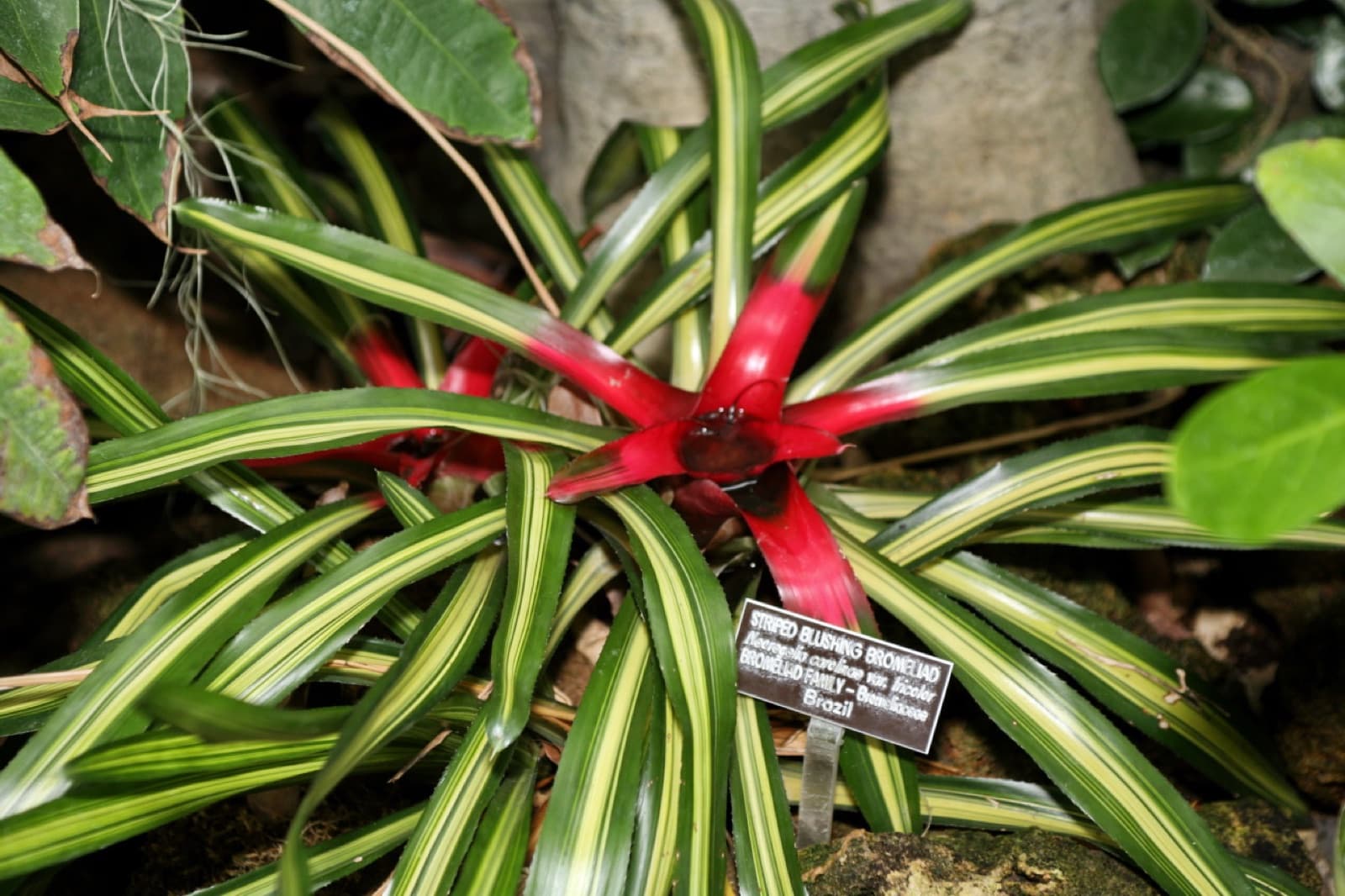
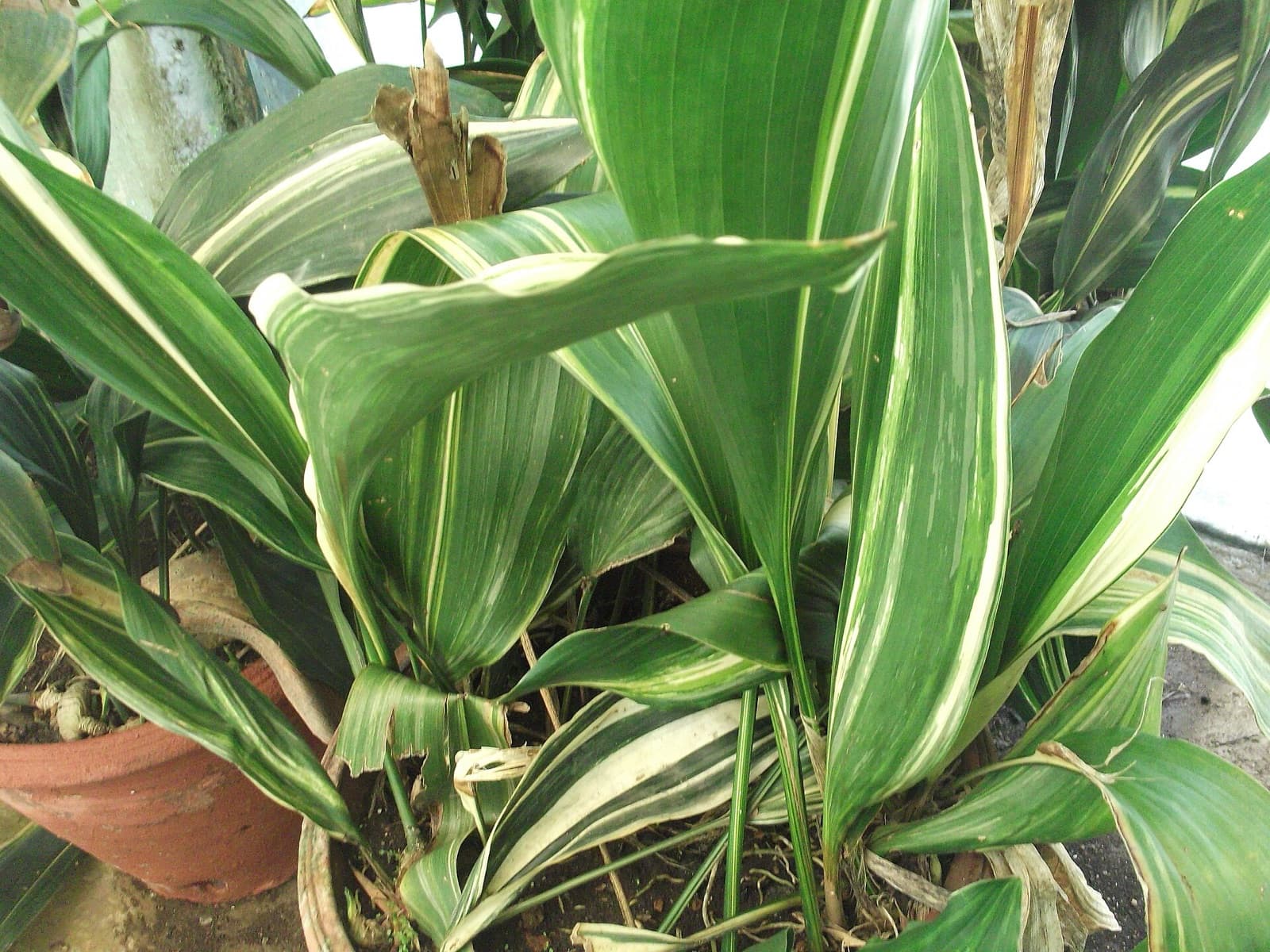
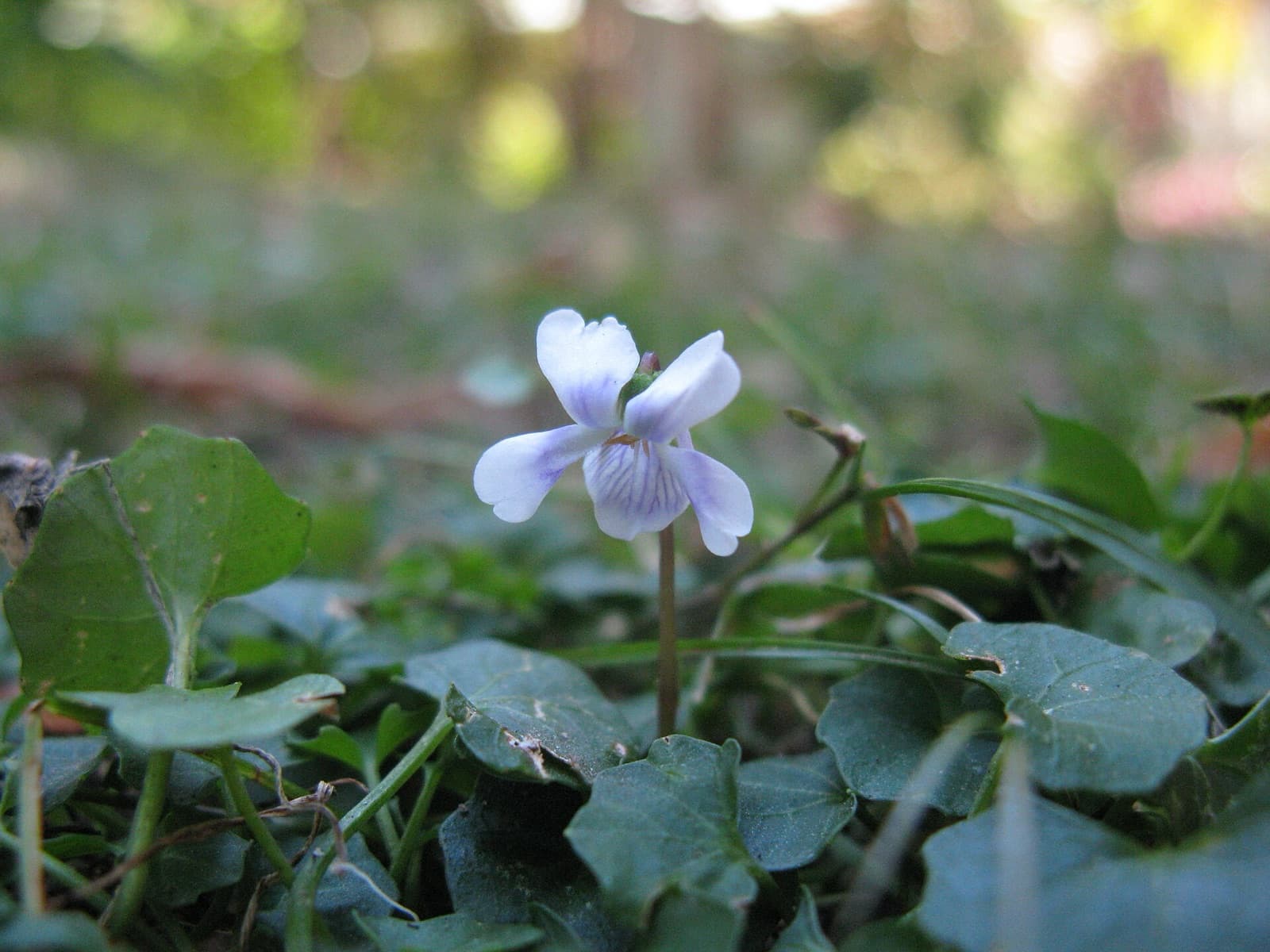
So we treat it as space to furnish rather than ground to plant. Gravel or paving keeps it clean and dry for storage and the workbench, while batten screens between the stumps tidy the view from the street and still let the breeze through, which a timber floor appreciates. Planting then concentrates at the drip line, where light and rain actually land: cast-iron plant, bromeliads and native violet will hold that edge, and pots let you cheat a little further in. Done well, the garden appears to flow under the house without asking anything to grow where nothing wants to.
Queenslander front garden ideas with real street presence
Most Queenslander front garden ideas come down to one principle: the garden is the plinth the house stands on. A low picket fence, a generous path to the front stairs and planting that steps up from footpath height towards verandah height give the facade the setting it was designed for. Symmetry helps where the house is symmetrical, and where it isn't, a single well-placed frangipani does the same compositional work off-centre.
Layer the planting so the house never disappears: knee-height along the fence, waist-to-shoulder through the middle band, then canopy that frames the roofline rather than hiding it, because a Queenslander with its face obscured loses most of its charm (and some of its value, agents will tell you). There's more on street-facing design in our front yard landscaping guide, and you can see how we work in the timber suburbs on our Paddington landscape design page.
The process runs through the same four stages as all our work: a Design Discovery Consultation at your place, a concept design that tests options, detailed drawings a builder can price and build from, and project oversight while it happens. On a Queenslander the concept stage earns its keep, because levels, stairs and that under-house zone all want resolving on paper before anyone orders a plant.
Common questions
Ready to give your Queenslander the garden it was built for?
We're currently taking on new landscape design clients across Brisbane. Reach out for a personalised quote, whether you're a homeowner or a design professional.
Book a Free Discovery Call