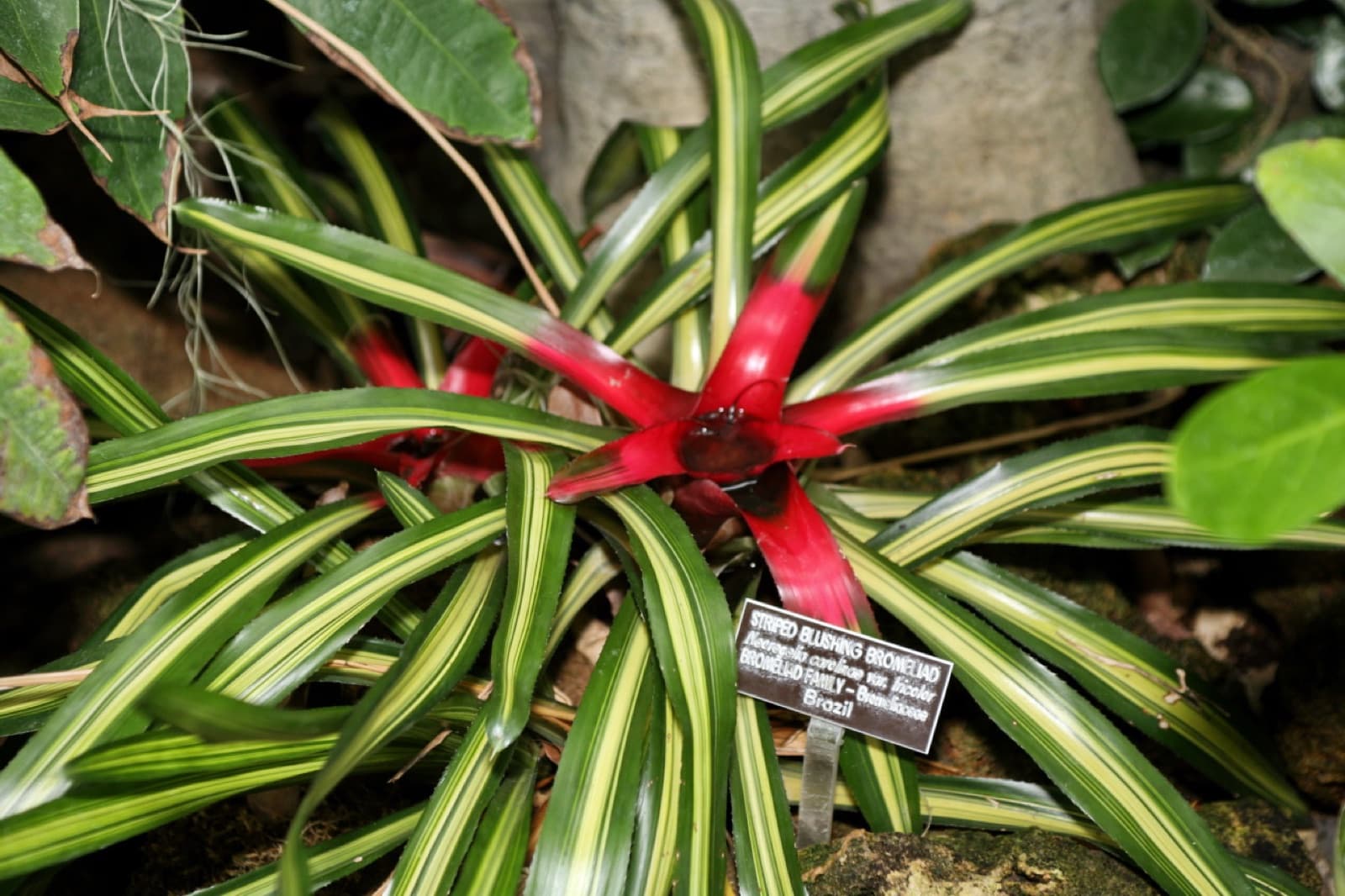
Neoregelia and Alcantarea, the low-fuss rosettes that bring reliable colour to the dry shade where nothing else will.
Bromeliaceae (Neoregelia, Alcantarea) · Also known as Bromeliads, Neoregelia
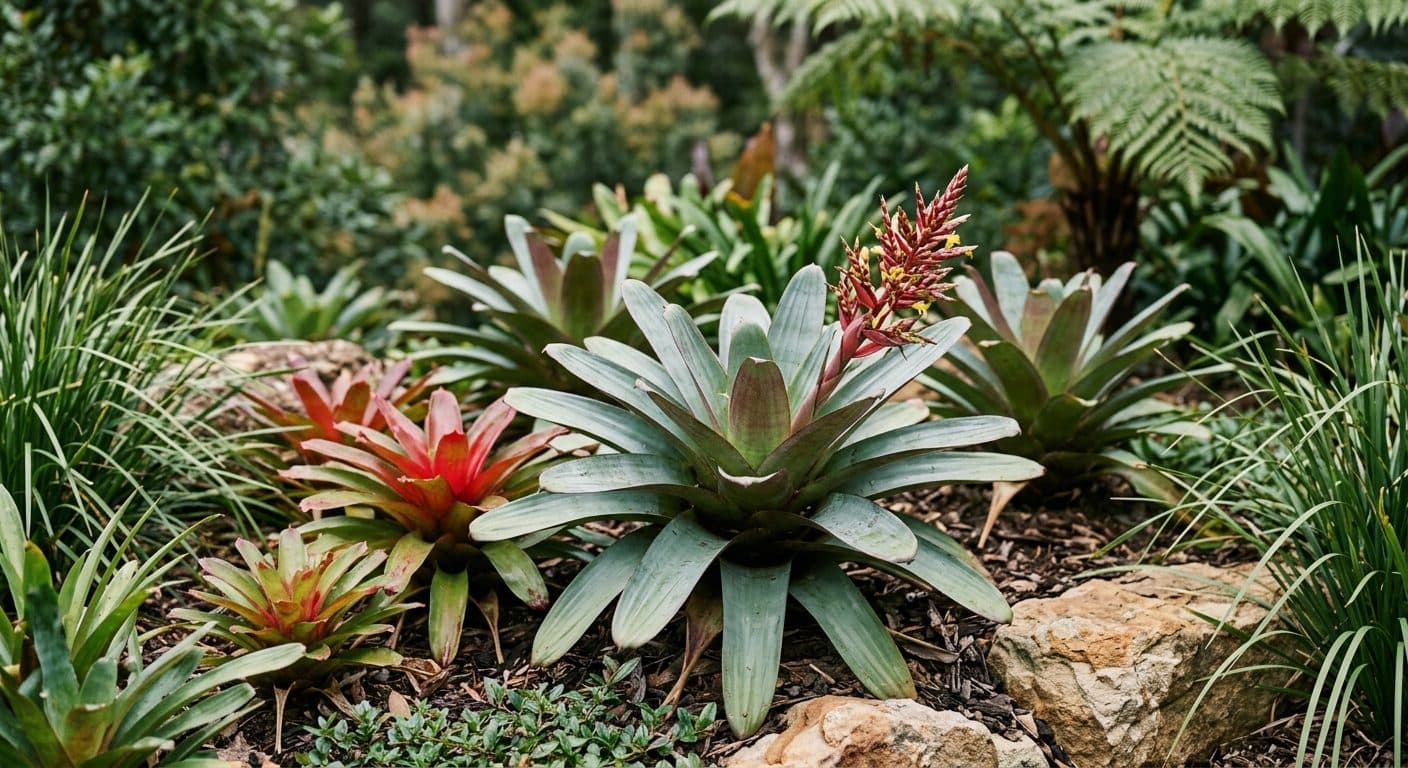
Bromeliads are the answer to one of the hardest briefs in a Brisbane garden, which is colour in the dim, root-filled shade beneath established palms and trees where flowering plants simply give up. Most of what we plant here are Neoregelias, the flat jewel-toned rosettes that colour up burgundy and pink in bright light, and the occasional Alcantarea, a silvery giant that reads as sculpture on its own.
They earn their place because they ask for almost nothing and give back a lot: no rich soil, very little root run, and a splash of colour that holds through the year rather than flaring for a fortnight and fading. Gardeners tend to call the whole family bromeliads and the workhorse genus neoregelia, and both point at the same easy, architectural plant.
In a Brisbane garden
This is a plant that suits our climate almost too well, and in the warm, wet parts of the year it barely notices the neglect that would kill a fussier thing. The catch worth stating plainly is the central cup, which holds standing water and will happily breed mosquitoes through a Brisbane summer, so we flush the rosettes with the hose every week or two through the wet season and steer clients away from mass-planting them right beside an outdoor dining table.
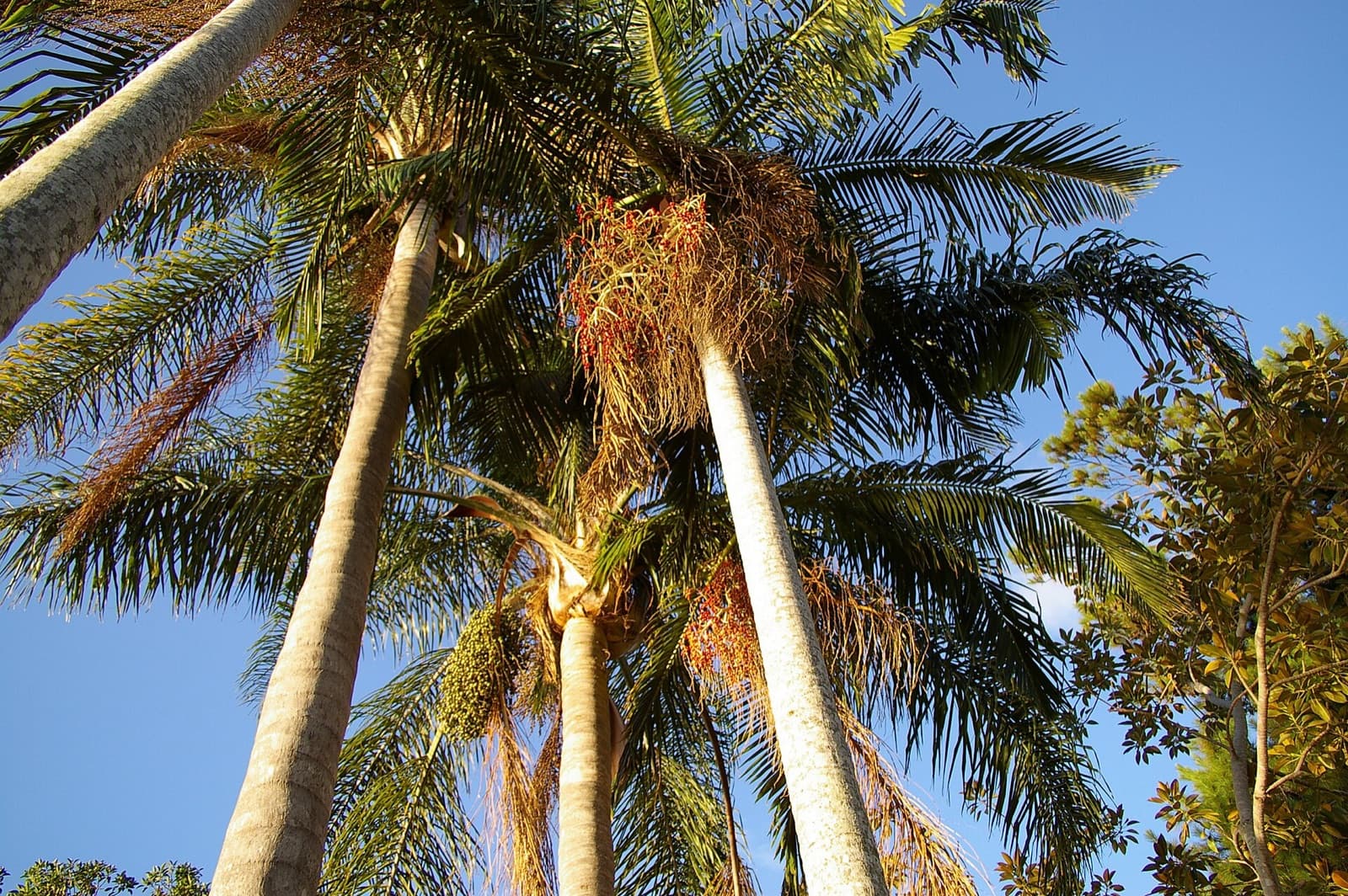
For colour they want brightness without harsh western sun, so the sweet spot is the high filtered light under a palm canopy or on the shaded morning side of a wall. Water needs are genuinely low once they settle, and because they carry so little root system they take next to nothing from the trees they sit under, which is exactly why we reach for them where thirstier groundcovers would lose the fight for moisture.
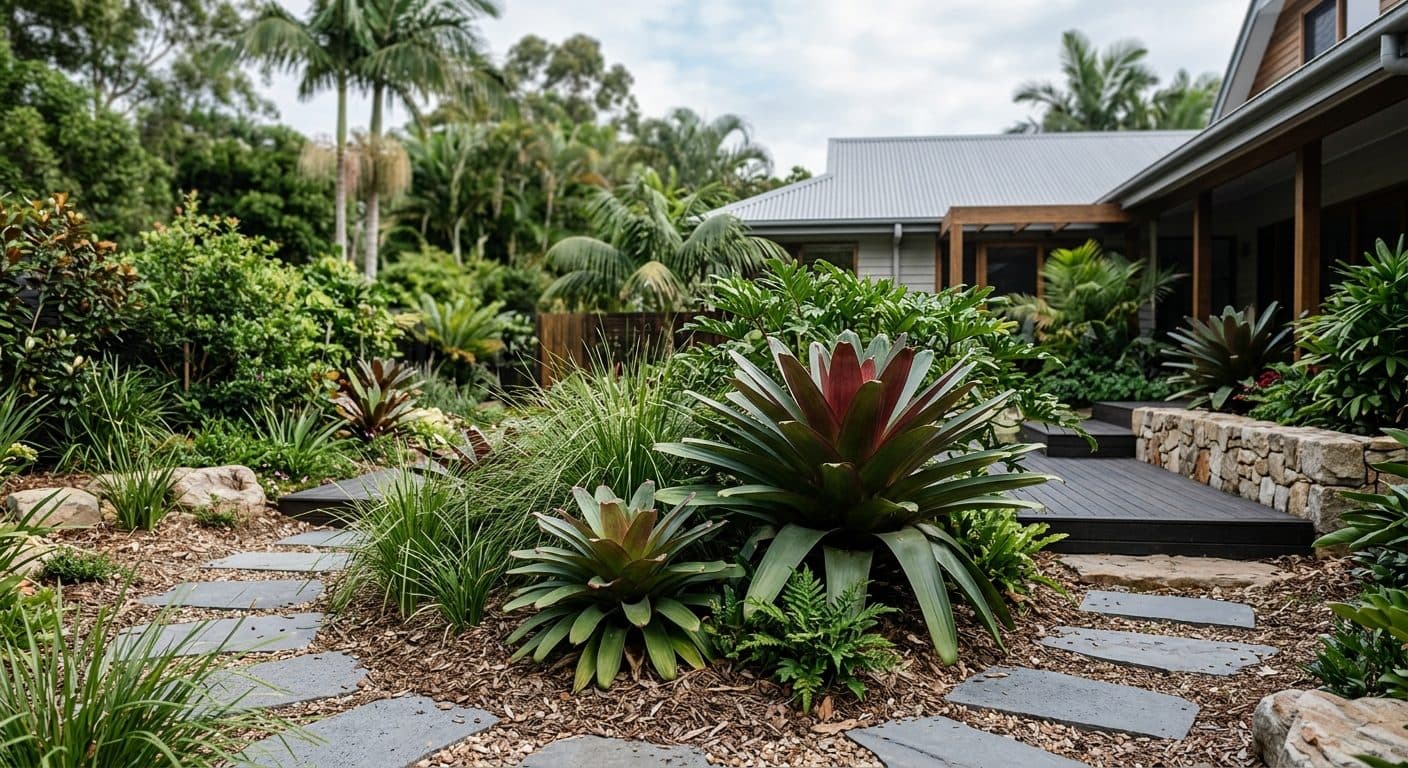
Photo: Cliff from I now live in Arlington, VA (Outside Washington D, CC BY 2.0, via Wikimedia Commons
How we design with it
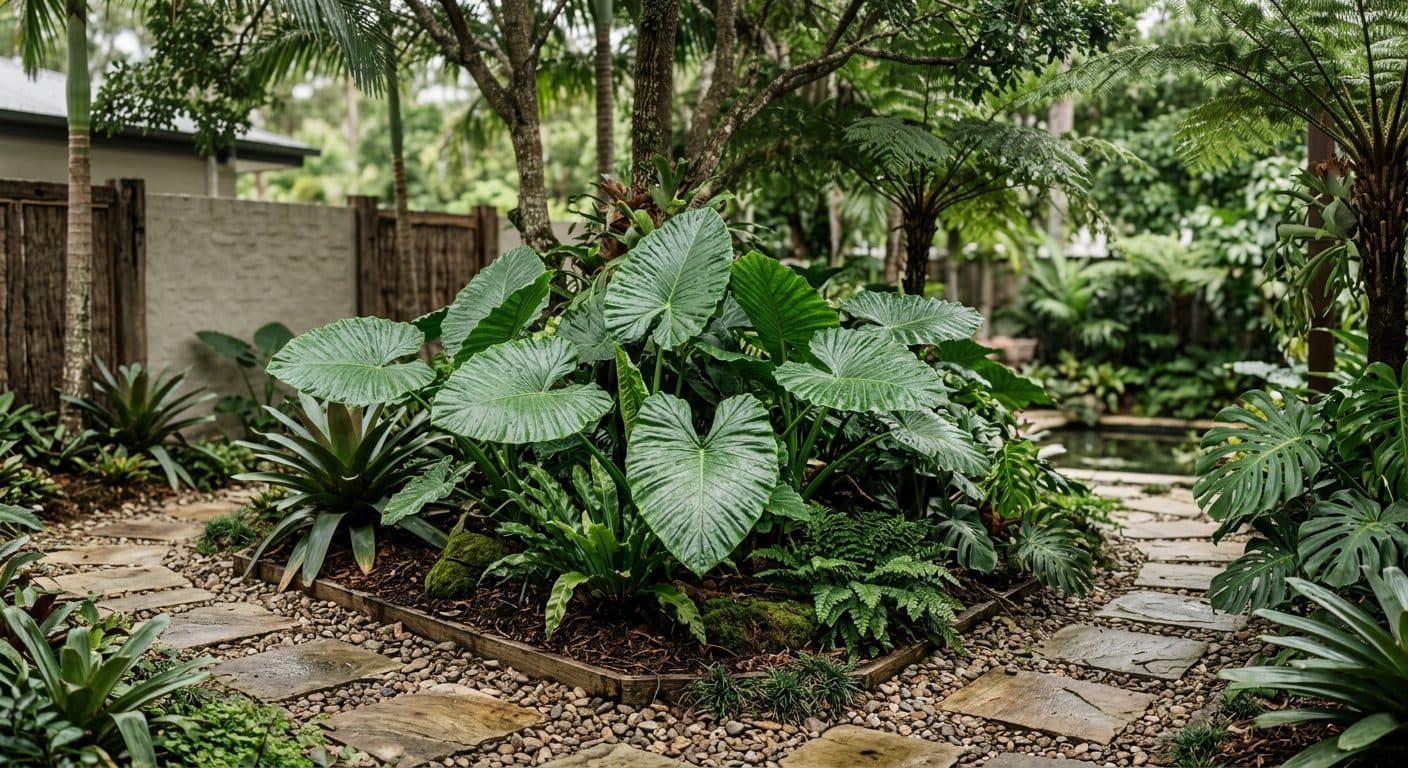
We use bromeliads as drifts of living colour through the understorey, threading Neoregelias between the trunks in a tropical garden design where the canopy is generous but the ground beneath it is dry and difficult. Because they carpet at ankle height and read as one continuous wash of tone, they do a lot of design work in a small garden courtyard, holding a corner that would otherwise be bare mulch.
Poolside is their other natural home, since they drop very little litter compared with most flowering understorey plants and cope with the reflected heat and glare off the water. For a shaded, low-litter surround we lean on them heavily, and they sit comfortably in the palette we describe in our guide to shade gardens in Brisbane. A single large Alcantarea, by contrast, we treat as a specimen and give it room to be looked at.
Where we write about bromeliad
Common questions
Want colour in the dry shade under your trees?
We're currently taking on new landscape design clients across Brisbane. Reach out for a personalised quote, whether you're a homeowner or a design professional.
Book a Free Discovery Call