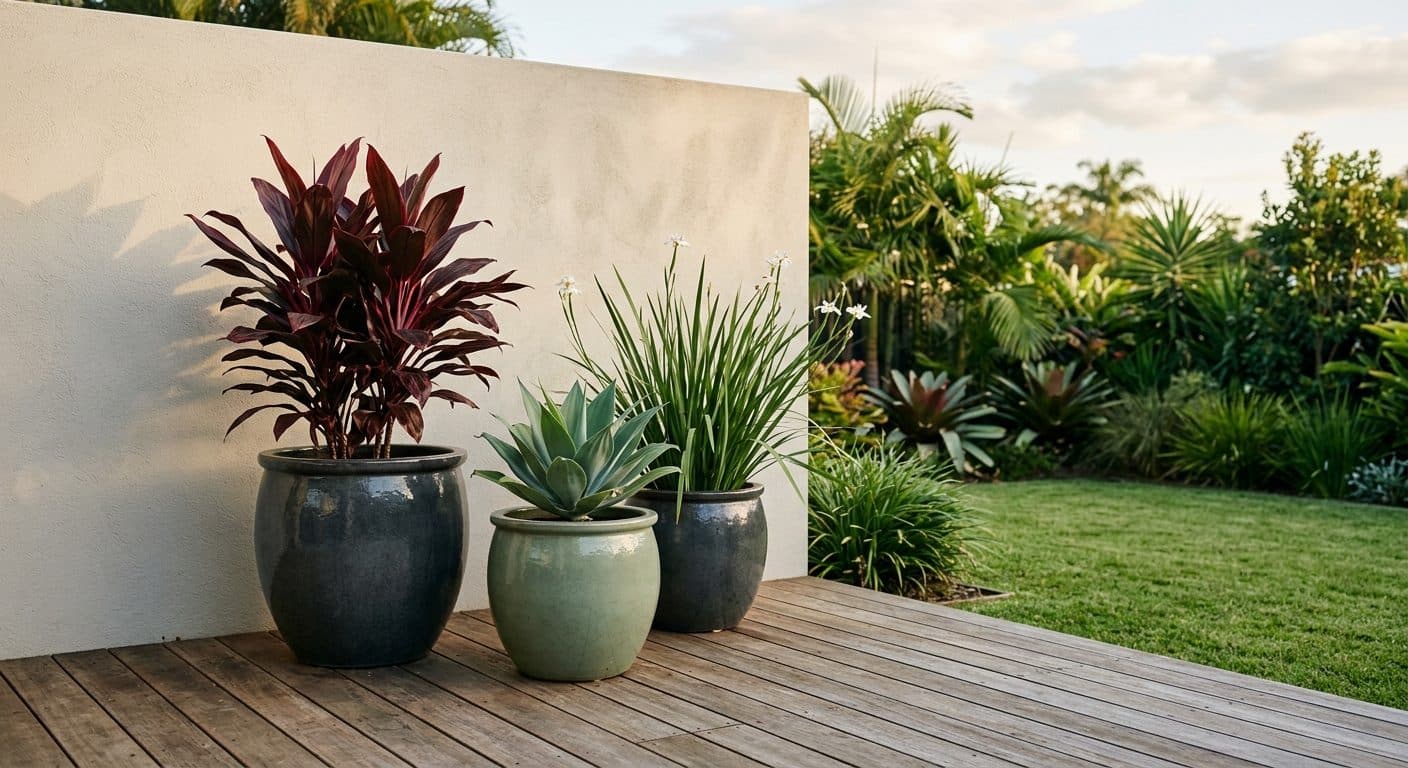
A pot on a Brisbane deck cooks, dries out and gets blown about in ways a garden bed never does. Here's how I choose plants for pots that still look good in year three, for sun, shade, courtyards and balconies.

By Shannon Trevisiol, Landscape Designer, Brisbane · 7 min read
- A pot is a much harsher home than a garden bed: the root zone heats, dries and is exposed to wind, so choose tough plants and go bigger on the pot than feels necessary.
- Match the plant to the light the pot actually gets. Hot, bright decks suit succulents, strappy plants and cordyline, while shaded courtyards suit cast iron plant, philodendron and gingers.
- Use a quality potting mix with real drainage, mulch the surface, and treat watering as part of the design, because a pot only ever works if you can realistically keep it watered.
- Fewer, larger pots in a considered group look better and survive longer than a scatter of small ones.
Pots are how most of us garden somewhere, whether that's a courtyard that's all paving, a deck, a rental you can't dig up, or a balcony with a view and nothing else. They're also where I see the most disappointment, because a plant that thrives in a garden bed can quietly fall apart in a pot within a year. If you've been searching for plants for pots in Brisbane, the first answer is that it's less about finding a magic list and more about understanding what a pot does to a plant.
A garden bed has a mass of soil that buffers heat, holds moisture and lets roots run. A pot has none of that. The root zone of a dark pot in January afternoon sun can get uncomfortably hot, the small volume of mix dries out far faster than a bed, and on a deck or balcony the wind adds to the stress by drying the foliage as well. A pot is a tiny, exposed garden with all the problems turned up, so the plants that last are the tough, forgiving ones and the design choices (pot size, material, position) matter as much as the plant.
Choose the pot before the plant
Go bigger than feels necessary. A larger pot holds more mix and so more moisture, it heats and cools more slowly, and it gives roots room to settle rather than circling and sulking, which is the quiet reason many potted plants decline in their second or third year. Material matters too. Thin dark plastic gets hot in the sun, while glazed ceramic, thick terracotta and stone-look pots buffer heat better, and pale colours reflect more of it. Whatever you choose needs proper drainage holes, because a pot that can't drain will rot the roots in a wet-season downpour no matter how tough the plant is.
On a balcony or upper-level deck, two practical checks come before any shopping. Full pots are heavy, so it's worth confirming with your building manager or a structural professional what the surface can carry, and if you rent or live under a body corporate, check what the rules say about planters, fixings and anything that sits on a balustrade. I design the layout around those answers rather than hoping they'll work out.
Potting mix, mulch and watering are part of the design
Fill pots with a good quality potting mix rather than soil dug from the garden, which compacts and drains badly in a container. For larger pots and planters, ask at a local landscape supply yard about premium podium soils, the lightweight, free-draining blends used for architectural planters and rooftop gardens. A layer of mulch on top slows evaporation and keeps the surface cooler, exactly as it does in a bed (my mulch guide covers the thinking). Expect the mix to break down and settle over a few years, so refreshing the top layer or repotting every so often keeps plants healthy. Avoid letting water collect in saucers for long in the warmer months, since standing water is where mosquitoes like to breed.
Then be realistic about watering, because it's the thing that decides whether a pot works. A pot in full Brisbane summer sun may need water every day or two, and a holiday can undo a month of good growth. If that sounds like a chore you'll resent, choose plants that cope with a dry spell, group pots close together so they shade each other's sides, or put the thirstiest plants where the tap is. Designing for the watering you'll actually do is far more useful than a plant list you can't keep alive.
Hot, sunny pots: the tough end of the palette
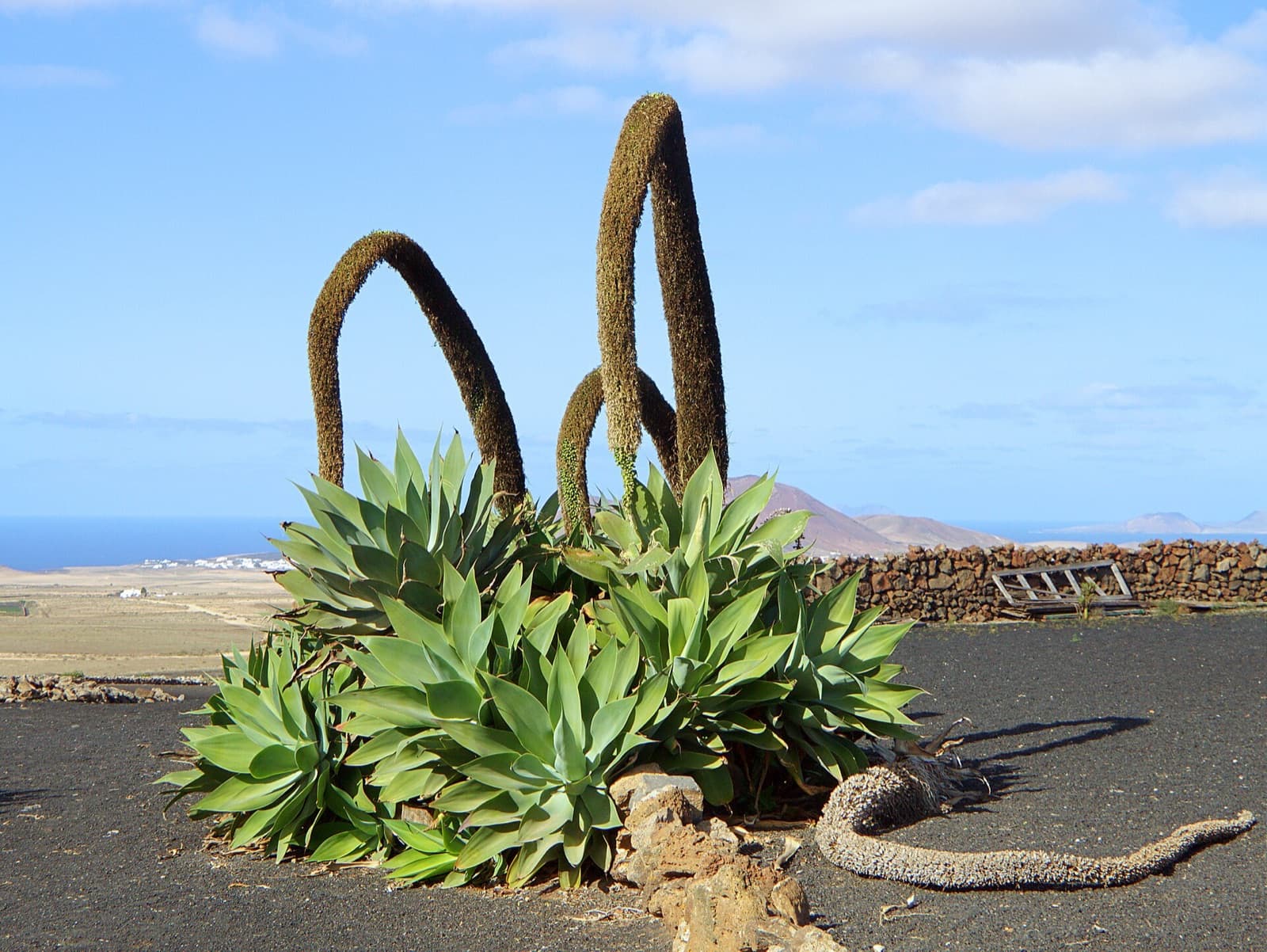
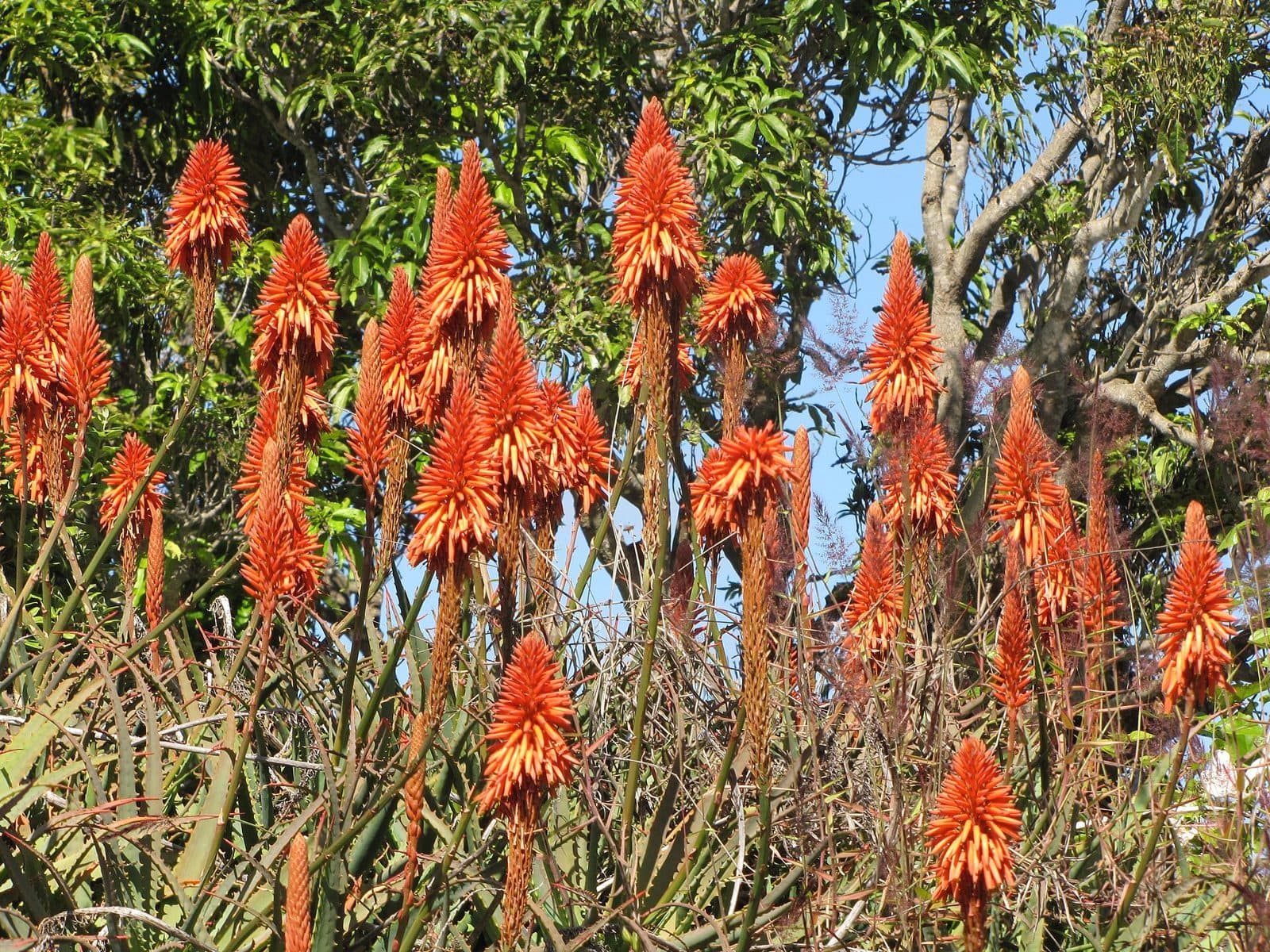
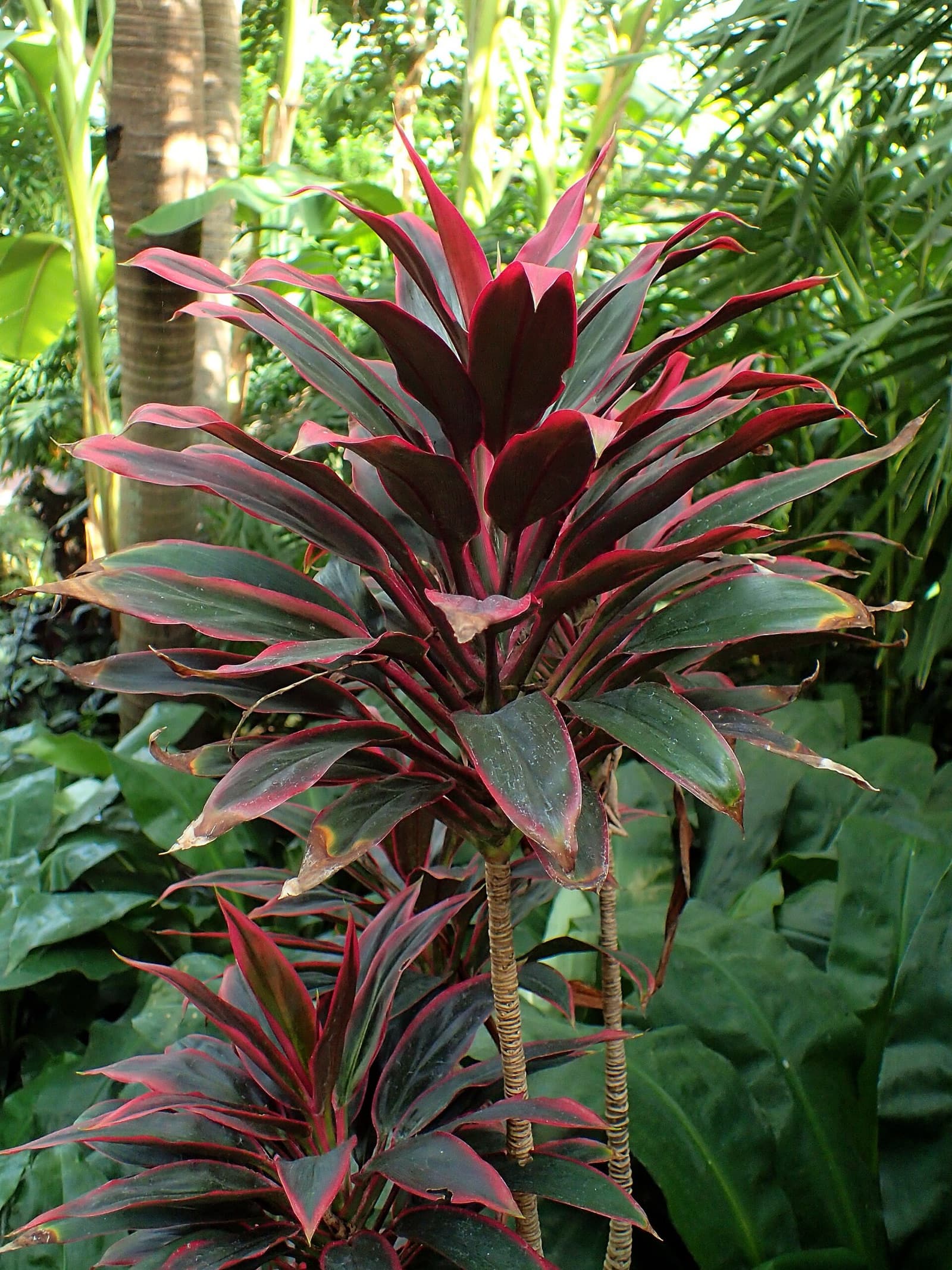
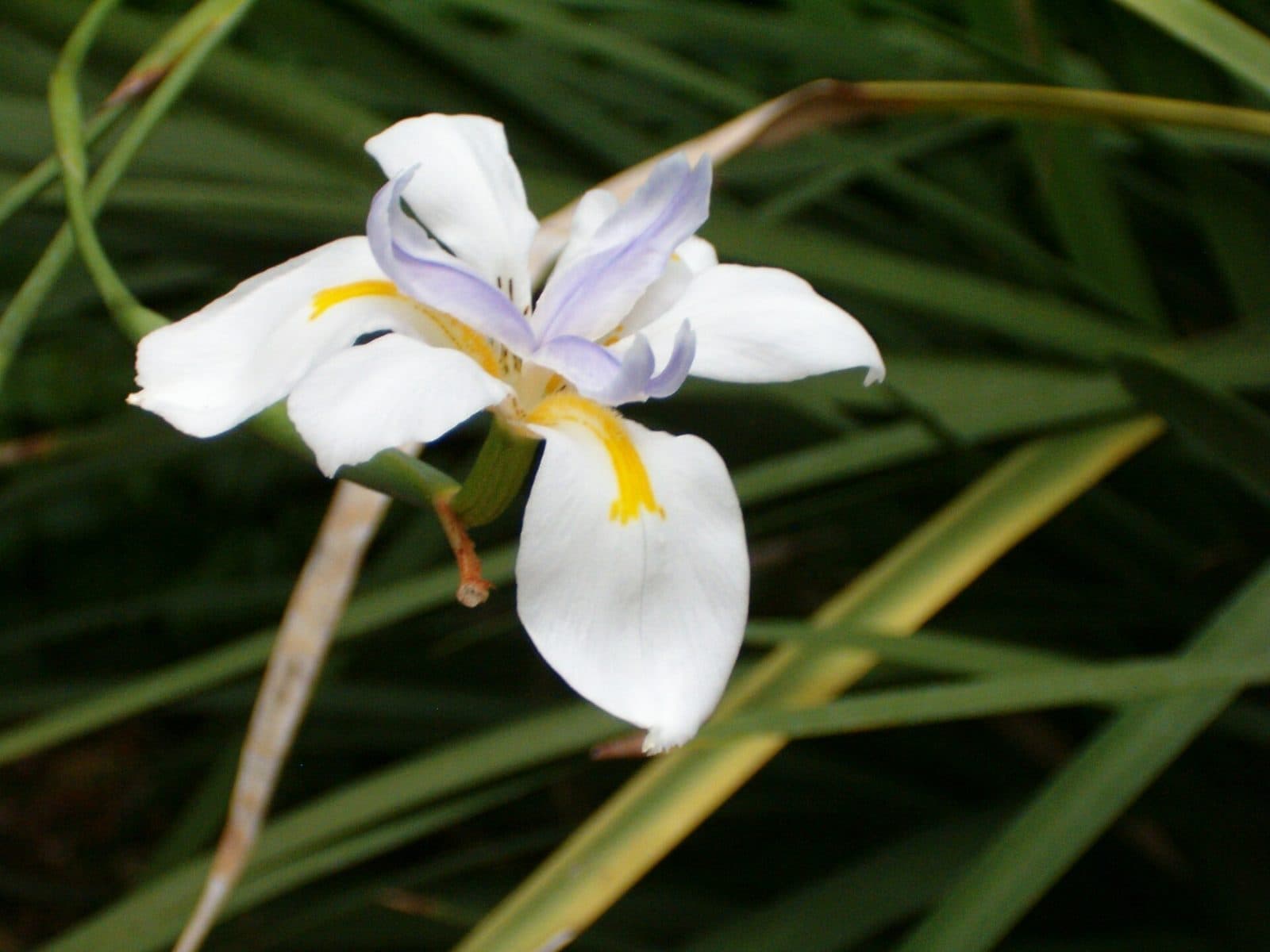
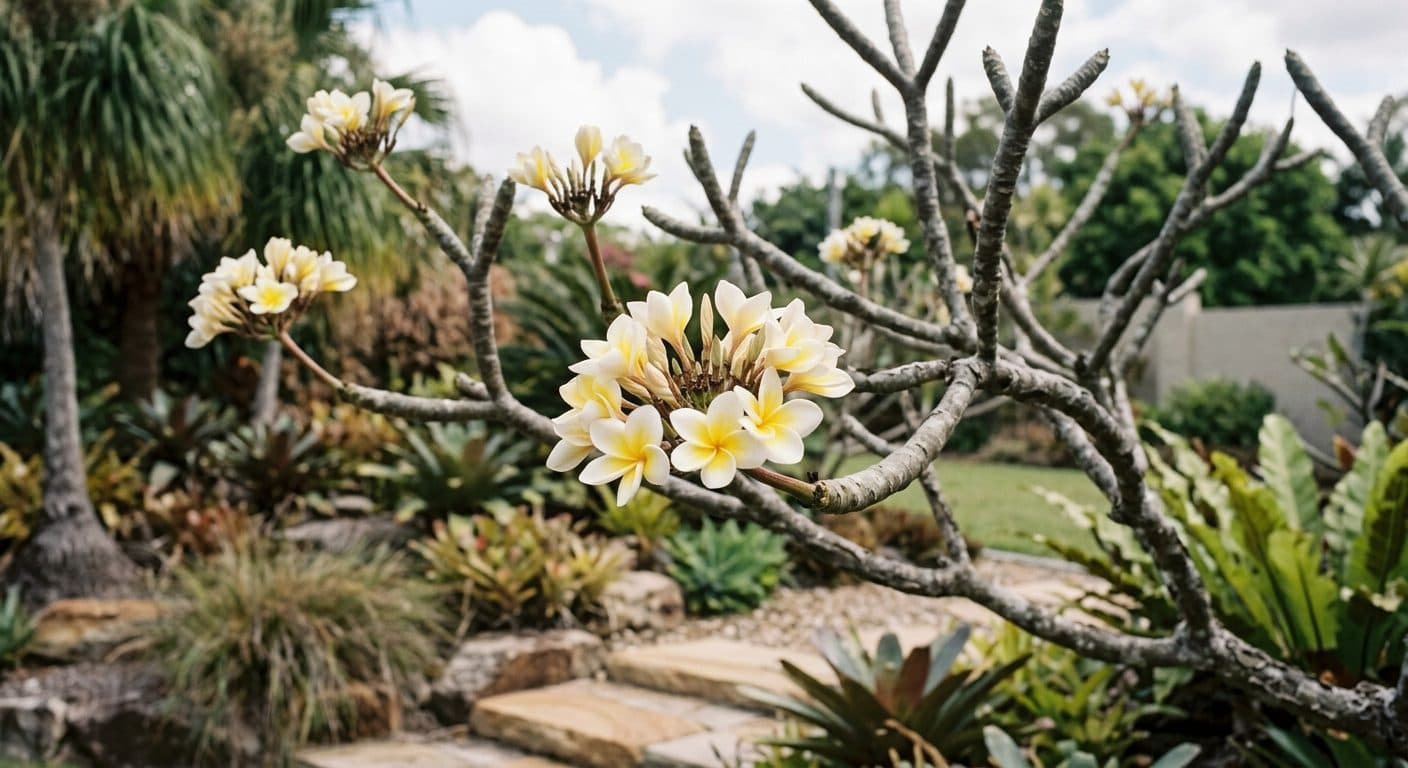
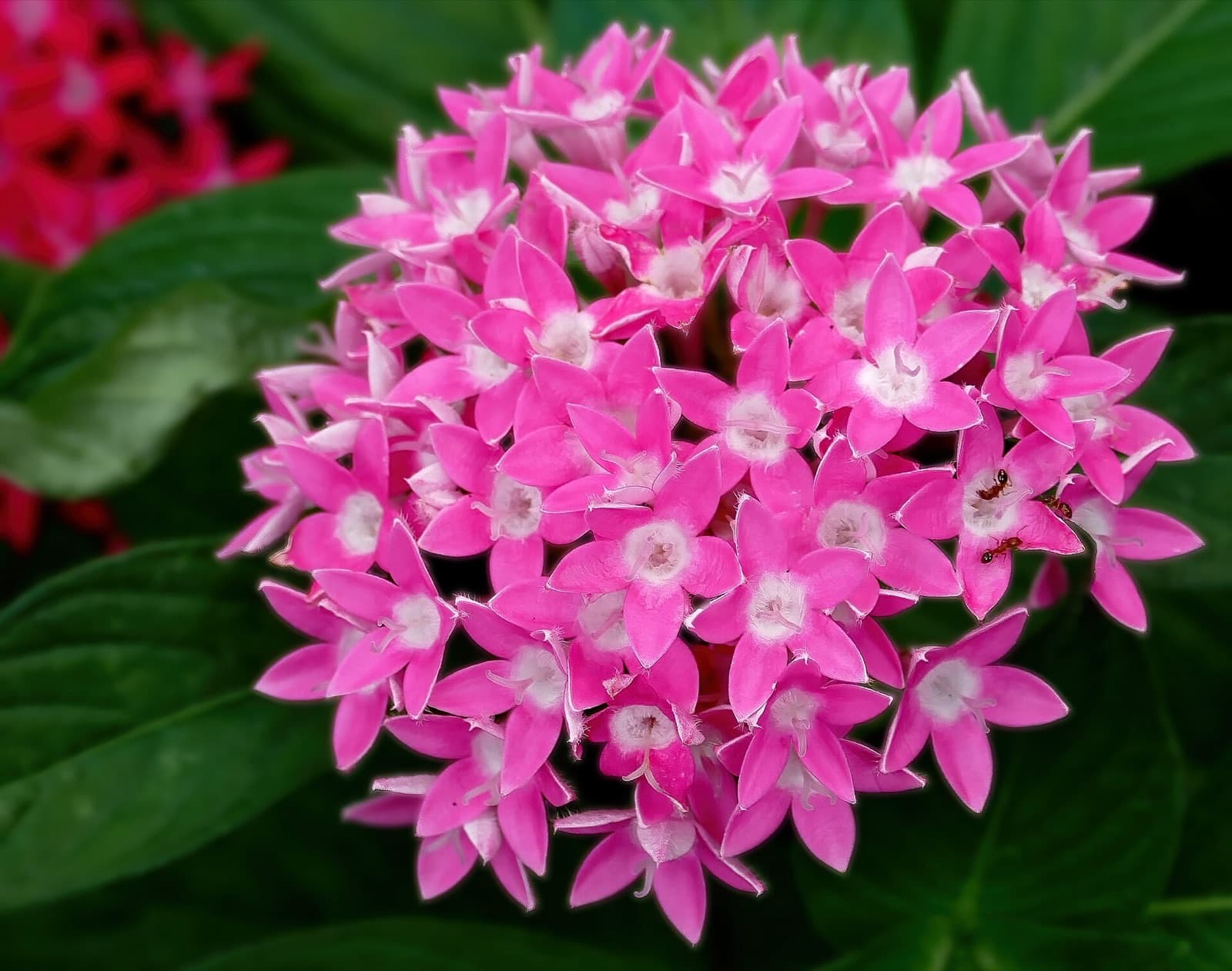
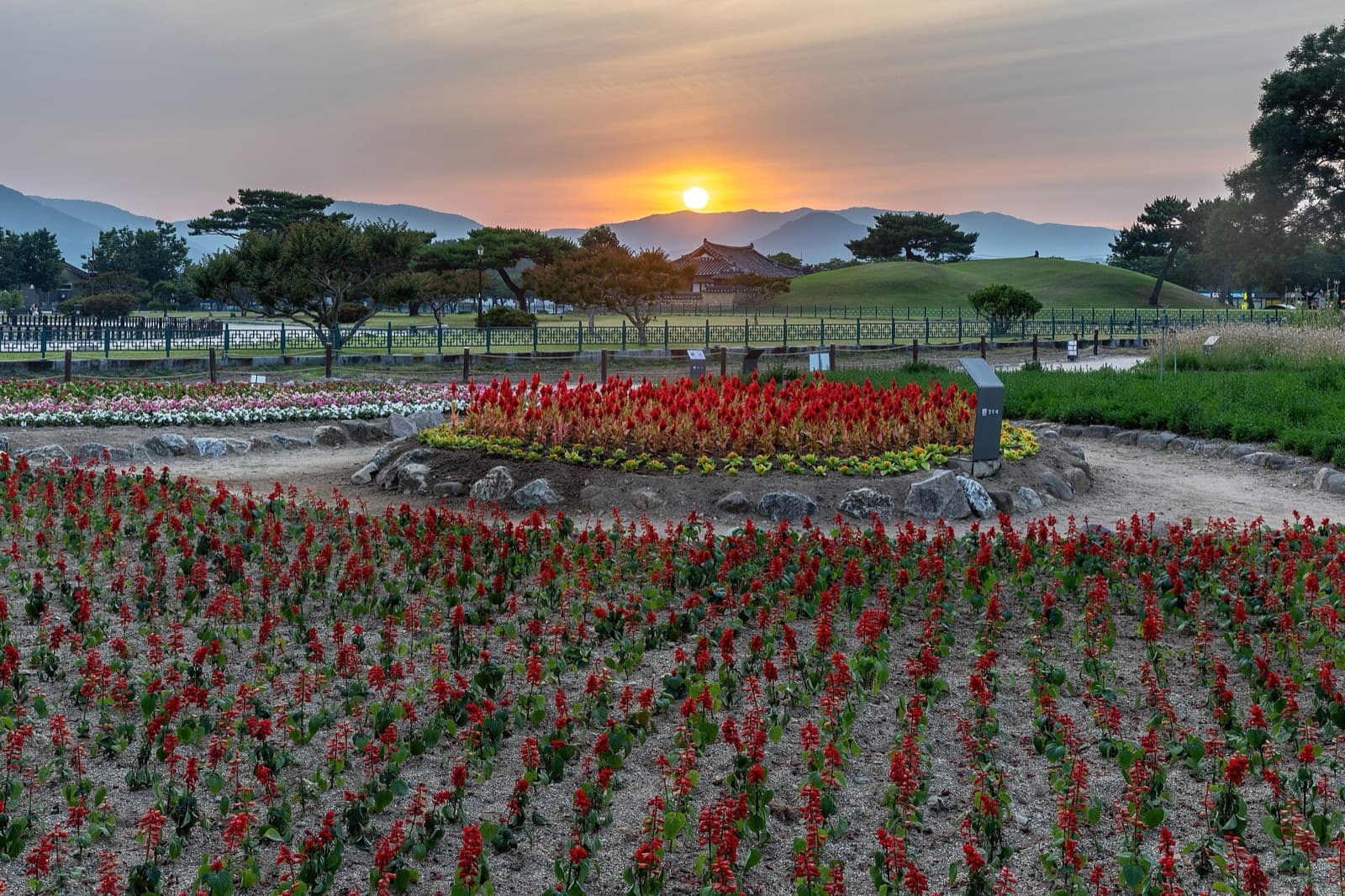
For a bright, hot deck or courtyard, lean on plants that already like it dry. Agave (Agave) and aloe (Aloe) are the obvious pot plants, sculptural, sharp-draining and happy to be forgotten, though the soft-leaved, spineless Agave attenuata is the safe pot choice and the spiny species belong well away from walkways and anywhere kids and pets run. Cordyline (Cordyline) gives burgundy and pink colour that holds up in strong light, and dietes (Dietes) is strappy and close to indestructible. For something with flowers, pentas (Pentas) keeps blooming through the heat and attracts butterflies, and salvia (Salvia) will flower for long stretches if you give it sun and a trim. A frangipani (Plumeria) in a big pot is a classic Queensland sight and loves a hot, drier spot, with the bonus that it drops its leaves in winter, which suits a deck that wants the sun back.
Shaded courtyards and covered decks
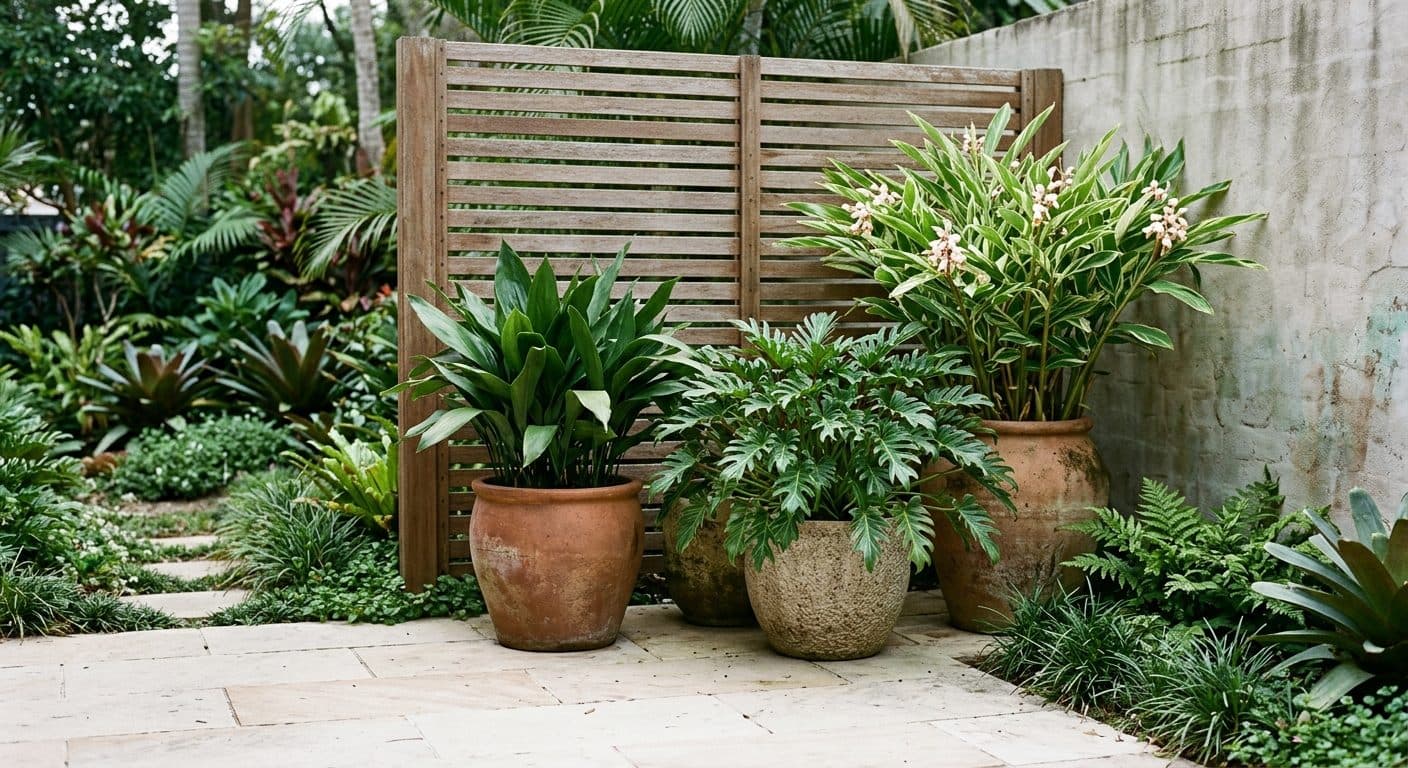
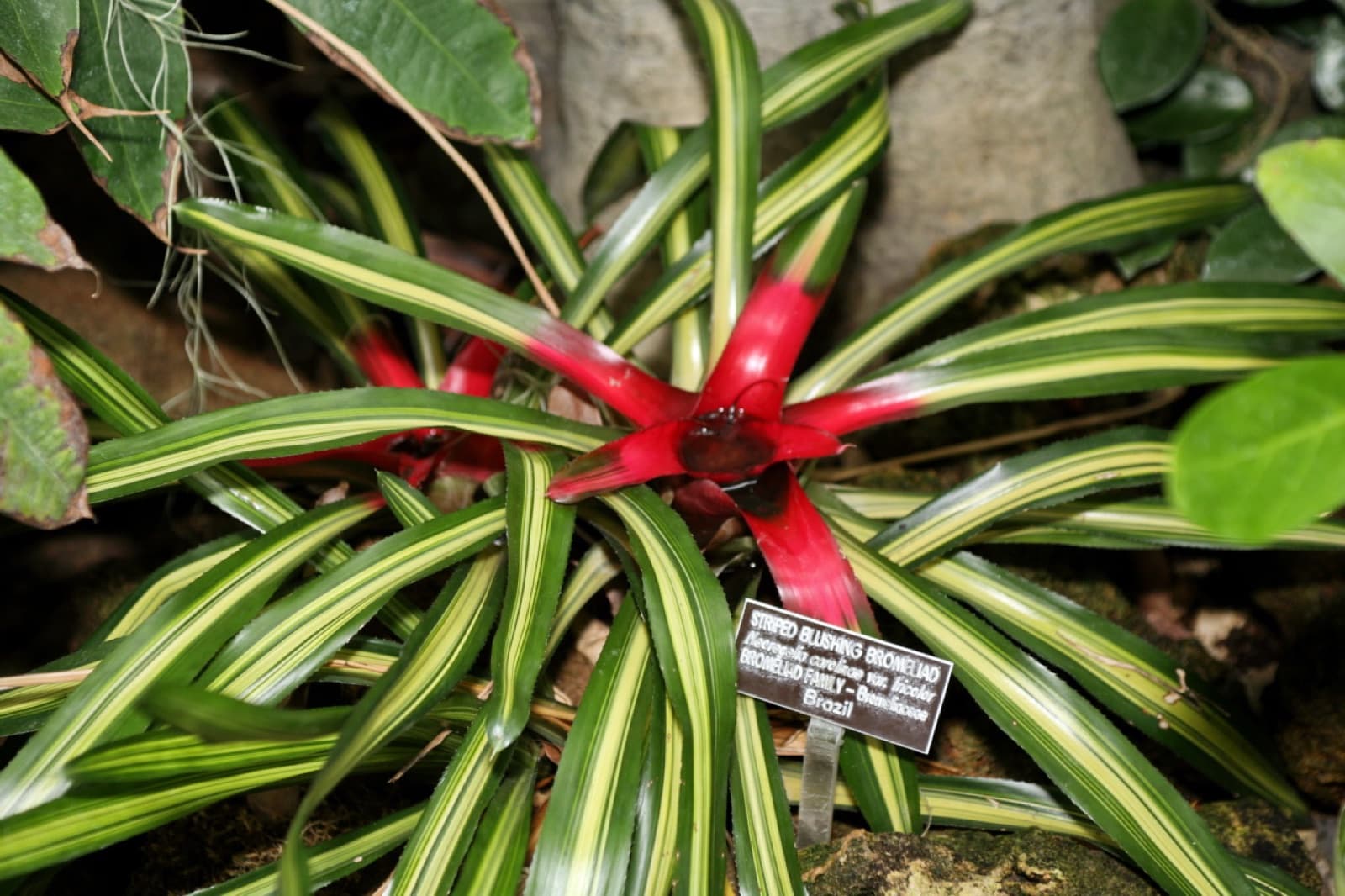
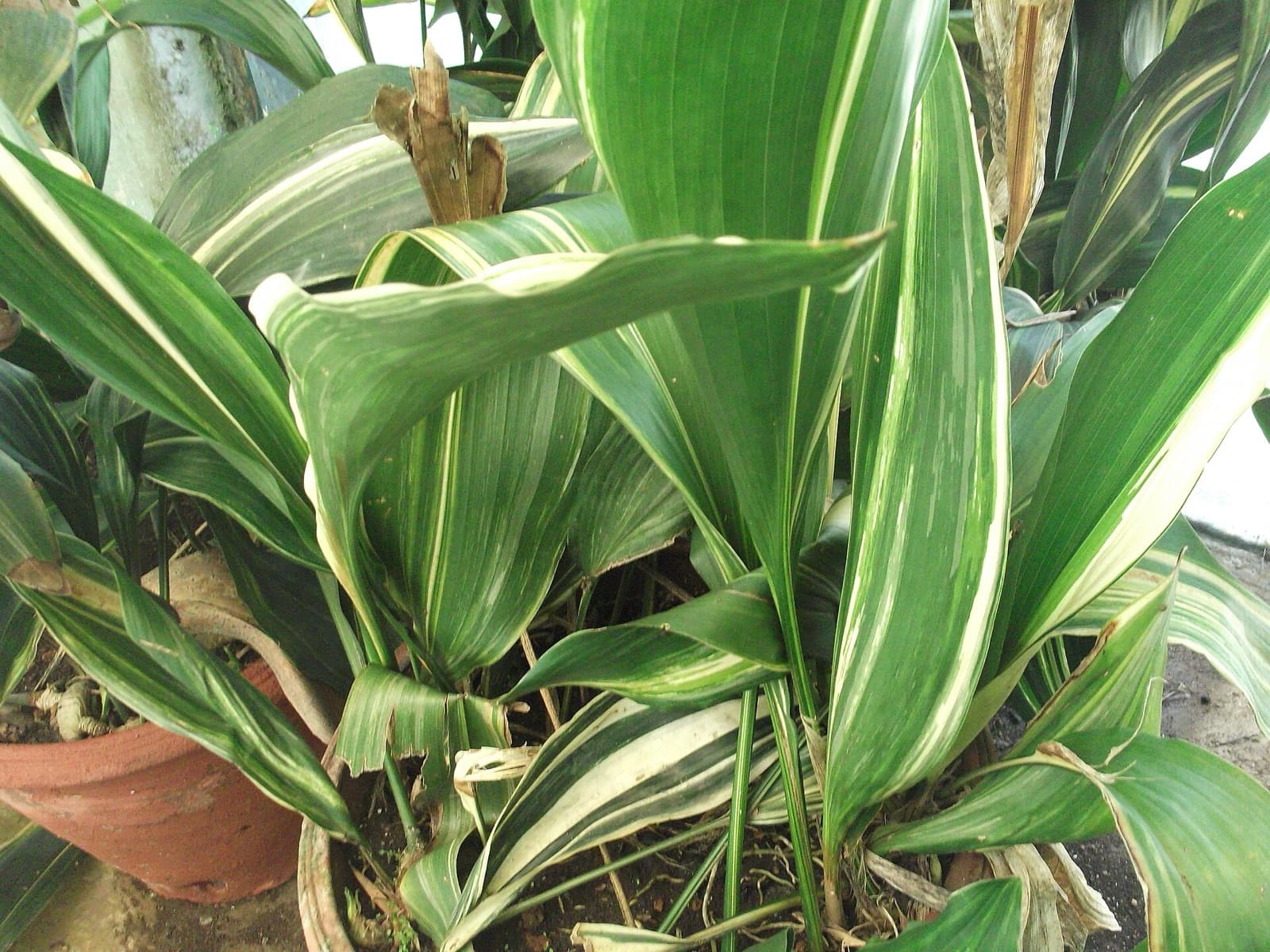
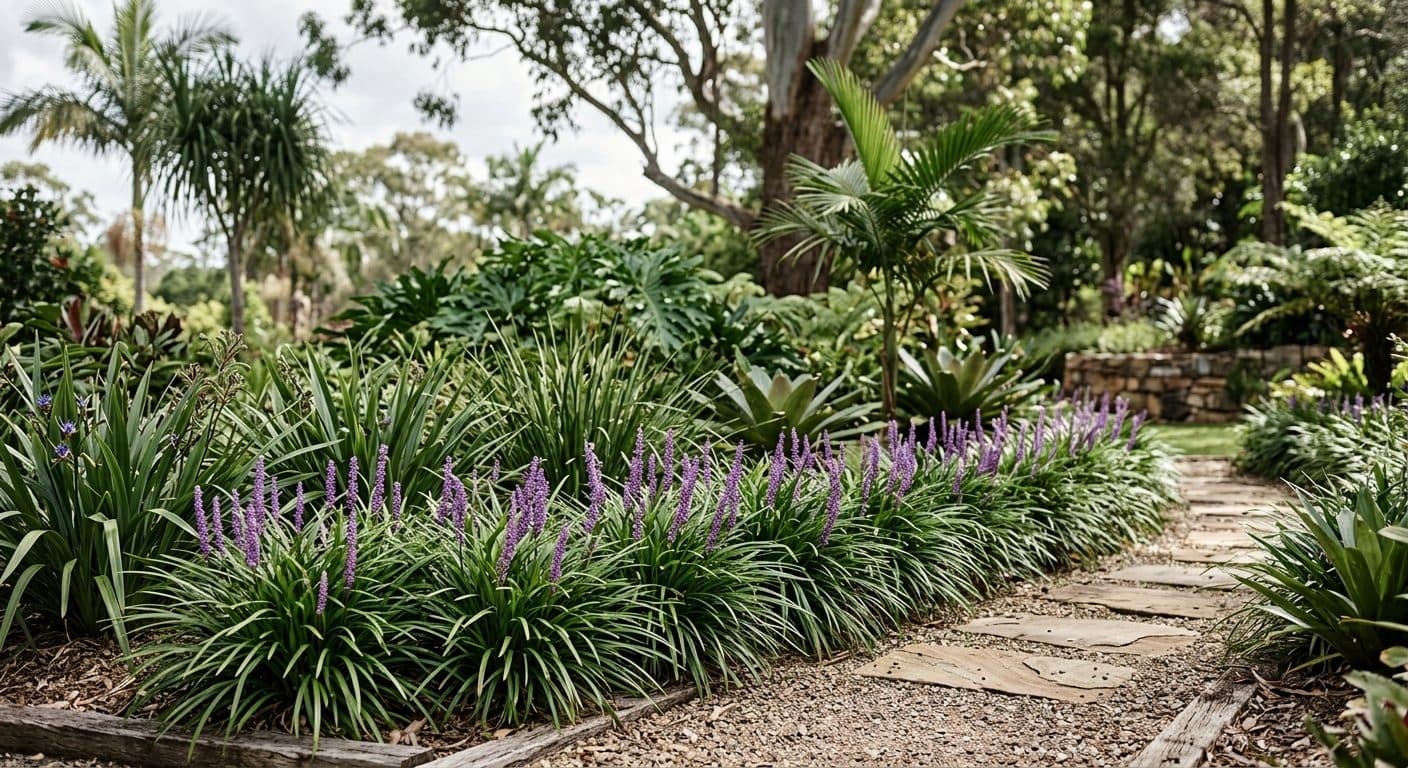
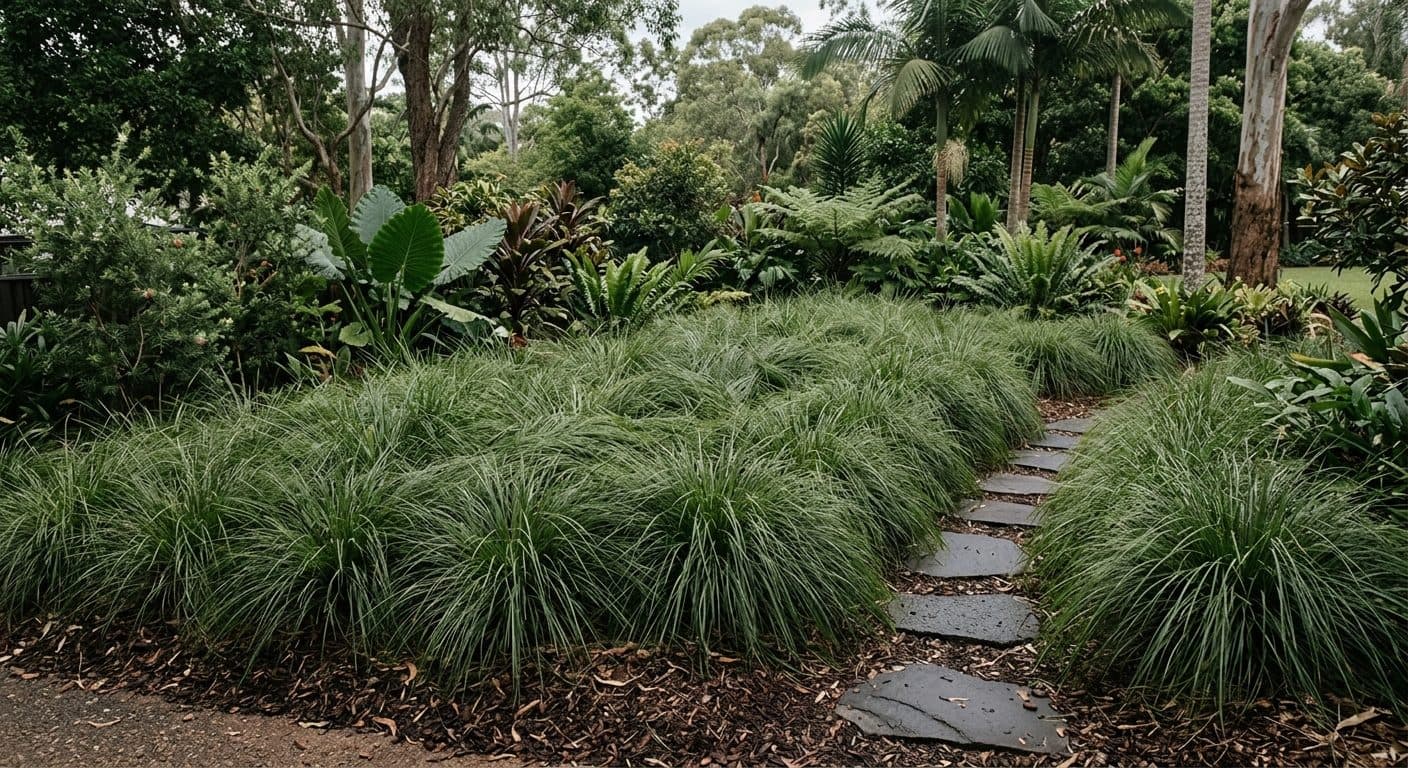
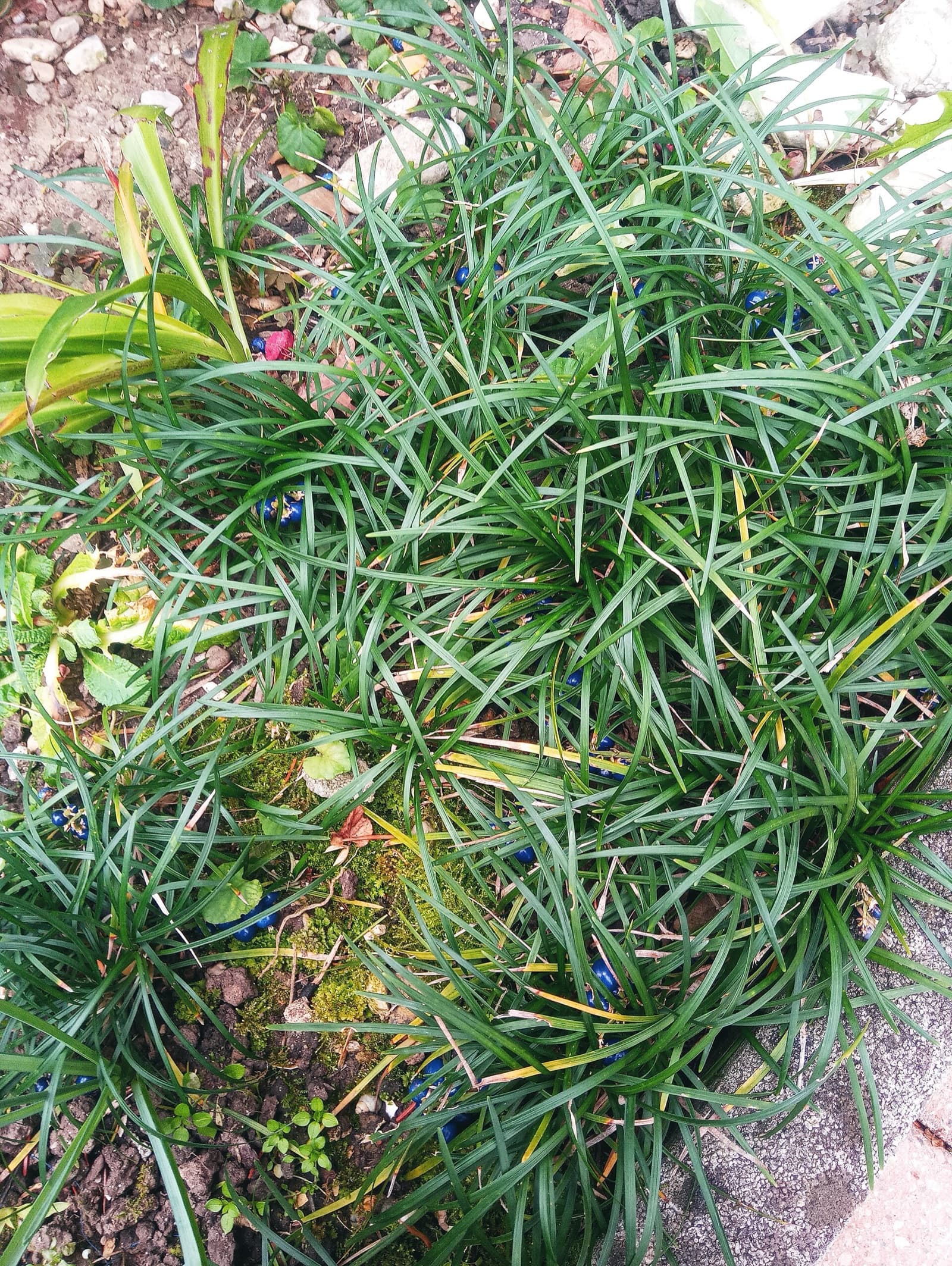
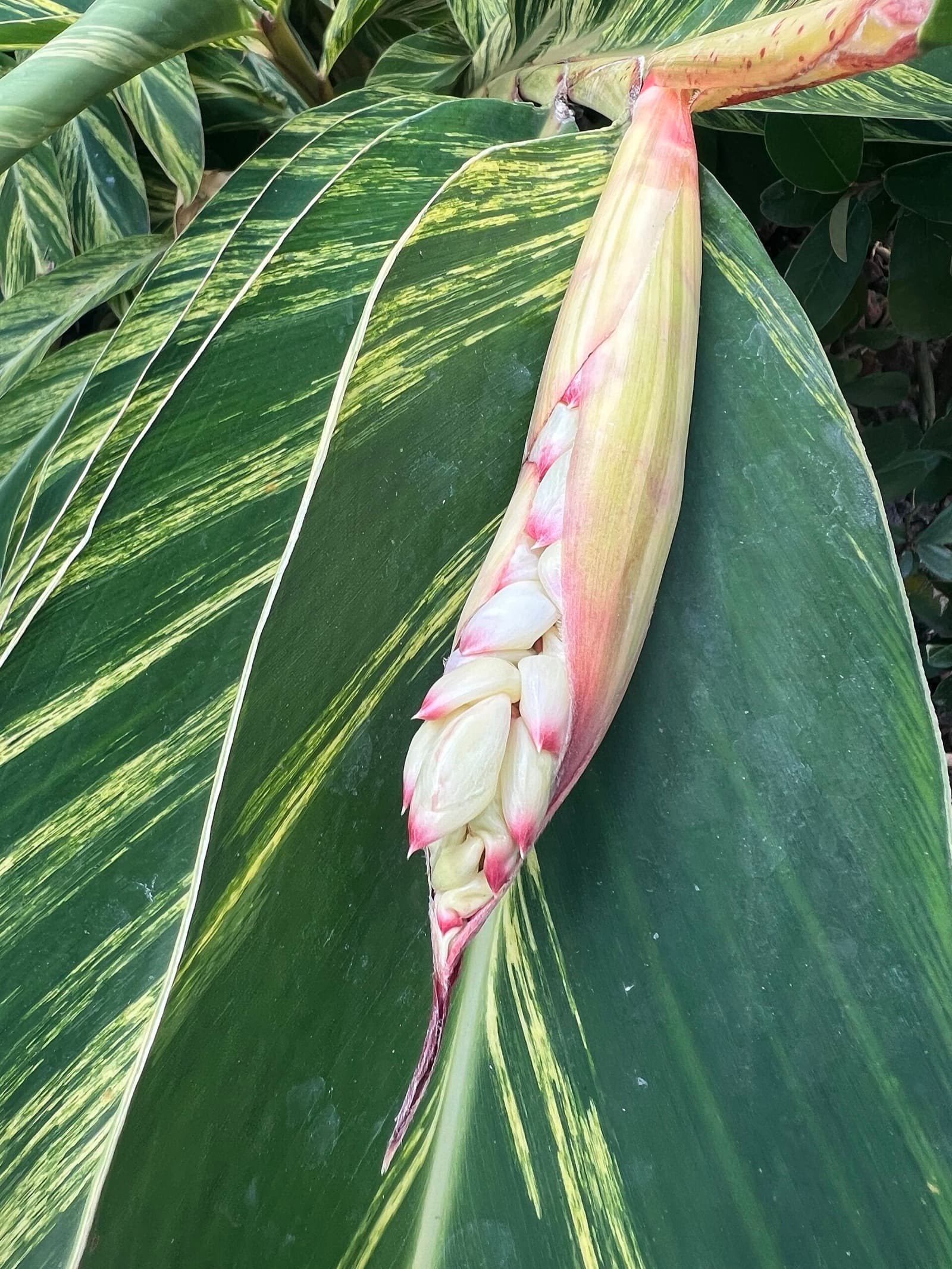
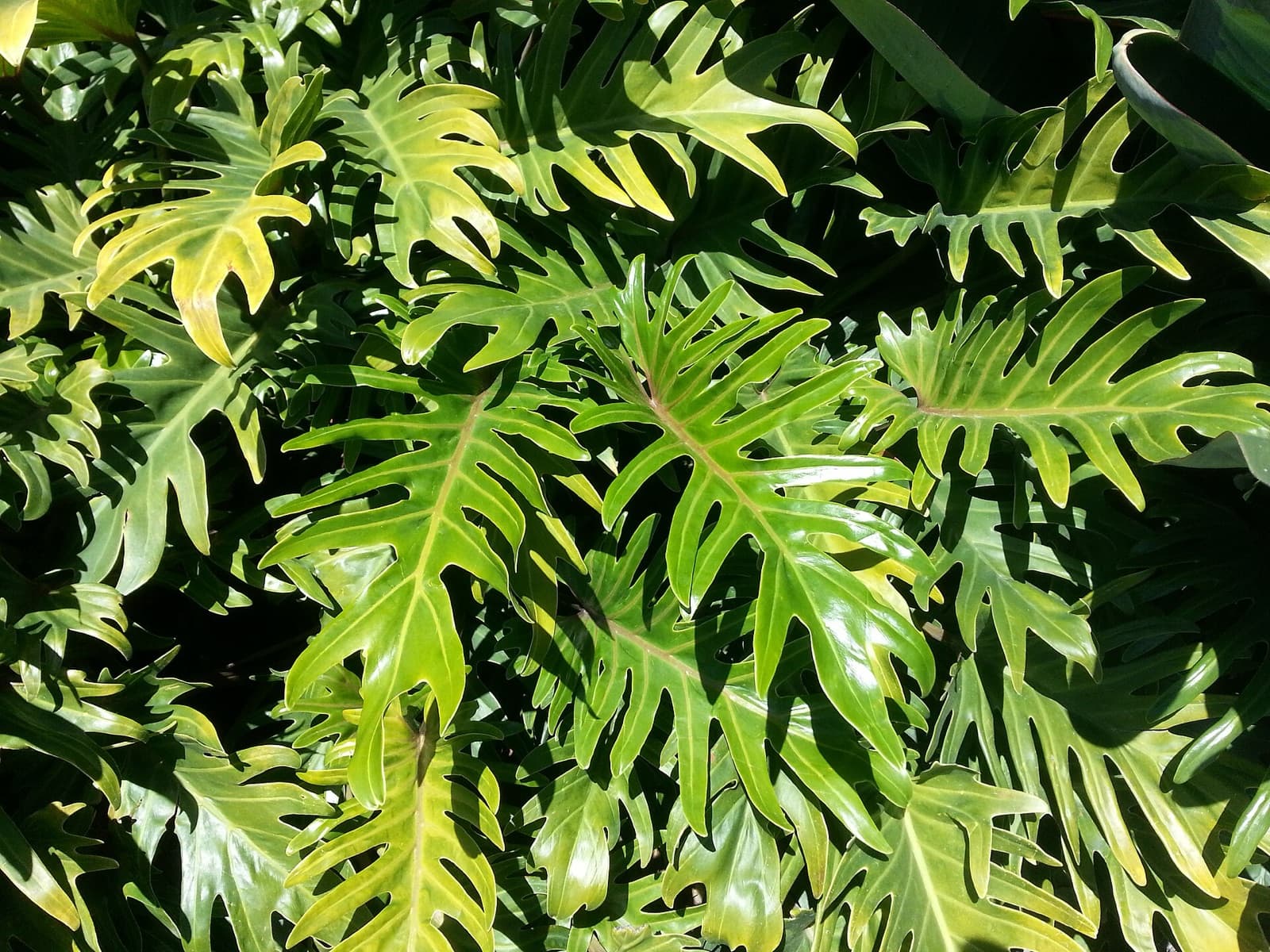
Shade is kinder to pots, because the mix stays cooler and moister, but the plants need to be ones that actually want low light. Cast iron plant (Aspidistra) is the great survivor and lives up to its name in deep shade, xanadu (Philodendron) brings glossy, tropical leaves, and ornamental ginger (Alpinia) gives height and a lush, jungly feel in a large pot where there's bright shade and a bit of shelter, though it spreads, so expect to divide it every couple of years. Bromeliads (Bromeliad) are another easy one and add texture without much fuss. For a calmer, more formal courtyard look, mondo grass (Ophiopogon) and liriope (Liriope) planted as a neat mass in a long trough read as deliberate rather than dotted about. If you're working with a very small space, my notes on courtyard garden design cover how to build the whole room around one strong move.
Windy decks and balconies
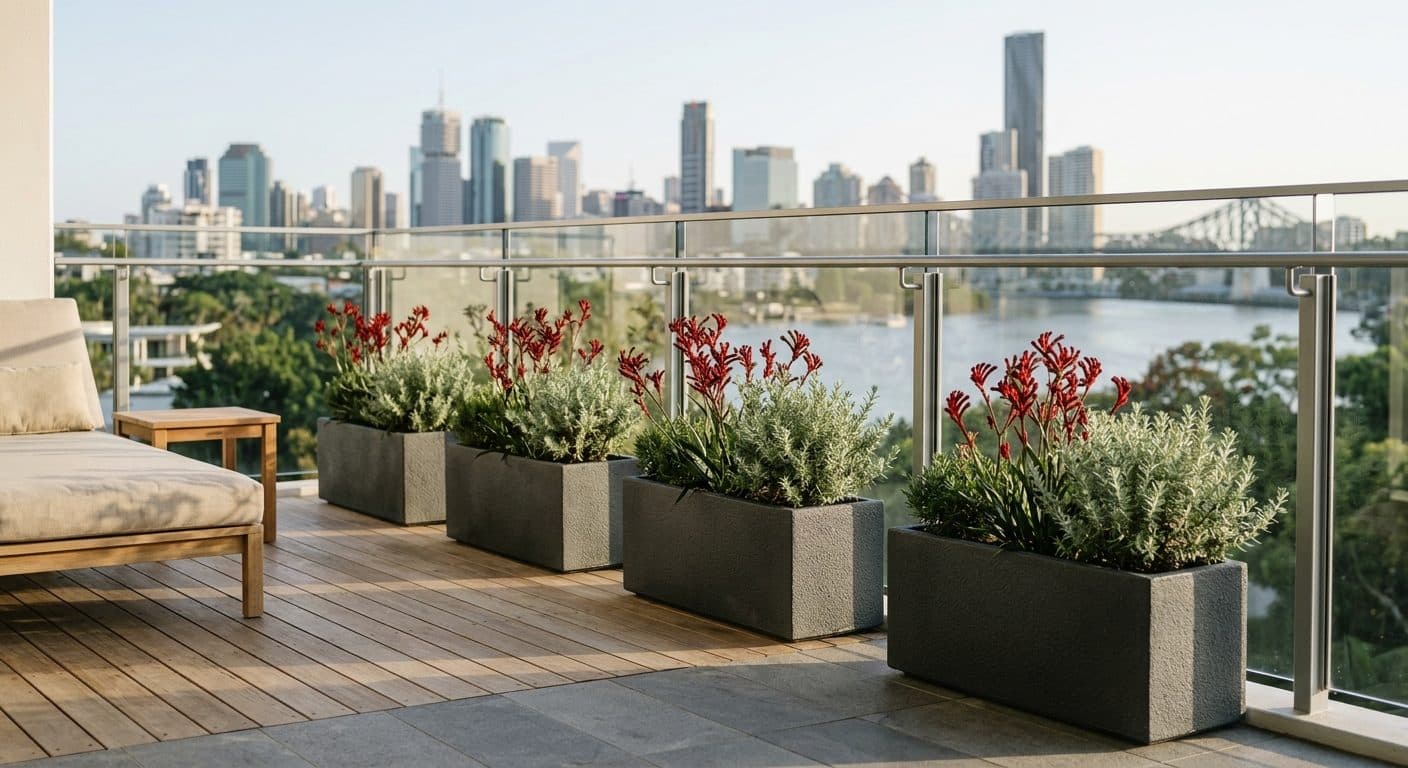
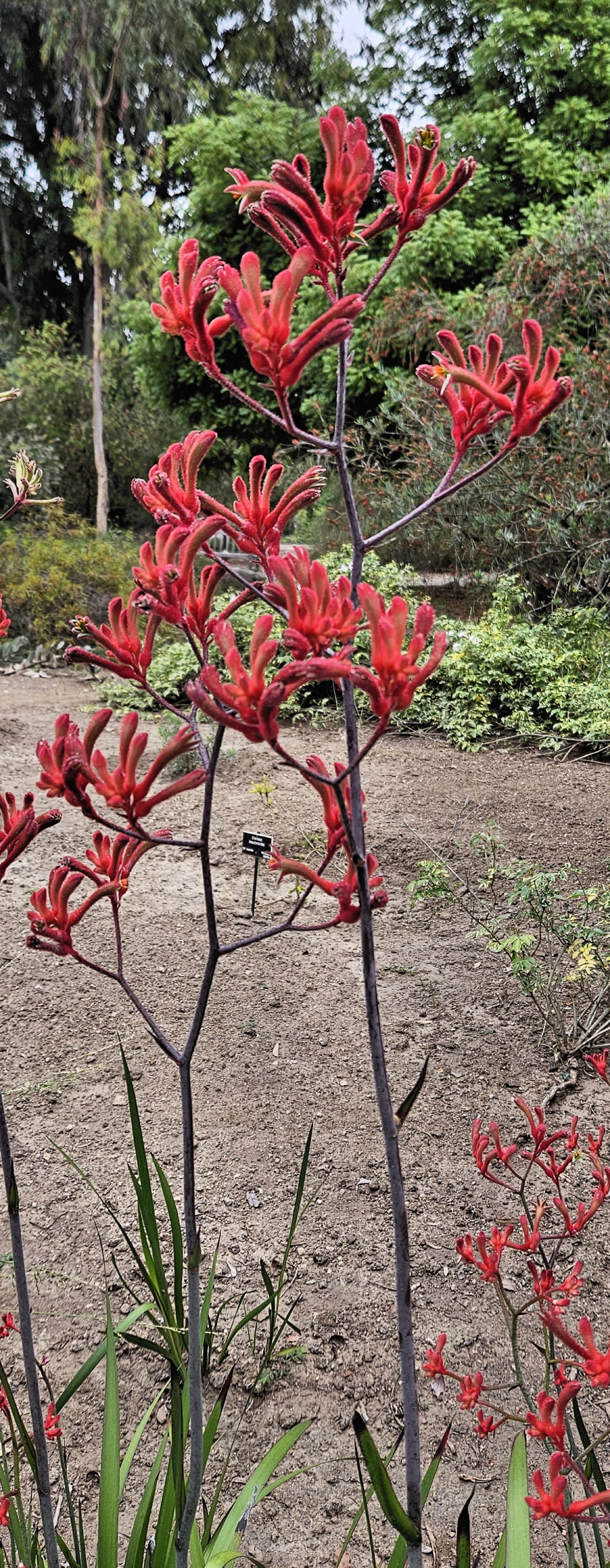
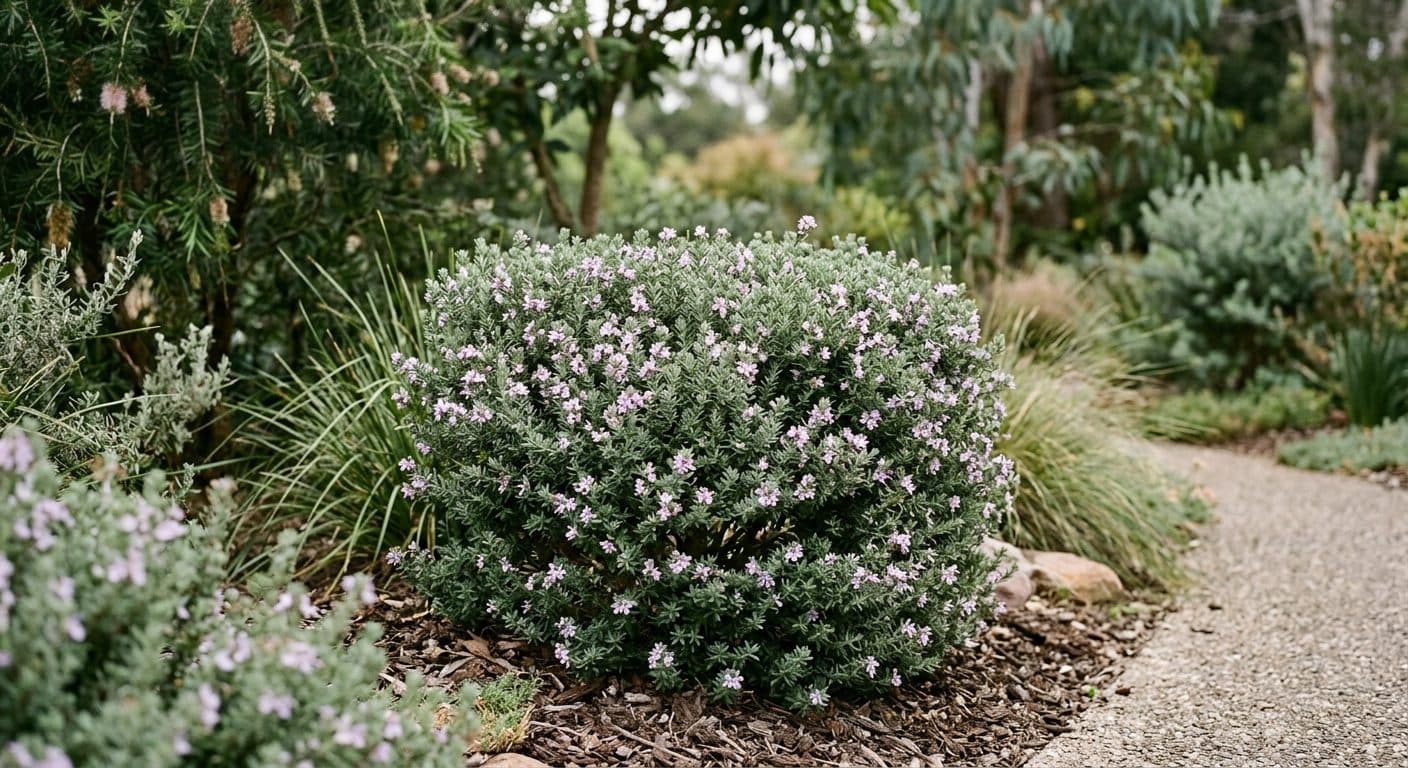
Wind is the quiet killer up high. It dries foliage faster than the roots can replace the water, and it shreds big soft leaves such as banana-type plants. For exposed spots I reach for compact, tough, small-leaved plants, and westringia (Westringia) and kangaroo paw (Anigozanthos) are both good candidates in a sunny, airy position. Lomandra (Lomandra) is another reliable tussock that shrugs off a blow. Low, wide planters also sit more securely than tall narrow pots, which can topple, so on a balcony I favour a matched row of low planters along the edge over a few tall pots, and I keep anything heavy or breakable away from balustrade tops.
Edible and scented pots
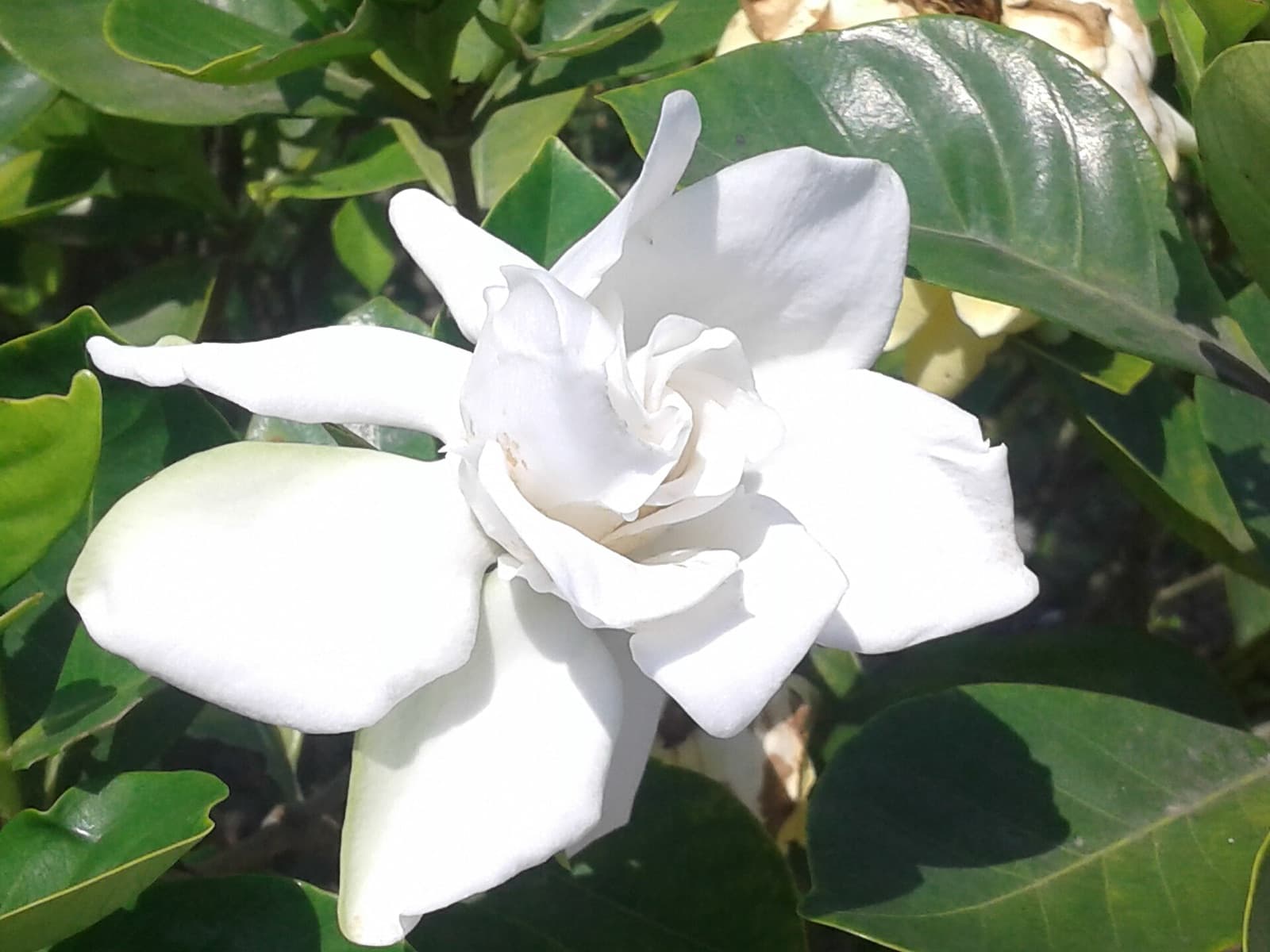
If you want something you can eat or smell, a finger lime (Citrus australasica) is a good choice for a big pot in full sun, and a gardenia (Gardenia) gives scent near a door or seating spot where you'll notice it. Both want regular feeding and watering, so treat them as the 'looked after' pots and keep them close to the tap. Herbs such as rosemary and thyme suit the same sunny, free-draining conditions as the succulents.
Make it look designed, not accidental
The mistake I see most is the scatter: a dozen small mismatched pots of different plants that all need watering and none of which has any impact. I group three or five pots of varied height in one material family, repeat a plant or colour across the space, and let one larger pot be the star. It's less to look after and it looks far calmer. The same restraint runs through my approach to small garden design, where limiting the palette is what makes a tight space feel generous.
If you'd like a pot layout worked out around your actual deck, courtyard or balcony, a Design Discovery Consultation is where I walk the space and sort the light, wind and watering before anything is bought. For the wider palette, my guide to the best plants for Brisbane gardens sorts plants by the job each one does.

Ready to start designing?
We're currently taking on new landscape design clients across Brisbane. Reach out for a personalised quote, whether you're a homeowner or a design professional.
Book a Free Discovery Call