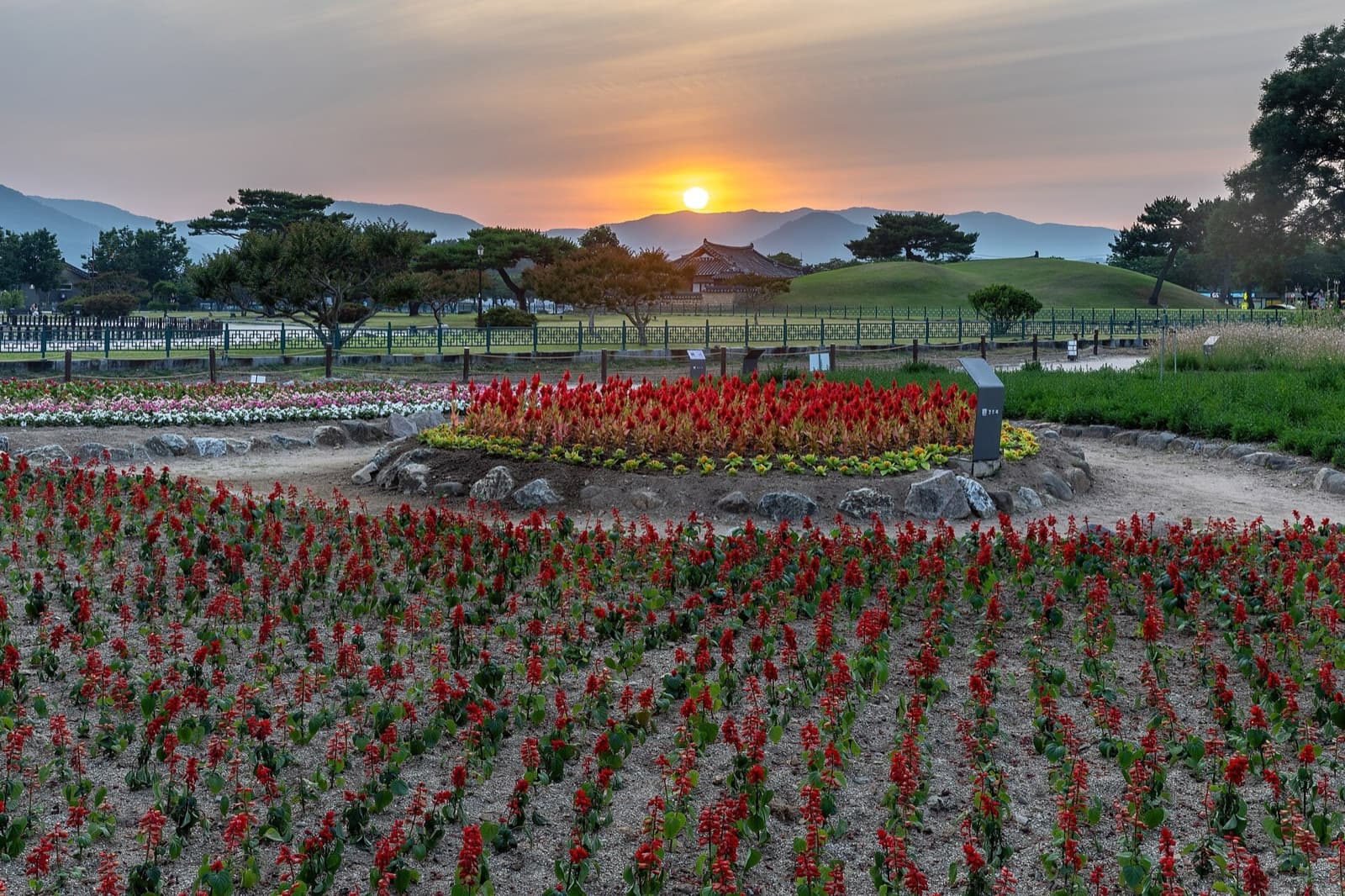
Salvia species, the ornamental sages whose upright spires of colour flower for most of the year and hum with bees and honeyeaters.
Salvia species · Also known as Sage, Ornamental Sage
Salvia is the workhorse of the flowering border, a huge and generous family of ornamental sages that runs from knee-high mounds to shoulder-height spires, throwing spikes of red, purple, blue, pink and white for the best part of the year. Most people call them salvias or simply sage, and while they are cousins of the culinary herb, the ones we plant for colour are the ornamental kinds grown for their flowers and the birds and bees they bring in.
They are one of the most reliable ways to build a Brisbane version of a cottage garden, giving the massed, romantic colour people love from the English pictures without the sulking that true English perennials do in our heat. Where a delphinium melts by Christmas, the right salvia keeps flowering, humming with pollinators, straight through a subtropical summer.
In a Brisbane garden
It is worth being clear that salvias are not natives, they hail mostly from the Americas and the Mediterranean, but the tougher ornamental kinds have earned a permanent place in Brisbane gardens because they cope with our climate so well while doing a job few natives do as showily. Given full sun and free-draining soil they flower for most of the year here, shrug off both drought and a summer downpour, and keep a steady traffic of honeyeaters and bees moving through the garden, which is exactly the long-season colour a cottage-style planting lives on.
The one habit they reward is a firm cut-back, because left alone many salvias sprawl, go woody and flower less, whereas a hard prune once or twice a year, and a lighter tidy-up in between, keeps them dense, upright and covered in bloom. Match the species to the spot, since the family ranges from low border fillers to tall back-of-bed spires, give them the sharp drainage they insist on, and they become one of the most dependable and generous colour plants you can grow in a subtropical garden.
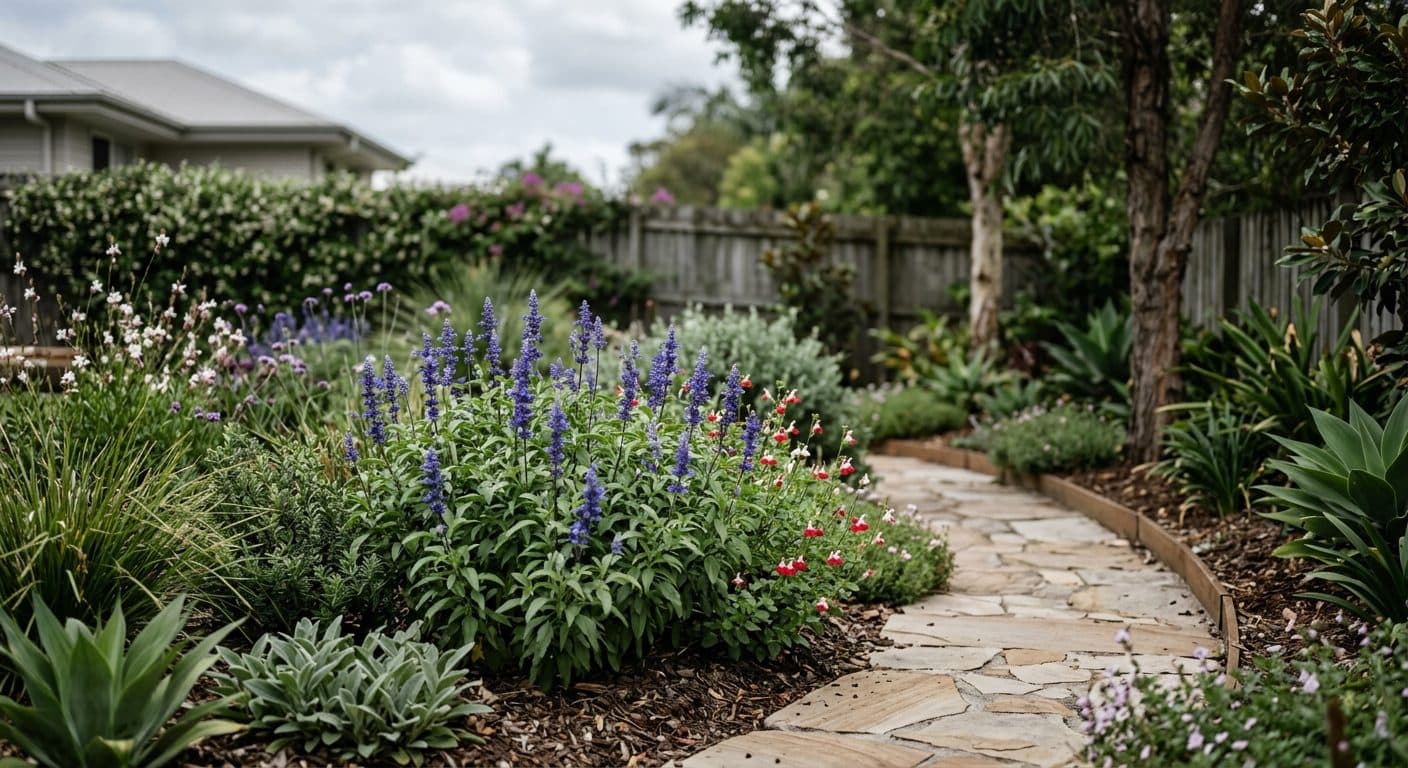
Photo: Basile Morin, CC BY-SA 4.0, via Wikimedia Commons
How we design with it
We use salvias as the flowering backbone of a border, choosing the height to suit the position and repeating a few well-behaved kinds through a bed so the colour reads as rhythm rather than clutter. They are central to the way we build a cottage garden that can actually survive a Brisbane summer, standing in for the fragile English spires with something far tougher and longer-flowering.
Because they drink little once established and flower so hard for so long, they also sit comfortably in our low-maintenance garden design palettes, where a couple of hard prunes a year is the whole maintenance story. We plant them in drifts for impact, pair them with grasses and silver foliage that flatter the flower spikes, and place the bird-and-bee favourites where that activity can be watched from a window or a seat.
Common questions
Want cottage colour that lasts through a Brisbane summer?
We're currently taking on new landscape design clients across Brisbane. Reach out for a personalised quote, whether you're a homeowner or a design professional.
Book a Free Discovery Call