Low-maintenance garden design for Brisbane's relentless growing season.
In a climate where a hedge grows a hand-width a month, the hours your garden demands are decided at the design stage, so that's where we cut them.
Brisbane gardeners rarely struggle to keep plants alive. They struggle to keep up. Warmth, humidity and summer rain push growth at a pace that startles anyone who learned to garden further south: lawns wanting a mow twice a week in January, hedges blurring a fortnight after clipping, vines reaching the gutter by Christmas. When people search for low maintenance garden ideas in Brisbane, what they're really searching for is their weekends back.
Here's the honest bit: low maintenance isn't a plant list. It's a chain of design decisions (bed shapes, species, mulch, irrigation, edges), each one adding hours to your year or quietly removing them. We make those decisions on paper, where changing your mind is cheap.
Design decisions that remove hours
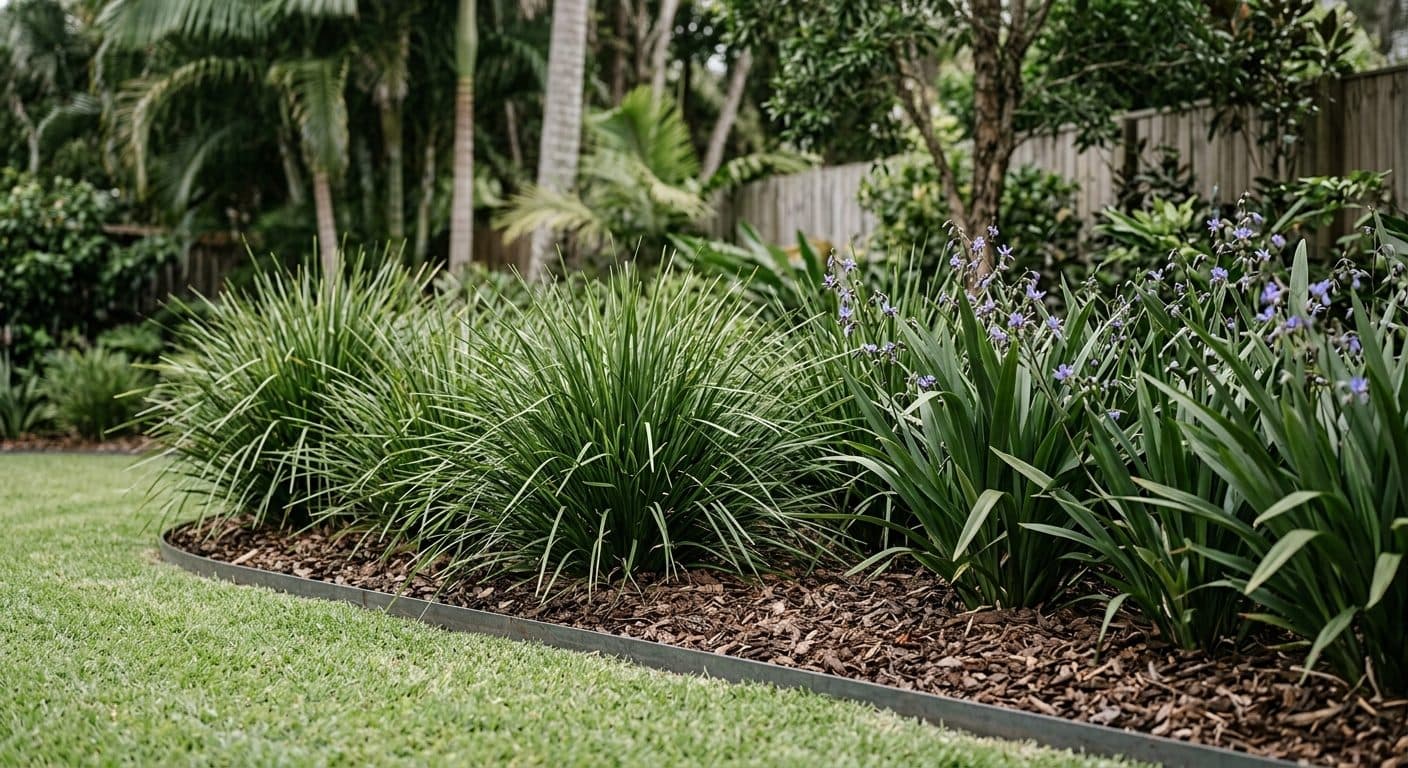
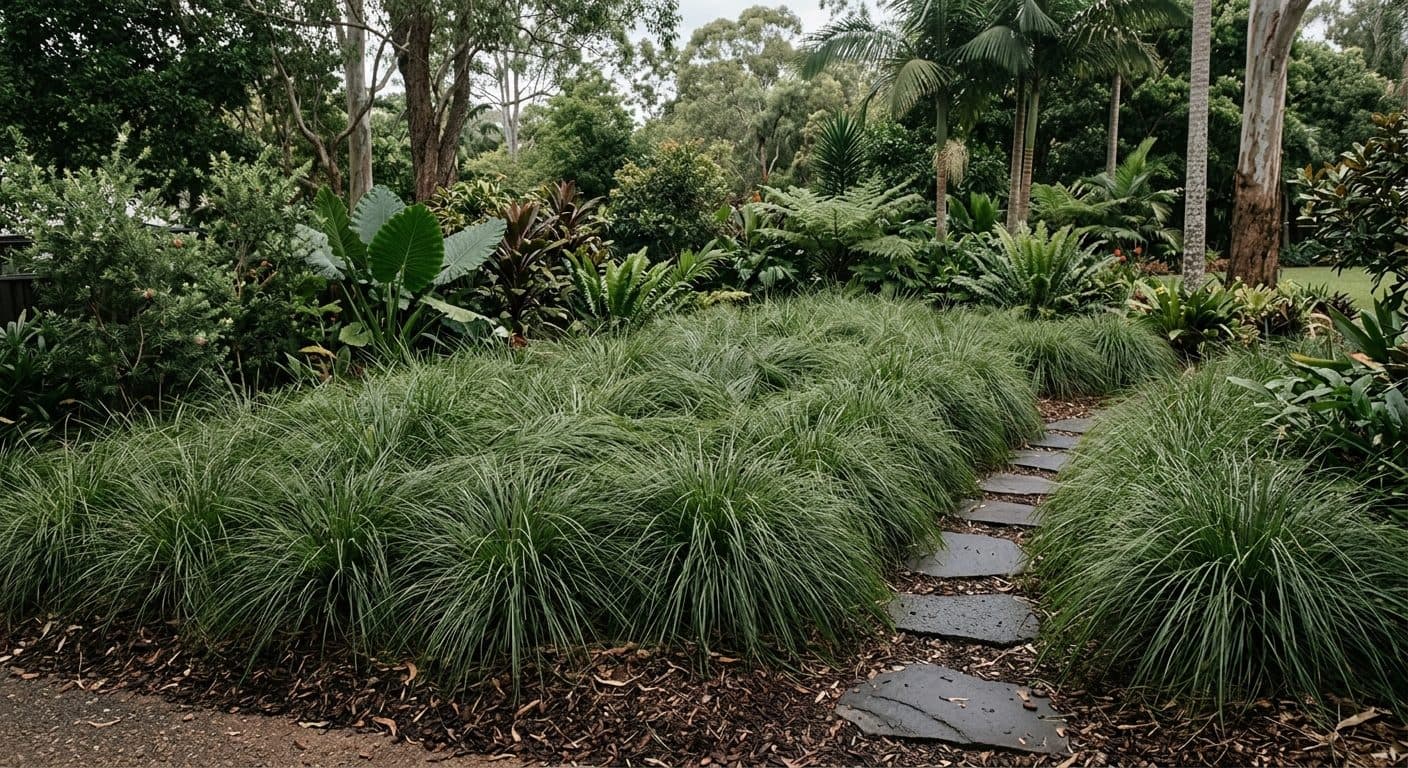
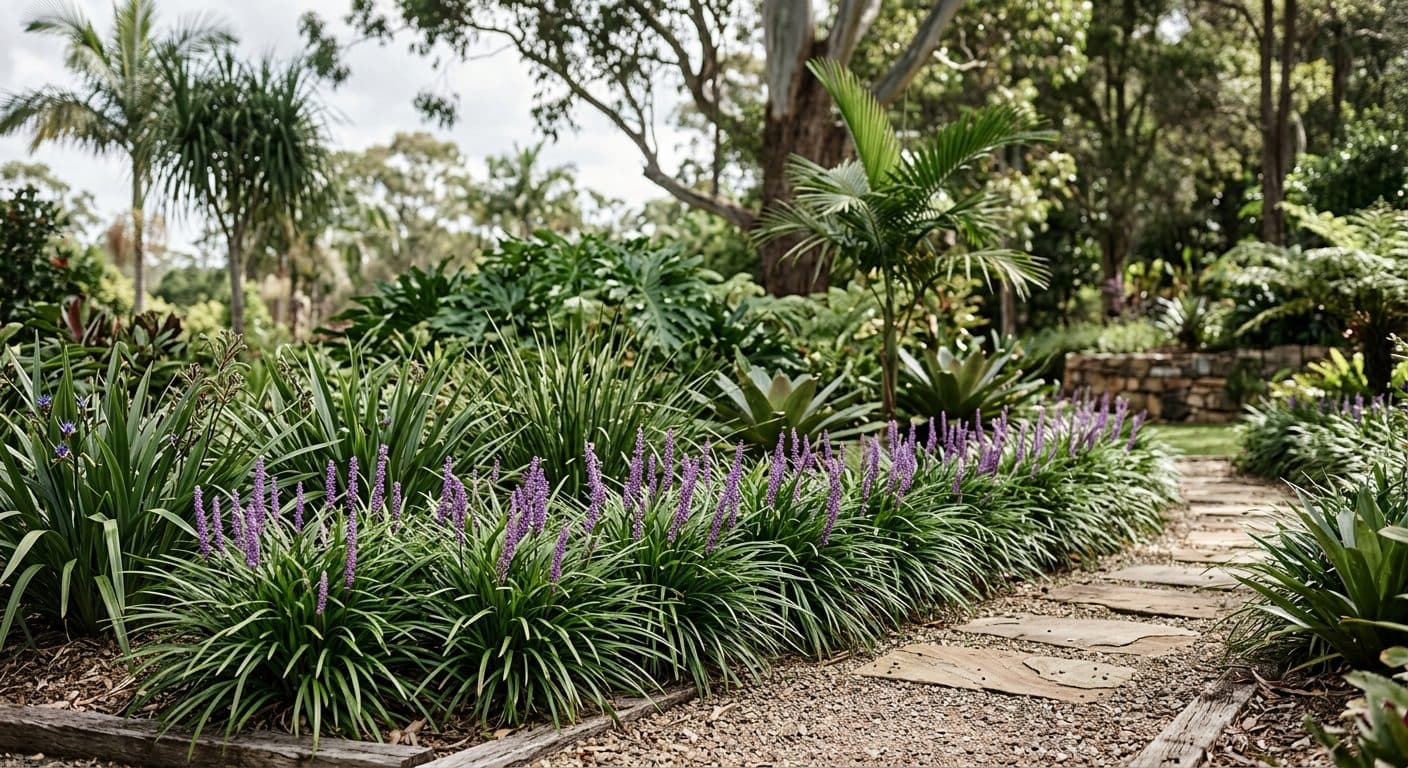
The biggest saving is structural: massed planting instead of fussy mixed borders. Twenty of one well-chosen species in a bold drift is one job: one prune, one habit to learn, no gaps for weeds to colonise. A border of twenty different plants is twenty small jobs, each on its own schedule.
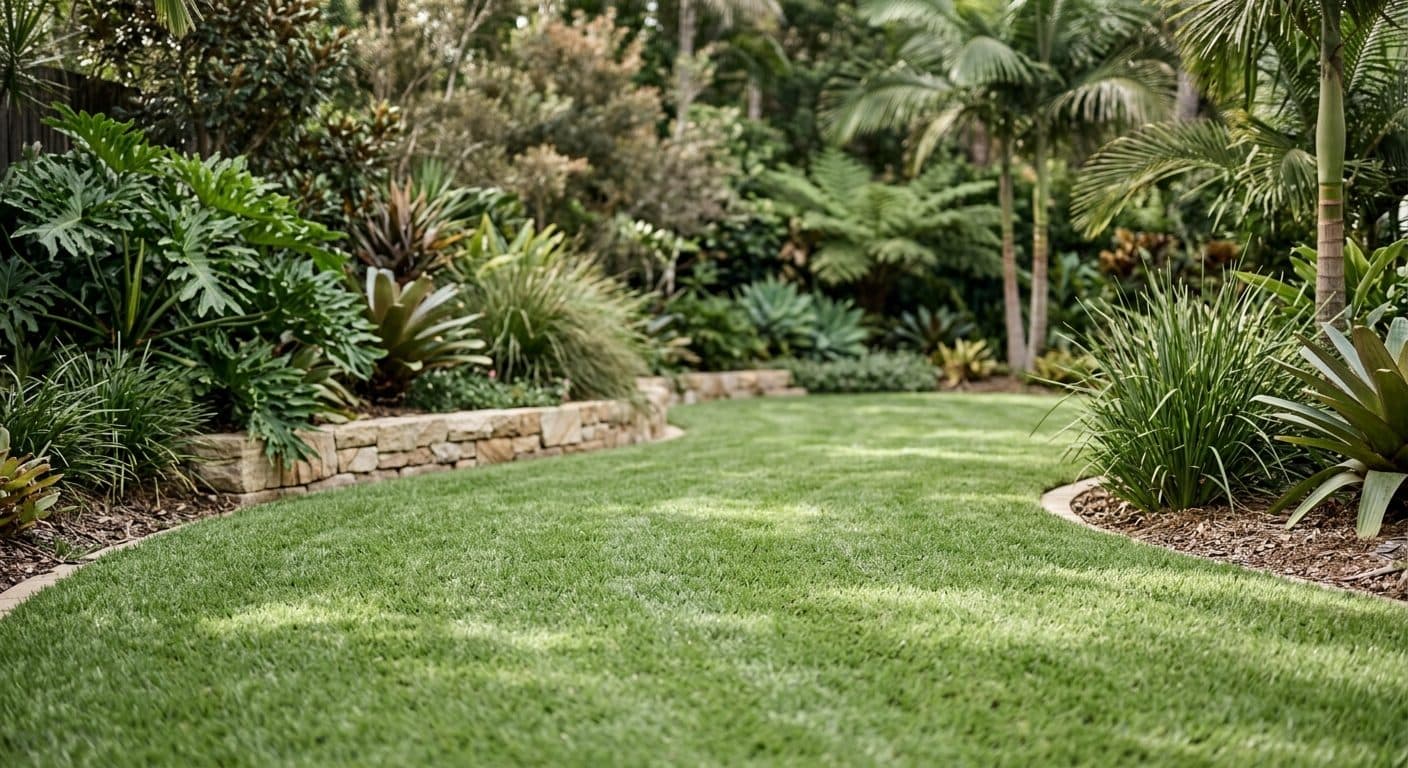
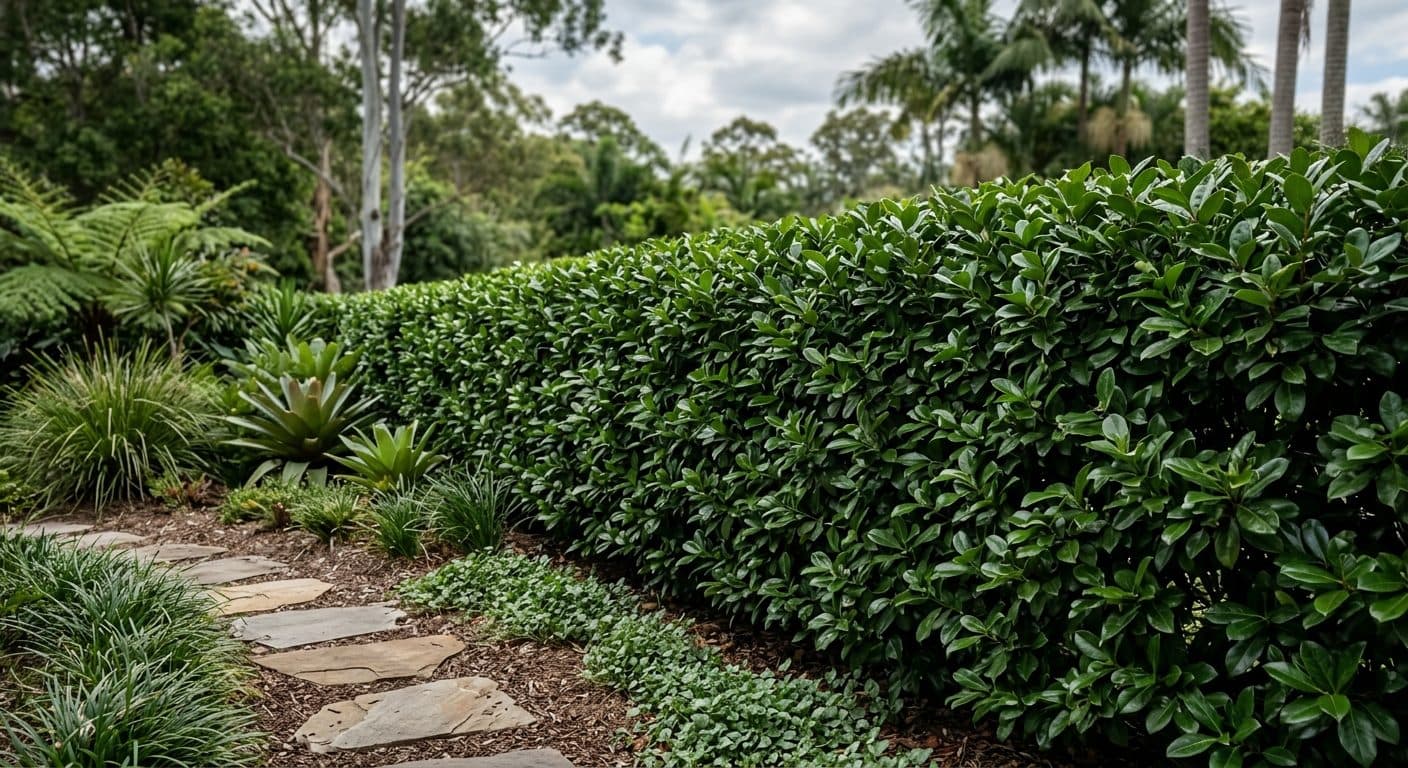
The next saving is at the edges. Lawn is fine (it's the cheapest floor a garden has), but its shape decides your workload. Long runs a mower can follow beat wiggly beds that need a whipper-snipper, and a flush steel mowing edge removes line-trimming altogether. This kind of trade-off thinking runs through our whole approach.
Low-maintenance garden plants for Brisbane
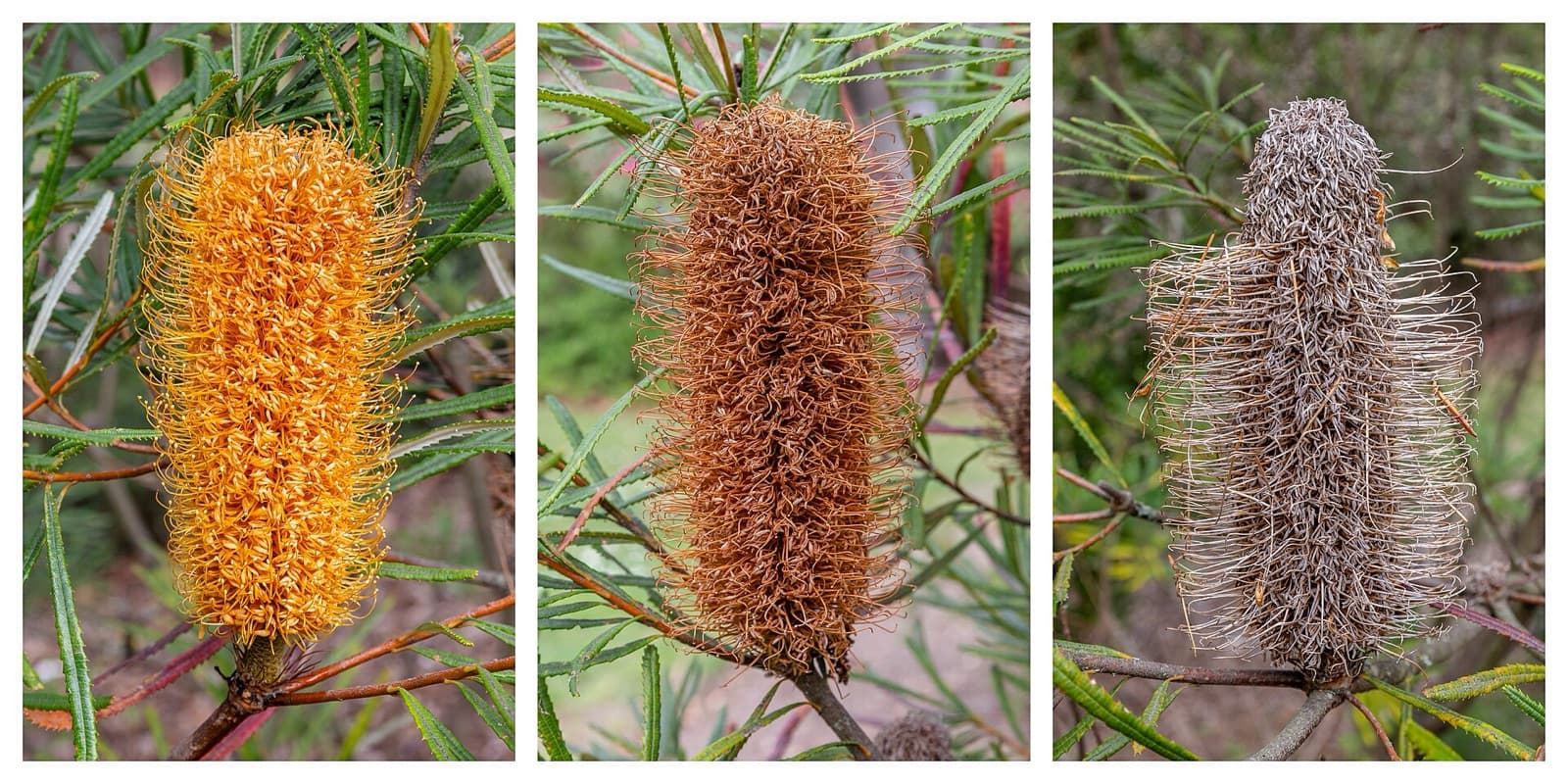
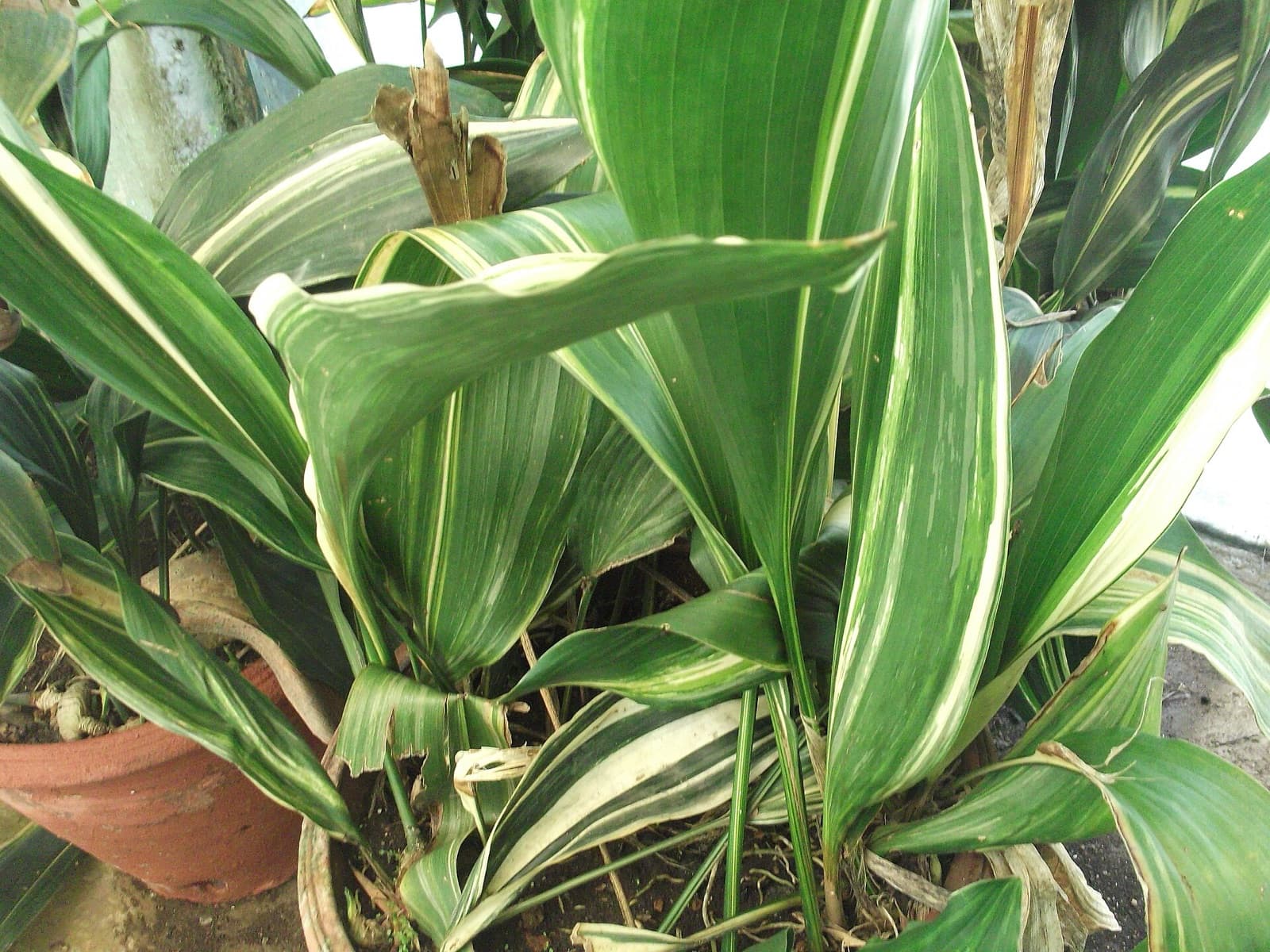
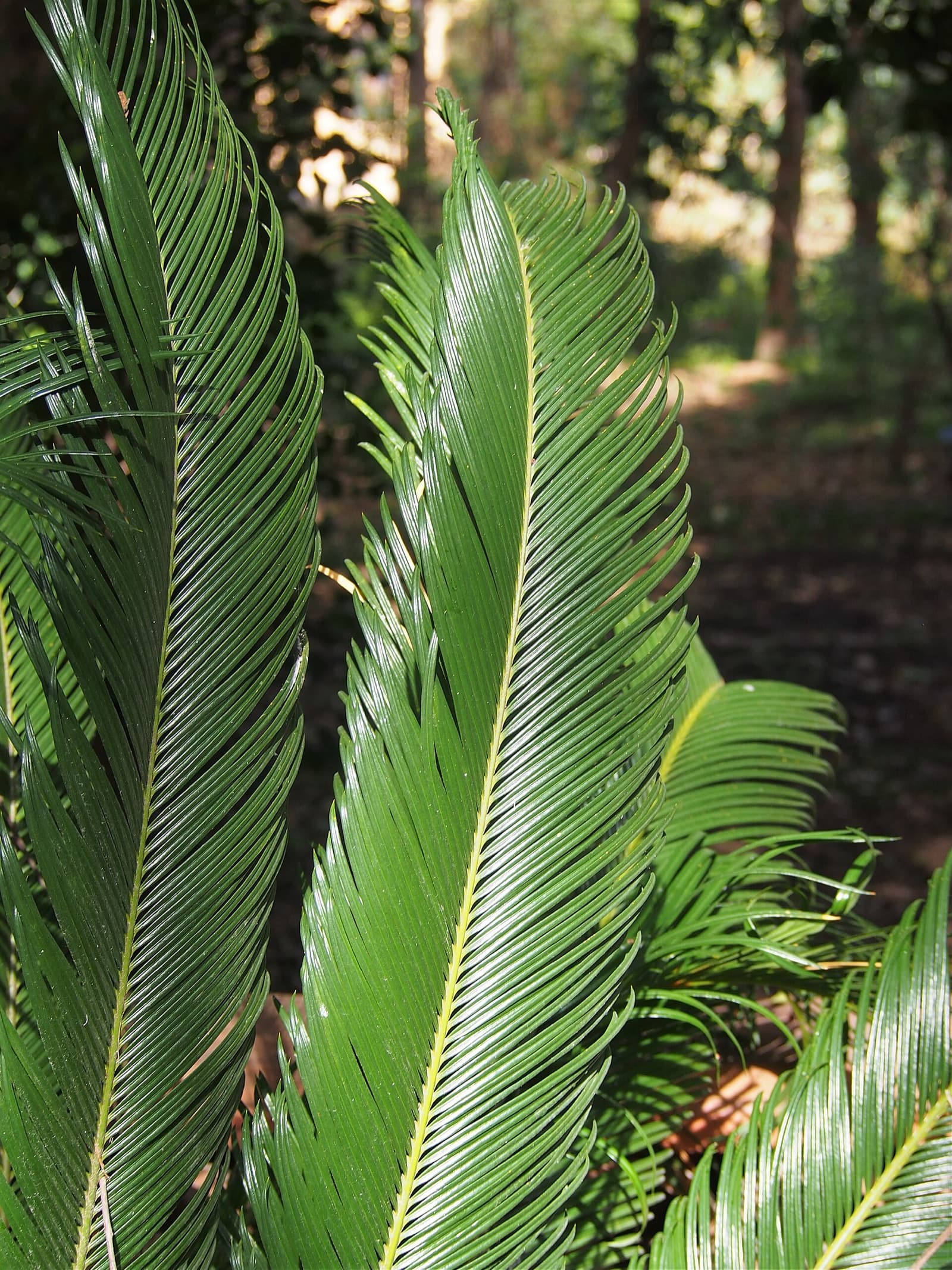
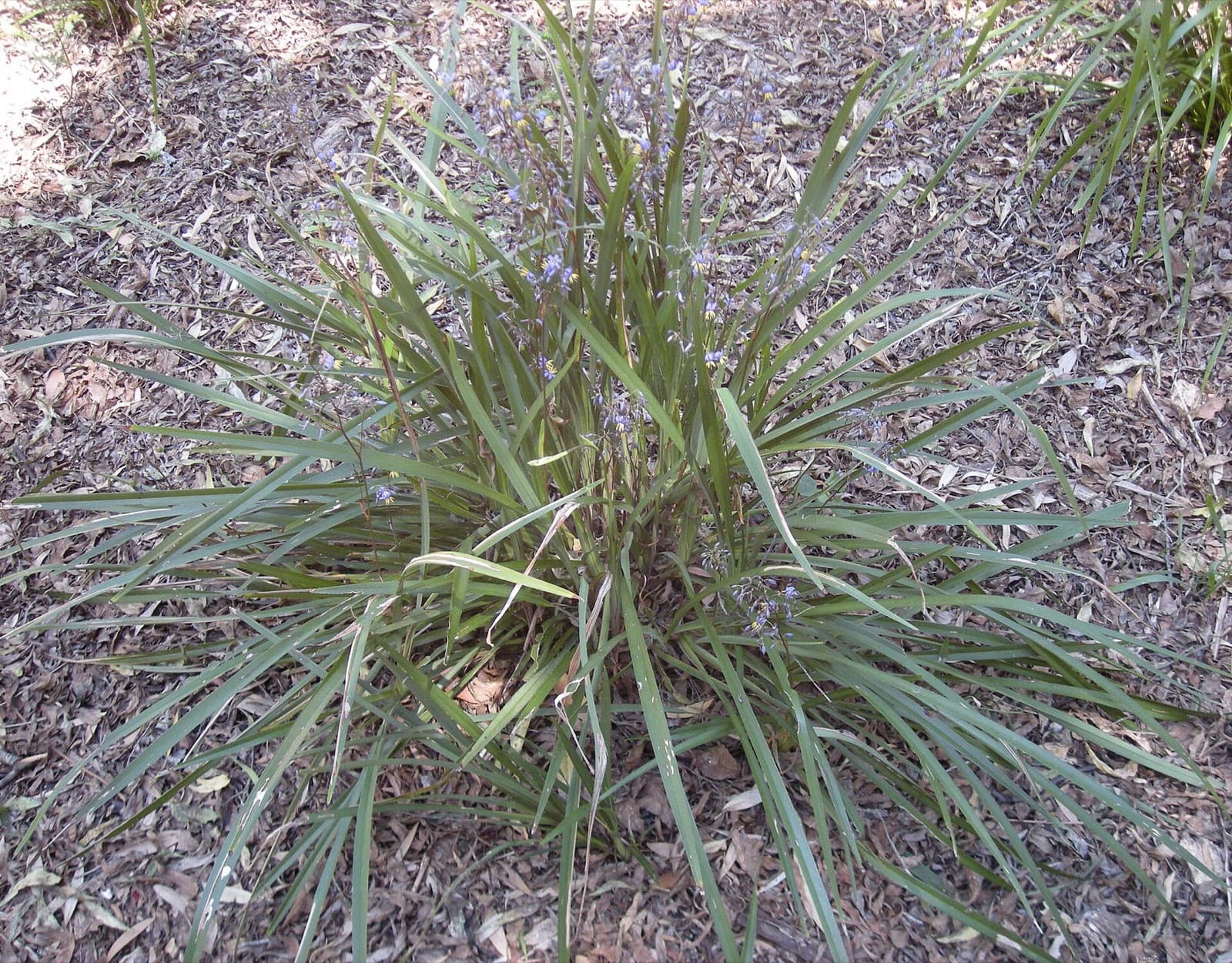
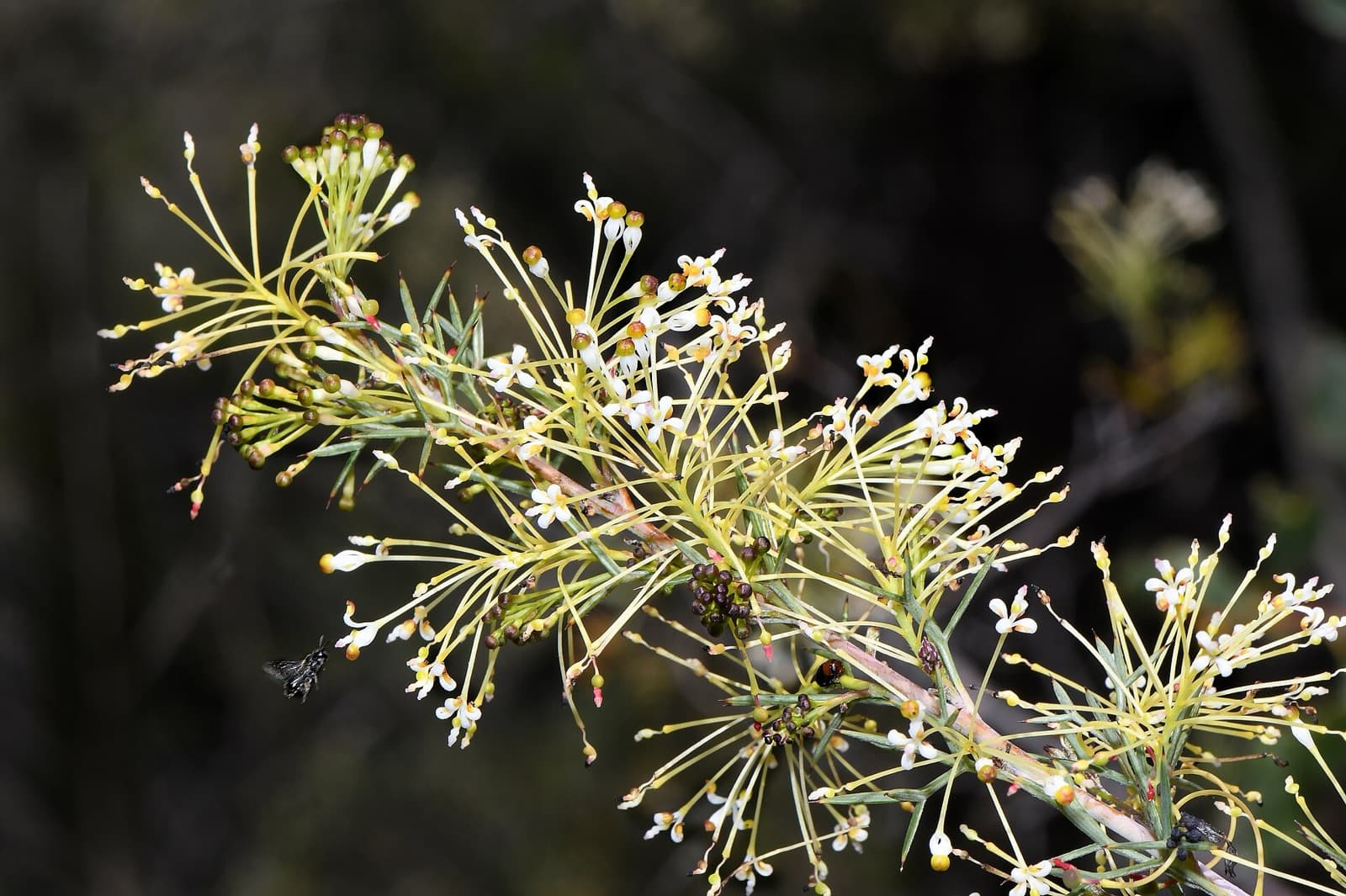
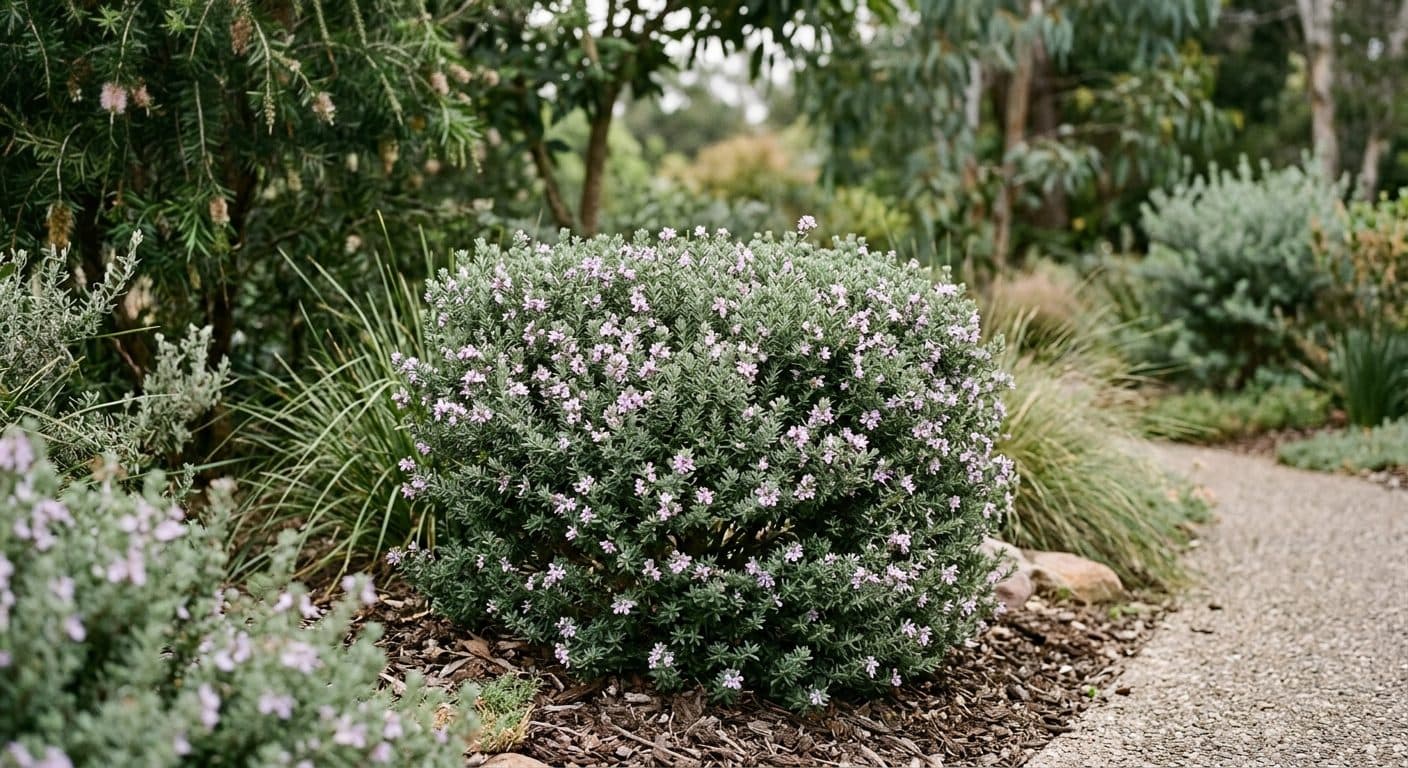
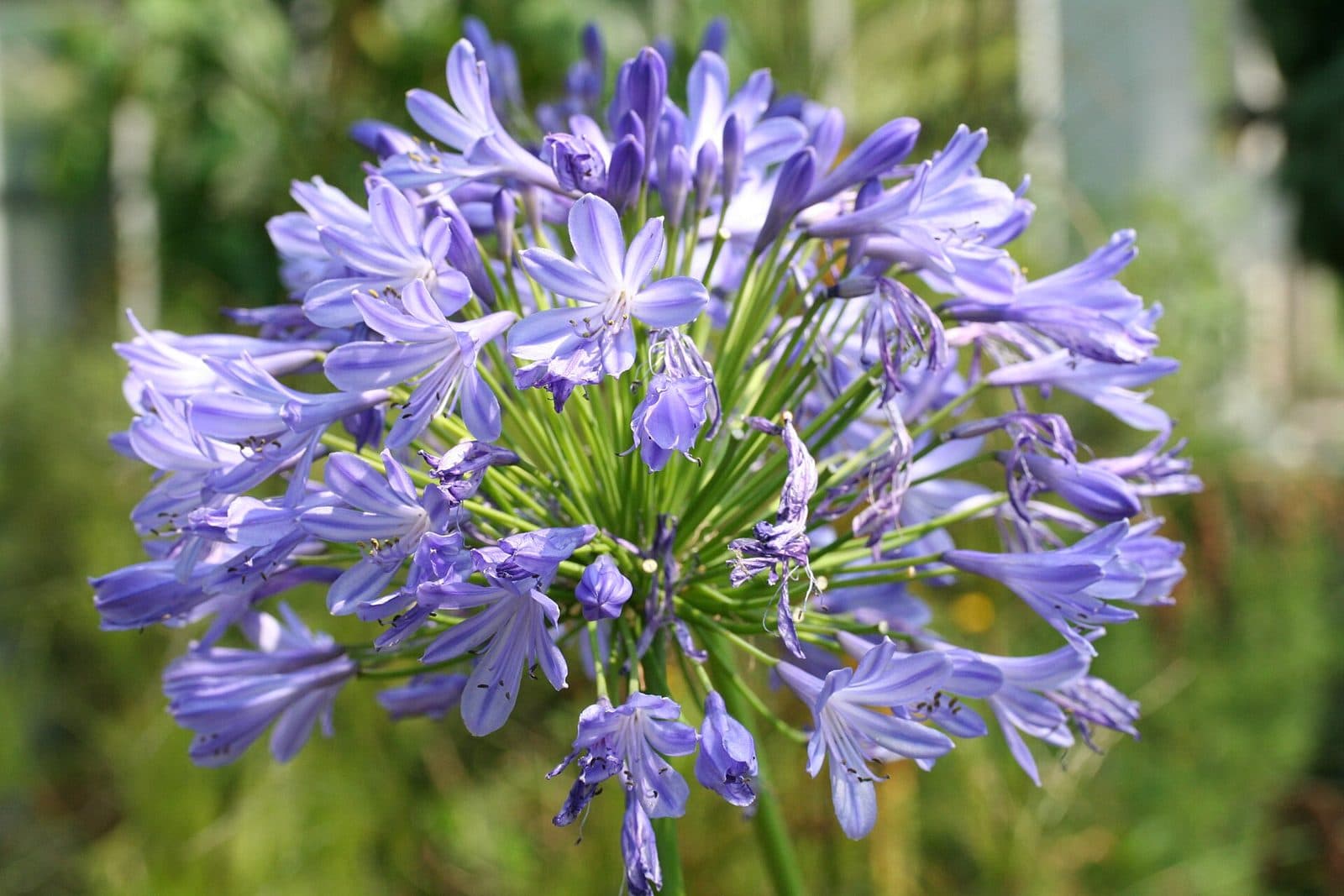
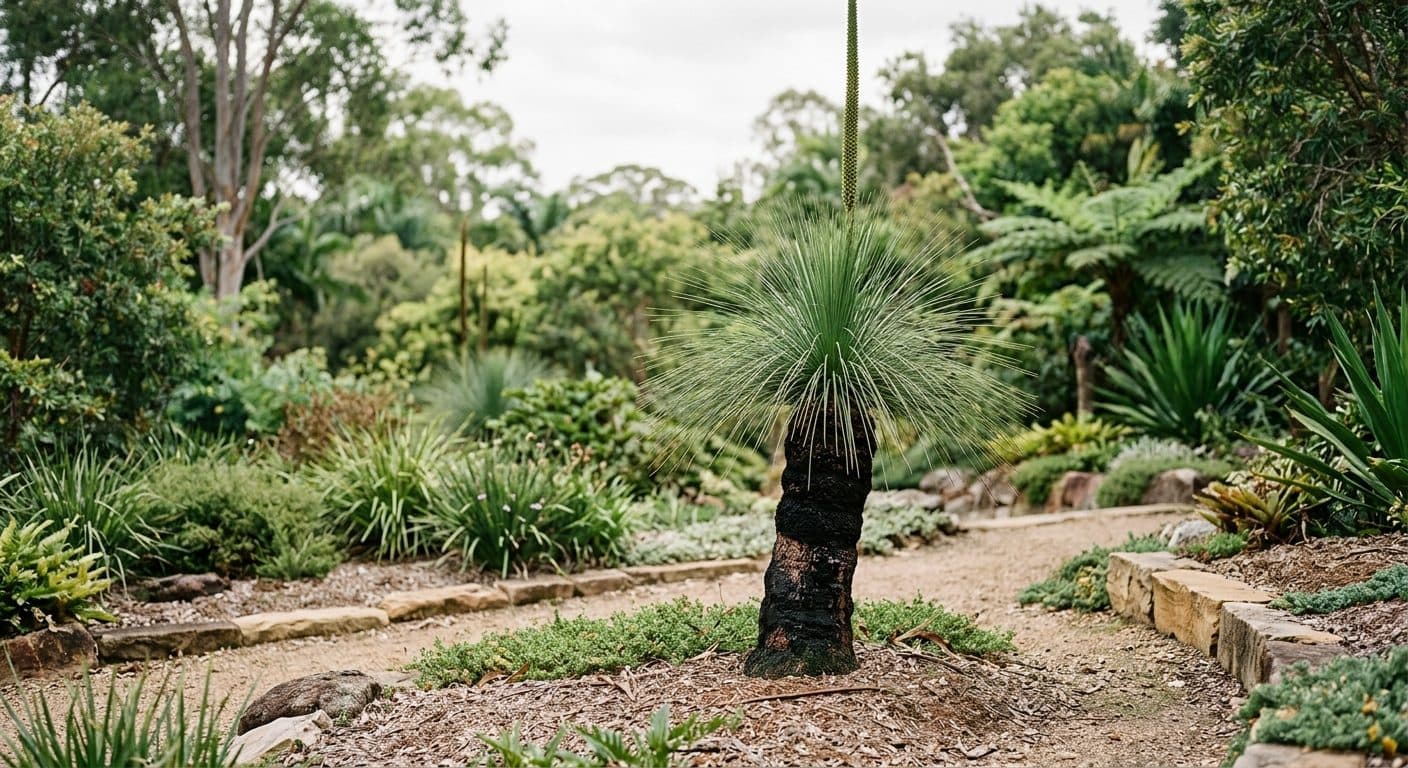
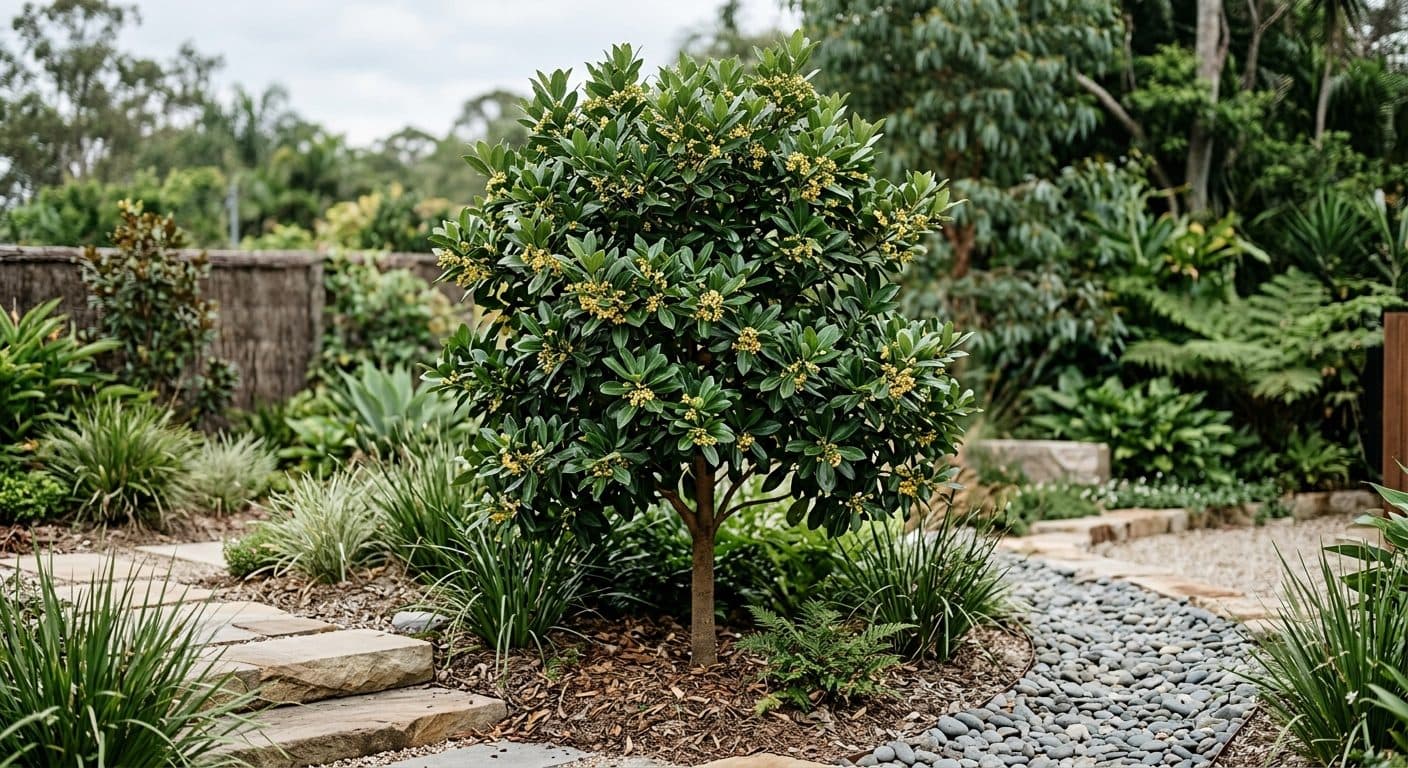
We lean on plants that hold their own shape. Self-shaping natives (dwarf lomandras, spreading grevilleas, banksia 'Birthday Candles', dianellas) give structure without monthly hedging and mostly ask for one tidy-up a year. Cycads, crinum lilies and cast iron plant handle the dry, root-riddled shade under established trees where fussier choices sulk.
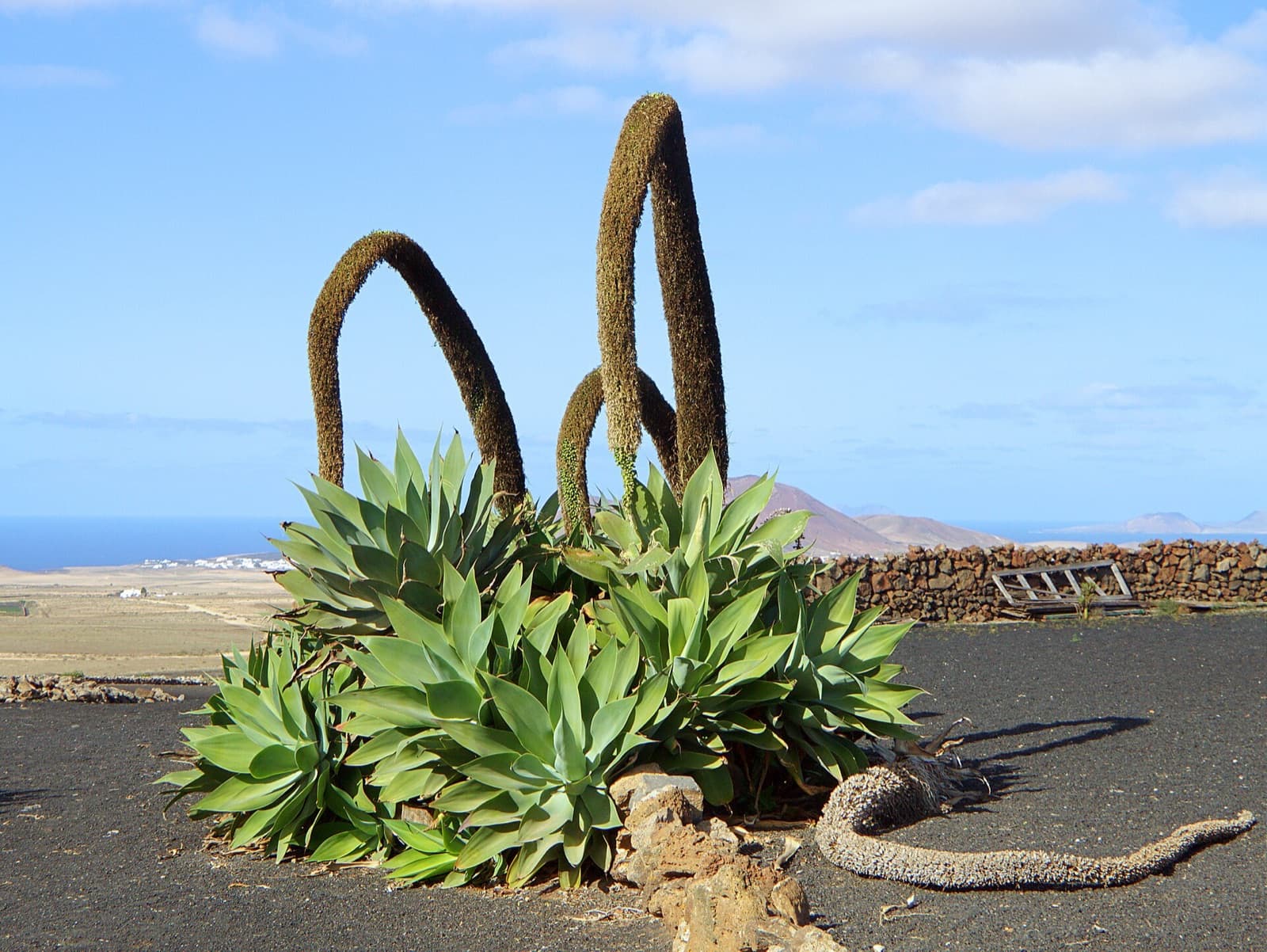
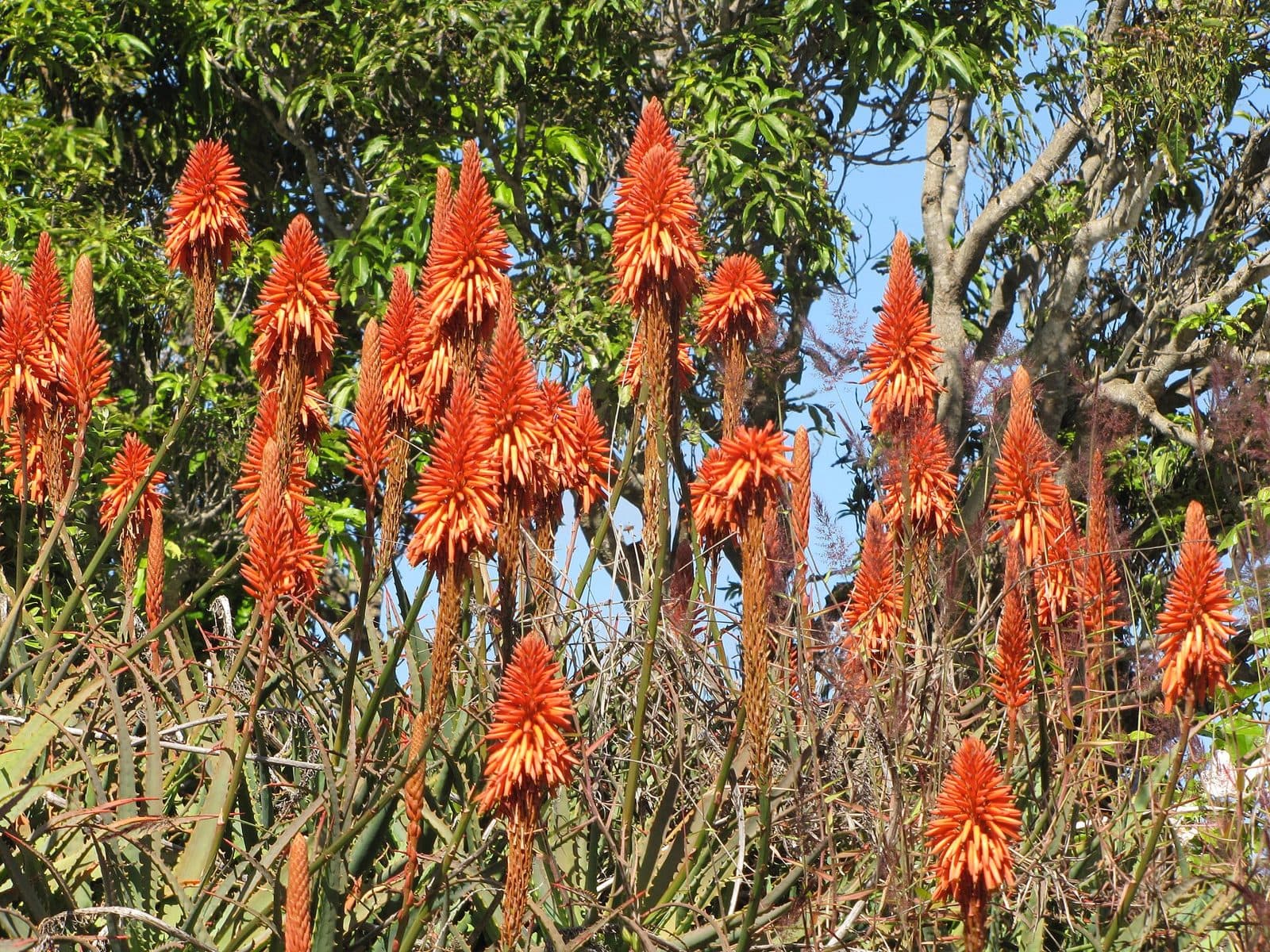
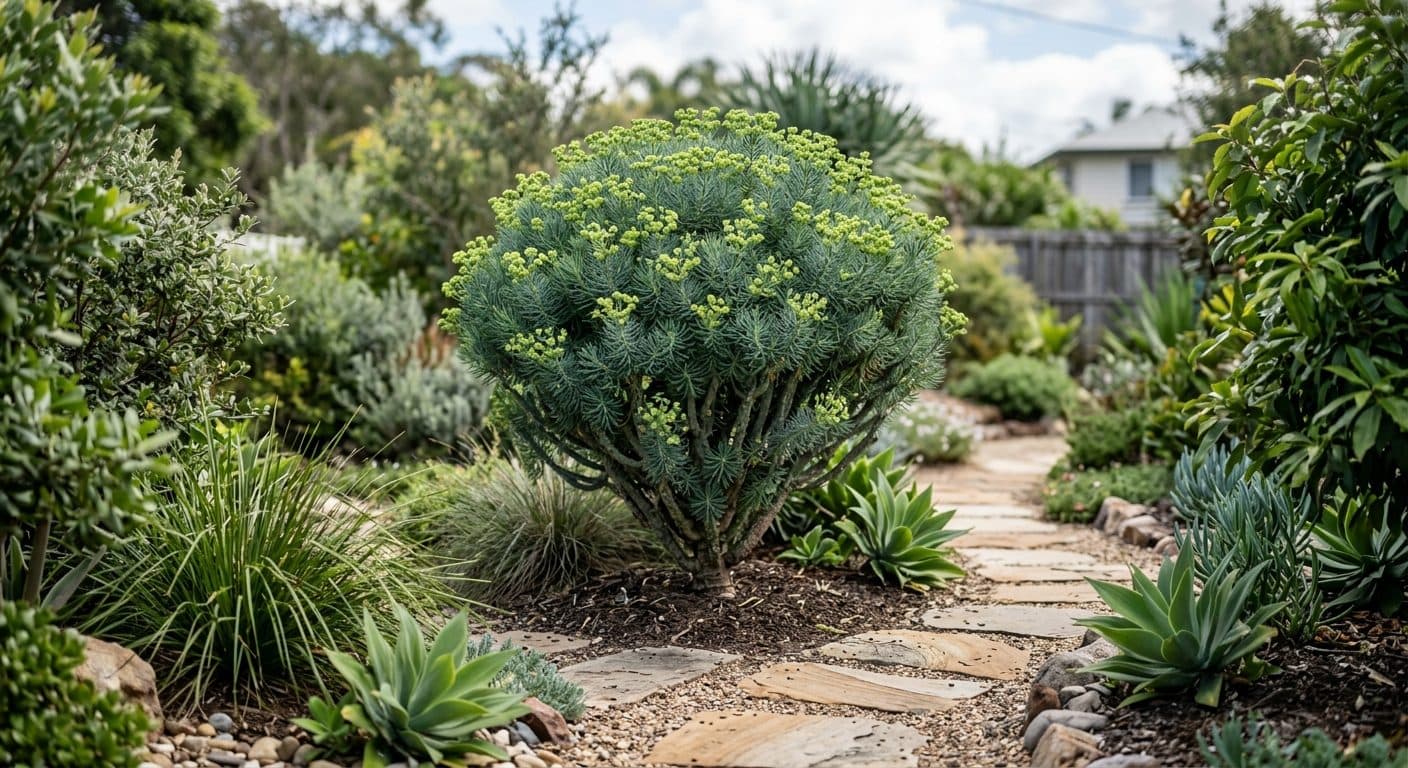
Drought tolerance is built into the same palette. Brisbane rain arrives in bursts with long dry gaps between, so we choose species that bank the wet weeks and coast through the dry ones, which in practice means agaves and aloes on sharp-draining western banks and tough natives everywhere else. Once established, these gardens live mostly on rainfall, with irrigation as backup rather than life support.
Mulch, drip lines and the boring details
The unglamorous details do most of the work. Coarse hardwood mulch at a full 75 millimetres smothers the weed seeds every storm washes in, holds moisture through the dry months, and feeds the soil as it breaks down. Topped up yearly, it trades hours of weeding for one morning with a barrow.
Under the mulch, drip irrigation on a timer waters roots rather than weed seeds, and keeps working while you're away. Beneath it all, soil preparation is the quiet hero: most 'high-maintenance' gardens are just struggling plants in unimproved soil, demanding rescue.
What low-maintenance can't mean
No living garden is zero-maintenance, and we won't design you one that pretends to be. Every new garden needs establishment care: regular water and weeding for the first year or two while roots go down and the canopy closes. What design changes is the destination: a few satisfying half-days a season instead of a standing weekend appointment.
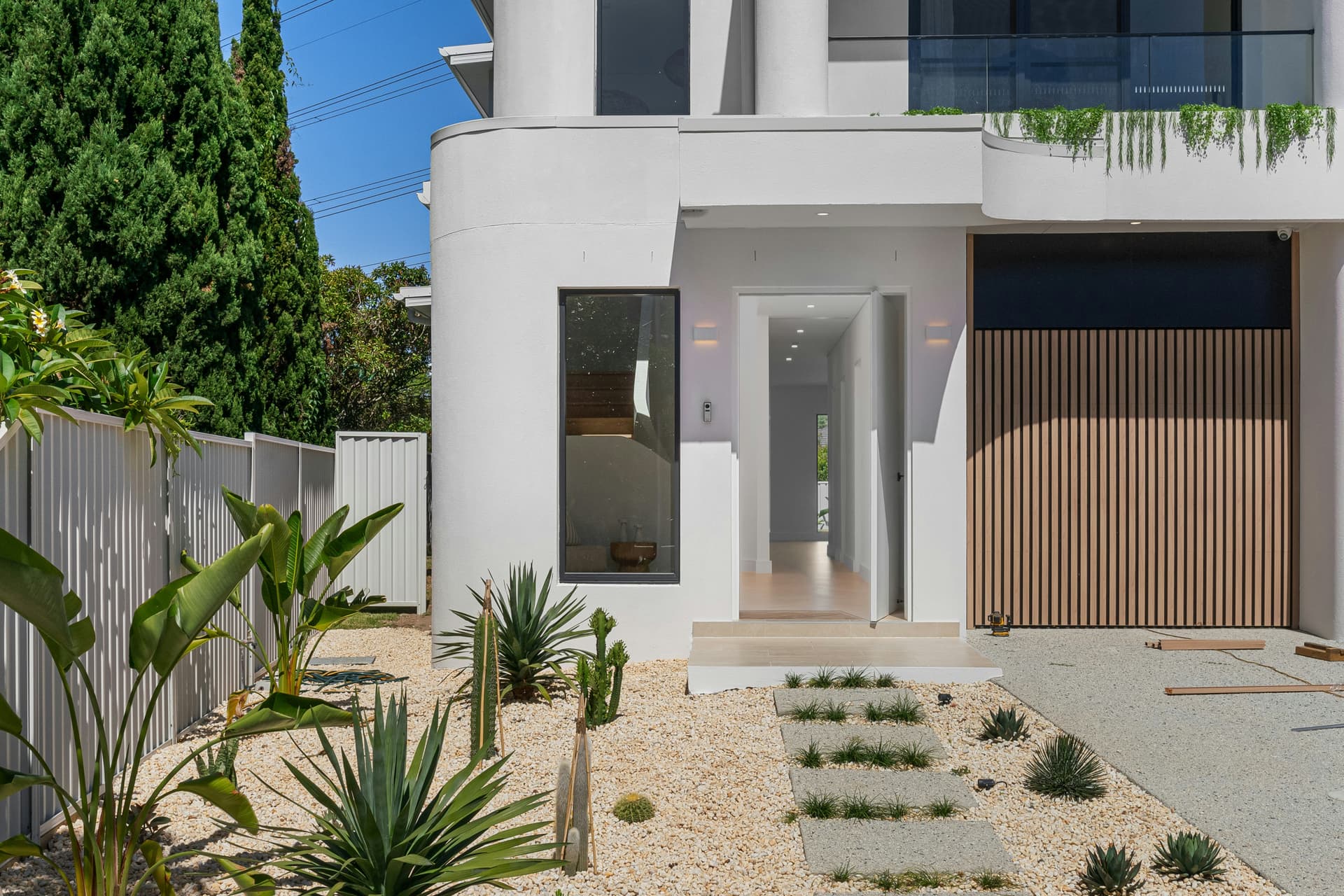
Be wary of the zero-effort promise, too: it usually means synthetic turf and a sea of pebbles, surfaces that radiate summer heat back at the house and still need blowing, weeding and washing. We'd rather cut hours with living systems that improve each year.
Common questions
Ready to garden less and enjoy it more?
We're currently taking on new landscape design clients across Brisbane. Reach out for a personalised quote, whether you're a homeowner or a design professional.
Book a Free Discovery Call