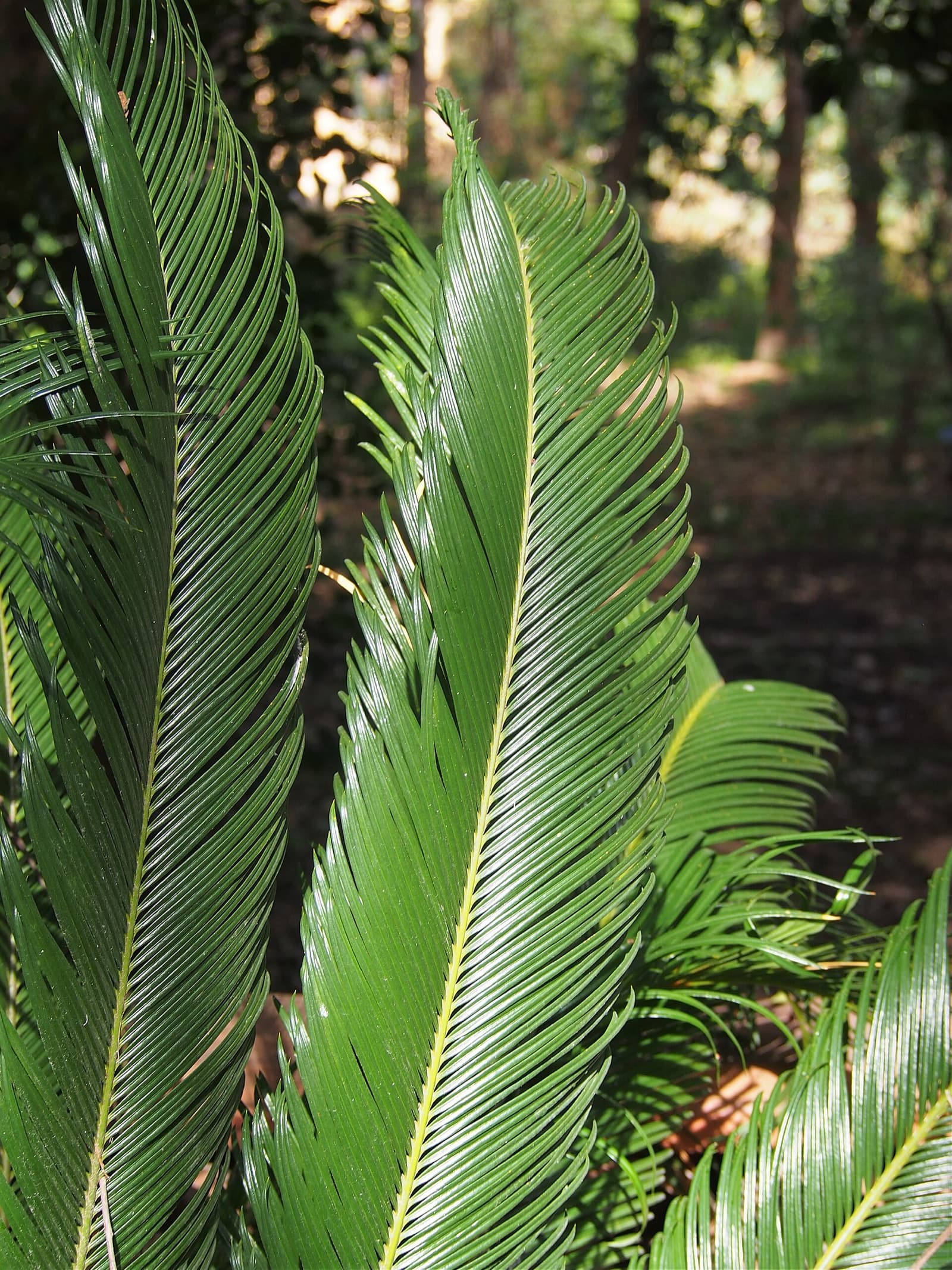
Cycas revoluta and its larger cousin Lepidozamia, prehistoric, slow and sculptural, the plant for the tough dry shade nothing else enjoys.
Cycas revoluta · Also known as Sago Palm, Zamia, Lepidozamia
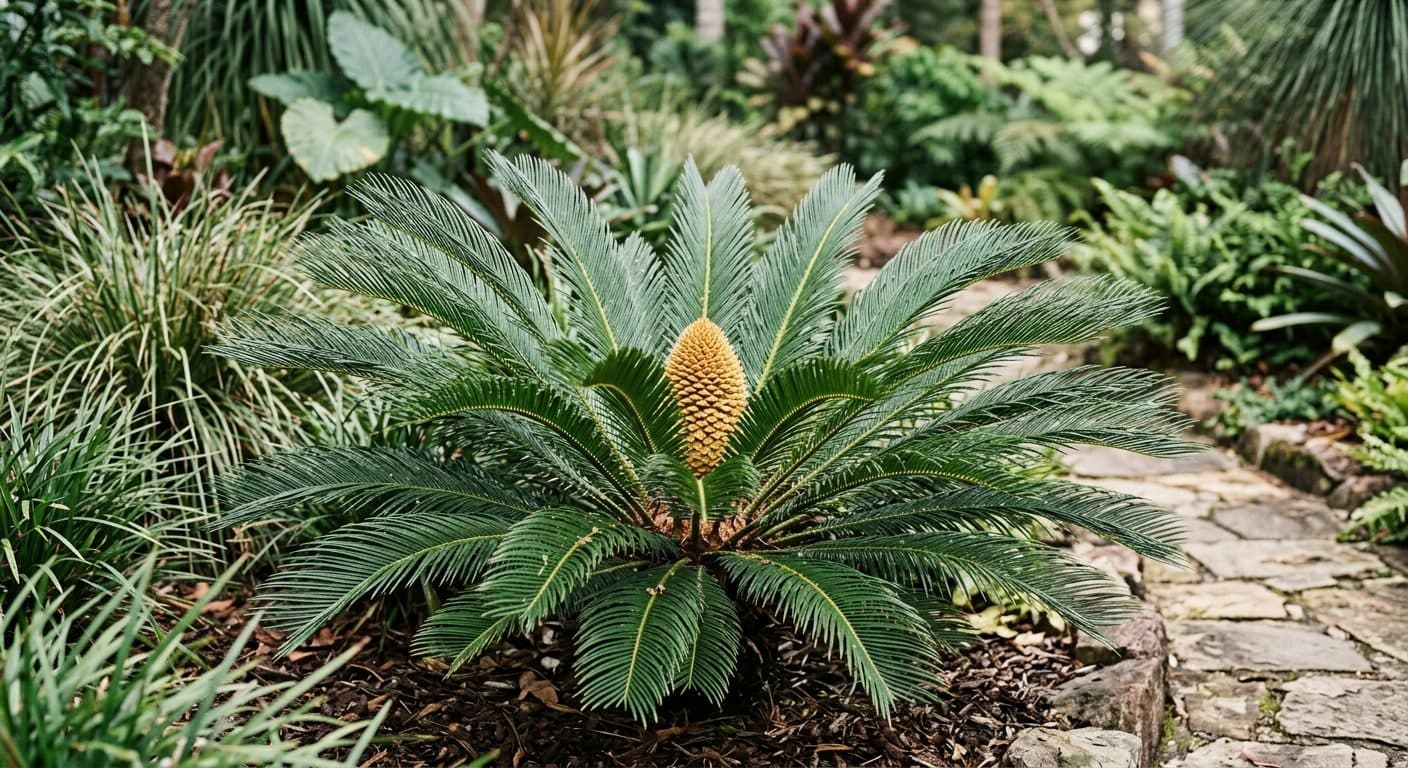
A cycad is a living fossil that happens to be one of the most architectural plants you can put in a garden, holding a perfect symmetrical whorl of stiff dark fronds that looks carved rather than grown. The compact sago palm (Cycas revoluta) is the one most people picture, while the taller Lepidozamia species give the same look at a larger scale, and both are prized for form over flower.
Its great virtue for a designer is temperament: a cycad is slow, evergreen and genuinely tough in dry shade where ferns sulk and palms thin out, so it holds a difficult spot beautifully. It also carries a real toxicity worth flagging up front for anyone with a dog, which we cover plainly below.
In a Brisbane garden
Cycads earn their place in the spots that defeat other plants: dry shade under an eave, a hot bright courtyard, a narrow bed against a wall, all conditions where a cycad simply sits there looking immaculate year after year. They are slow, which is exactly why we value a good-sized one, because the plant you buy is close to the plant you'll have for years, and a mature specimen carries the sculptural weight of a piece of stone. They cope with our humidity well, ask for almost no water once settled, and the main upkeep is watching for scale insects and removing the odd tired frond.
The honest caveat is toxicity, and it's a real one rather than a formality: all parts of a cycad, and the seeds especially, are seriously poisonous to dogs, and even a small amount can cause severe illness. If you've got a dog that chews, we'll either site cycads well out of reach or choose something else entirely, because a striking plant isn't worth a sick pet. Named that plainly, a cycad is otherwise one of the toughest and most sculptural things we plant.
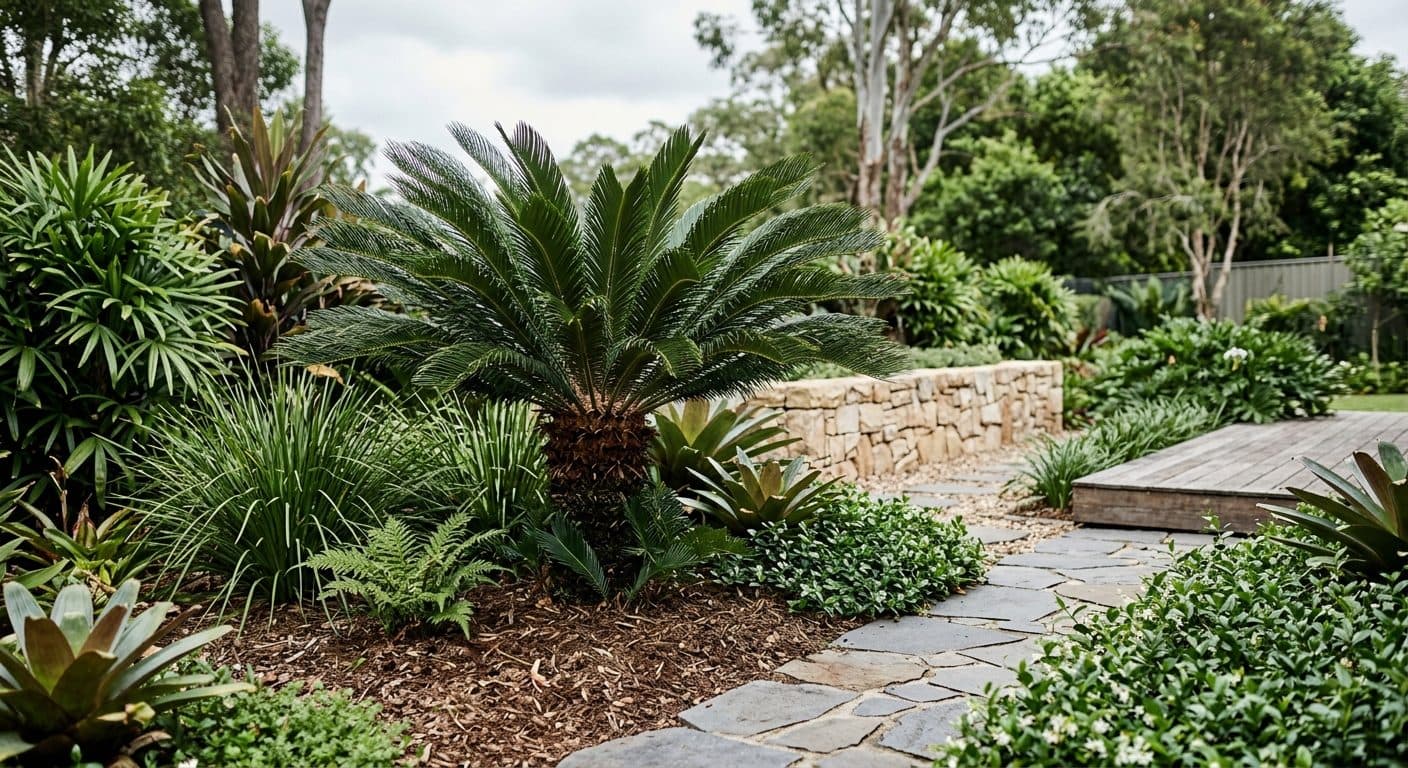
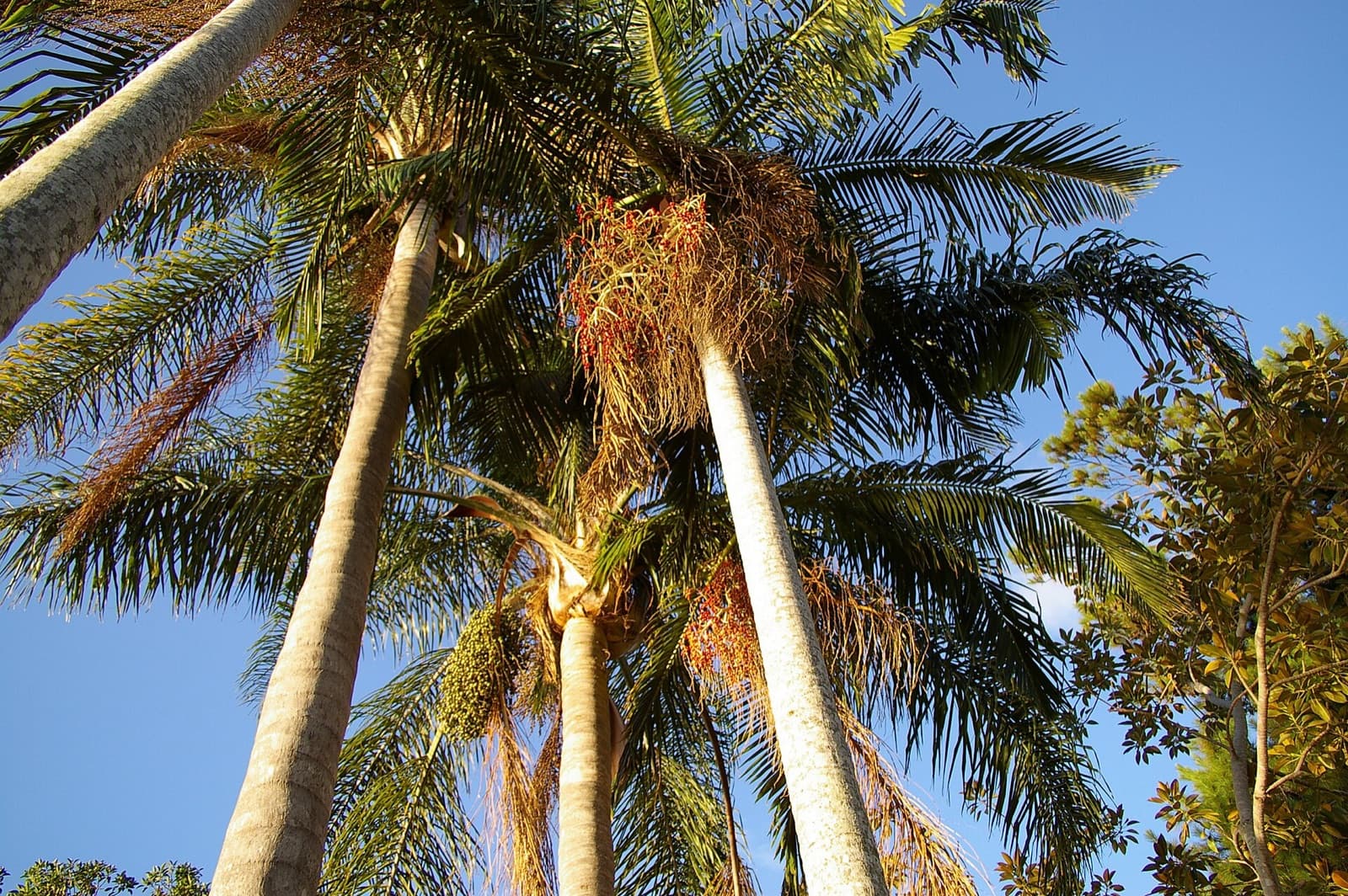
Photo: Marija Gajić, CC BY-SA 4.0, via Wikimedia Commons
How we design with it
We use cycads as living sculpture, a single specimen given space and light so its symmetry reads as the focal point, which makes it a favourite in a pared-back modern garden design. In a raised bed, a large pot or a bed of gravel, one cycad can carry a whole composition without any help from flowers.
Because it thrives on neglect once established, it slots straight into a low-maintenance garden design for the dry, shaded corners that otherwise stay bare, and it pairs well with agaves, succulents and clipped natives for a resilient, architectural, low-water palette. We just place it with the dog in mind, and everyone stays happy.
Common questions
Need something sculptural for the tough dry shade?
We're currently taking on new landscape design clients across Brisbane. Reach out for a personalised quote, whether you're a homeowner or a design professional.
Book a Free Discovery Call