Landscape design in The Gap.
A family suburb folded into the forest: gum-shaded yards, creek-line slopes, and gardens that negotiate daily with the local wildlife.
The Gap runs up a valley with D'Aguilar National Park at its end and Mt Coot-tha's forest along its flank. Enoggera Creek and Fish Creek thread between the streets, the reservoir at Walkabout Creek marks the top of Waterworks Road, and almost every backyard borrows scenery from a gum ridge behind the fence.
Practically, it's a suburb of family homes from the sixties through the eighties on sloping, shaded blocks, and the gardens share a set of conditions: deep shade for much of the day, roots everywhere, stormwater heading for the creek, and wildlife that treats your garden as part of the forest. We design for exactly that.
Borrowing the bush
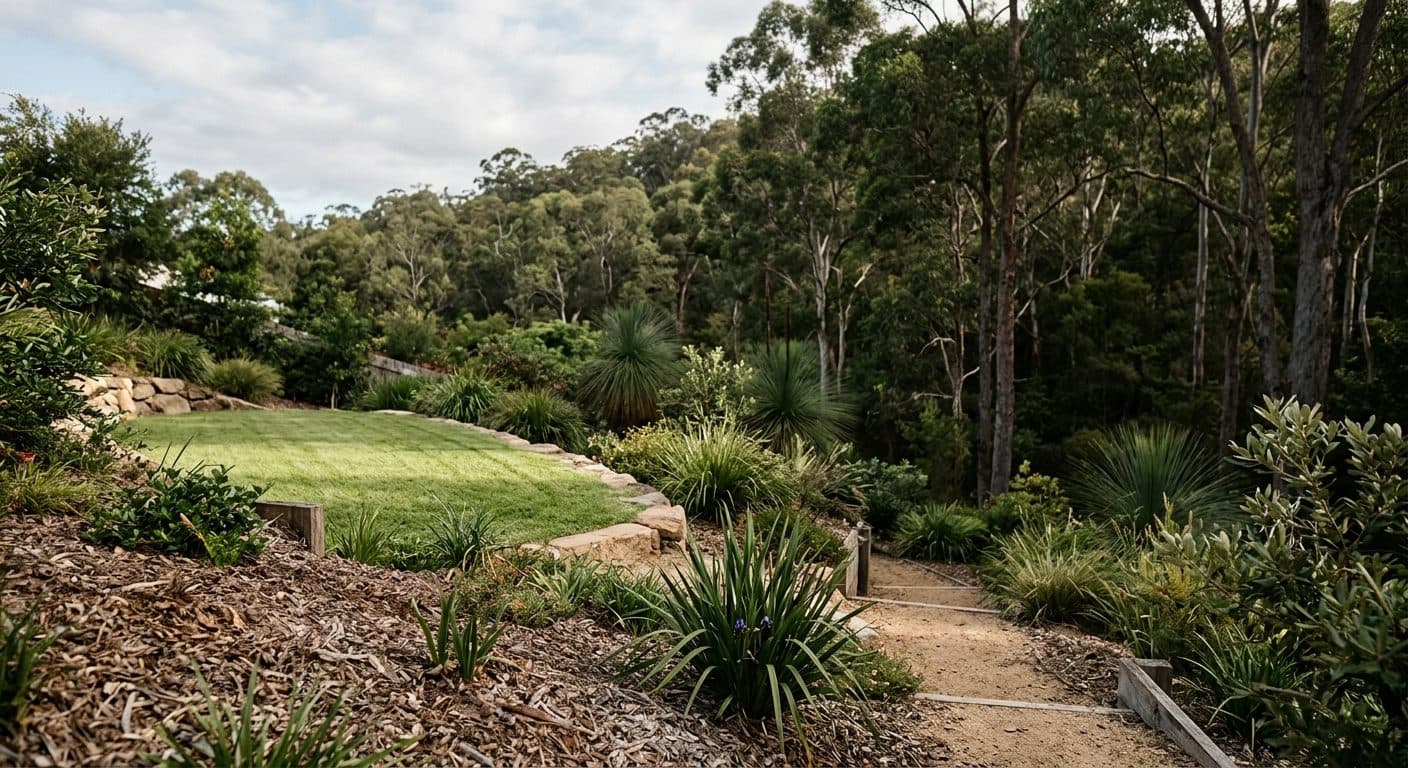
The smartest move in a Gap garden is to use the backdrop. With a forested ridge behind the back fence, the garden doesn't need tall screening of its own, just a considered middle ground that steps the eye from lawn to canopy so the bush reads as part of the garden. The fence disappears and the block feels twice as deep.
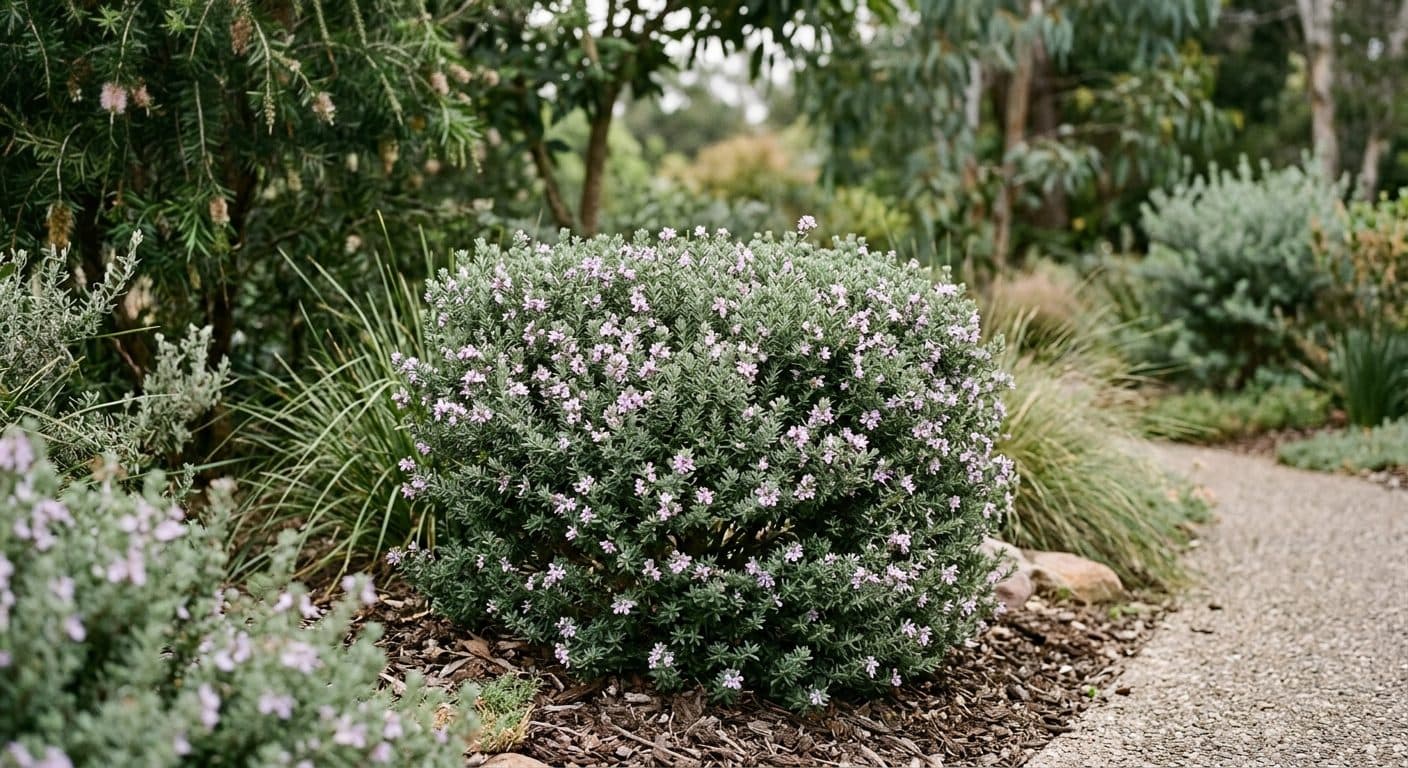
Heavily formal styles argue with the setting here. The gardens that sit best in The Gap take their cues from the forest, with informal lines, native structure and textures that don't fight the eucalypts. Our native garden design work is built for exactly this.
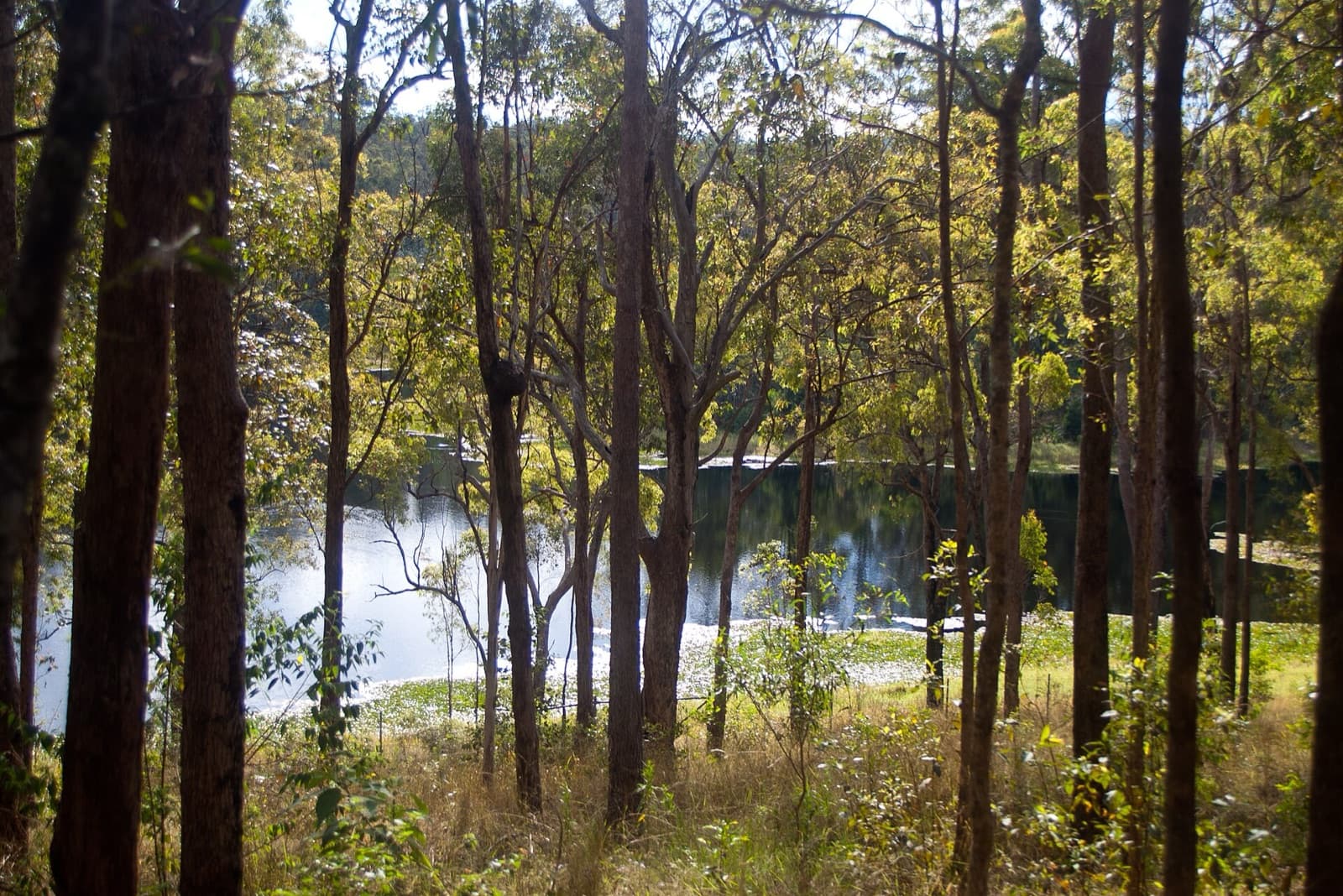
Photo: John Robert McPherson, CC BY-SA 4.0, via Wikimedia Commons
Shade, slope and stormwater
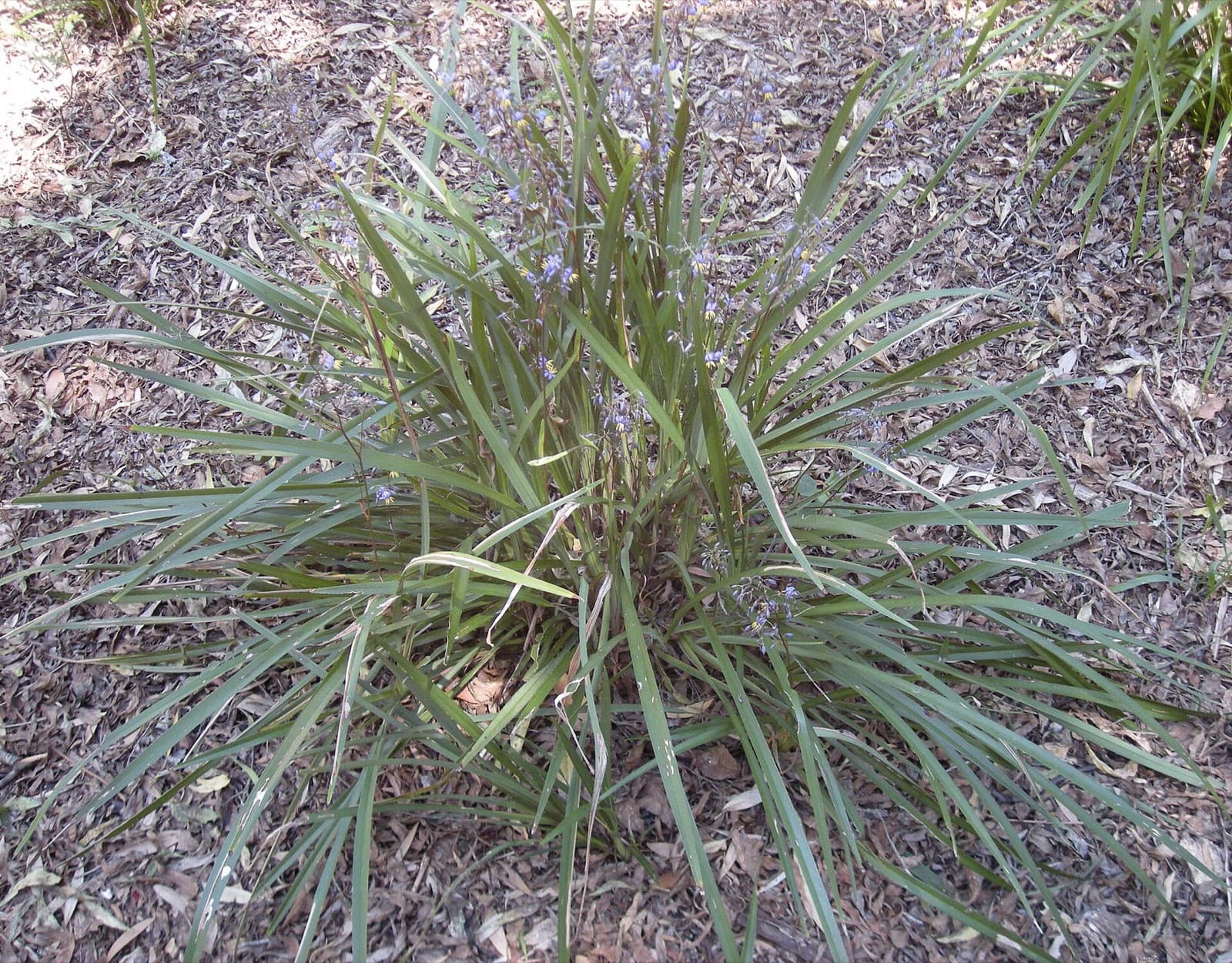
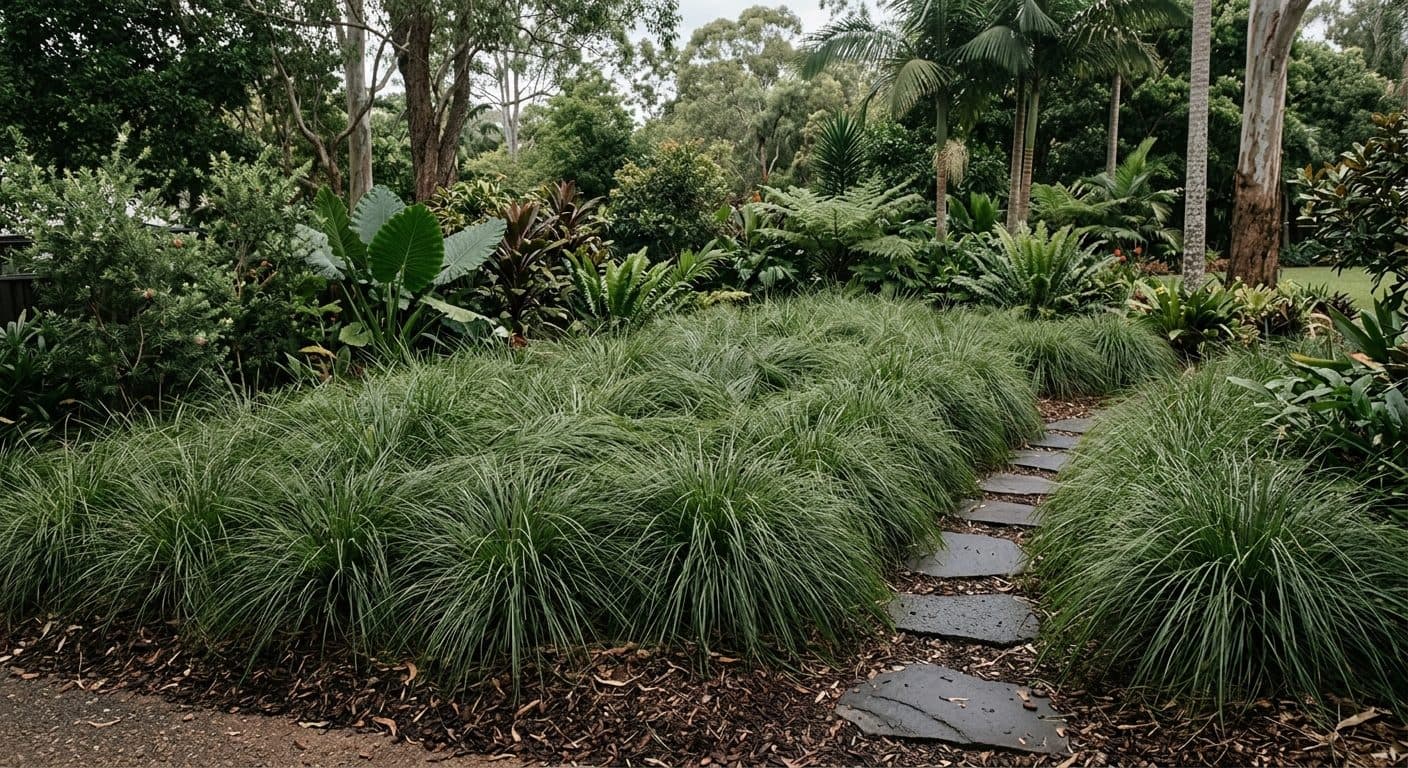
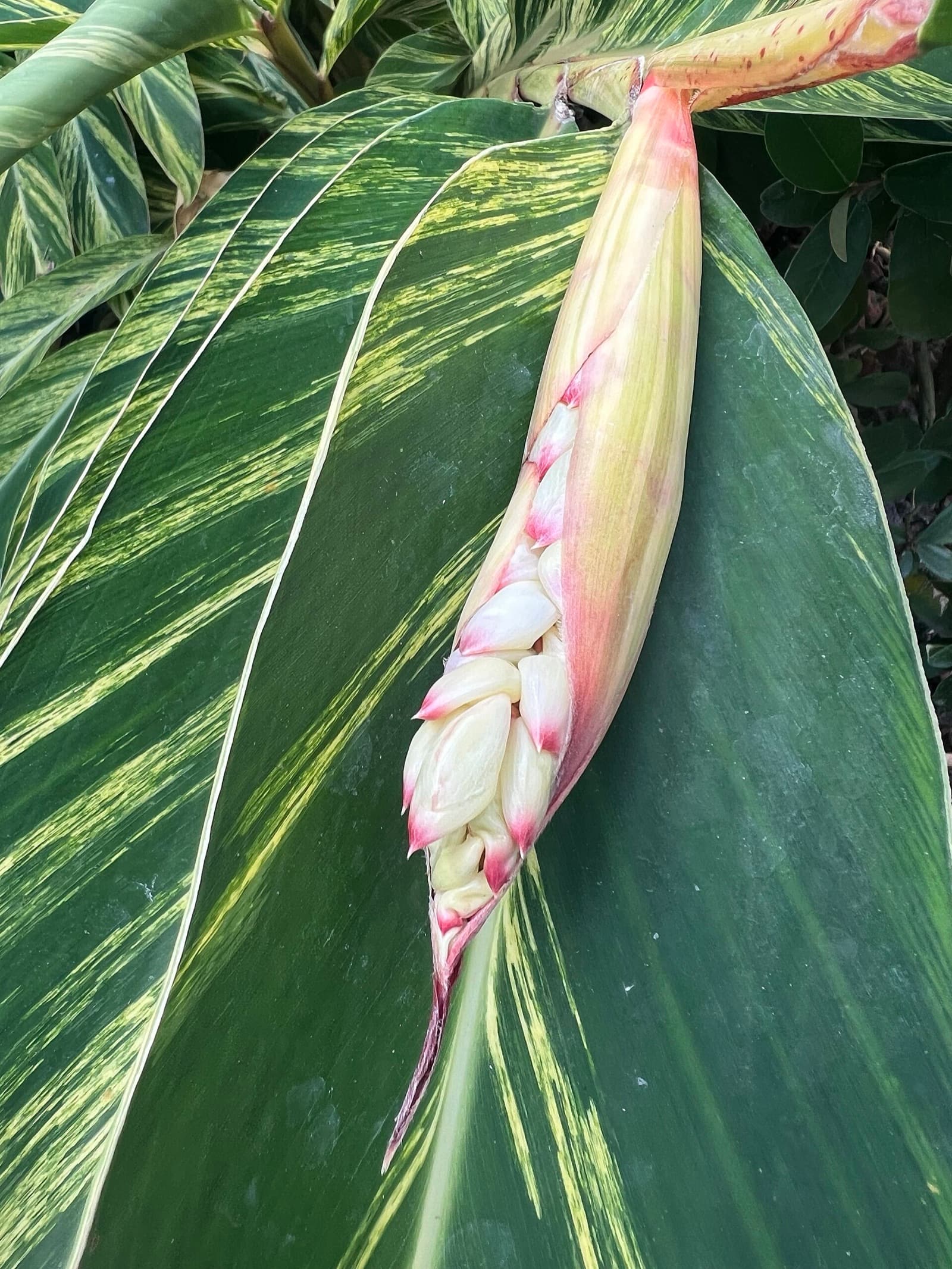
Mature gums make beautiful, difficult gardens. Under them the light is dappled at best, the soil is dry and full of roots, and turf gives up. The answer is shade-adapted layering (lomandra, dianella, native ginger, ferns in the moist pockets), with paths and sitting places positioned where the sun actually lands.
Slope is the other constant, because most of the suburb tilts toward Enoggera Creek or one of its gullies. Levels, steps and drainage are resolved before planting is drawn, and blocks near the creek lines can carry overland flow paths, so water gets dealt with early, not after a February storm moves the mulch downhill.
Gardening alongside the wildlife
Every Gap gardener has a possum story or a brush turkey grievance, and a design that pretends otherwise fails by spring. Turkeys will rake fine mulch off a slope in an afternoon, so exposed zones get heavier mulch, dense groundcovers and rock. Possums graze soft new growth, so the palette leans on tough-leaved species, with guards while young plants establish.
Rather than fighting the bush, a good design budgets for it: robust plants in the firing line, the delicate things close to the house, and enough habitat planting that you gain more birds than you lose seedlings. Families get the same dividend, planting that shrugs off balls and bikes as readily as browsers, in the spirit of our low-maintenance garden design work.
Getting started
First step is a $350, on-site Design Discovery Consultation. We walk the block, look honestly at shade, slope and soil, and you'll have a design brief and fee proposal in your inbox soon after. Concept designs for Gap homes typically fall in the $2,500–$6,000 range.
If you're on the other side of Mt Coot-tha, our Kenmore and Chapel Hill page covers a very similar set of conditions.
Common questions
Ready to design a garden that belongs in The Gap?
We're currently taking on new landscape design clients across Brisbane. Reach out for a personalised quote, whether you're a homeowner or a design professional.
Book a Free Discovery Call