Tropical garden design for Brisbane: lush, layered, liveable.
The resort look is really a structure (canopy, mid-storey, groundcover) plus the discipline to know where the lushness should stop.
Queensland tropical garden ideas mostly come home from holidays: the Port Douglas resort, the Bali villa, that deep green stillness. The good news is Brisbane grows nearly all of it. The catch is that we're subtropical, not tropical: our winters are dry and our westerly mornings can bite, so a palette lifted straight from the wet tropics needs editing before it will thrive here. We've unpacked that distinction in our guide to designing a subtropical garden in Brisbane.
The other thing resorts have that backyards often lack is discipline. Resort gardens feel effortless because they're rigorously designed: a tight, repeated palette, generous paths, deliberate views. Tropical gardens don't fail from too little enthusiasm; they fail from too much.
Canopy, mid-storey, groundcover
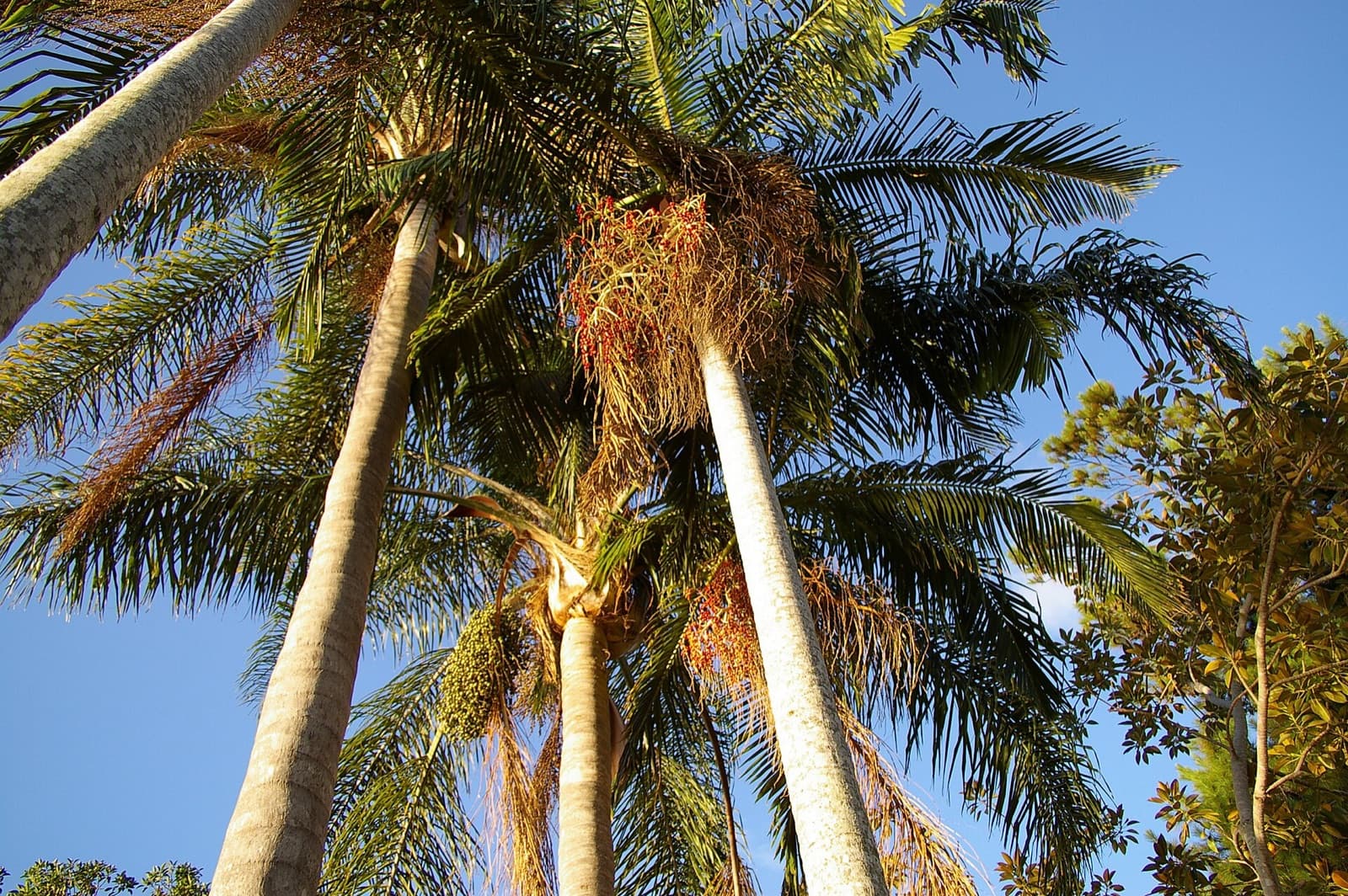
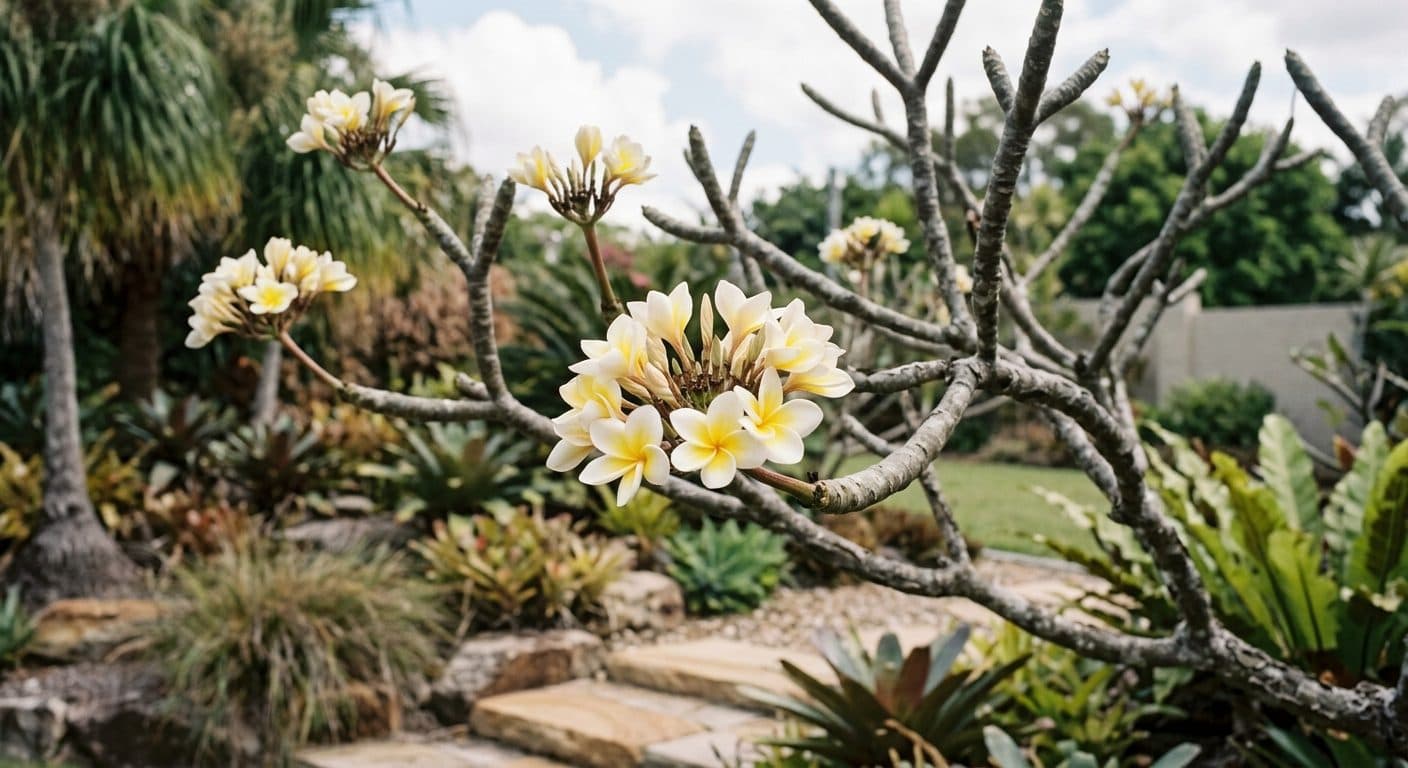
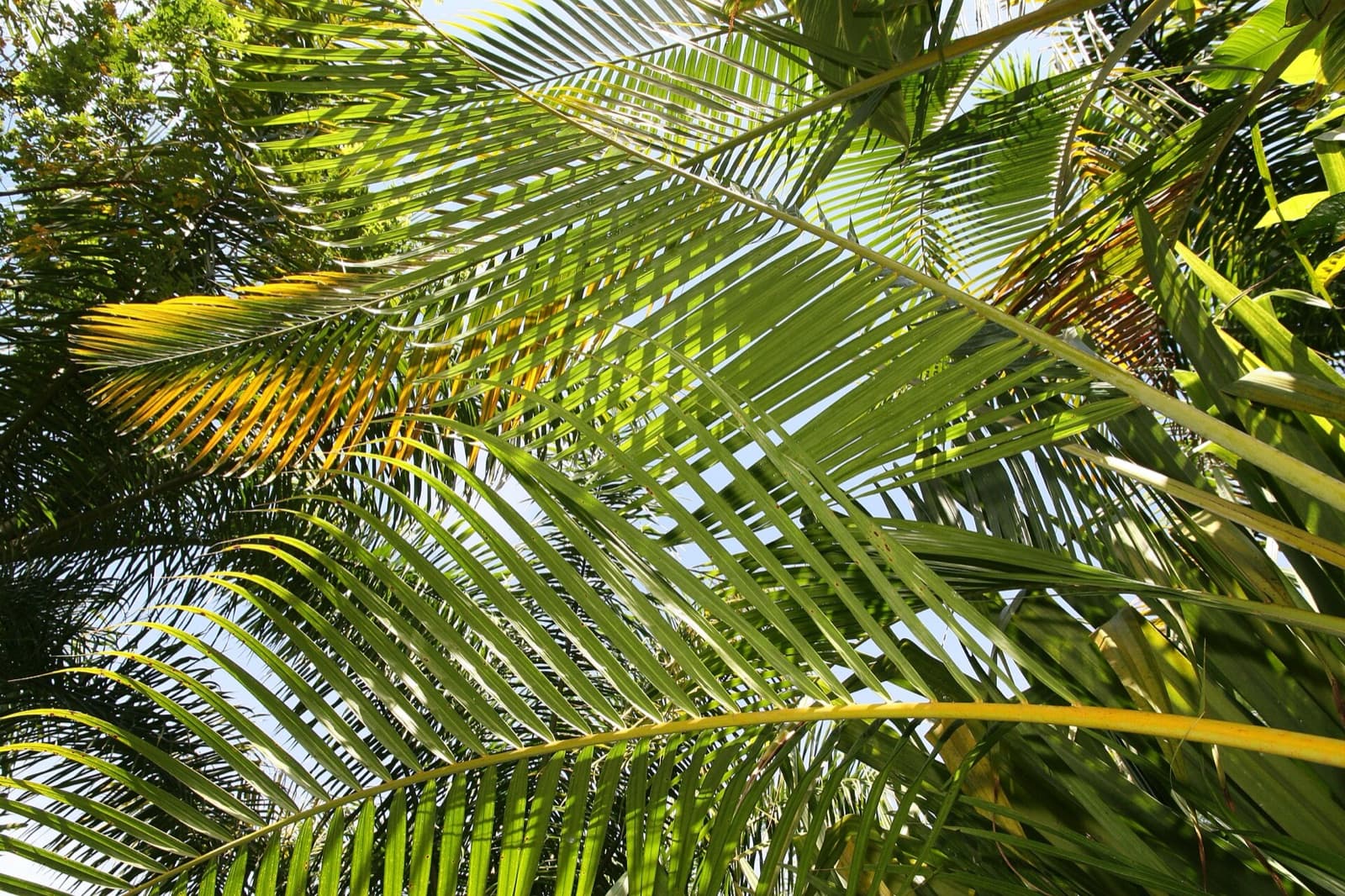
Every tropical garden we design is built as three working layers. Canopy comes first (bangalow palms, frangipani, an existing mango kept for its shade), because canopy creates the dappled, humid microclimate everything else depends on, and shields soft foliage from the western sun that would scorch it by February.
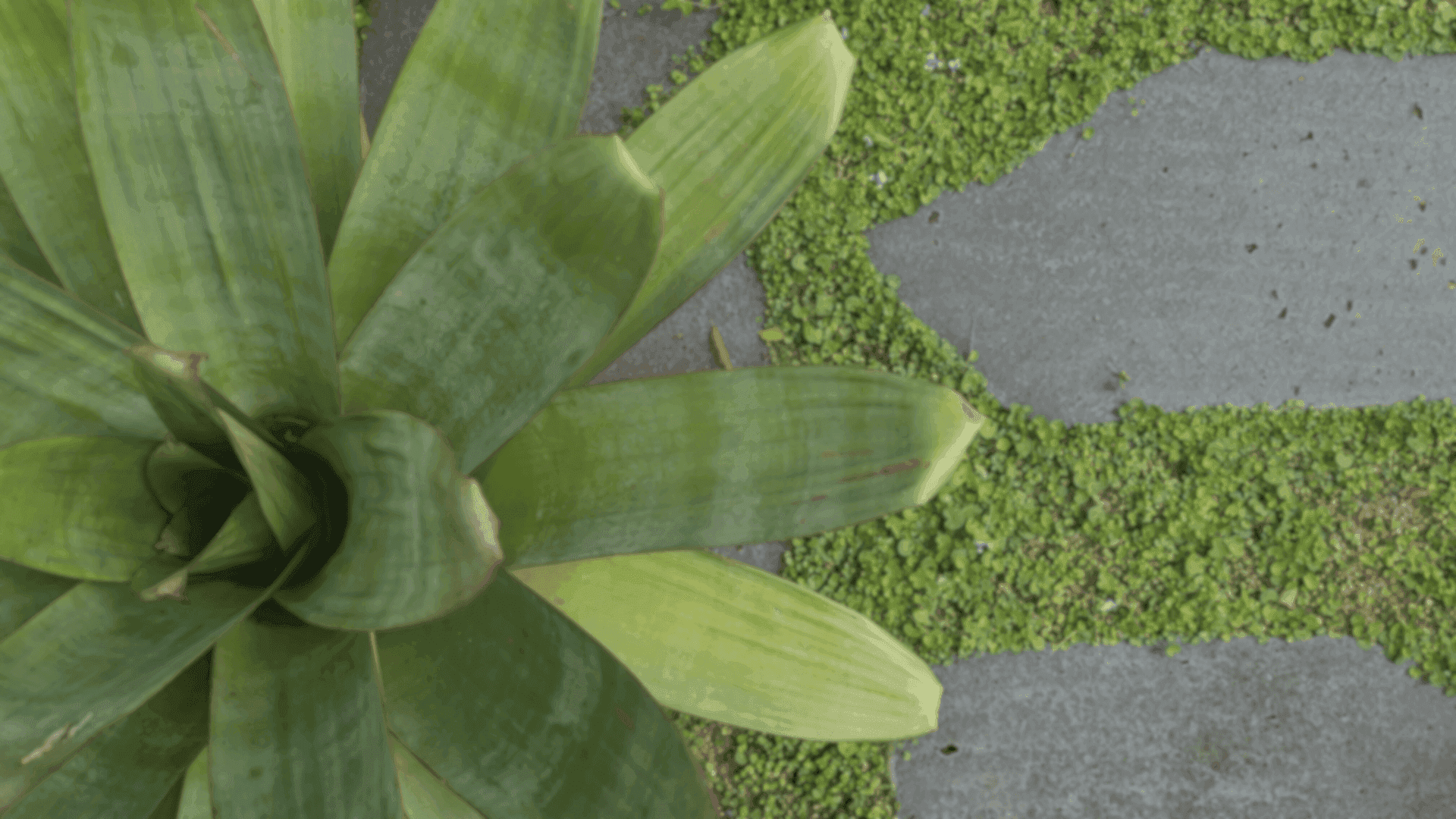
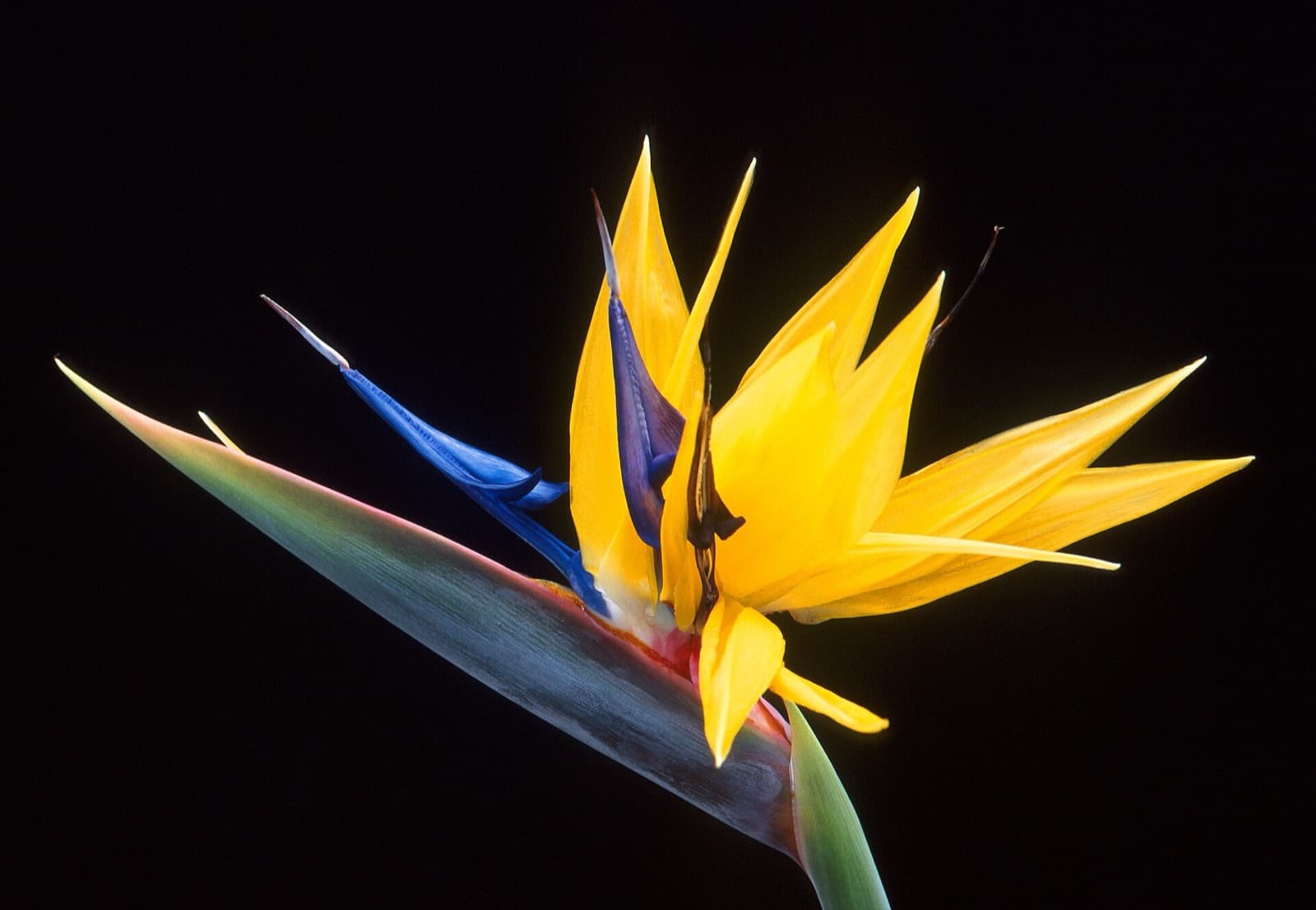
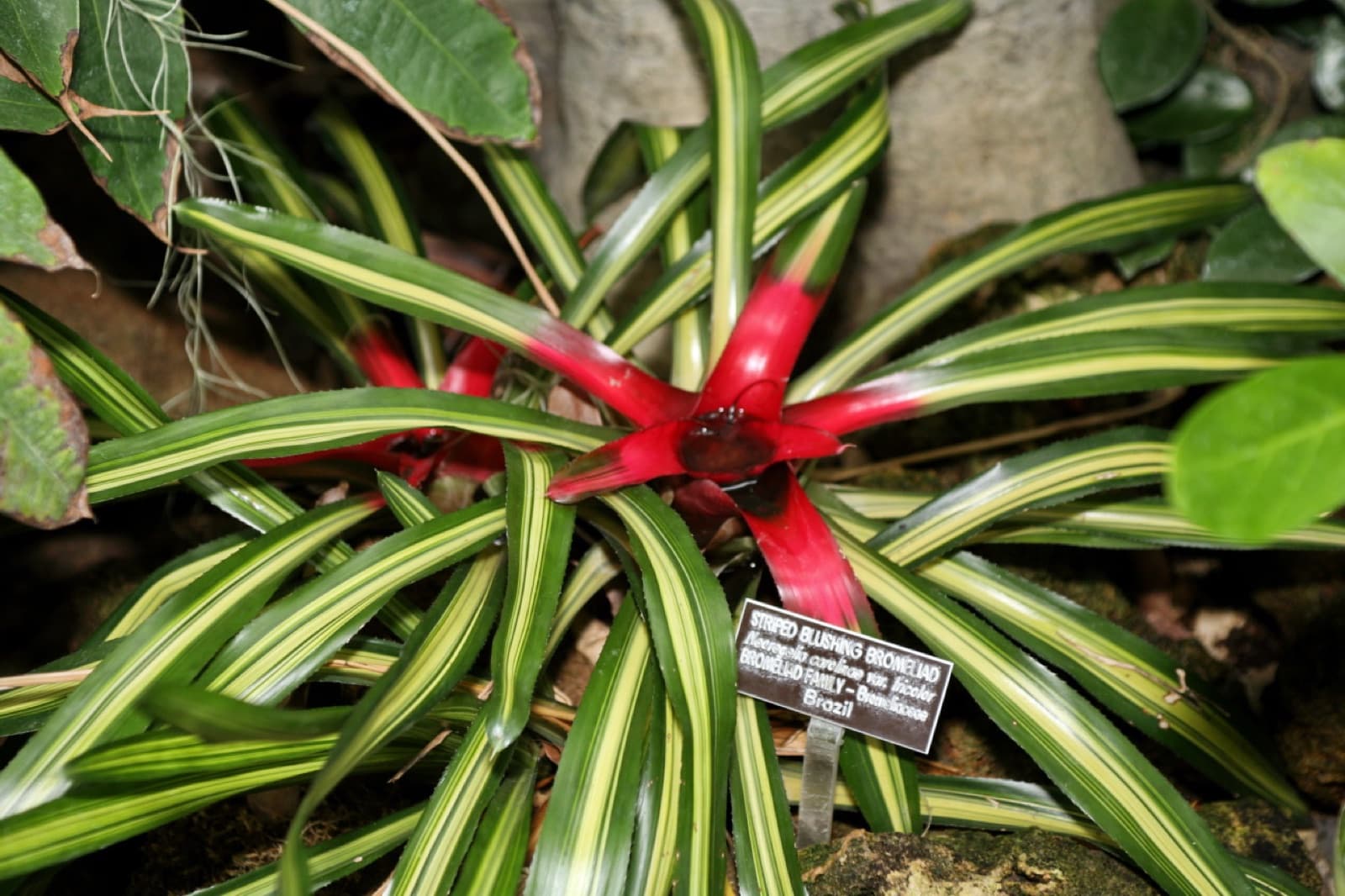
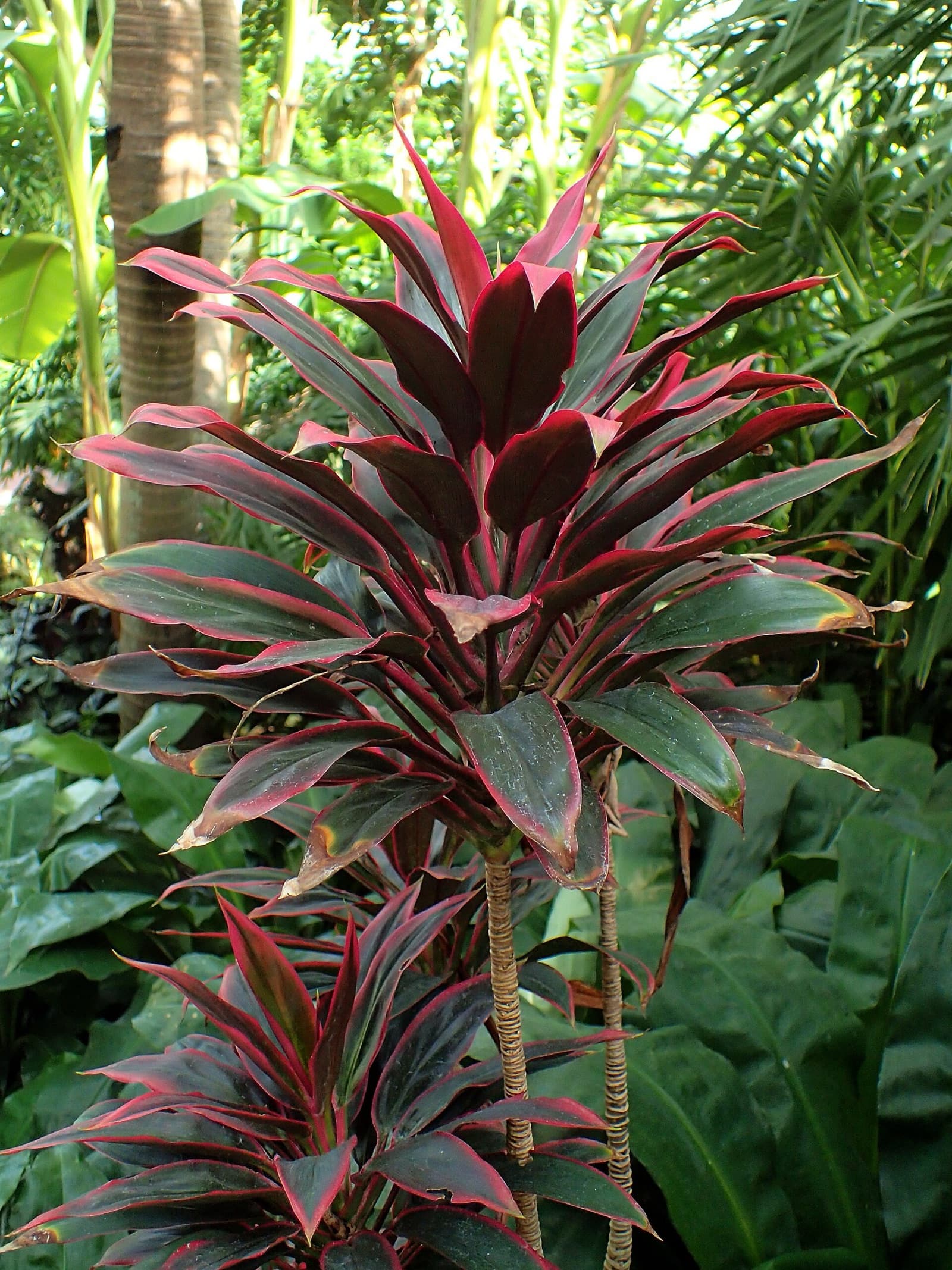
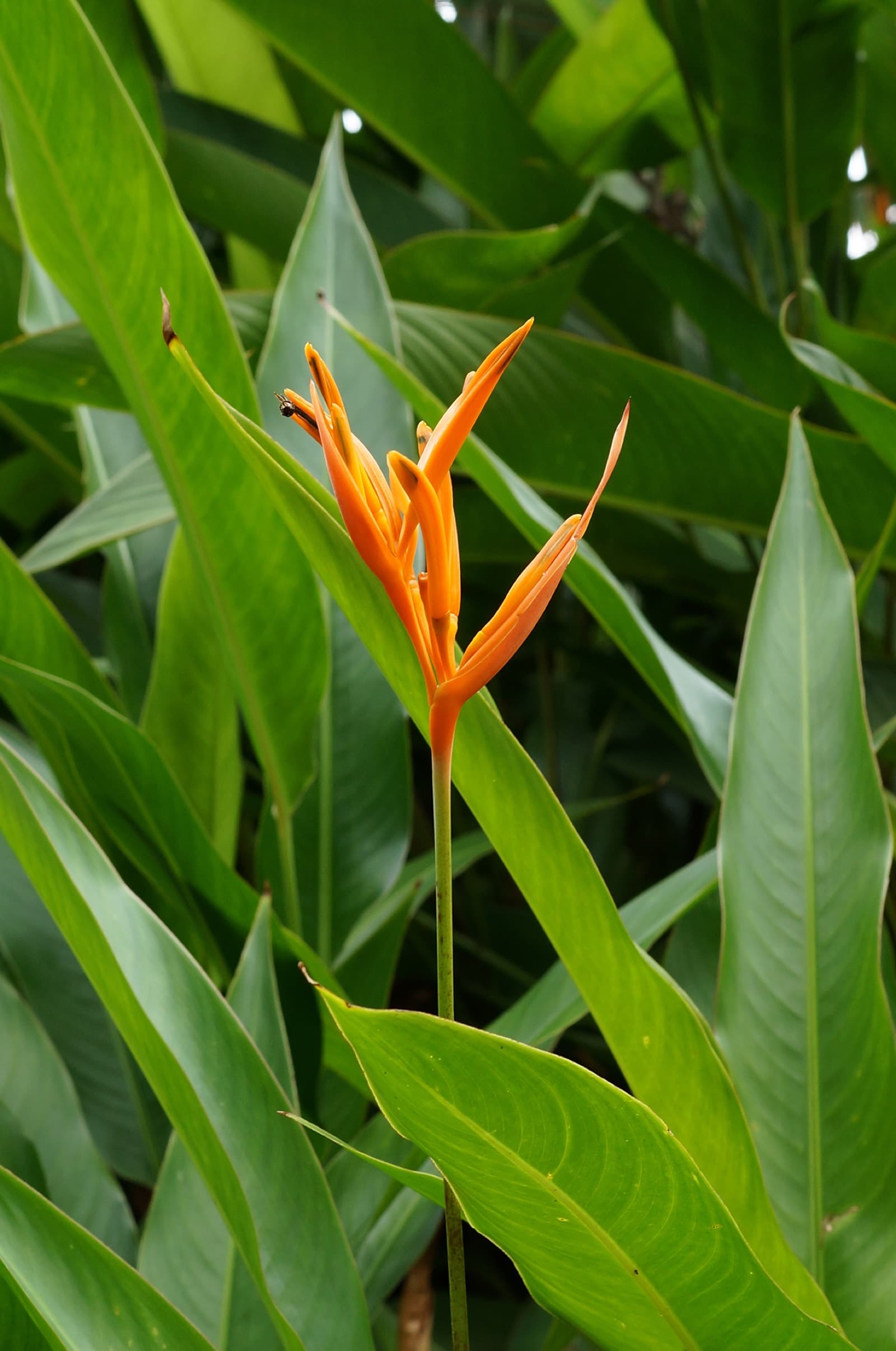
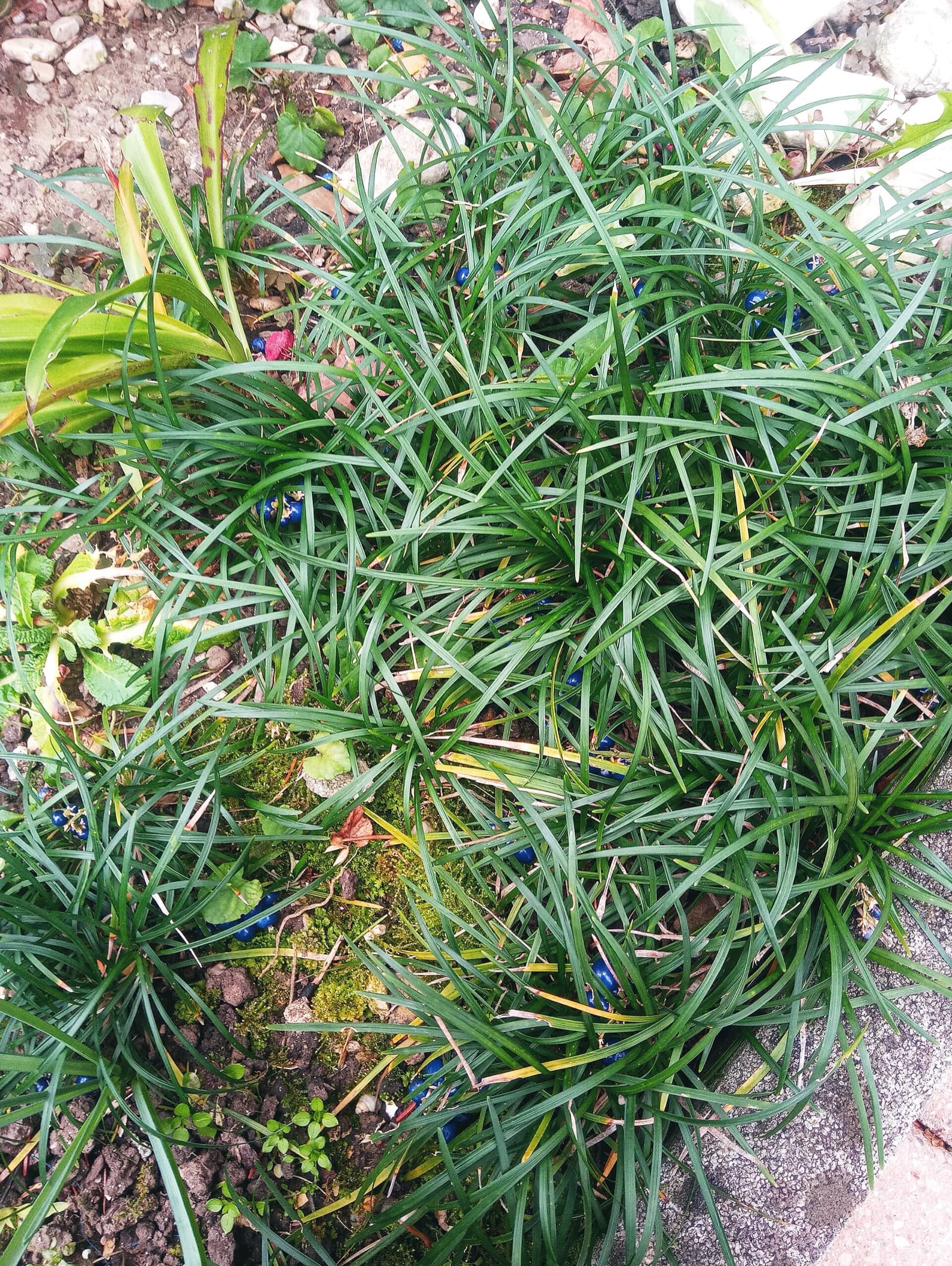
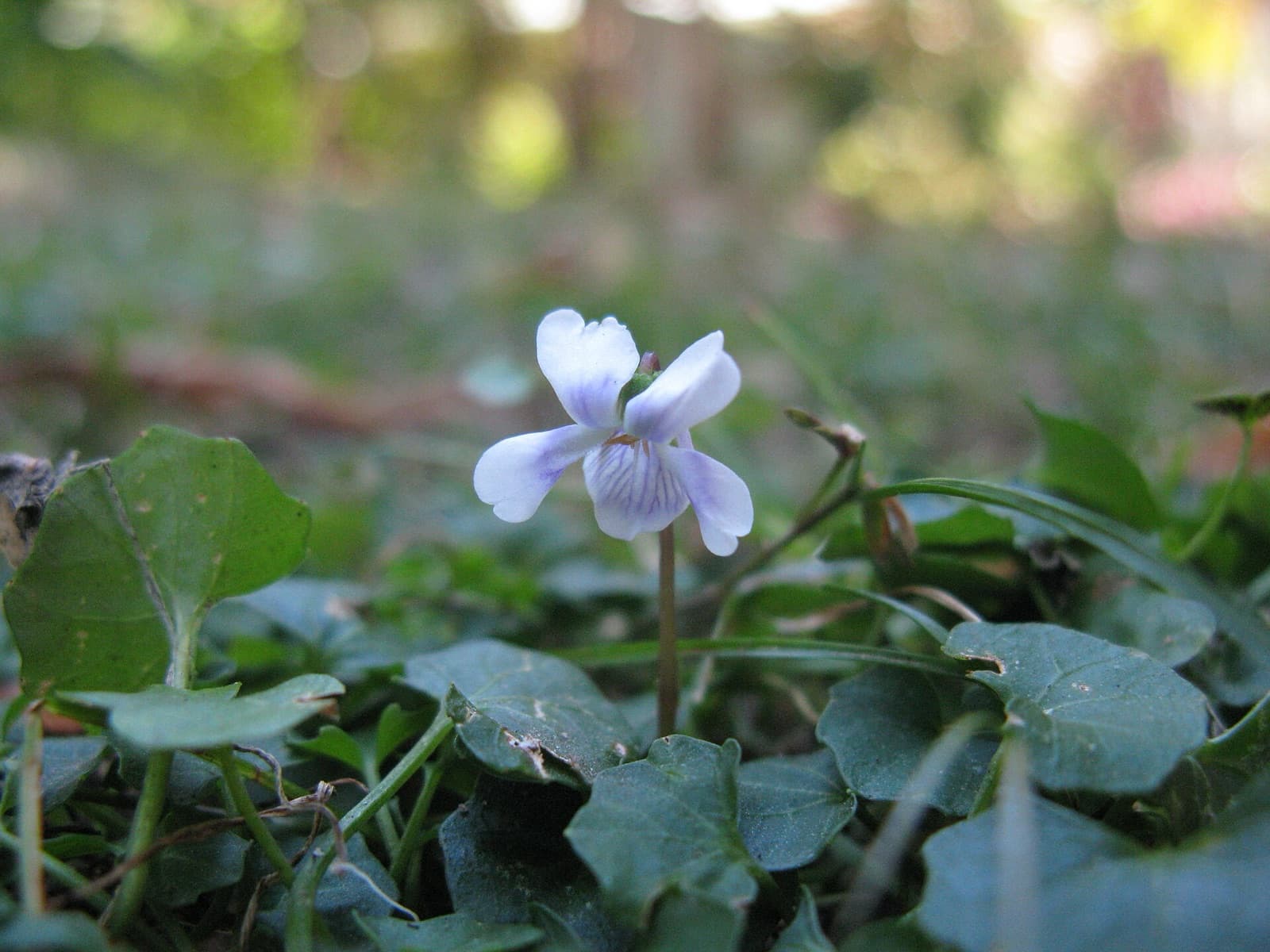
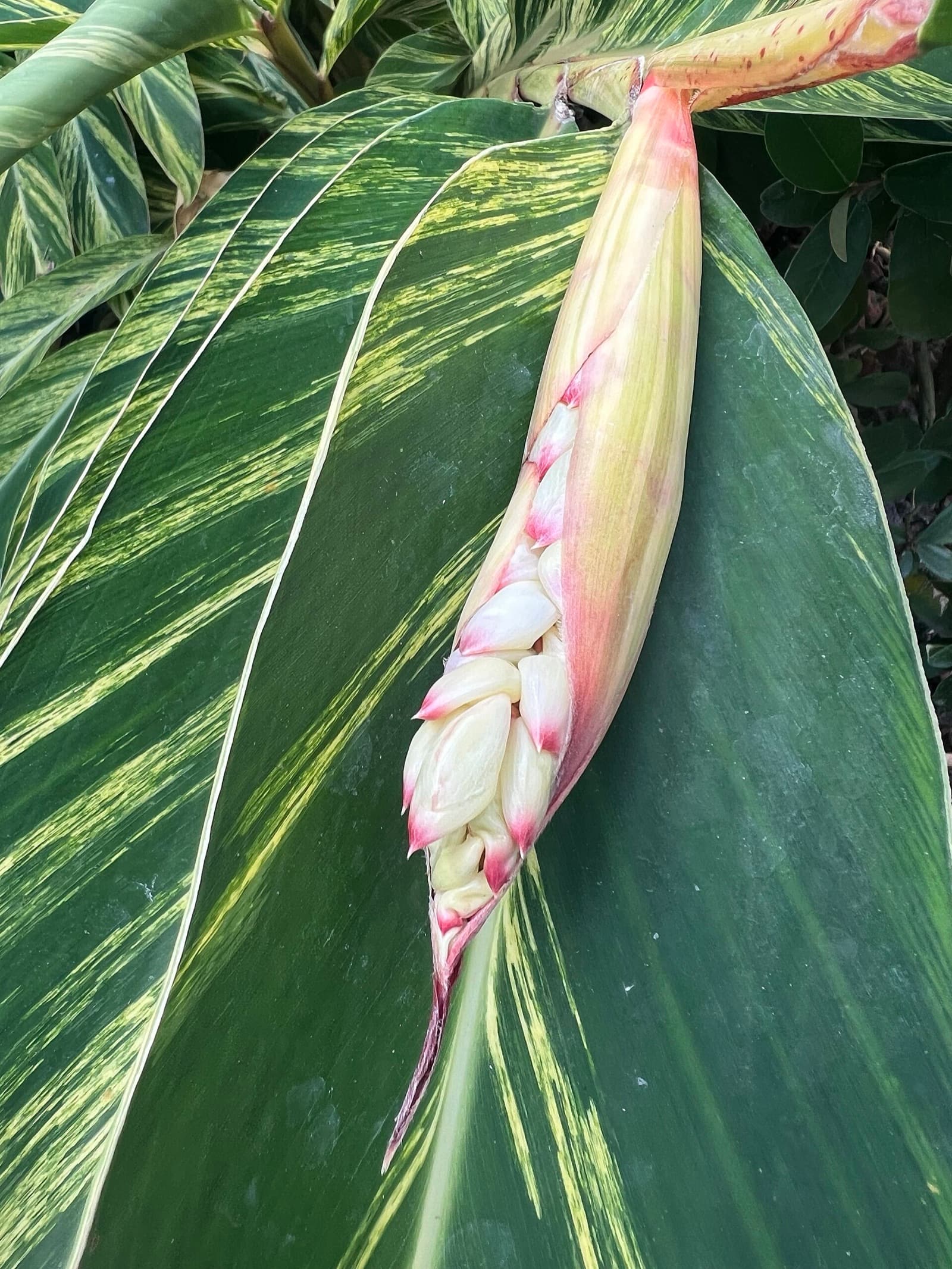
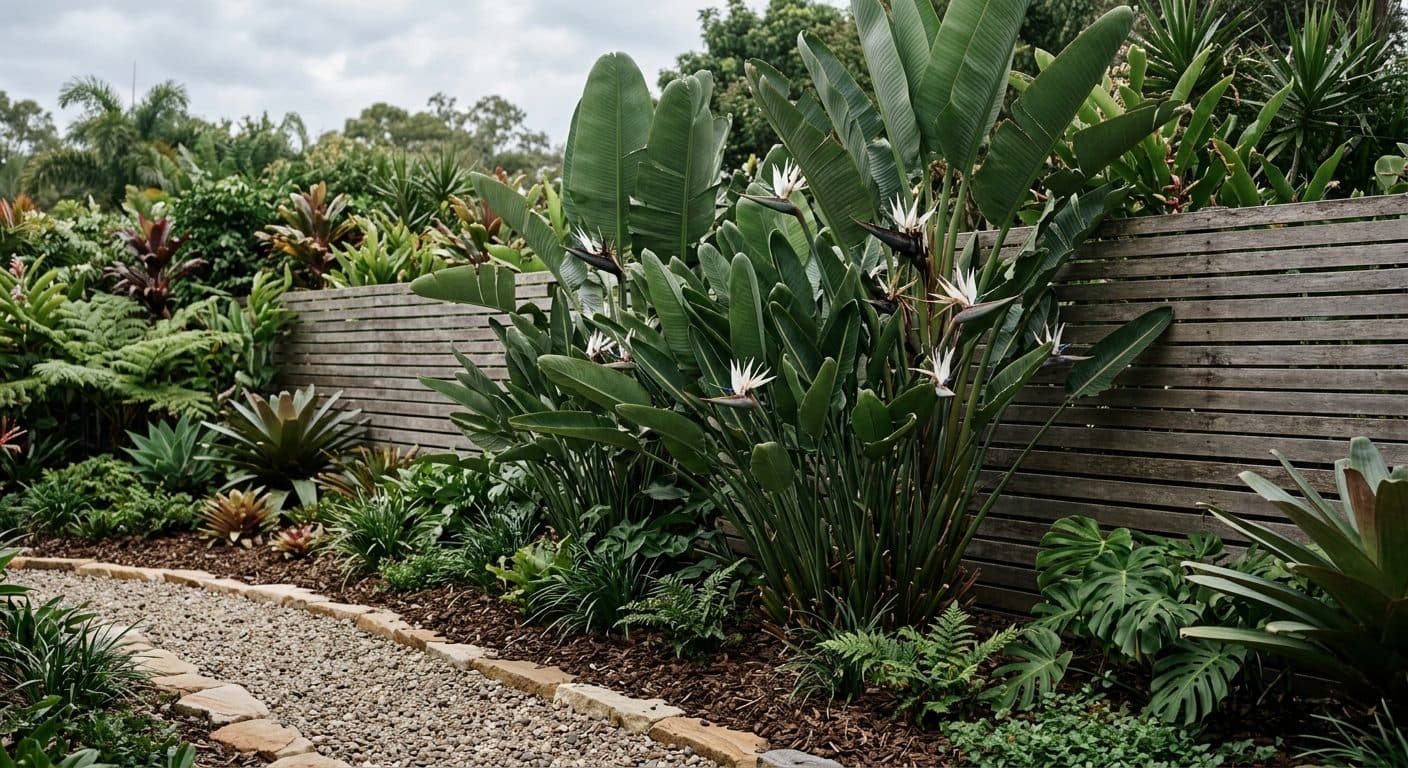
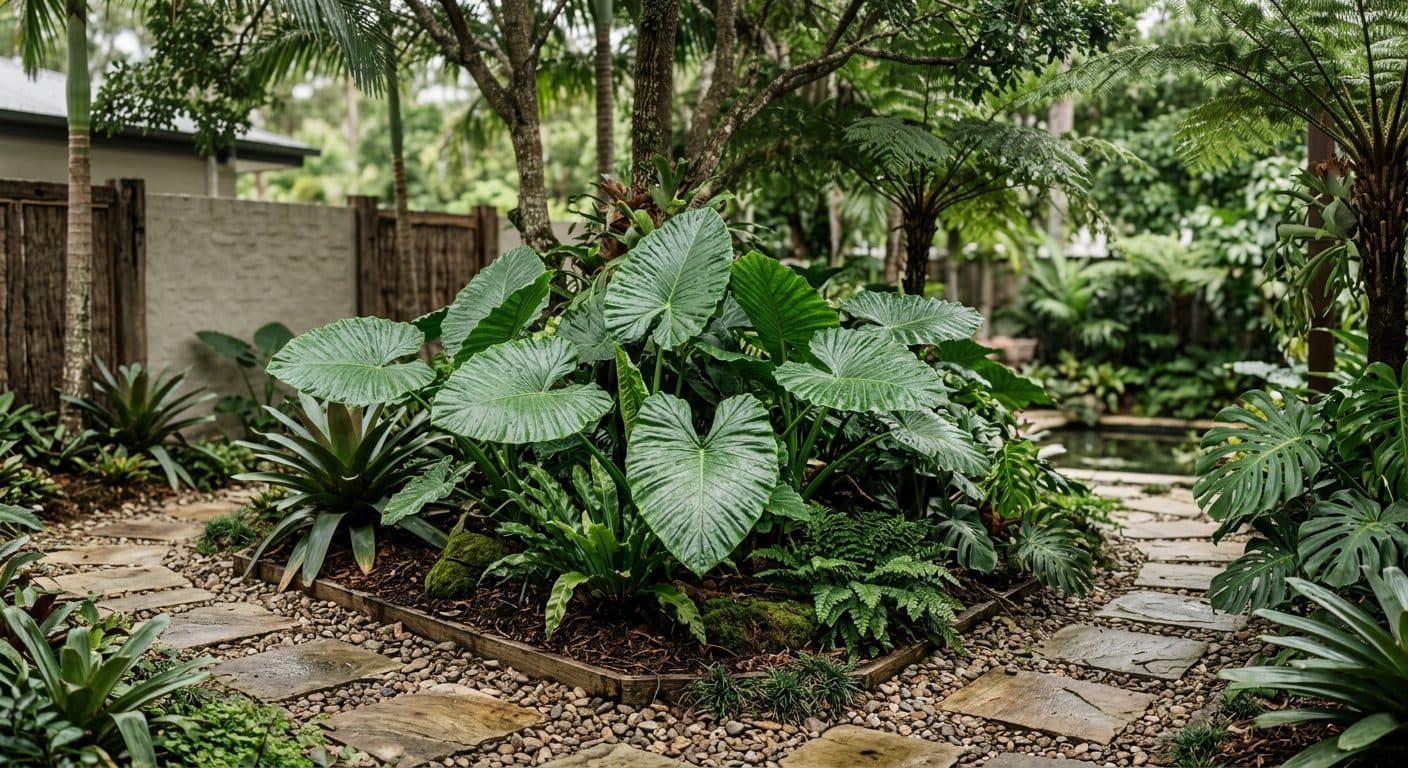
Under that, the mid-storey carries the drama: gingers, heliconias, cordylines, bird of paradise, elephant ears in the damp corners. At ground level a continuous carpet (bromeliads in the dry shade beneath palms, native violet and mondo threading the gaps) leaves no soil bare to sprout weeds or bake dry.
The poolside crossover
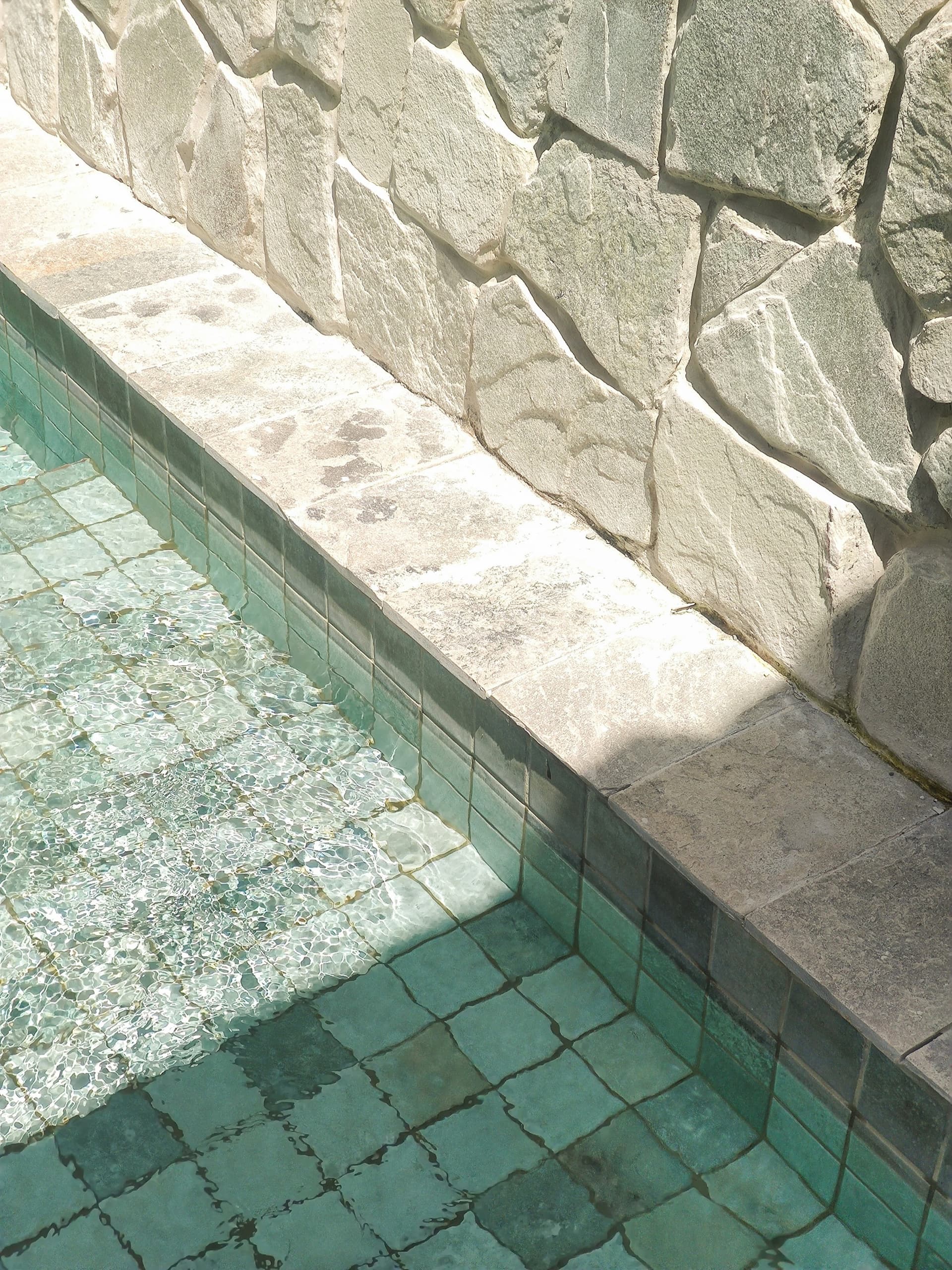
Half the tropical gardens we design wrap around a pool, and the pairing earns its popularity: water bounces light up into foliage, and dense green enclosure is most of what separates 'pool' from 'resort'. It's also where plant selection turns technical: nothing spiky beside the steps, nothing that sheds constantly into the skimmer box, nothing whose roots will lift coping or go hunting for a pipe.
Screening does double duty here, hiding neighbours and framing the water. And because a pool is really the centrepiece of an entertaining zone, we design the two as one space. That thinking carries through our outdoor entertaining design work.
The discipline that stops tropical becoming jungle
The line between lush and overgrown is drawn at the design stage. It looks like repetition: a dozen of one ginger rather than one each of a dozen. It looks like reading mature sizes honestly, because the cute cordyline in the 200-millimetre pot is three metres tall in four years. And it looks like negative space: the calm lawn or paved clearing that gives all that foliage something to be lush against.
It also looks like access. Every dense bed in our plans can be reached for the cut-backs that keep it healthy, because a tropical garden you can't get into is a jungle with a two-year head start. That structure is exactly what a concept design locks in before anything goes in the ground.
Water and maintenance, honestly
Tropical foliage sits at the thirstier end of the Brisbane palette. Summer storms carry the garden from December to March, but August to November is the hungry gap, so drip irrigation isn't optional for this style, and your water bill will notice it more than a native garden would.
Maintenance is seasonal rather than constant: a few big cut-back sessions a year as gingers and heliconias finish flowering, and far less weeding than you'd expect once the canopy closes and the garden starts mulching itself. If that still sounds like too much, our low-maintenance garden design page shows the other path.
Common questions
Want the resort feel without the jungle?
We're currently taking on new landscape design clients across Brisbane. Reach out for a personalised quote, whether you're a homeowner or a design professional.
Book a Free Discovery Call