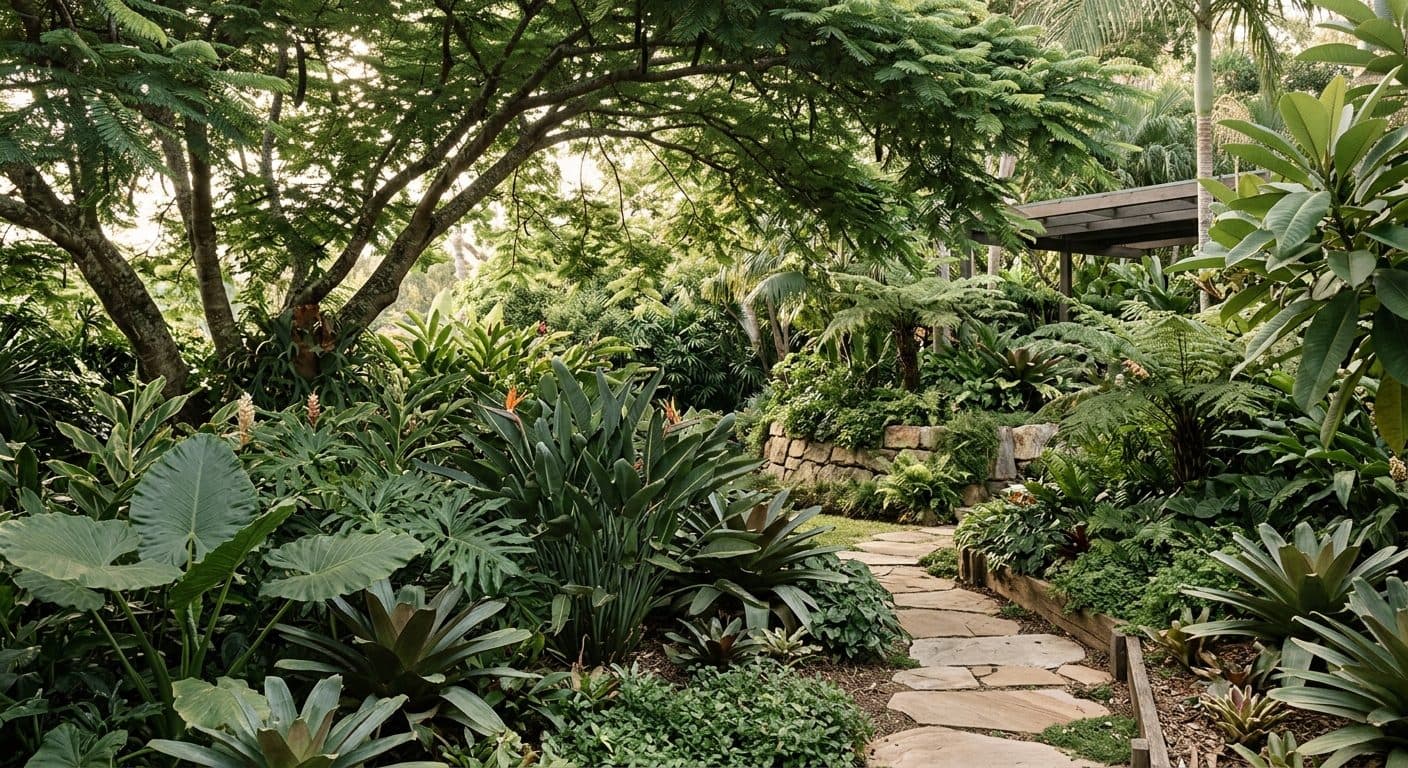
Brisbane's climate is a gift for garden designers, but it needs a different approach to cooler gardens down south. Here's how I think about subtropical planting.

By Shannon Trevisiol, Landscape Designer, Brisbane · 4 min read
- Design the shade first: a canopy layer is what makes a subtropical garden liveable right through a Brisbane summer.
- Anchor with hardy Queensland natives, then use bold tropicals like gingers and heliconias as accents, not the backbone.
- Water deep and infrequently, and treat soil and mulch as the foundation, not an afterthought.
- Design the hardscape and the planting as one palette, not two separate decisions.
Brisbane's climate is genuinely one of the best in the world for gardening. Long, warm summers, mild winters, reliable rainfall, and soil that responds well to thoughtful planting. And yet, so many Brisbane gardens underperform: they either bake in the summer heat, or they're filled with plants better suited to Melbourne or Sydney.
The difference is usually about understanding what "subtropical" actually means in practice.
Start with the canopy
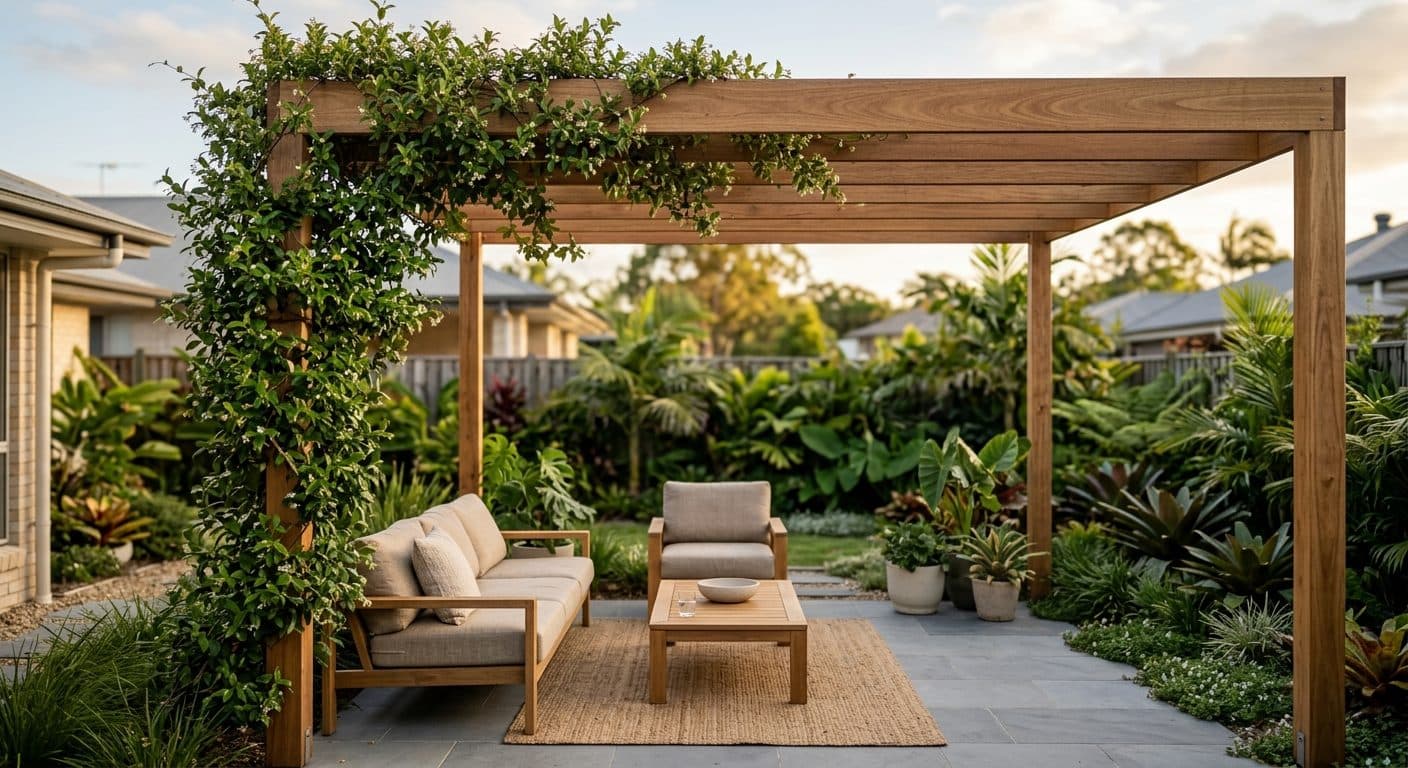
In a subtropical garden, shade is not a luxury but a design tool. The first question I ask on every site visit is: where does the sun come from, and where does it land hardest? In Brisbane, the western sun in summer is relentless, and any outdoor space that doesn't have afternoon shade will be unusable from November to March.
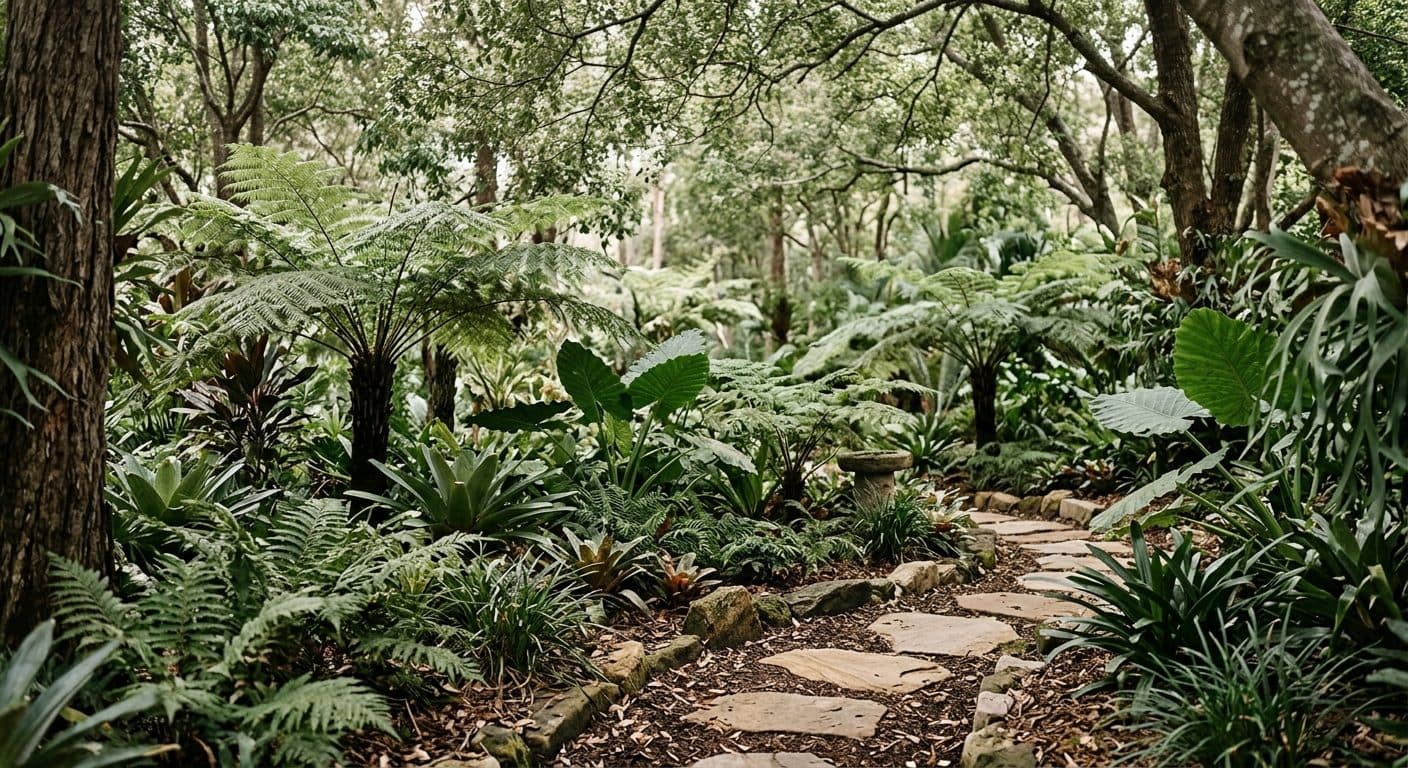
The solution is layered planting. A canopy layer of shade trees creates the microclimate that allows everything below it to thrive, and I lean towards species that give that shade without sending aggressive roots through your beds, paths and pipes. Three I come back to are Backhousia citriodora (Lemon Myrtle), with its fragrant foliage and neat habit; the Golden Penda (Xanthostemon chrysanthus), a hardy subtropical native that flowers gold; and Crepe Myrtle (Lagerstroemia), which is deciduous, so it shades in summer and lets the winter sun back in. Medium-layer shrubs then fill the space between canopy and ground, and groundcovers knit it all together.
Choose plants that earn their place
I don't come to a site with a fixed plant list. The species I suggest are ultimately guided by your design preference: the look and feel you're after for the garden. Once we've settled on the style you love, my job is to suggest plants that do two things at once. They should complement that style, so the planting reads as one considered idea rather than a collection of favourites, and they should be genuinely reliable for your particular site, its soil, aspect, drainage and how much time you actually want to spend on it.
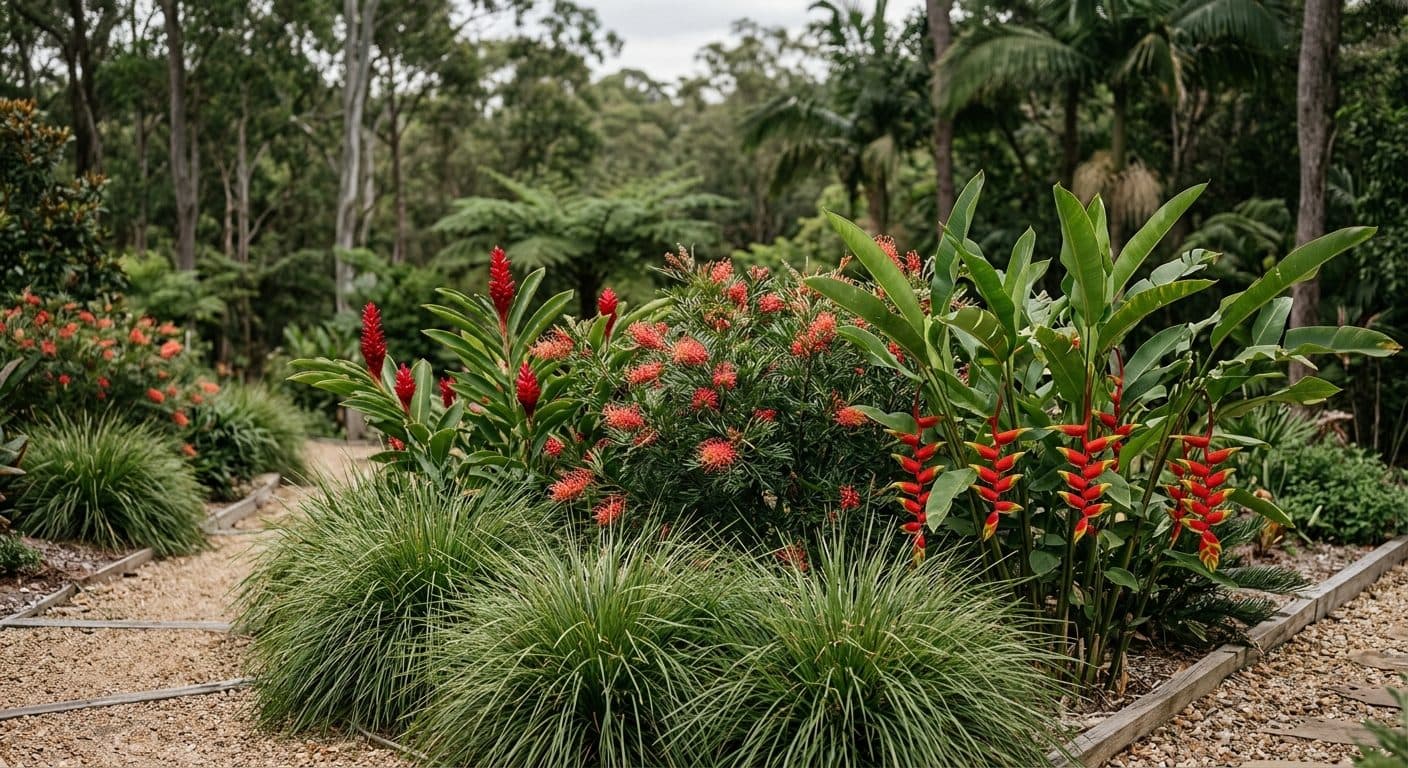
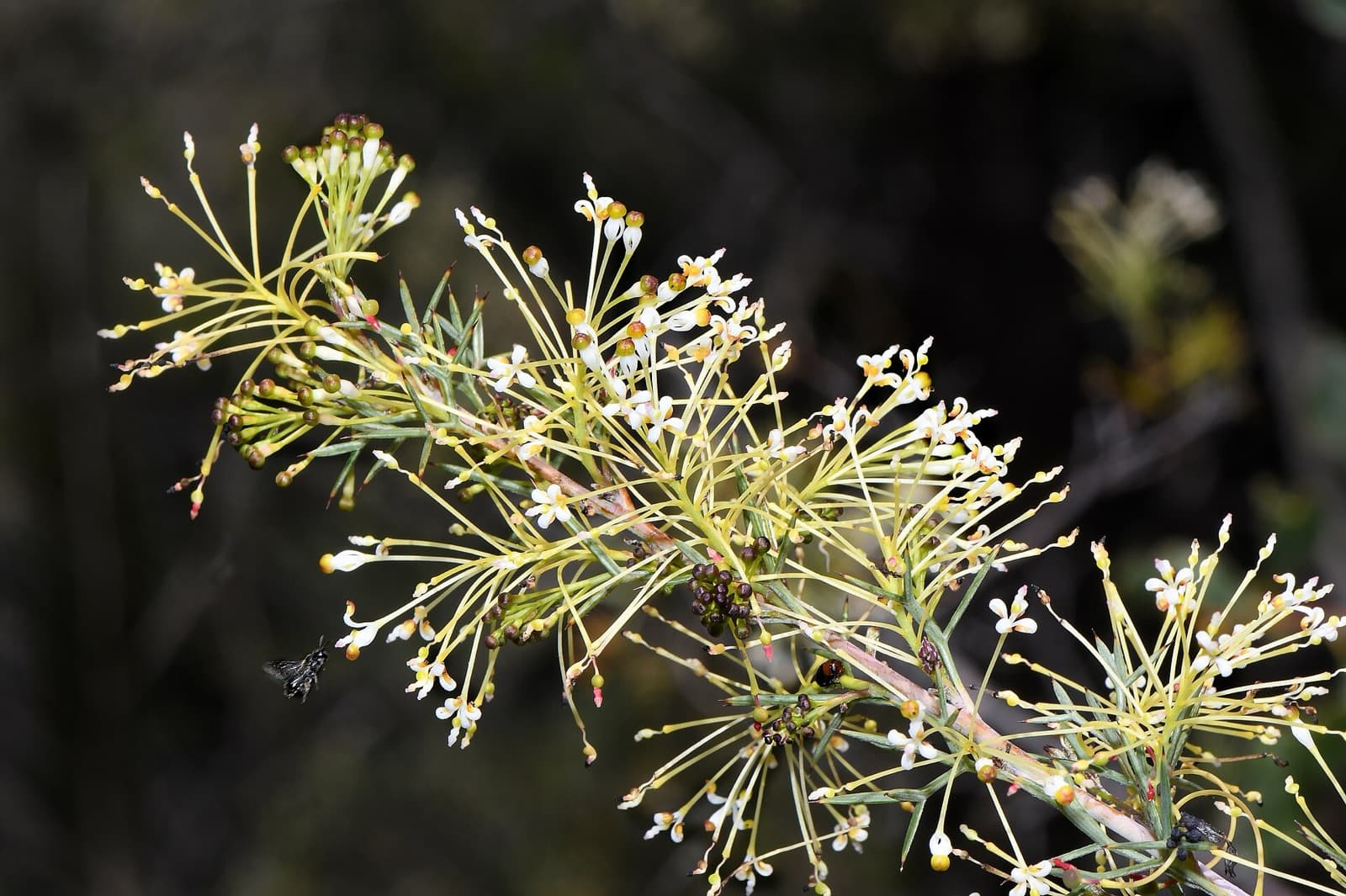
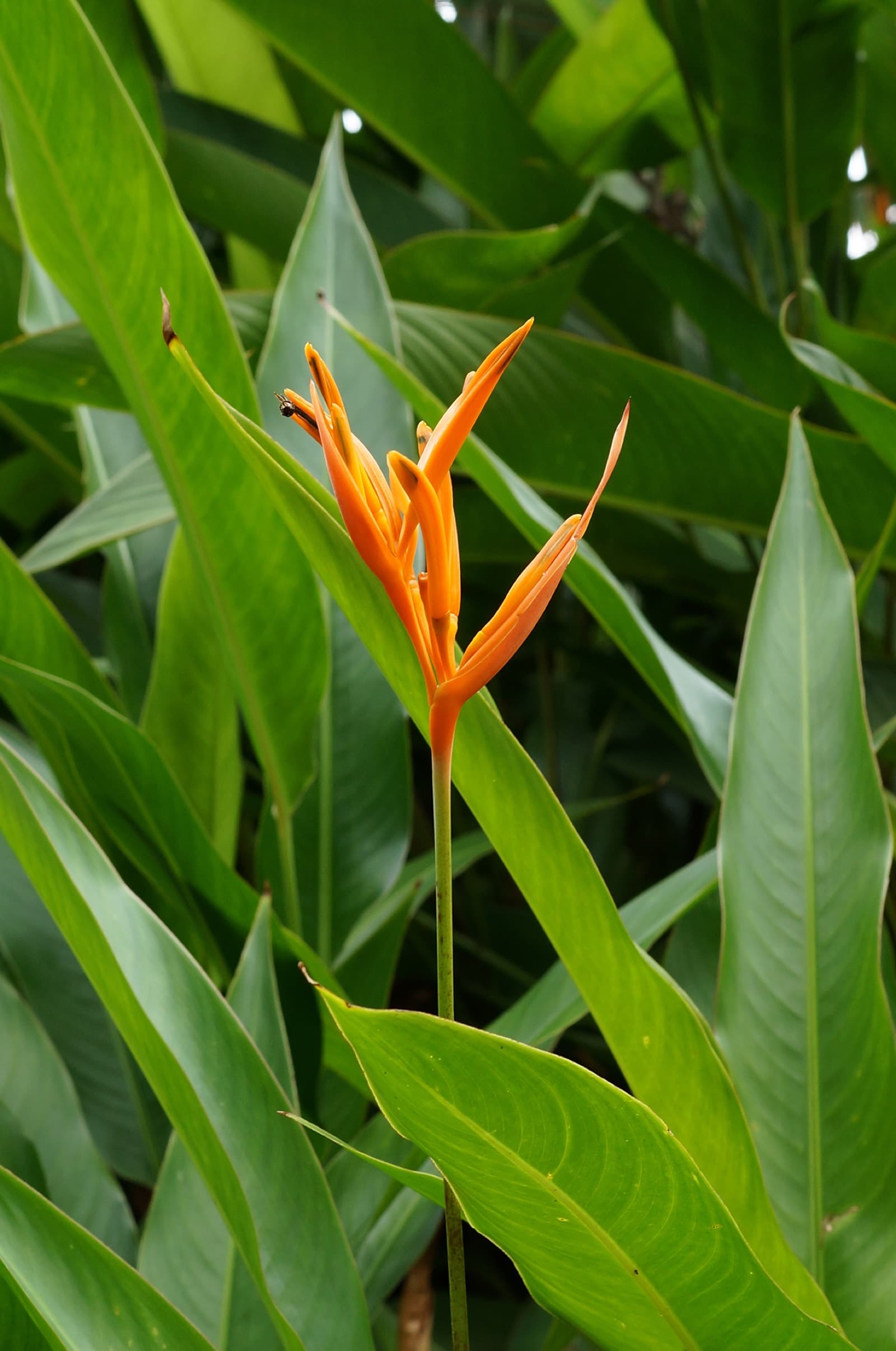
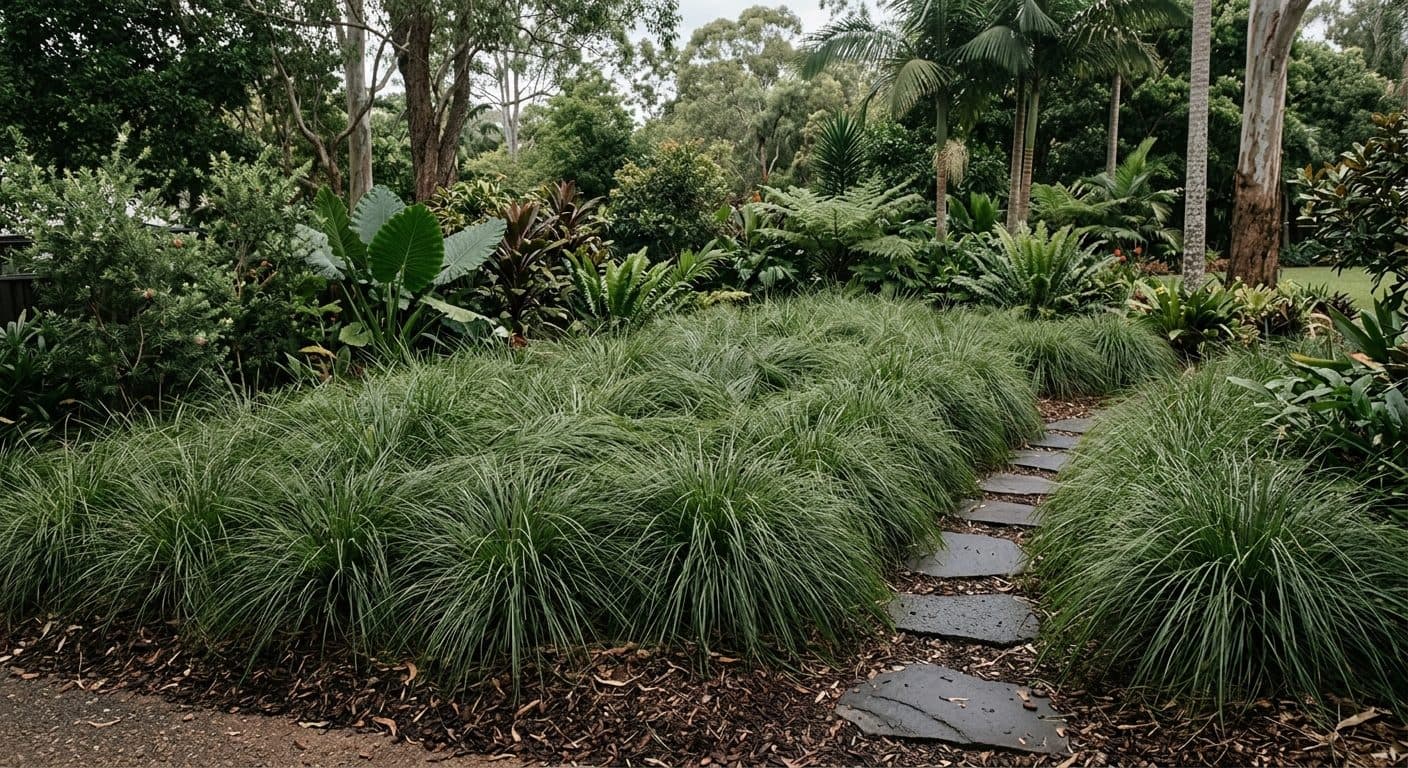
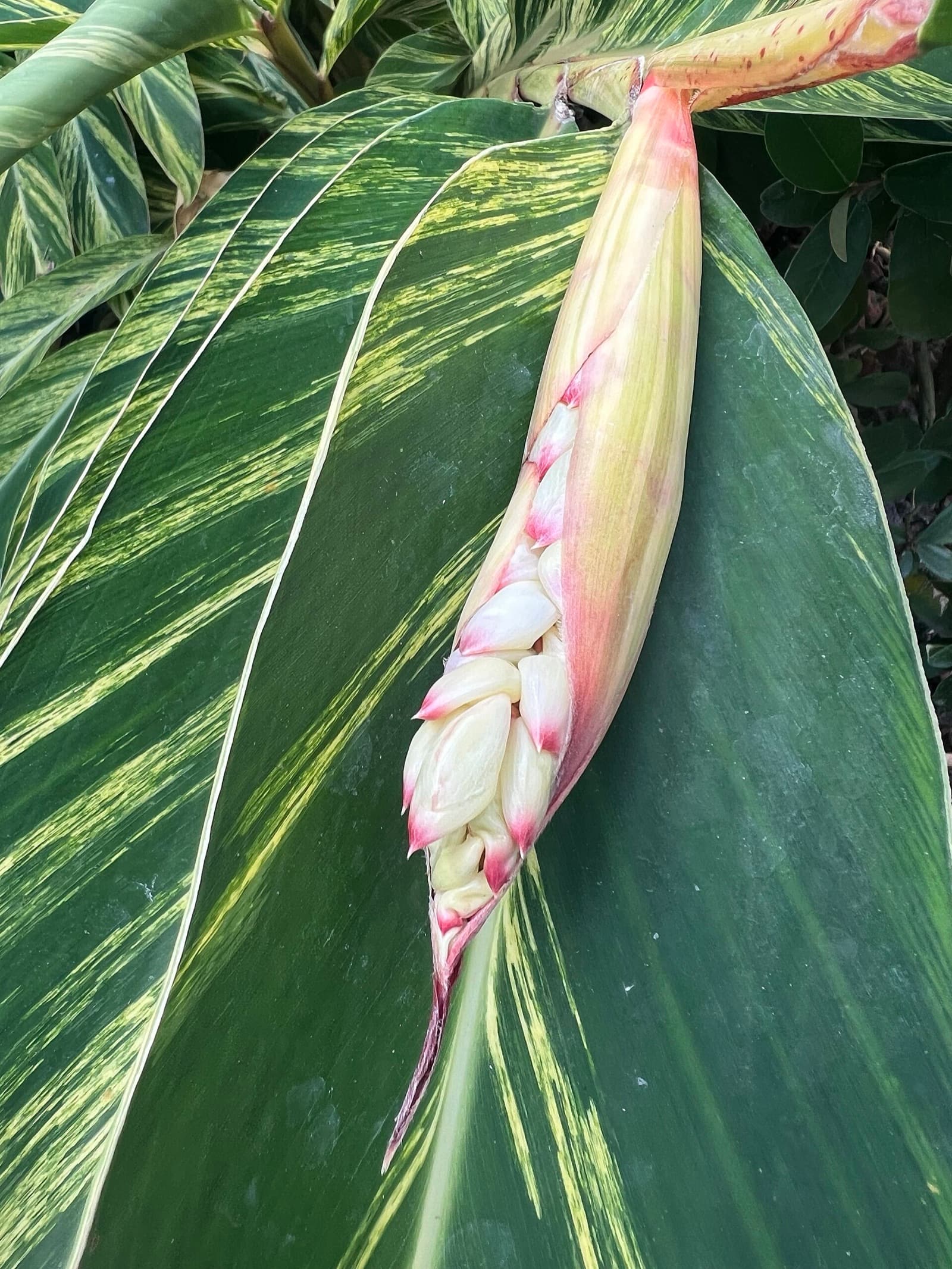
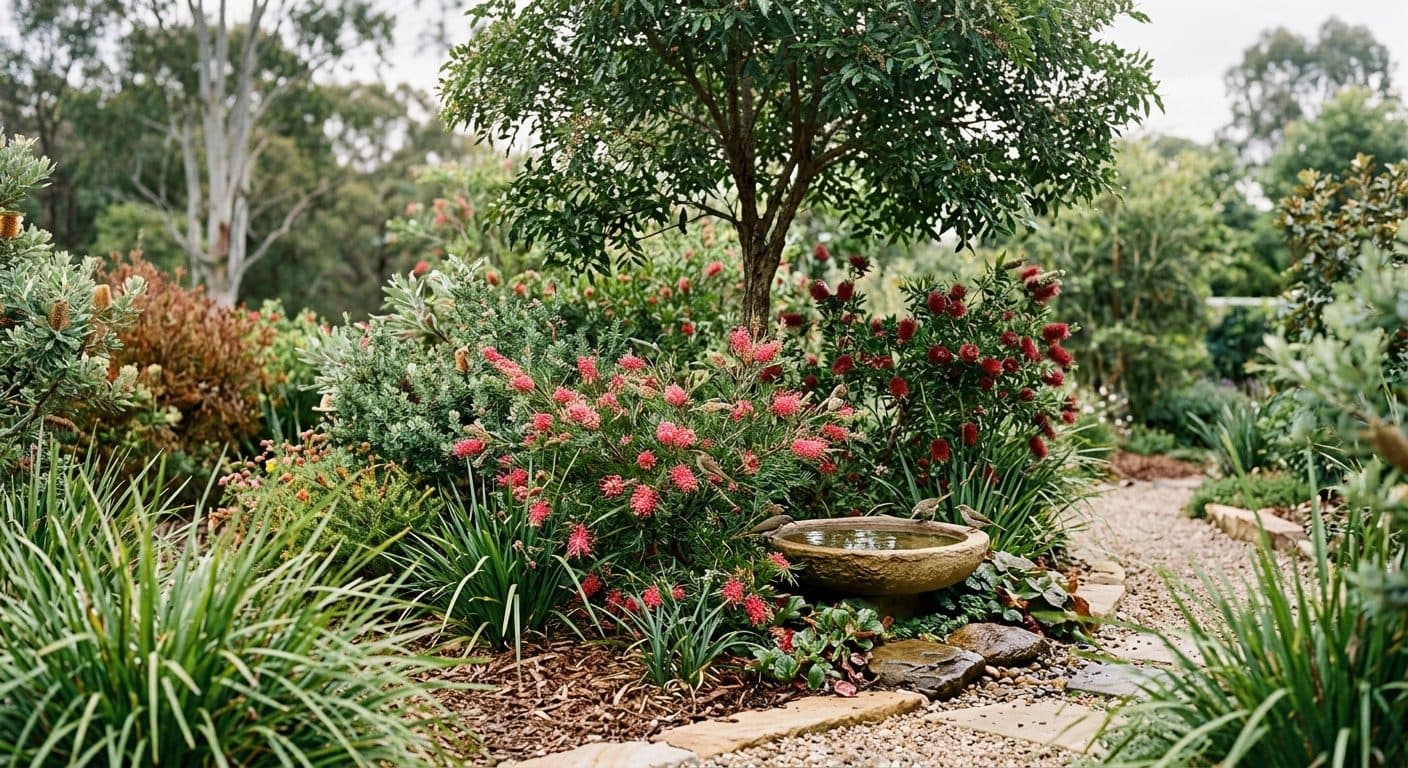
So if you're drawn to a bold, lush look, I'll reach for gingers, heliconias and elephant ears where the conditions can support them, and balance them with steadier performers so the garden still holds together through a dry winter. If you'd rather something calmer and lower-maintenance, I'll lean on reliable Queensland natives like lomandras, grevilleas, kangaroo paws and native figs, and use the showier tropicals sparingly as accents. Either way, the aim is a garden that suits your taste and stays healthy on the site you actually have.
Think about water from the start
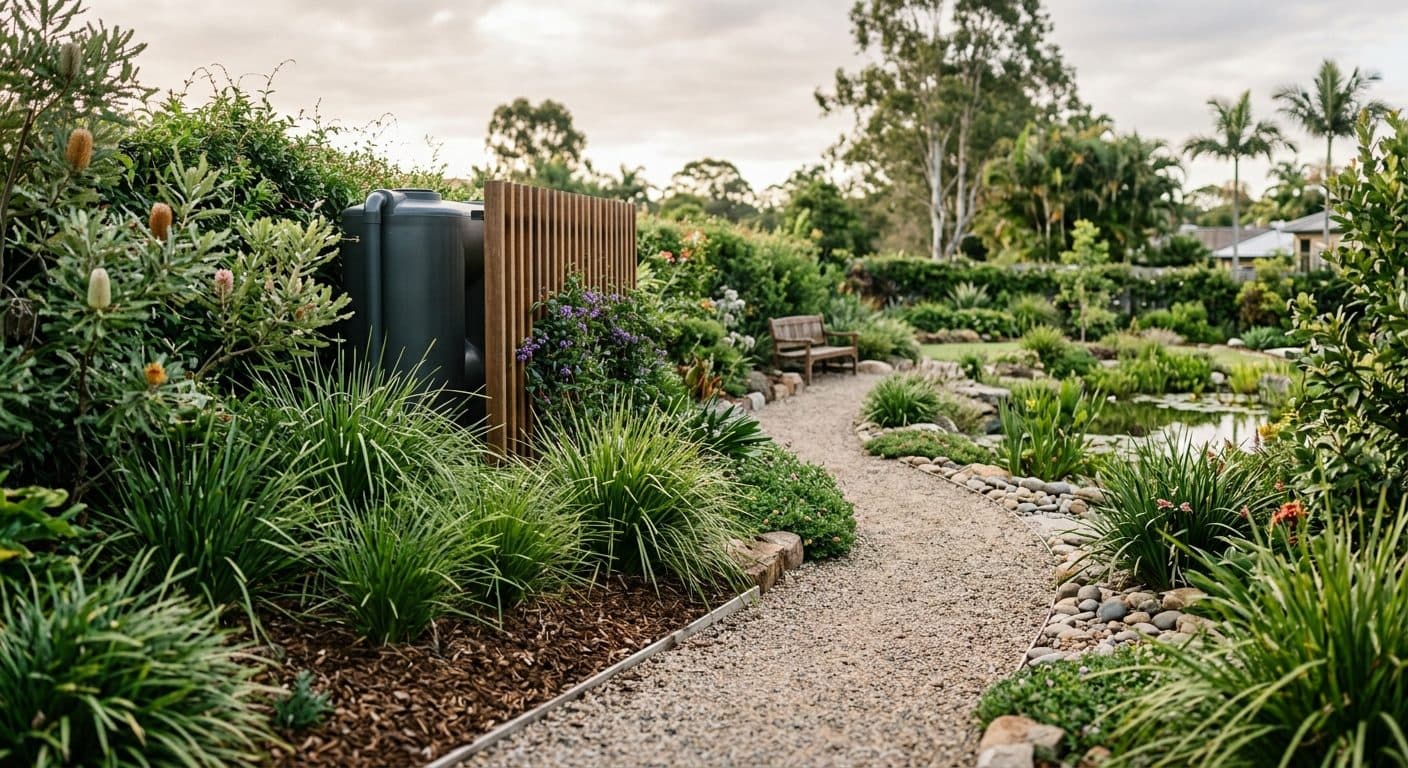
Brisbane's rainfall is feast and famine. We get heavy summer rain and dry winters, and the plants that survive and thrive here are the ones that can tolerate both extremes. Deep, infrequent watering builds deep root systems; daily surface watering creates plants that can't survive without it.
In every garden I design, drainage and soil health are planned in from the start. Organic matter is the foundation: compost, mulch, leaf litter. A well-mulched garden retains moisture, suppresses weeds, moderates soil temperature, and feeds the soil biology that makes plants genuinely healthy rather than just alive.
Hardscape and softscape together
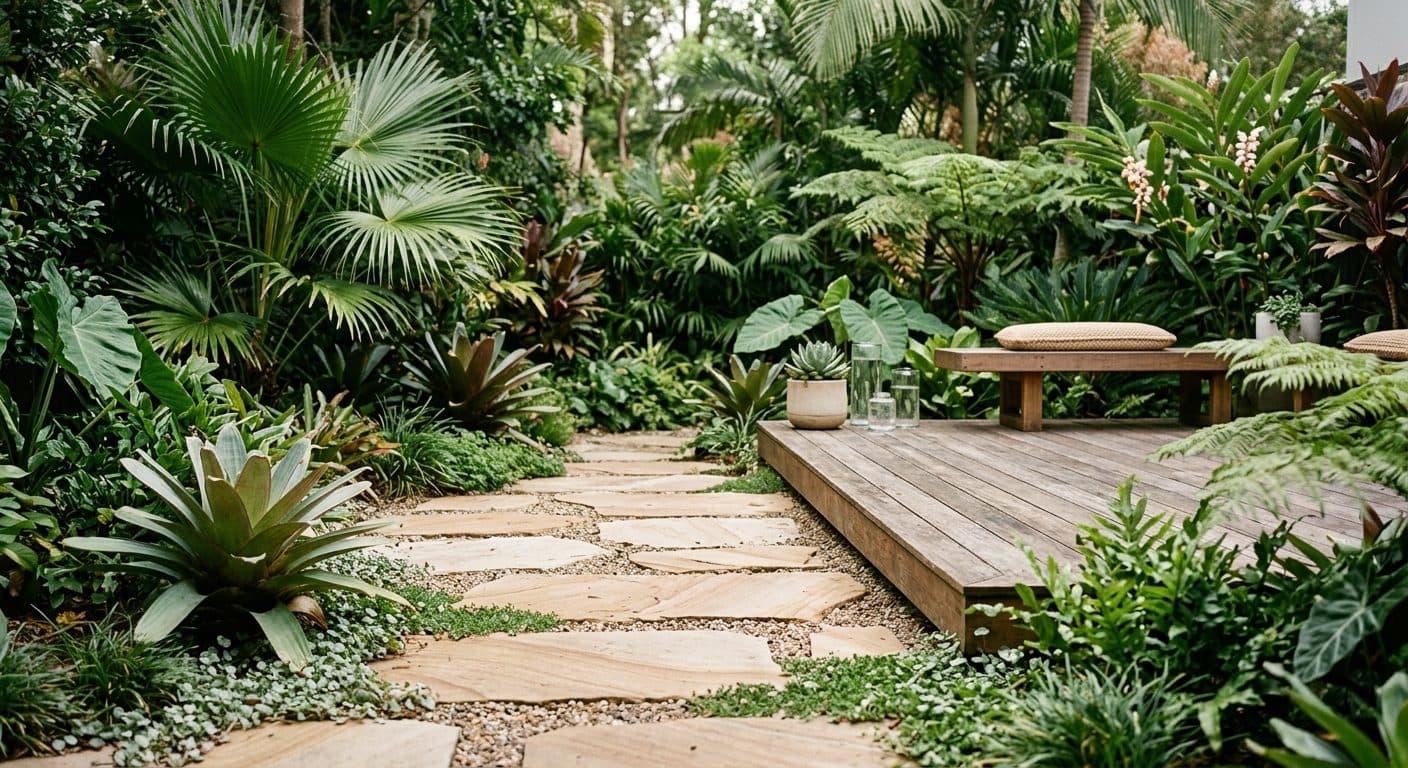
One of the mistakes I see most often in Brisbane gardens is treating the hardscape (paving, decks, walls) and softscape (planting) as separate decisions. They're not. The relationship between surfaces and plants is what gives a garden its character. Warm sandstone with bold tropical planting feels lush and relaxed; crisp concrete with clipped natives feels considered and contemporary.
Design the surfaces and the plants as a single palette, and a subtropical Brisbane garden can be extraordinary.
If you're planning a subtropical garden of your own, our Design Discovery Consultation is the place to start, and if you're weighing up budgets, we've written an honest guide to how much landscape design costs in Brisbane.
Ready to start designing?
We're currently taking on new landscape design clients across Brisbane. Reach out for a personalised quote, whether you're a homeowner or a design professional.
Book a Free Discovery Call