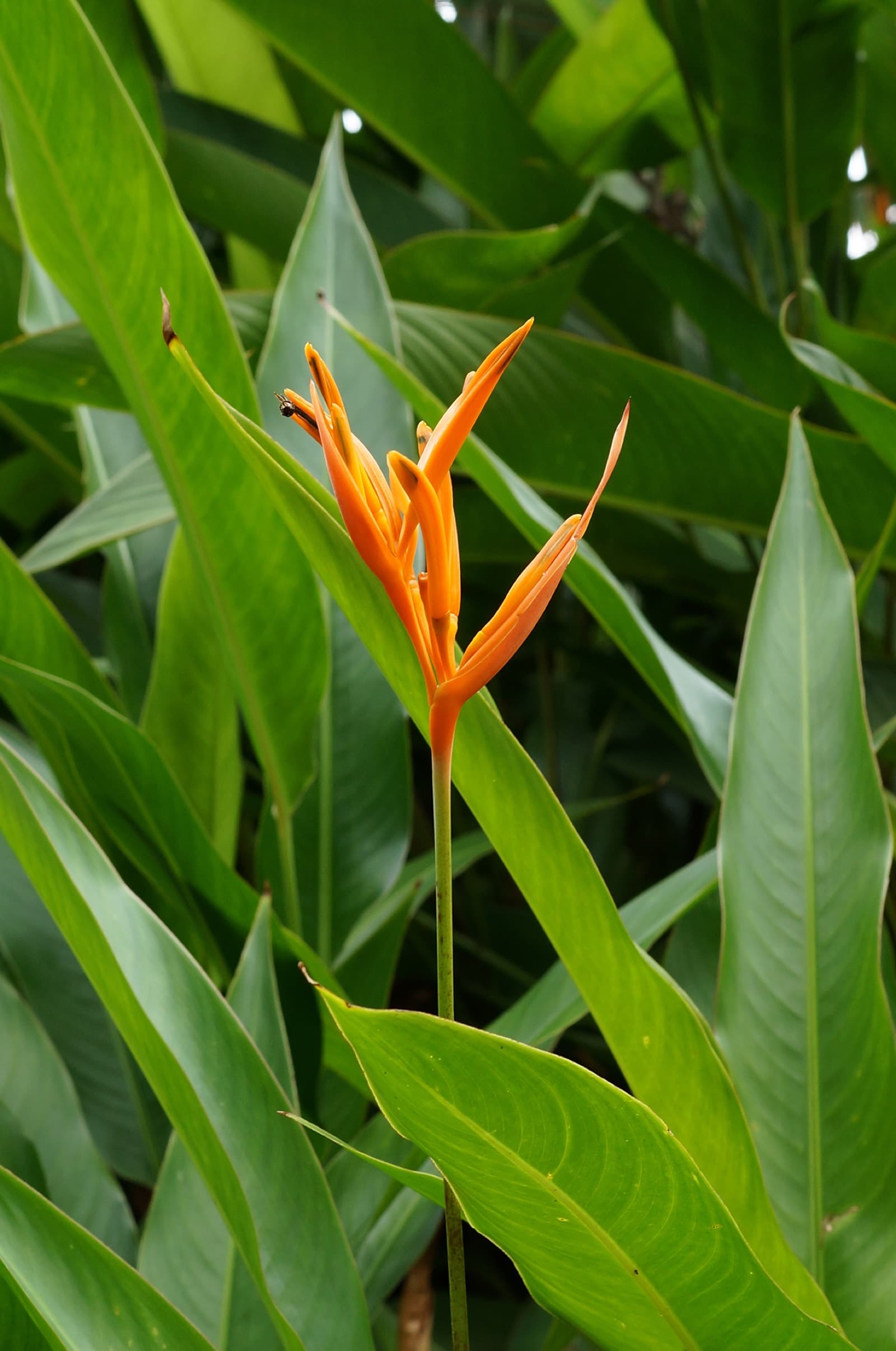
Heliconia species, the lobster claw whose waxy, saturated flower heads are as tropical as a Brisbane garden gets.
Heliconia species · Also known as Lobster Claw, False Bird of Paradise
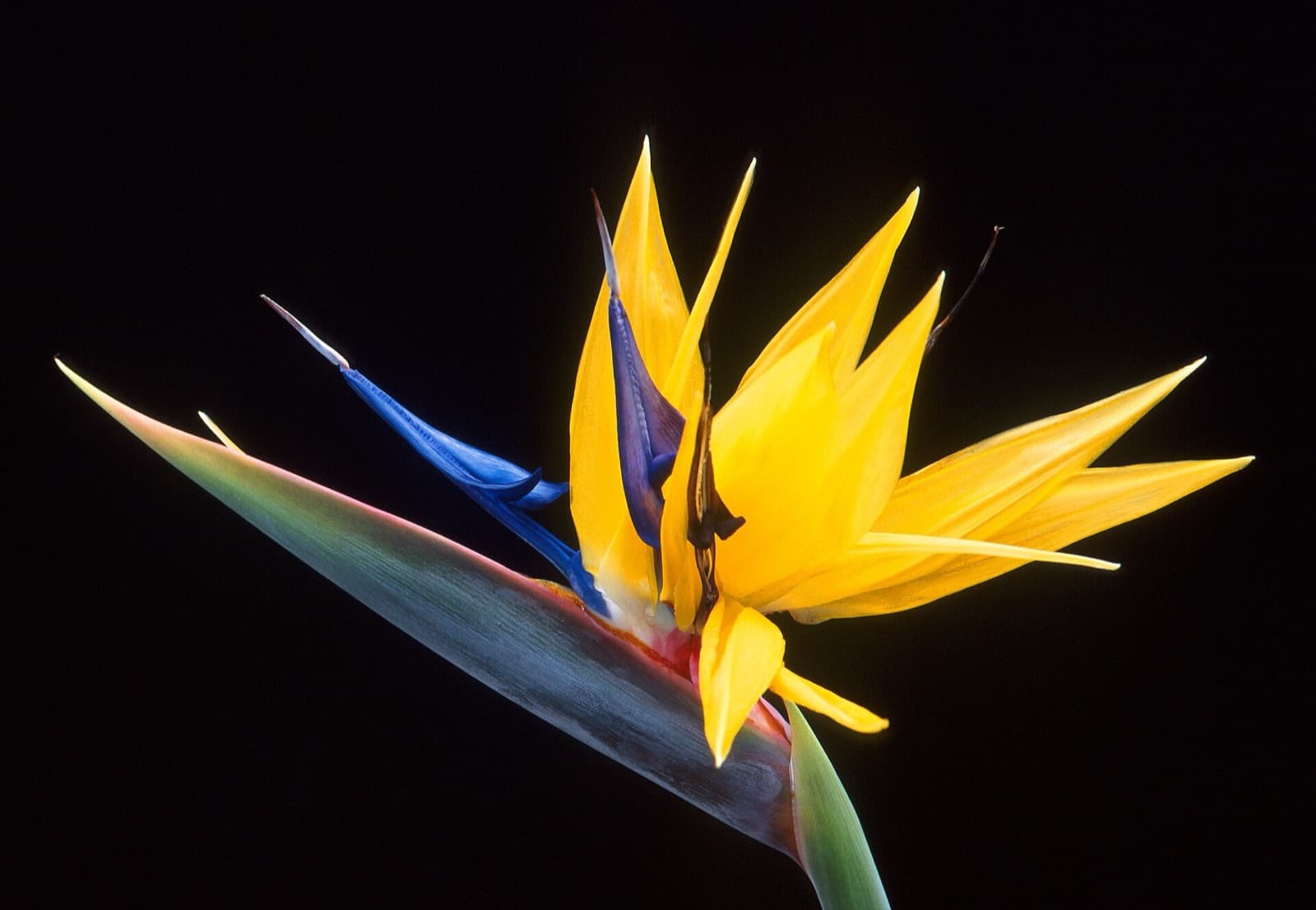
Heliconia is the plant people point at, because nothing else in the garden carries a flower quite like it: waxy, architectural bracts in reds, oranges and hot pinks that hang or spike from tall paddle-leafed clumps and look, to most eyes, frankly unreal. Gardeners know it as heliconia, as lobster claw for the clawed shape of the bracts, and as false bird of paradise because it looks like a supersized, more flamboyant cousin of the true bird of paradise.
It is a showpiece rather than a workhorse, and we plant it where a garden wants one unmistakable tropical statement rather than quiet structure. What that showpiece asks for in return is real warmth and real water, so heliconia is a plant for the sheltered, well-watered garden and not for a tough, exposed, forget-about-it bed.
In a Brisbane garden
Brisbane sits at the cooler edge of where heliconias are truly happy, and that plain fact shapes where we use them: in a warm, sheltered, north-facing courtyard that traps summer heat they can be spectacular, while on a cold, wind-raked block they sulk, flower shyly, and mark up over winter. Our summers give them the heat and humidity they crave, but the cooler months are a genuine check, and a hard cold snap will brown the foliage and stall the clump until the warmth returns.
Water is the other non-negotiable, because these are among the thirstier plants in the tropical palette and they want rich, moisture-holding soil kept consistently damp, so they belong in a garden where regular deep watering and feeding are part of the deal rather than a garden built around going without. Get the warm, sheltered, well-watered spot right and heliconia rewards you extravagantly, but it is not a plant to fight your site over, and we will say so before it goes in the ground.
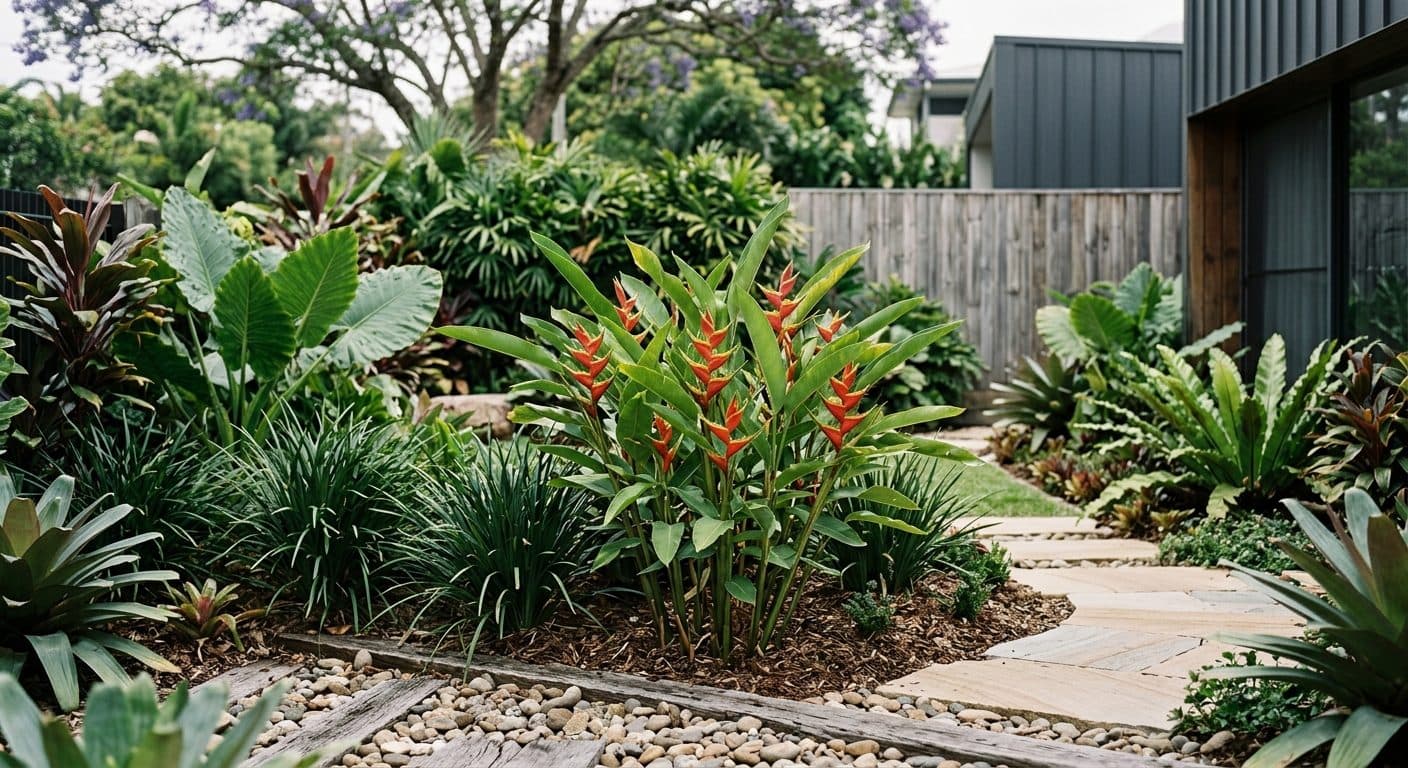
Photo: Prenn, CC BY-SA 3.0, via Wikimedia Commons
How we design with it
We treat heliconia as the exclamation point in a tropical garden design, placing a clump where the flower will be seen and read against a calm green backdrop rather than lost in a busy bed. Because it needs warmth and shelter, the best homes are the sun-trapping, protected corners we plan for in our guide to designing a subtropical garden in Brisbane, where a north-facing wall banks the summer heat it lives for.
It pairs beautifully with the broad quiet leaves of gingers and the fine texture of palms, which frame those bold bracts without competing, and we keep it well back from cold, exposed boundaries. When a client wants that saturated tropical flower but has a tougher, drier or more open site, we say so honestly and steer the design toward hardier statement plants that will actually thrive there.
Common questions
Want a true tropical showpiece placed where it'll thrive?
We're currently taking on new landscape design clients across Brisbane. Reach out for a personalised quote, whether you're a homeowner or a design professional.
Book a Free Discovery Call