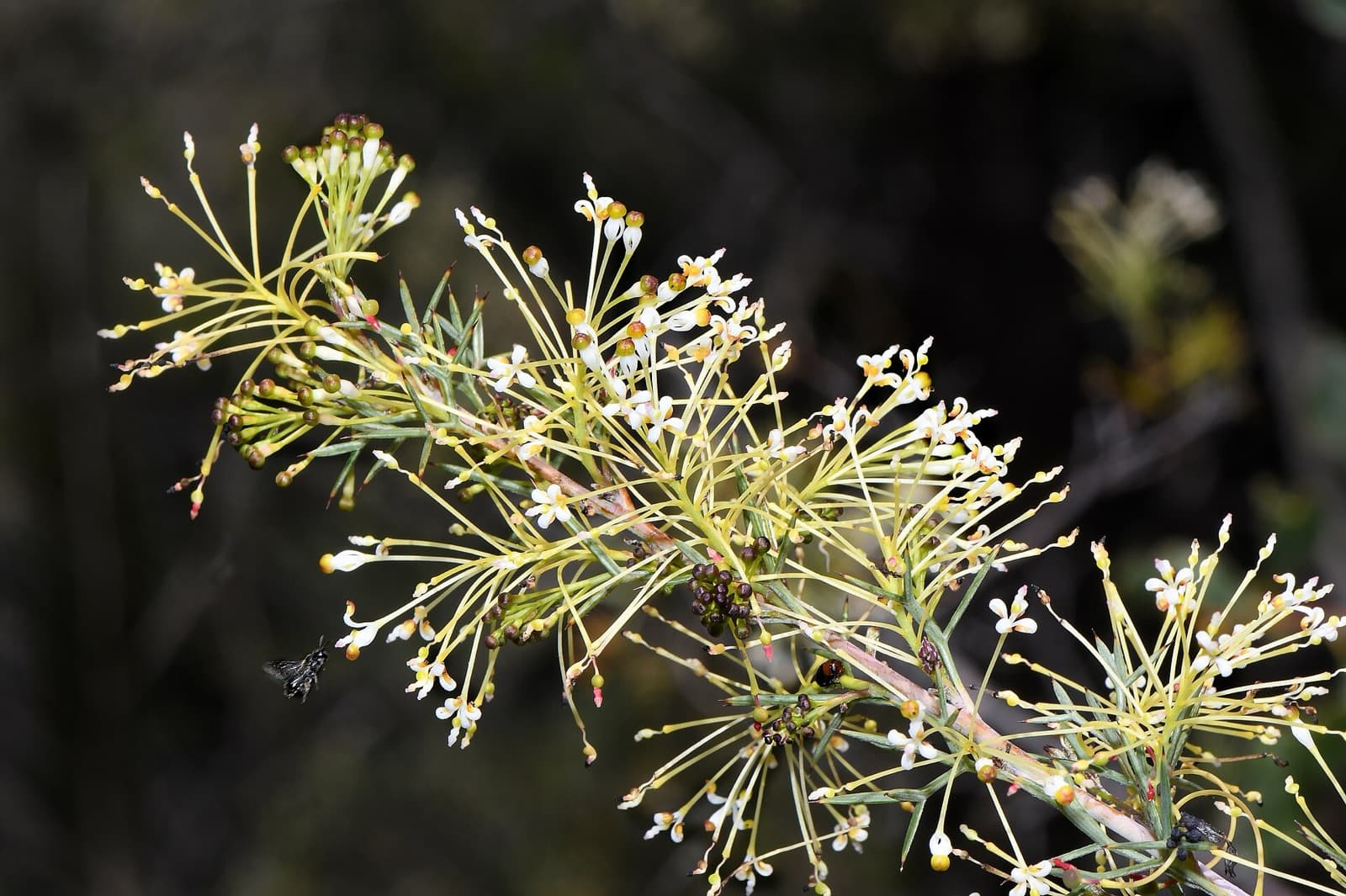
The spider flower, a bird-magnet native that earns its keep with colour, structure and a genuine tolerance for our heat.
Grevillea species · Also known as Spider Flower
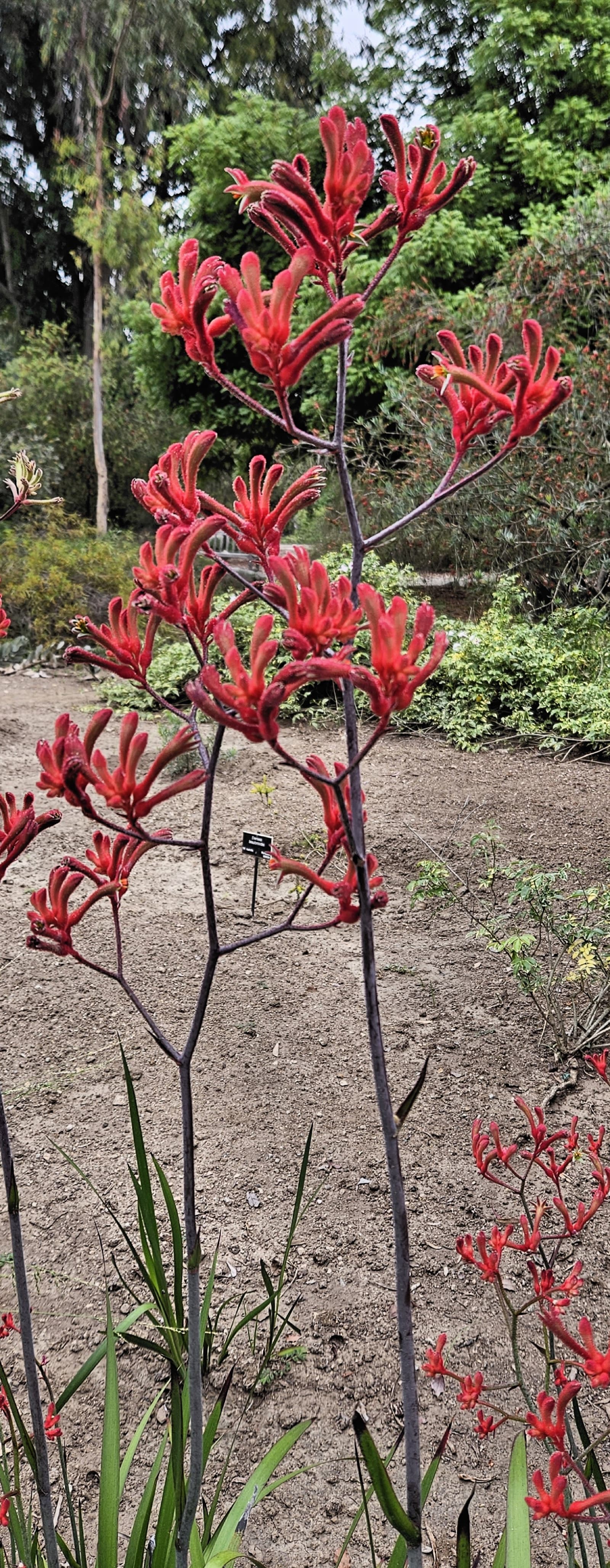
Grevillea is less a single plant than a whole toolkit, a genus of a few hundred Australian species and countless named hybrids that runs from ground-hugging carpets to small trees, which is exactly why gardeners reach for the group name first and the cultivar second. The nectar-rich flowers, often shaped like curled spiders, are why so many people call it the spider flower, and they are the reason honeyeaters and lorikeets treat a healthy plant as a daily stop.
We use grevilleas when a client wants colour and life without an irrigation habit, because the better hybrids flower for most of the year and ask for almost nothing once they have their roots down. They are a mainstay of a good native garden design, and because the low, spreading forms knit together into a dense mat, they double as tough groundcover on the sort of hot, dry bank where lawn simply gives up.
In a Brisbane garden
The thing to get right in Brisbane is drainage, because grevilleas evolved on lean, sharp soils and the fastest way to lose one is to plant it in a heavy clay pocket that stays wet after a February storm. On our better-drained blocks and raised beds they are close to bulletproof, and even on clay you can grow them well by mounding the bed and choosing the tougher hybrids like the Robyn Gordon types that shrug off humidity better than the cool-climate species do.
Feed them almost nothing, and never a standard high-phosphorus fertiliser, because most grevilleas are sensitive to phosphorus and will yellow and sulk if you treat them like a rose. A light hand with a native-safe feed, full sun and the occasional tip-prune after a flowering flush is the whole regime, and in return you get a plant that is flowering and full of birds while the rest of the garden is waiting out the dry.
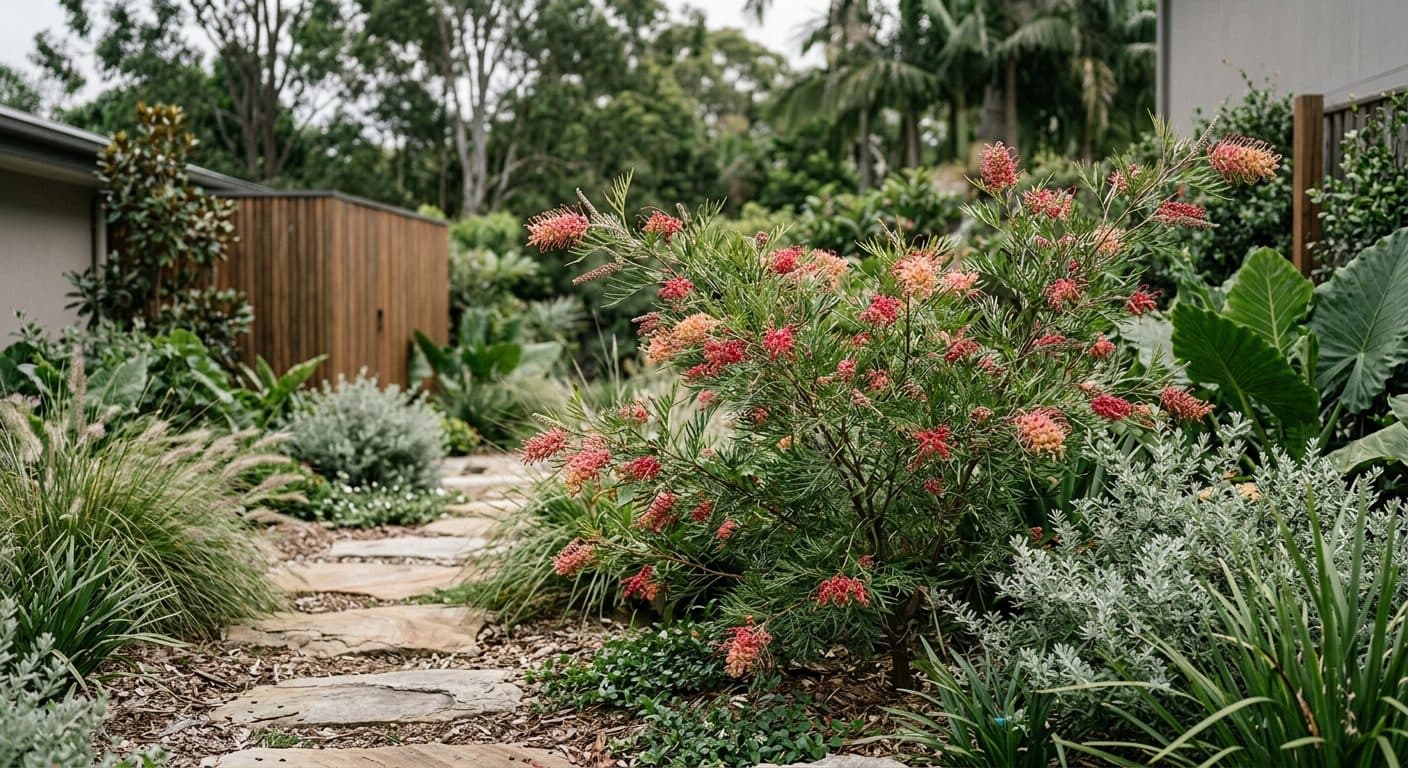
Photo: Jean and Fred, CC BY 2.0, via Wikimedia Commons
How we design with it
We treat grevillea as both structure and colour, which is unusual, and it lets one plant do two jobs in a scheme. The upright shrubby forms give a bed its bones and a long season of flower, while the prostrate cultivars spill over a wall or blanket a slope, so we often place the tall and the low forms of the same genus in one garden to tie it together.
Because they carry the garden through the dry and feed the birds while doing it, grevilleas sit at the heart of the resilient, low-maintenance garden design that most Brisbane clients are really asking for. When we plan a planting palette we sort plants by the work each one does, the same way our guide to the best plants for Brisbane gardens does, and grevillea almost always makes the list for colour and habitat both.
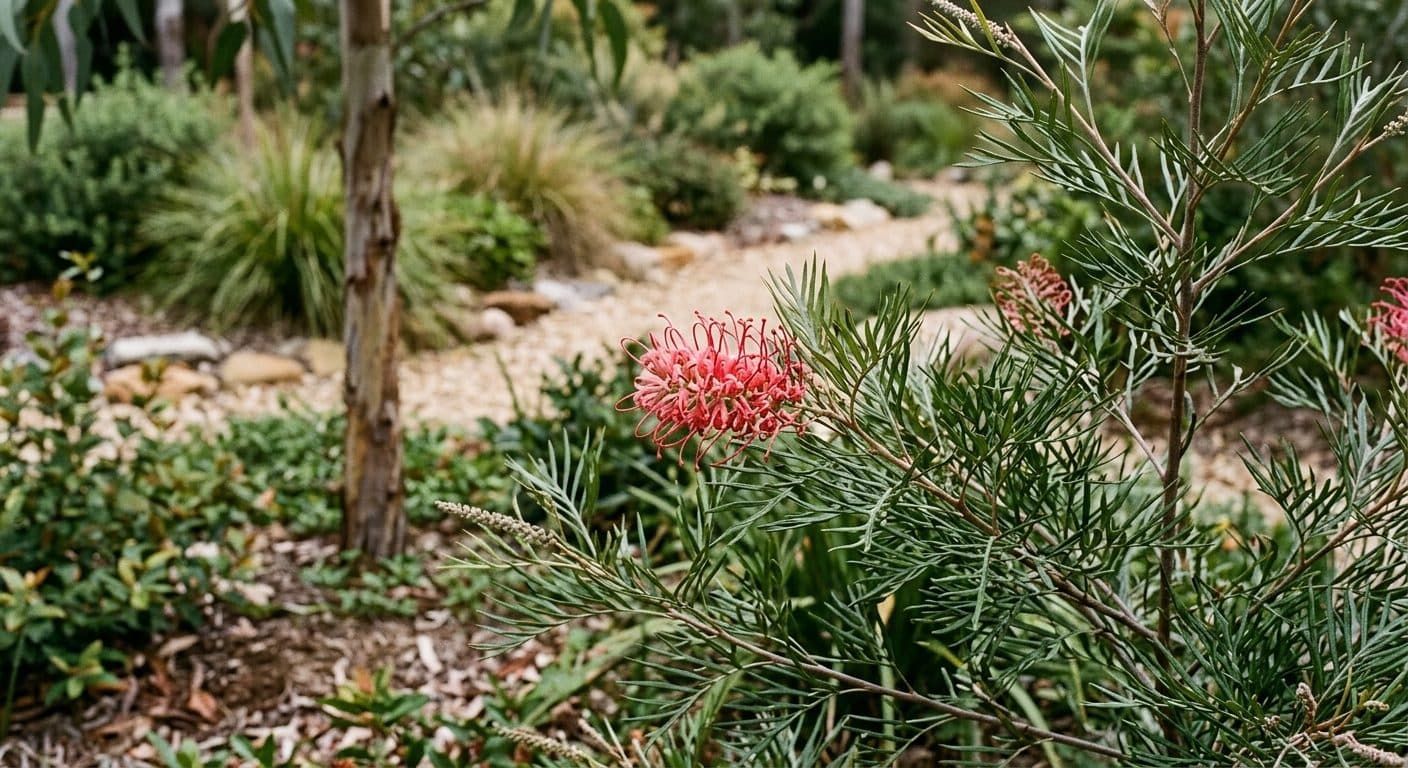
Where we write about grevillea
Common questions
Want a garden full of birds that survives the dry?
We're currently taking on new landscape design clients across Brisbane. Reach out for a personalised quote, whether you're a homeowner or a design professional.
Book a Free Discovery Call