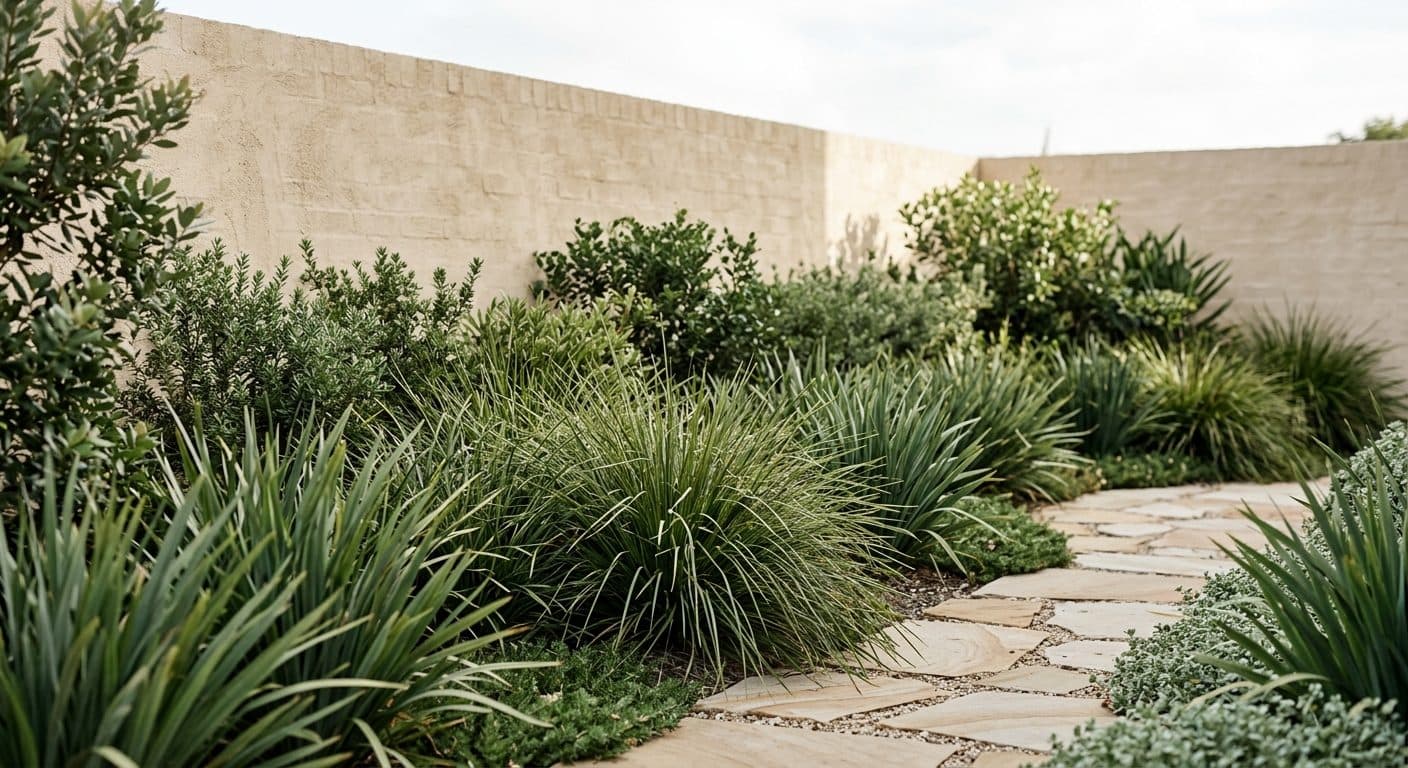
A native garden can read as a considered design or as a patch of roadside regrowth, and the difference is almost never the plants. It's structure, repetition and restraint. Here's how I get natives to look designed.

By Shannon Trevisiol, Landscape Designer, Brisbane · 5 min read
- The difference between a designed native garden and revegetation is almost never the plant list. It's structure, repetition and clean edges.
- Plant in bold drifts of a few species, not one of everything. Massing reads as intention, while a plant zoo reads as regrowth.
- Give the garden a frame: a crisp mown edge, a mowing strip or a clipped native hedge tells the eye that someone is in charge here.
- Reach for named cultivars bred for compact, uniform habits over straight bush-collected species when you want a tidy, deliberate look.
Native gardens have an image problem, and it isn't the plants' fault. Say "native garden" to most Brisbane homeowners and they picture a scrappy verge of self-sown wattle and lomandra gone to seed, the look of a road cutting three years after the graders left. That's revegetation, not design, and the two get confused constantly. A native garden can absolutely read as a considered, elegant, genuinely modern design, and when it doesn't, the problem is almost never the species you chose. It's how they're arranged. Here's how I get natives to look like a decision rather than an accident.
Structure first, plants second
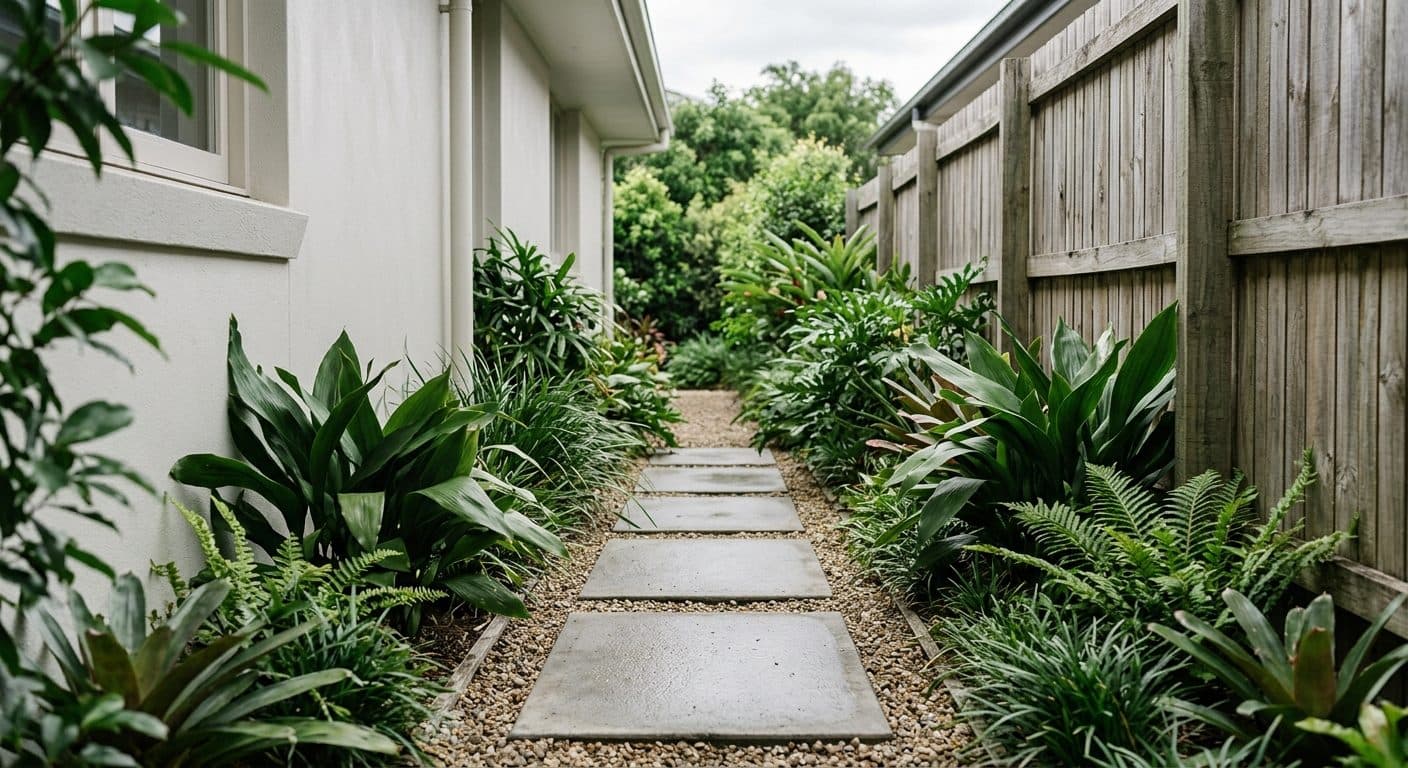
The single biggest reason a native garden looks like bushland regrowth is that it has no bones. Revegetation is all understorey and no plan: a green haze of similar-height, similar-texture shrubs with nothing to organise them. A designed garden has a skeleton you can read even in winter, and the plants hang off it. That means deciding where the lines are before you decide what's going in the beds, and giving the space some structure the eye can hold onto: a path with a real edge, a low clipped hedge, a single specimen tree with room around it, a wall or a bench the planting can lean against. Get that framework right and you can plant fairly loosely inside it and still look deliberate, because the structure is doing the talking. My page on native garden design in Brisbane works through how that skeleton comes together on a real block.
Mass, don't collect
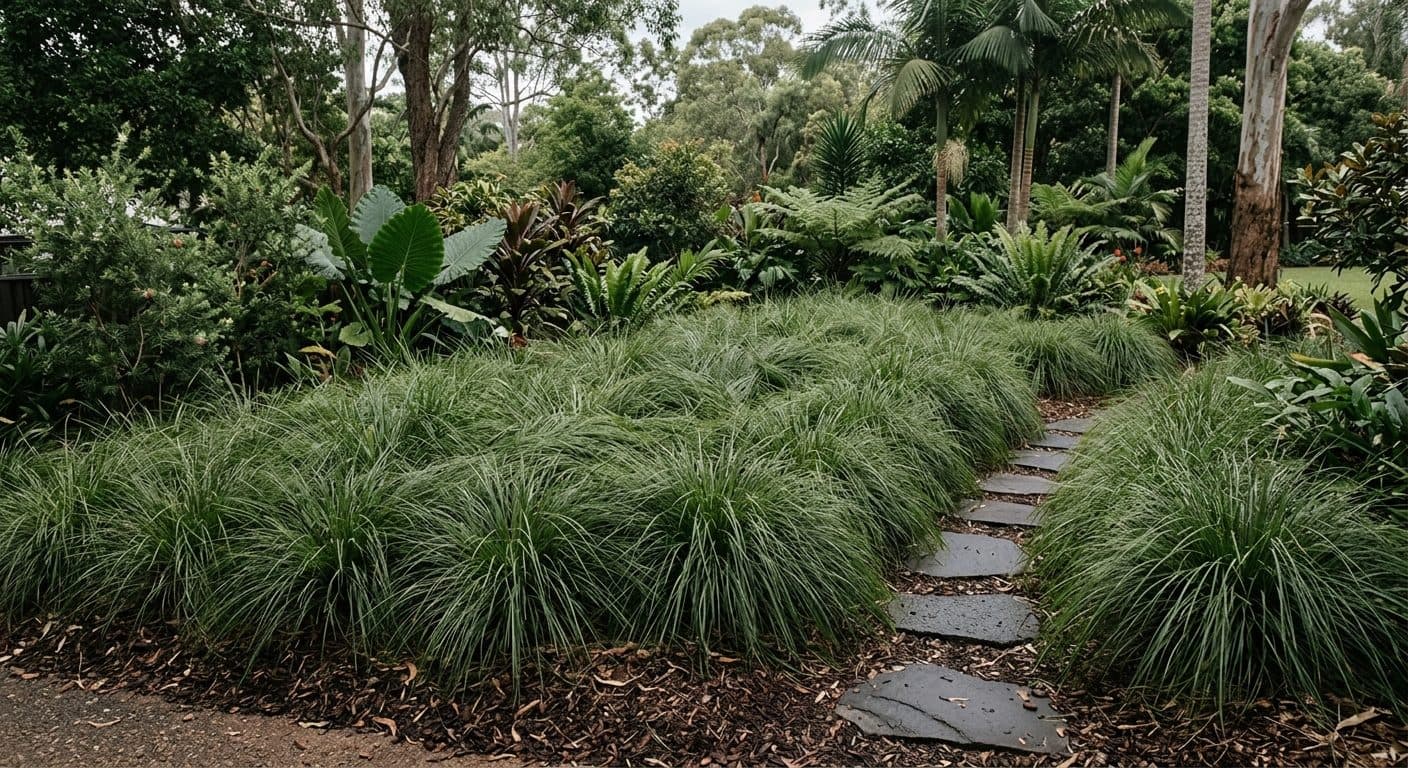
The most common amateur move, and the one that instantly reads as regrowth, is one of everything. You go to the native nursery, every plant is interesting, and you come home with a single specimen of fifteen species and dot them evenly through the bed. The result is visual noise, and noise is exactly what a self-seeded roadside looks like. Designers do the opposite: we plant fewer species in bigger drifts, so a sweep of a dozen mat rush (Lomandra 'Tanika') reads as one confident gesture rather than twelve small decisions. Repetition is the trick your eye reads as intention, so pick a short palette, plant each in real quantity, and repeat those same players through the garden so it hangs together. A bed of three species massed will always look more designed than a bed of twenty scattered.
Give it an edge
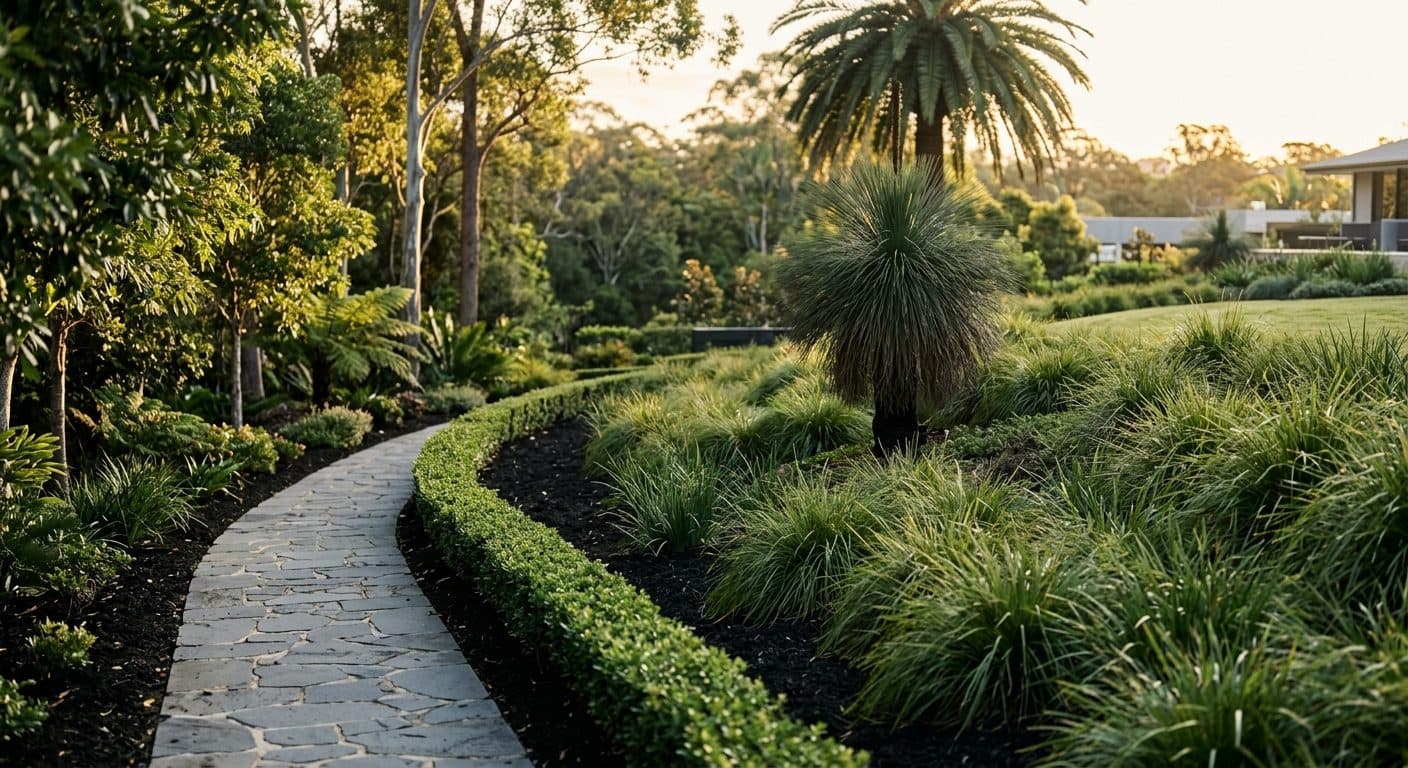
Nothing separates a garden from a paddock faster than a clean edge. A mulched bed that fades raggedly into tired lawn looks unfinished no matter what's planted in it, whereas the same bed with a crisp spade-cut line, a mowing strip of pavers, or a low clipped hedge along the front instantly looks like someone is in charge. This is where a bit of formality does a native garden an enormous favour: a tightly clipped border of a tough native, or a hard architectural line of steel or stone against the loose planting behind it, gives the eye somewhere to rest and makes the informality inside the frame look chosen rather than neglected. The contrast is the whole point. Loose planting held by a hard edge reads as designed, while loose planting with no edge reads as regrowth.
Choose the cultivar, not just the species
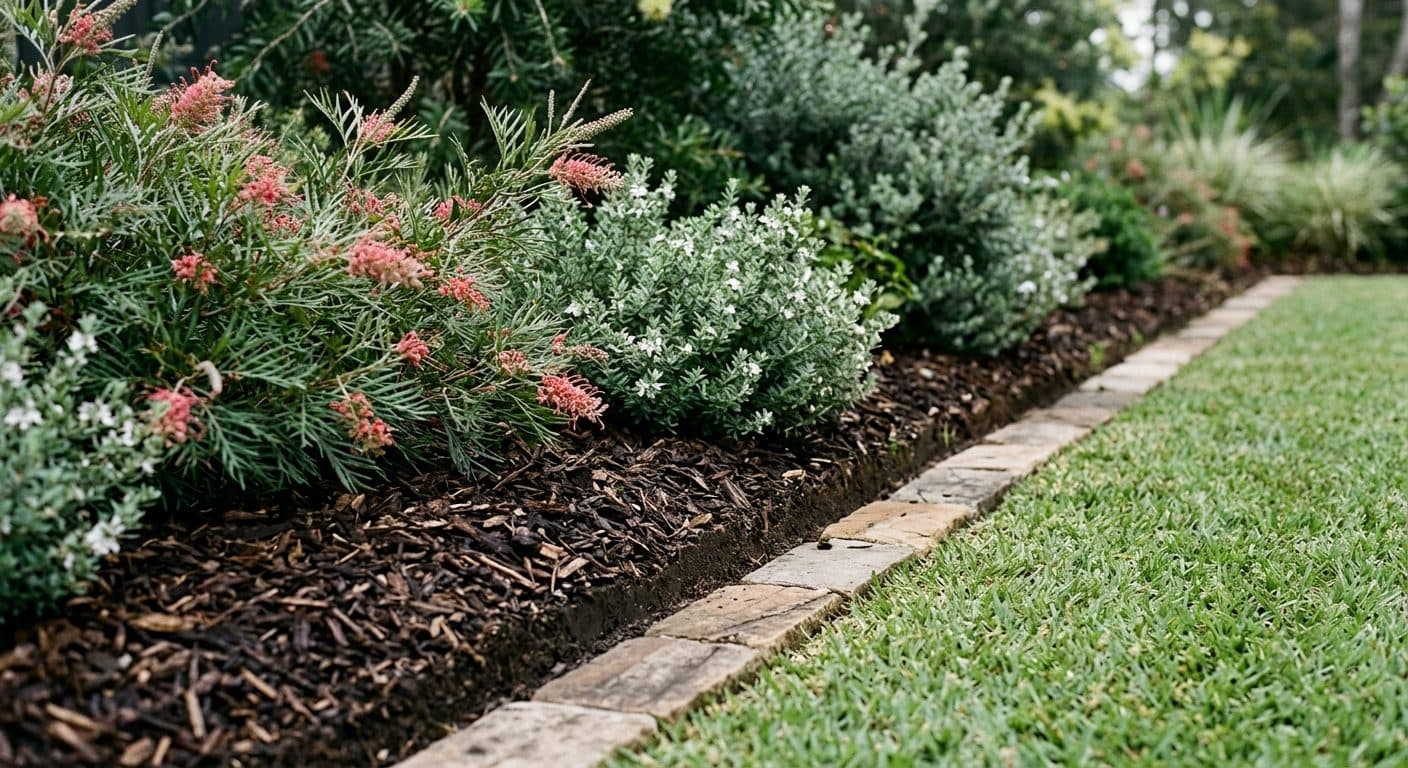
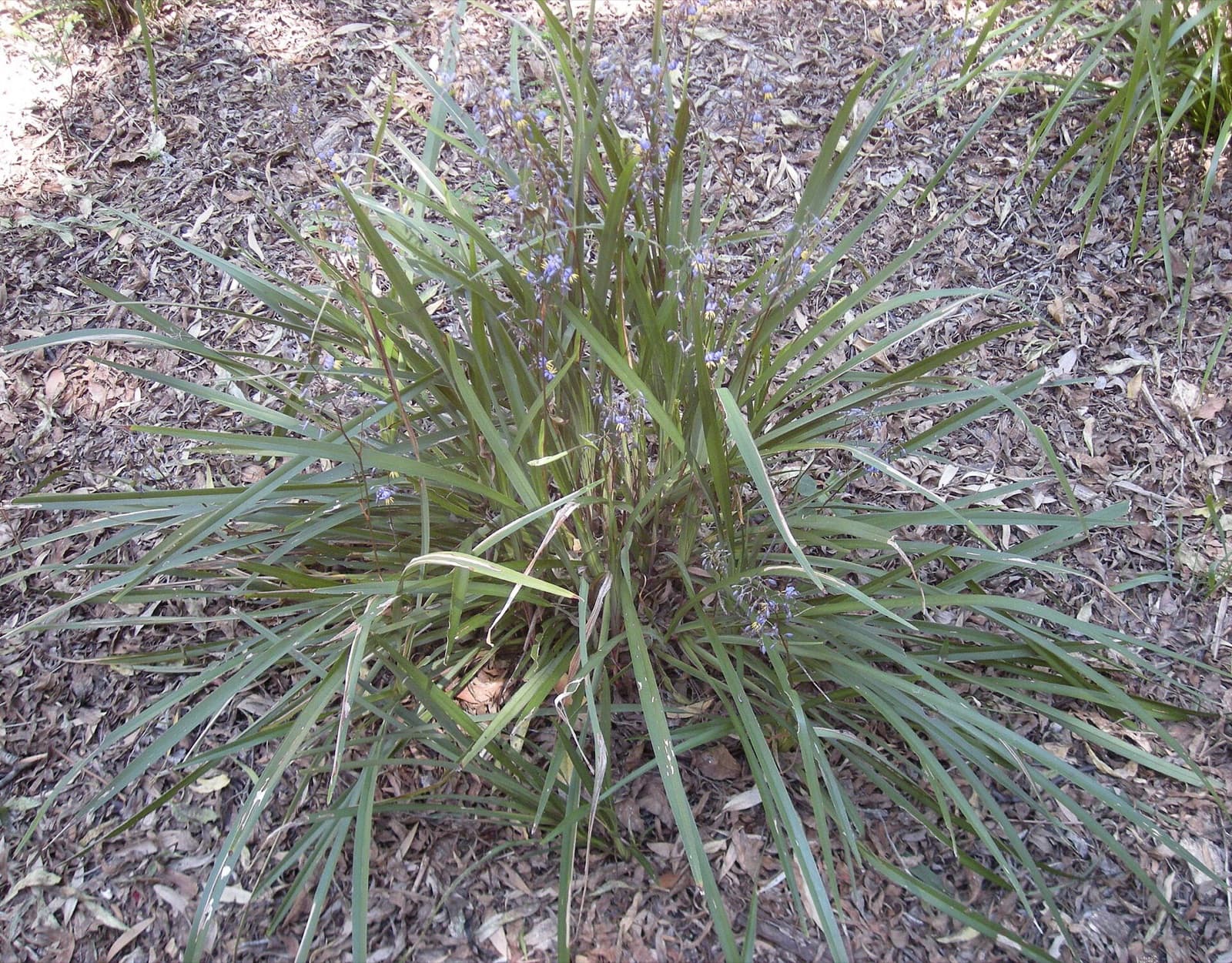
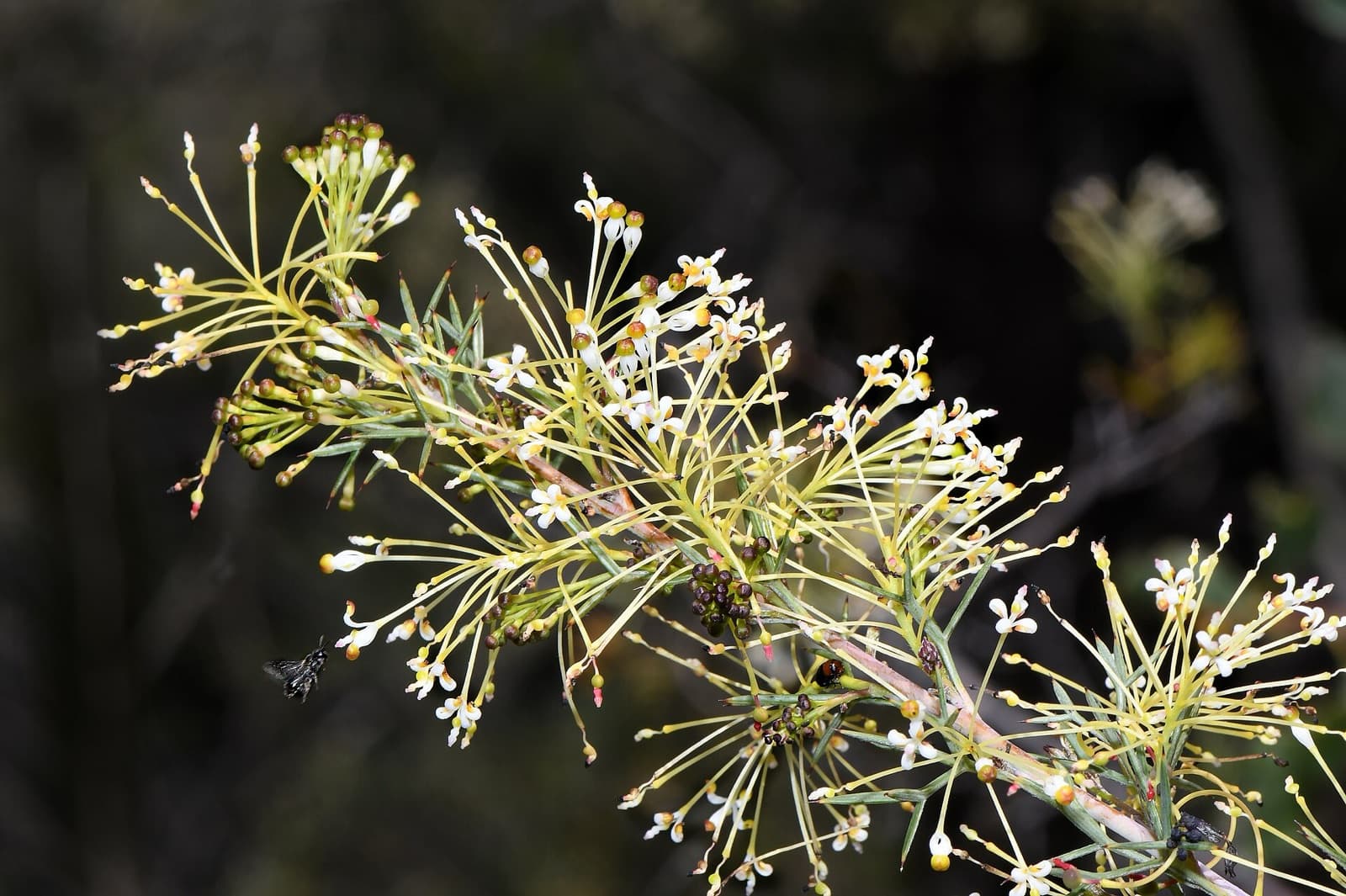
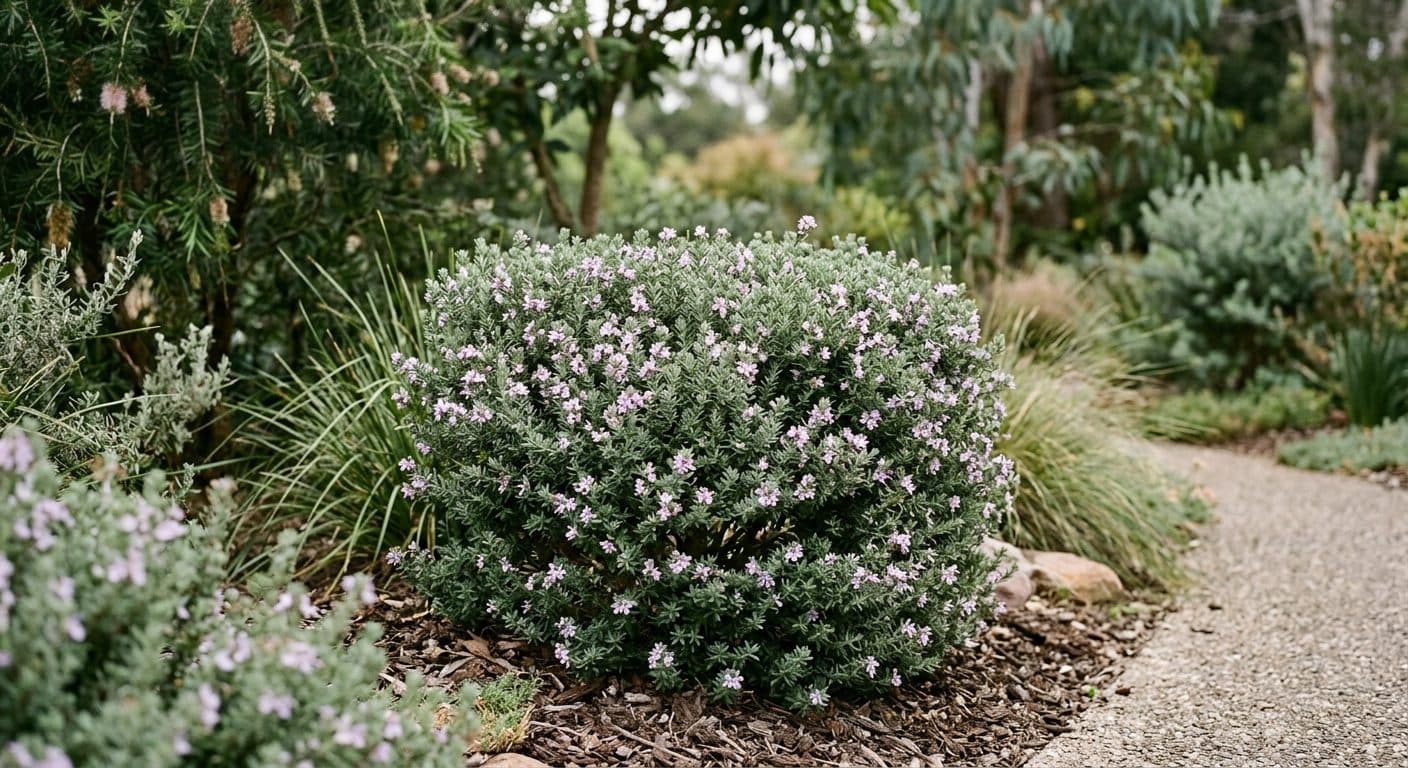
Straight, bush-collected species are wonderful for habitat and for a genuinely wild look, but they're variable by nature, and variability is what you're trying to avoid when you want a tidy, uniform, deliberate garden. This is where named cultivars earn their place. A row of a compact, uniform selection like coastal rosemary (Westringia fruticosa) bred for a dense even habit will clip into a soft grey-green hedge that looks intentional, where a row of seed-grown plants will grow at fifteen different rates and read as scruffy within a season. The same goes for the flax lily (Dianella) and grevillea selections that hold a predictable size and colour. You lose a little wildness and you gain a lot of control, and for a front garden or a modern block that trade is usually worth making. It's also, incidentally, one of the reasons a well-chosen native palette can be so low-maintenance: the right cultivar in the right spot doesn't need constant correcting.
Let a few plants be the stars
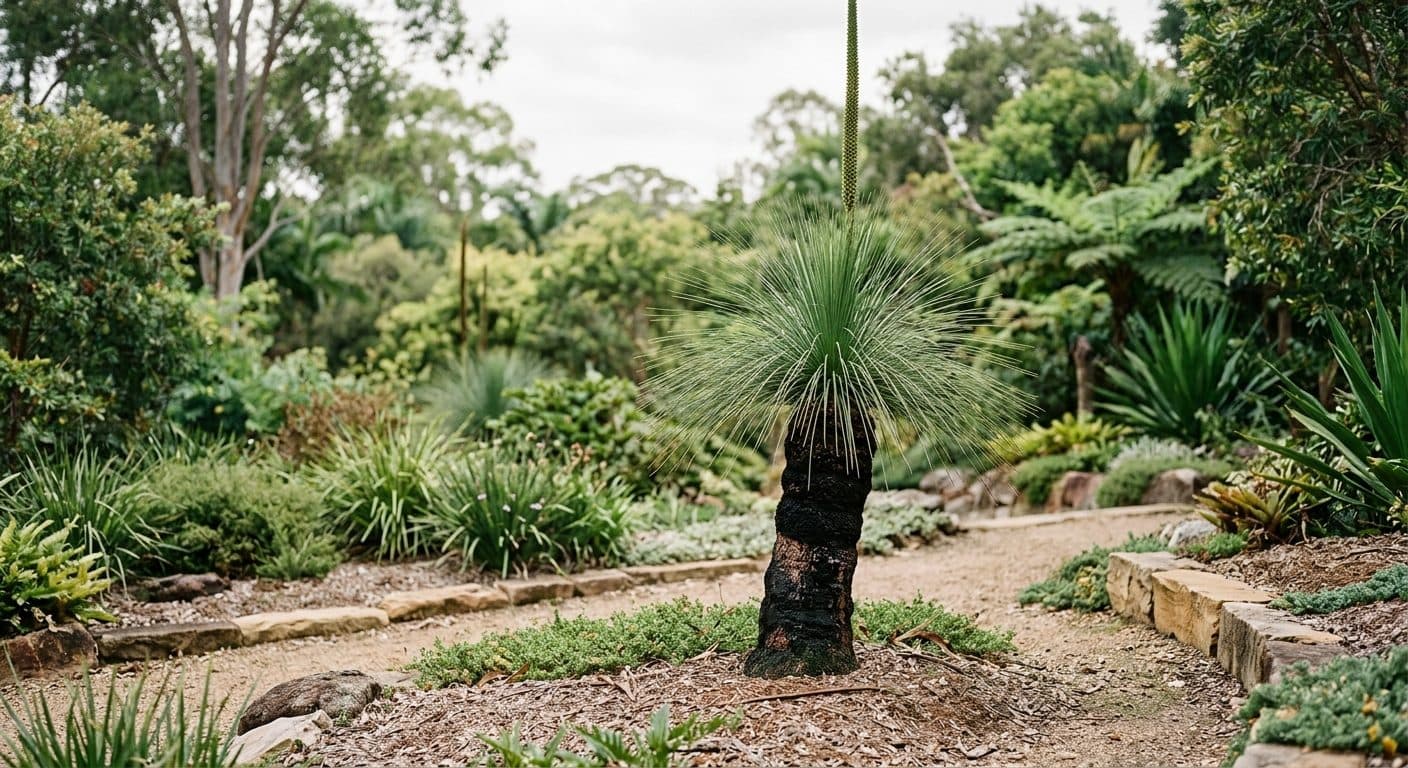
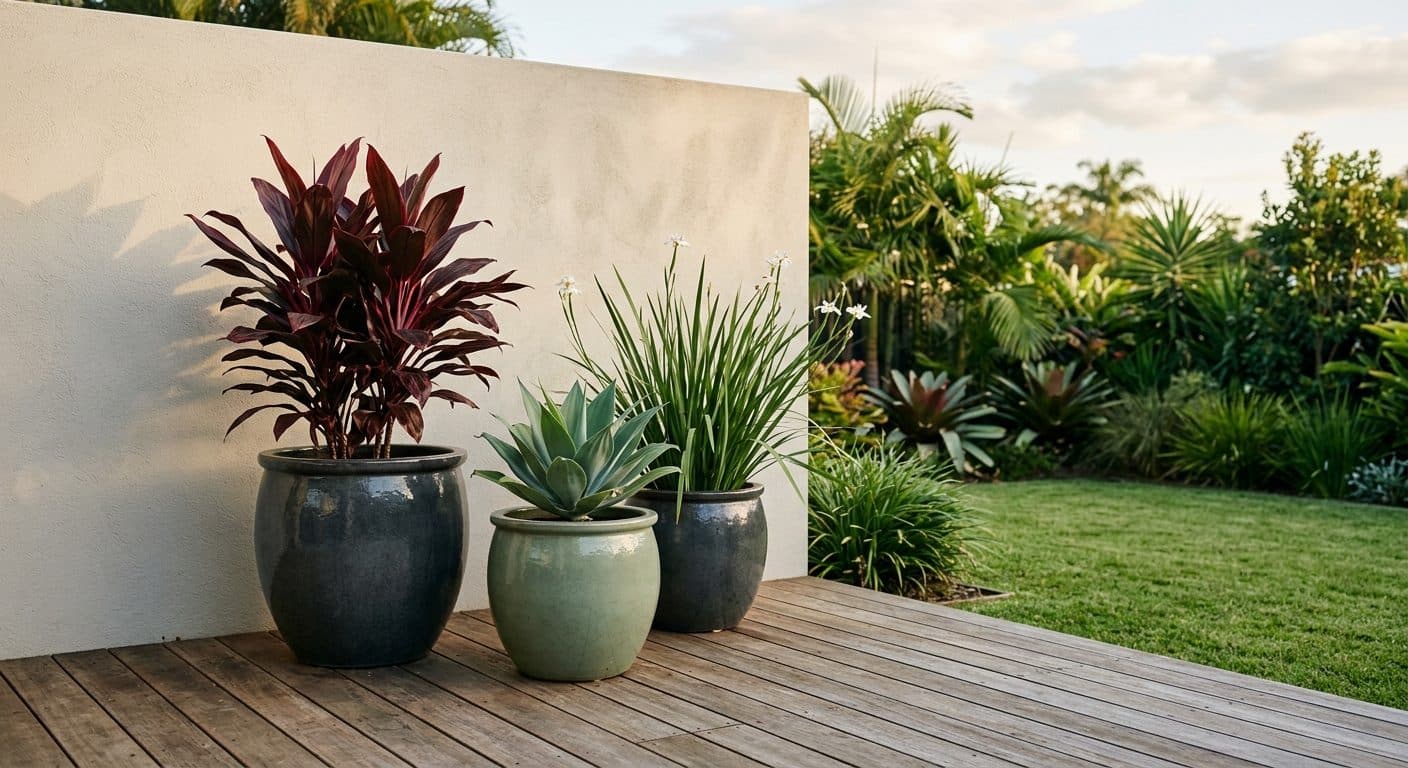
A designed garden has a hierarchy: things that lead and things that support. Revegetation is democratic in the worst way, every plant shouting equally, and the fix is to let a handful of strong forms carry the composition and keep everything else quiet and repetitive around them. A single grass tree (Xanthorrhoea) with clear space around it becomes a living sculpture; crowd it with ten other feature plants and it disappears into the scrum. Pick your two or three heroes, give them room to be seen, and let the massed drifts and clipped edges be the calm backdrop that makes them read. If you want a broader palette to build that hierarchy from, the best plants for Brisbane gardens sorts them by the job each one does, and the naturalistic garden trend covers the looser, habitat-led end of the same idea for when wild is actually the look you want.
Working out the structure, the palette and the edges for your particular block, so the natives you love read as a deliberate garden rather than regrowth, is a large part of what a Design Discovery Consultation is for. It's $350 on-site within the Brisbane metro area, with any travel beyond that quoted up front when you book, and you'll leave with a clear sense of how to make natives look like a decision.
Ready to start designing?
We're currently taking on new landscape design clients across Brisbane. Reach out for a personalised quote, whether you're a homeowner or a design professional.
Book a Free Discovery Call