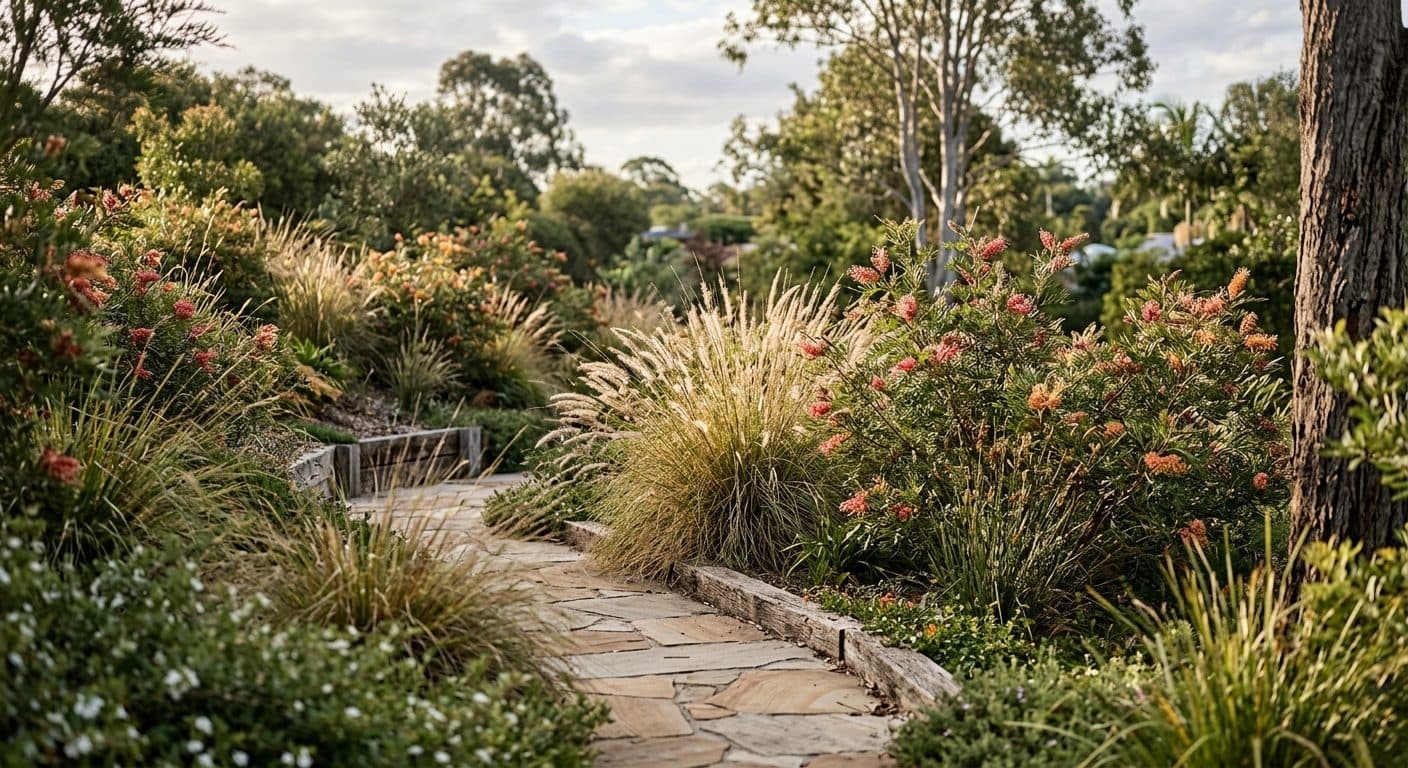
Layered, biodiverse, habitat-style planting is replacing the manicured lawn in Brisbane briefs: what the naturalistic look requires, and local plants that carry it.

By Shannon Trevisiol, Landscape Designer, Brisbane · 5 min read
- Naturalistic planting looks wild but takes more design, not less: neglect reads as neglect, never as naturalism.
- The craft sits in matrix planting, seasonal succession and a crisp frame that signals the looseness is intentional.
- Our native flora suits the style beautifully: grevilleas, banksias, lomandra and the finer native grasses carry a Brisbane version.
- It is not low-maintenance so much as differently shaped: editing a few times a year instead of weekly mowing.
Something has shifted in the briefs landing on my desk. A few years ago, most conversations started with lawns, hedges and a clean line between the two. Lately, more and more people are asking for something different: gardens that move in the wind, hum with insects, bring the birds in, and look as though they grew there rather than being installed. The naturalistic garden (habitat-style planting, layered and loose) has arrived in Brisbane, and I think it is the most interesting thing to happen to residential gardens here in a long time.
From manicured to alive
The shift makes sense once you notice what is driving it. Part of it is practical: a manicured lawn through a Brisbane summer is a treadmill of mowing, watering and edging, and people are tired. Part of it is ecological: gardeners have become far more aware that a lawn and a clipped hedge offer almost nothing to birds, insects and lizards, while a layered garden is a working habitat. And part of it is simply aesthetic. A garden of grasses catching the afternoon light, groundcovers spilling over edges and grevilleas holding their flowers through winter has a softness and a life to it that a mown-and-blown garden never achieves. The look has been building internationally for years in meadow and prairie-style planting; what we are seeing now is Brisbane finding its own subtropical version.
The paradox: wild looks take more design, not less
Here is the thing I most want to say about this trend, because it is the part that trips people up. A naturalistic garden is not a garden you simply stop controlling. Neglect does not read as naturalism; it reads as neglect. The gardens that pull this style off are among the most carefully designed landscapes I work on.
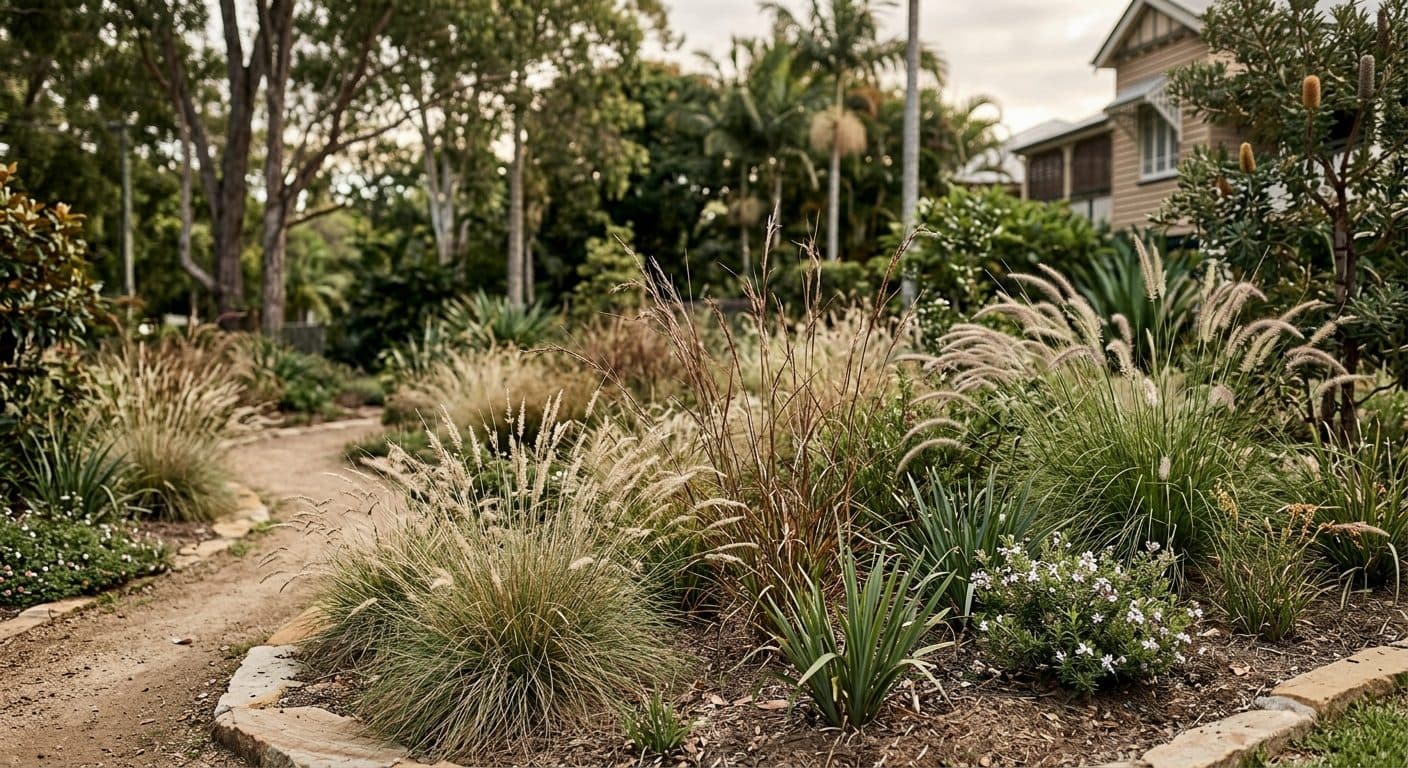
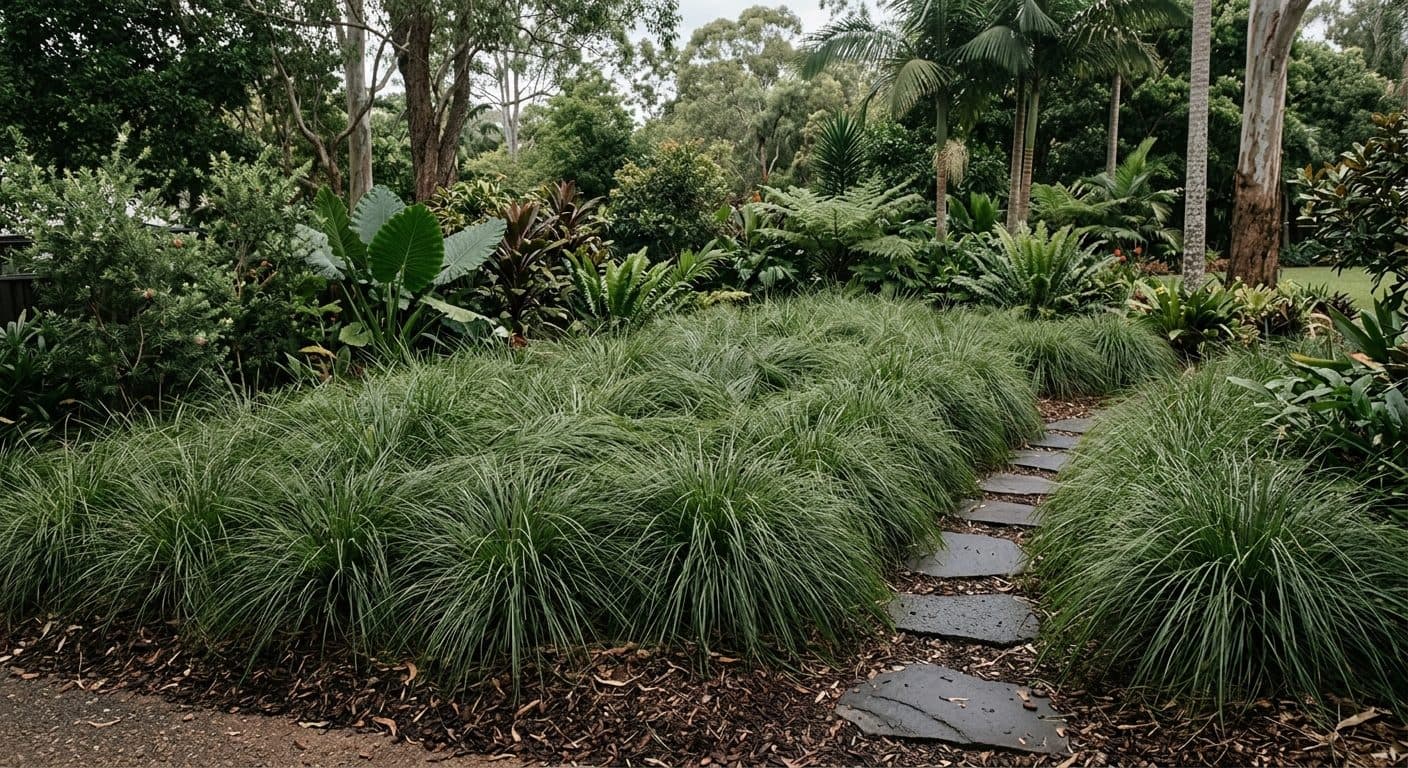
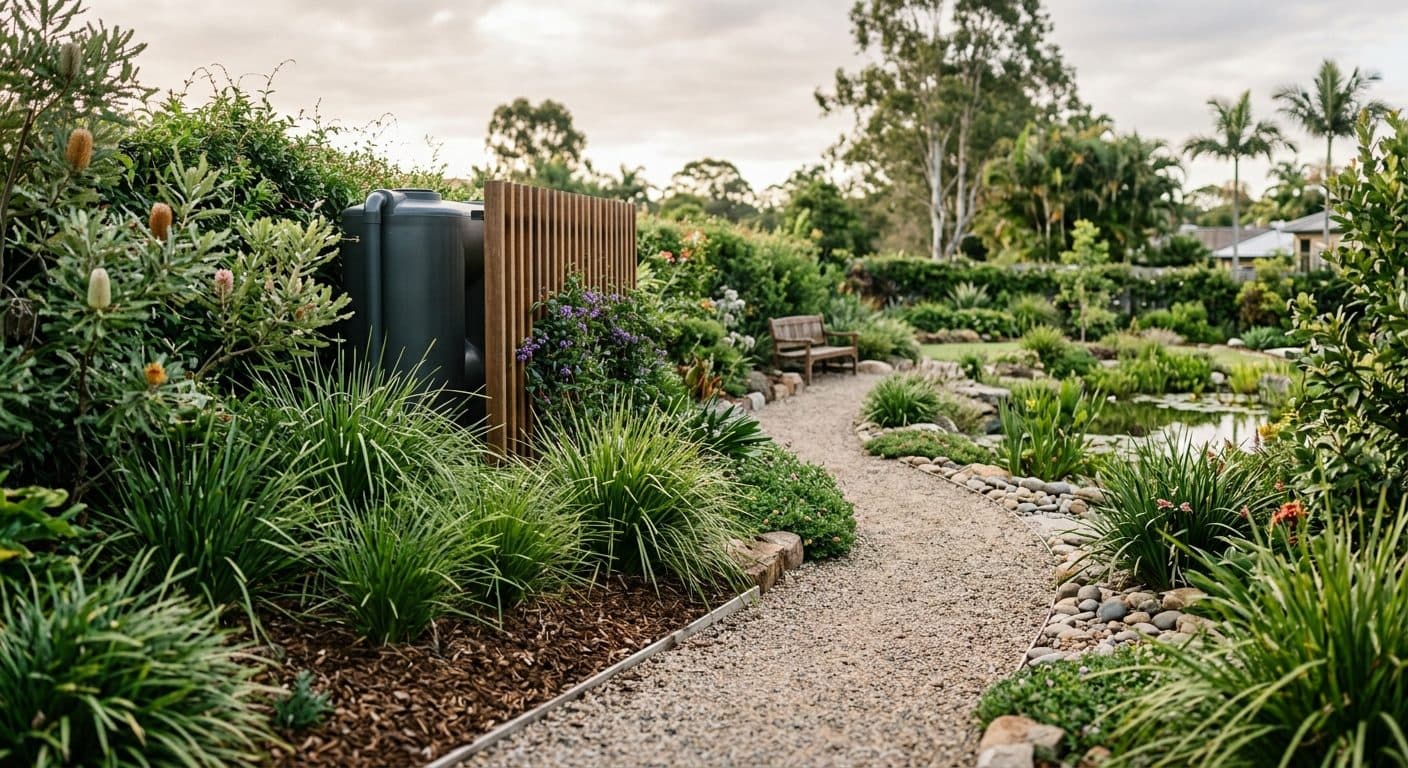
The craft sits in a few places. Matrix planting: rather than dotting individual specimens around, you plant a base layer in quantity (usually grasses and grass-like plants) and weave flowering species through it in drifts, the way plants actually distribute themselves in the wild. Seasonal succession: the garden needs to be doing something in every month, so species are chosen to hand the show to one another: winter-flowering natives carrying the garden while the summer growers rest, seed heads and structure holding interest between flushes. And legibility: the wildness needs a frame that reads as intentional. A crisp path, a mown edge, a clipped form or two and a considered boundary all signal that the looseness is chosen. Get the frame right and the wildest planting reads as design; skip it and the same planting reads as abandonment.
This is also why I would gently push back on the idea that naturalistic gardens are the budget option. The planting is denser than in conventional gardens, because you are covering the ground completely and in layers, and the design thinking is more demanding, not less.
A Brisbane palette that carries it
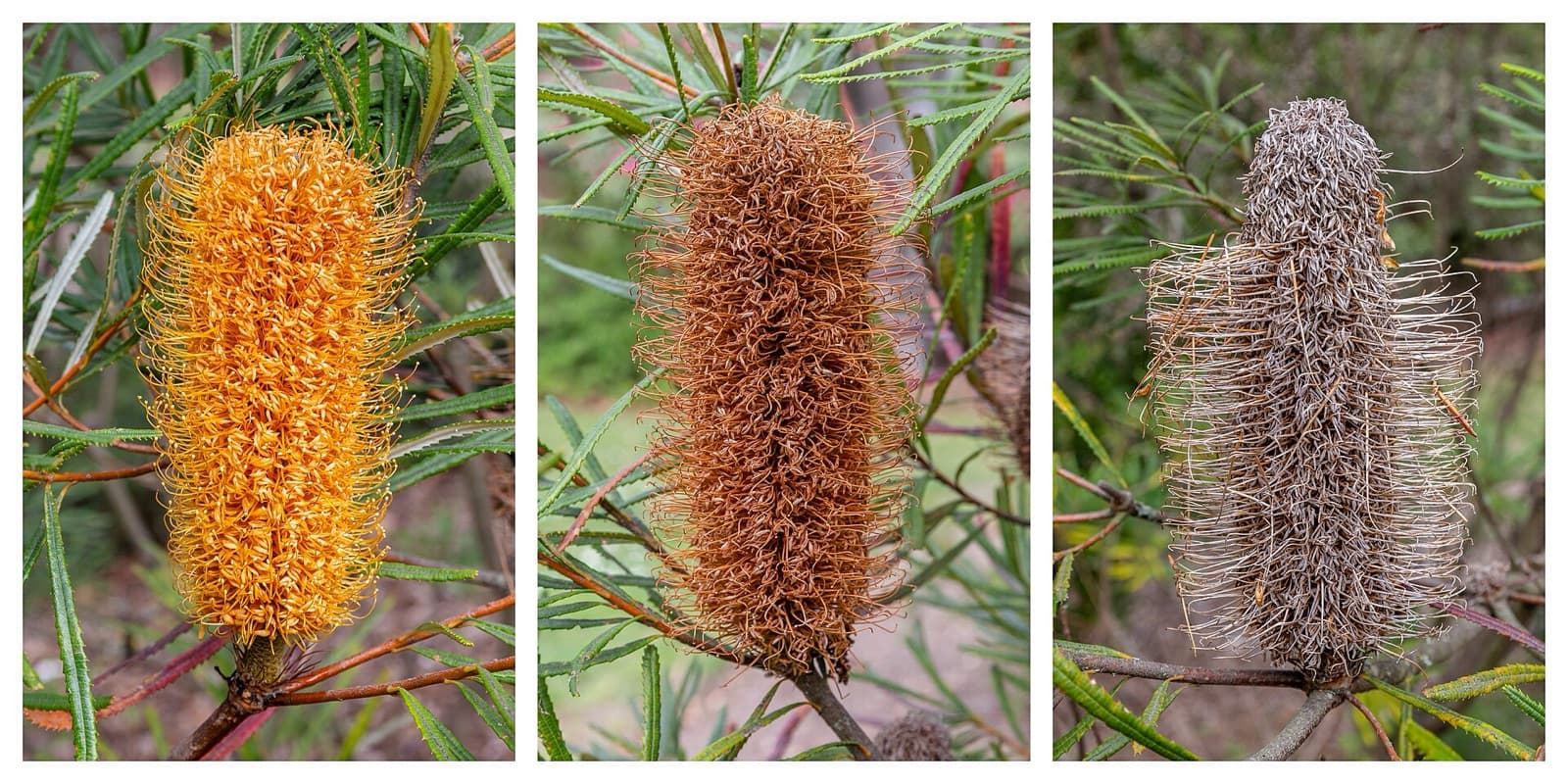
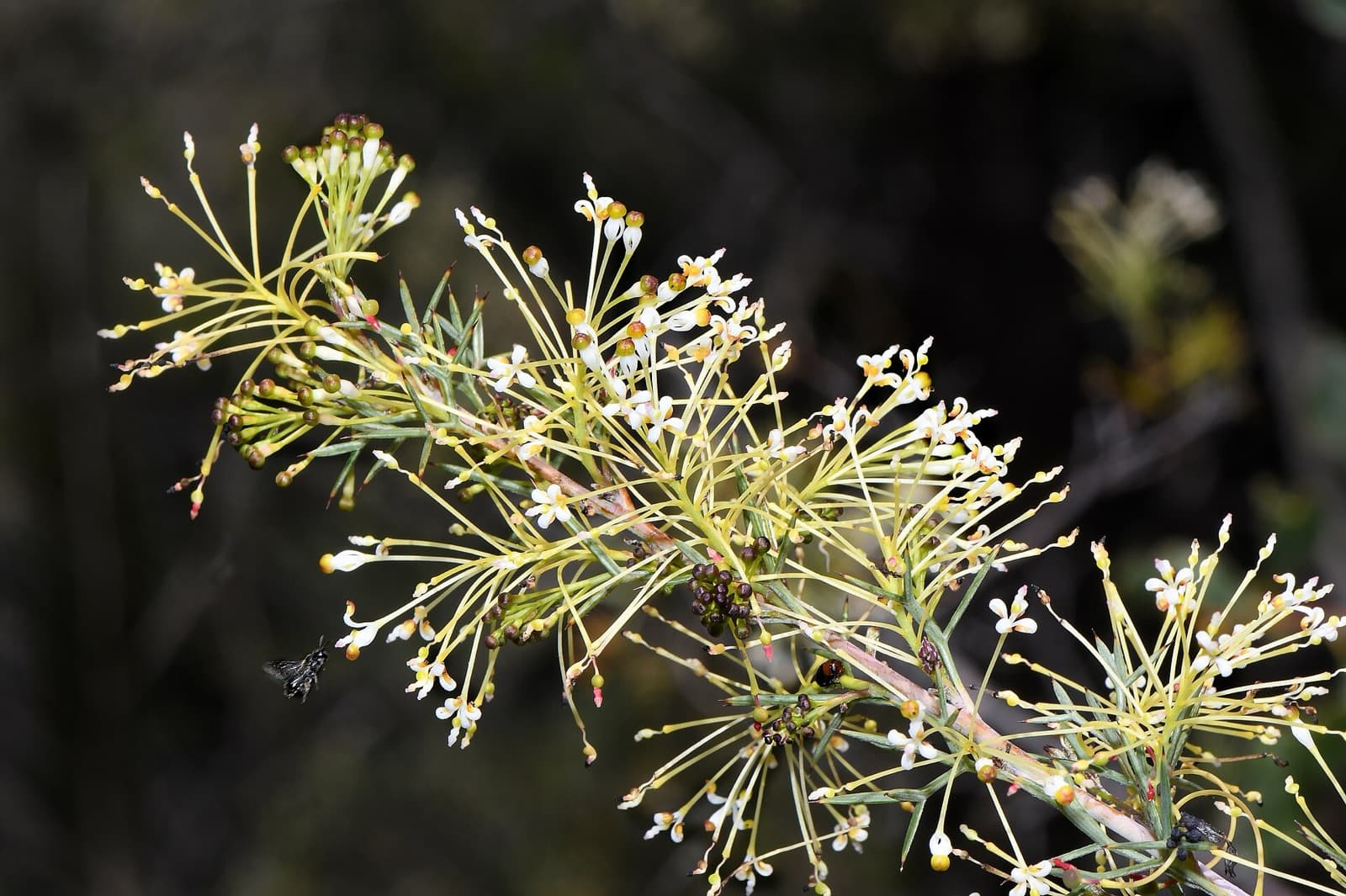
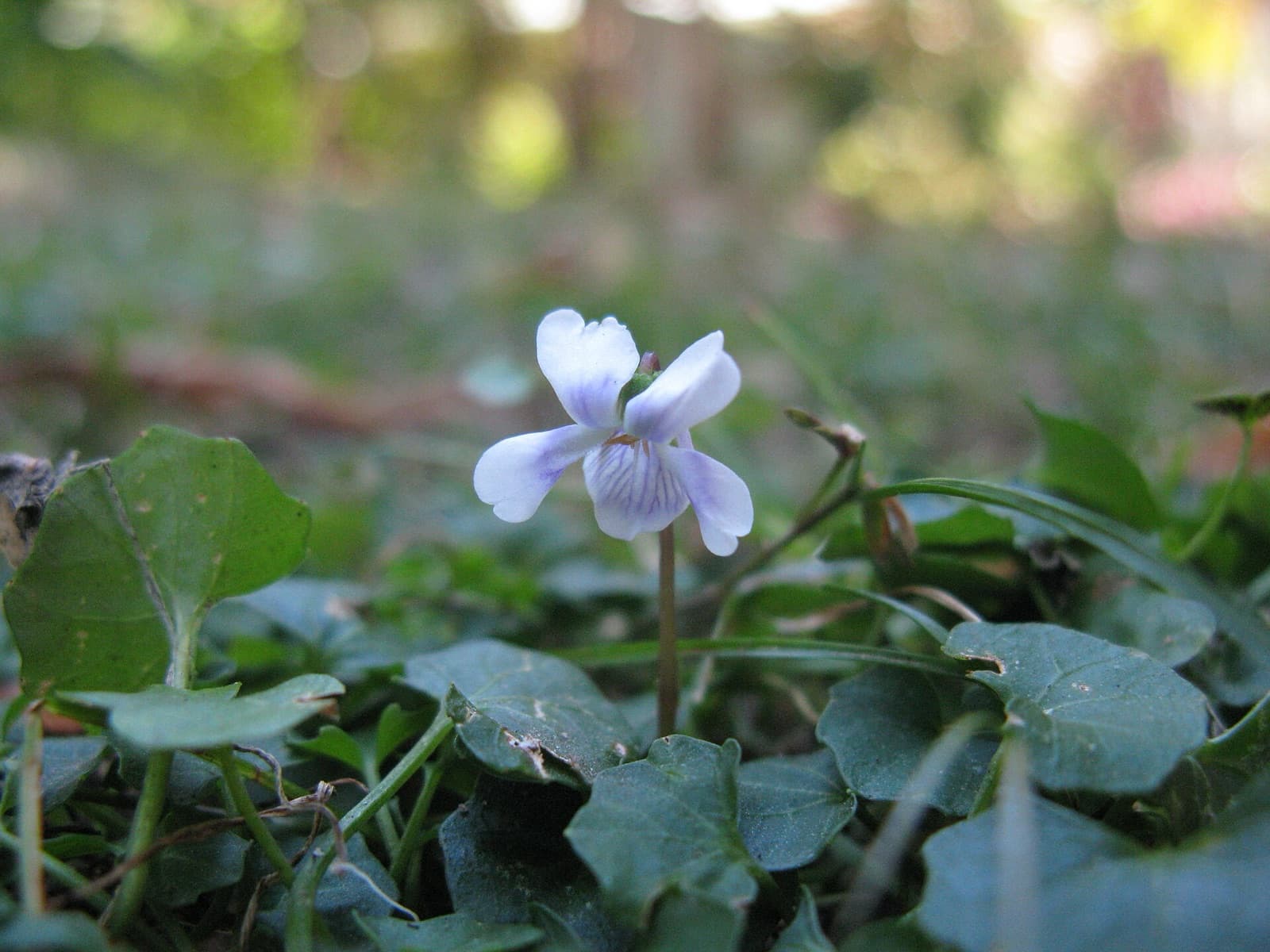
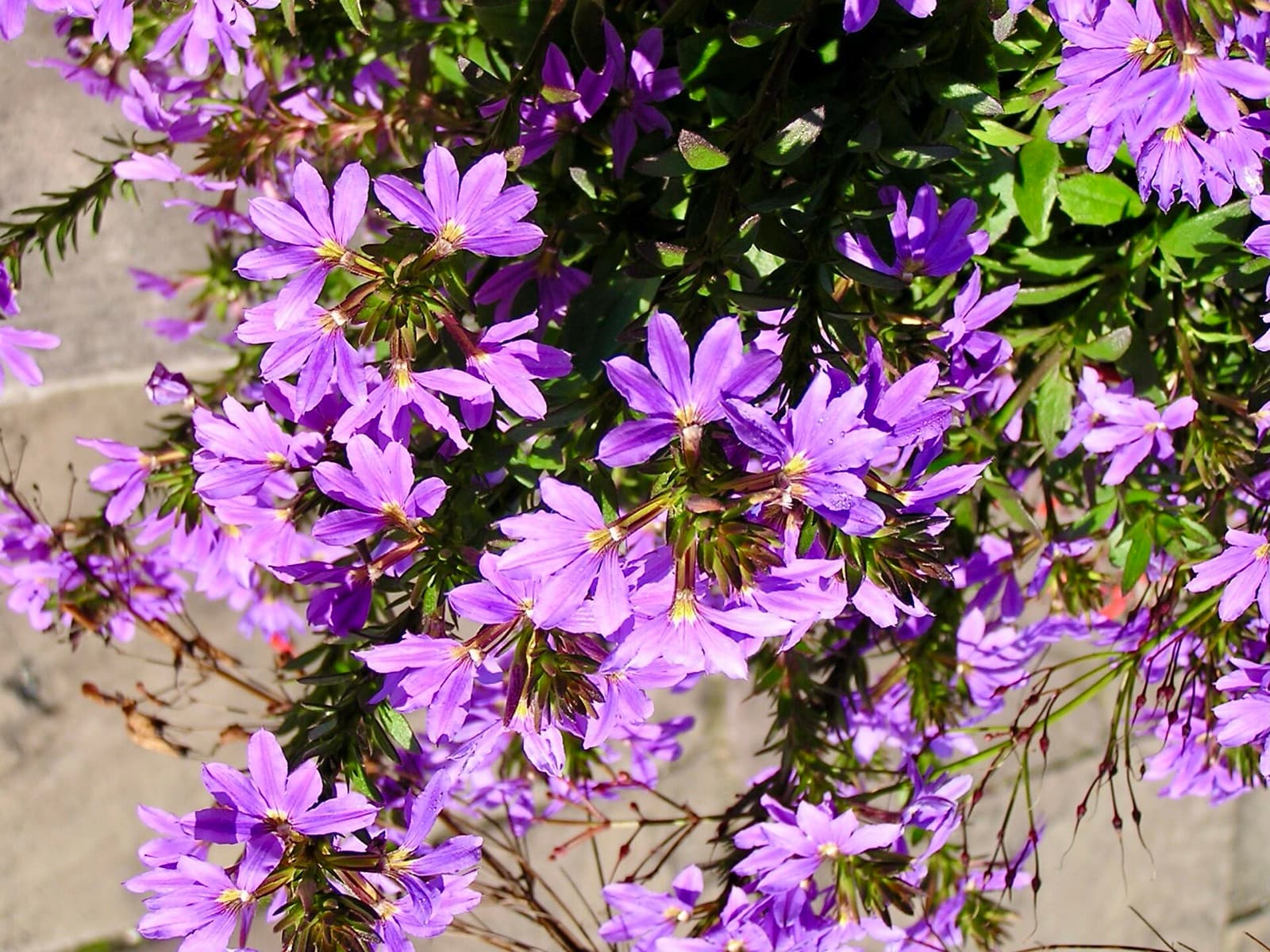
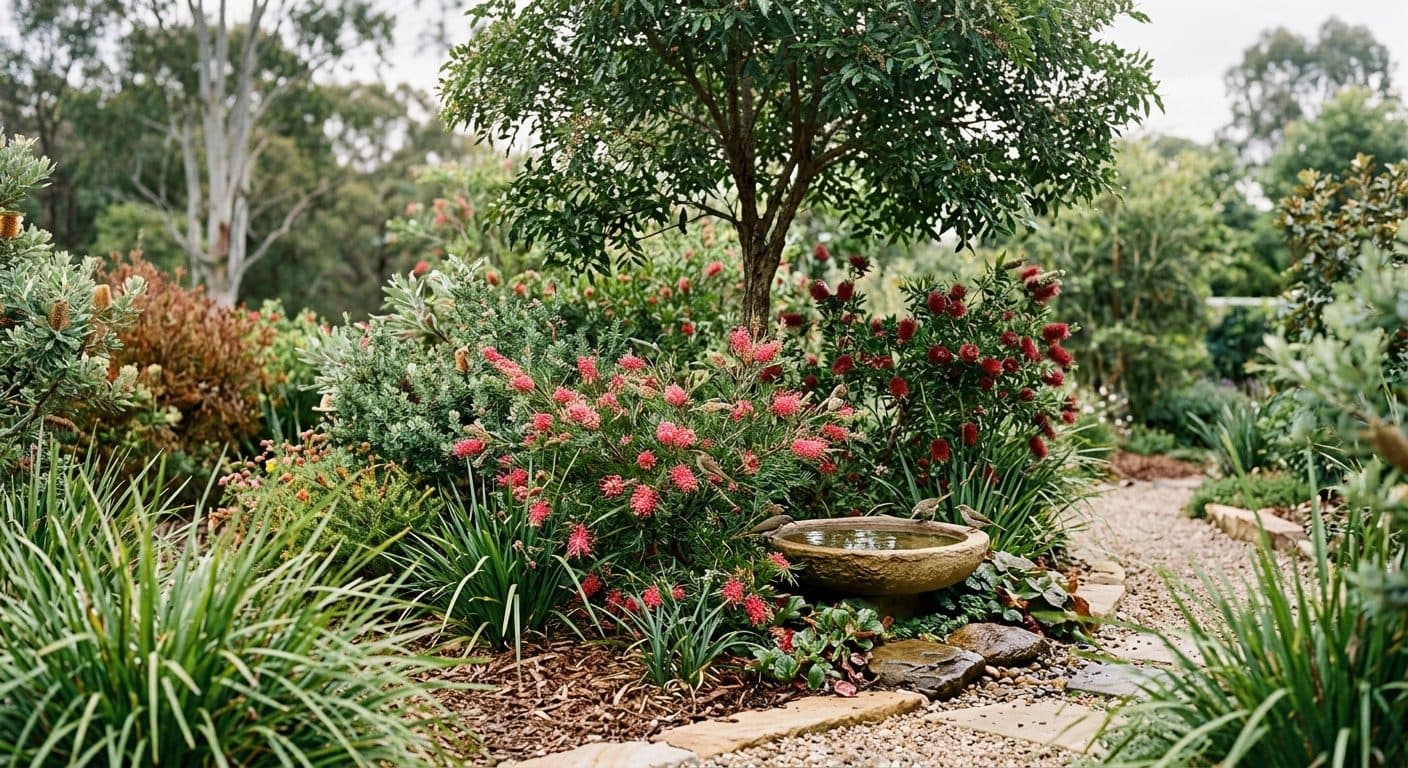
The good news is that our native flora could have been invented for this style. Grevilleas run from groundcovers to small trees and flower through the cooler months when gardens elsewhere go quiet, feeding the honeyeaters the whole time. Banksias bring sculptural flower spikes and extraordinary seed pods that hold their interest long after flowering. Lomandra is the workhorse of the matrix (tough, strappy, unbothered by drought or downpour) and the finer native grasses bring the movement: kangaroo grass with its rusty seed heads, and the smaller tussock species that catch the light. Beneath them, native violet, scaevola and creeping boobialla knit the ground plane together where mulch and bare edges would otherwise sit.
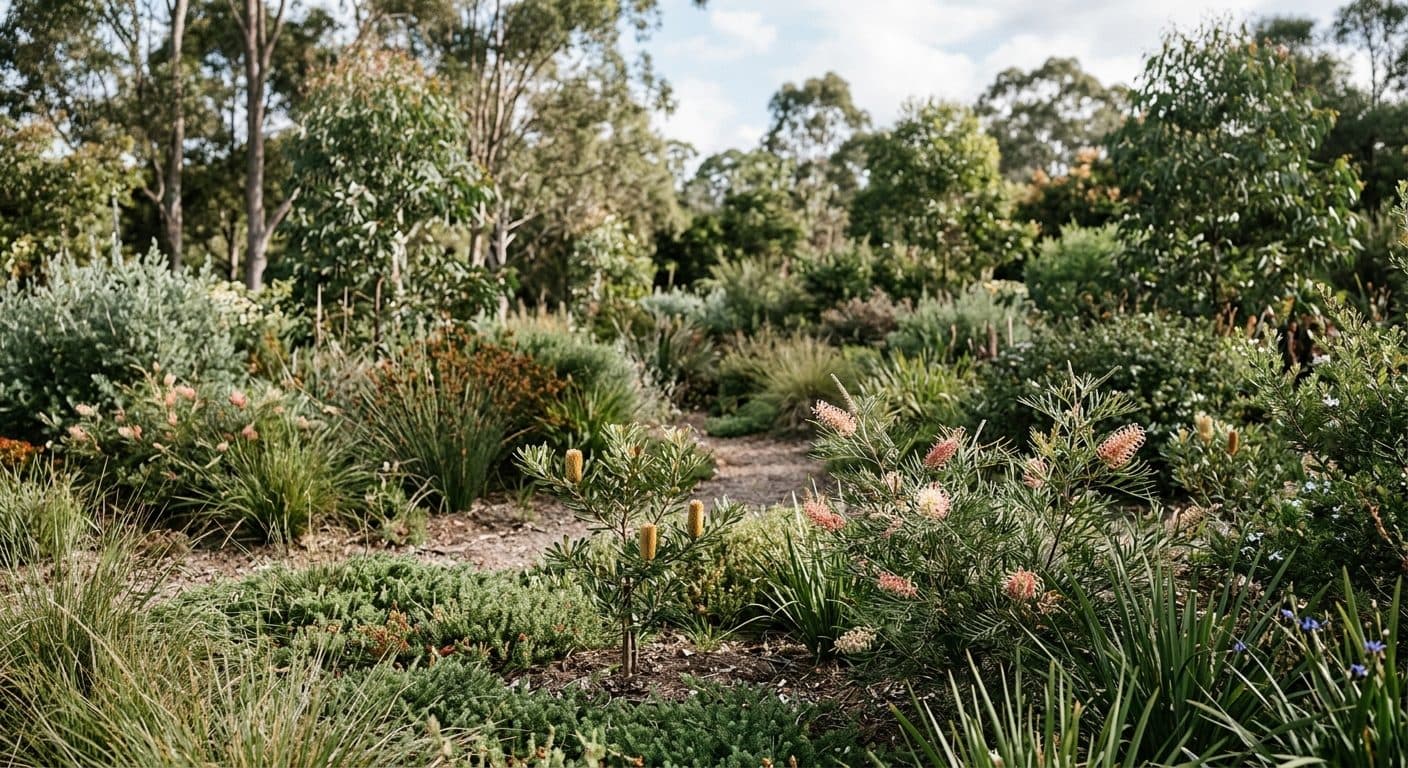
The palette rewards layering the same way any subtropical planting does, canopy to mid-storey to ground, and the principles in my guide to designing a subtropical garden in Brisbane apply directly. If you want to go deeper on the plants themselves, our native garden design page covers how we select species for local conditions.
Gardens that give something back
The habitat argument deserves more than a nod, because it is often what finally converts people. A layered native garden feeds and shelters wildlife in a way no lawn can: nectar for honeyeaters through winter, seed for finches, dense shrubs where small birds can escape the neighbourhood cats, leaf litter and the odd log where lizards and insects get on with their lives. You tend to notice the difference within a season or two, because the garden starts to sound different. And for families, there is something quietly wonderful about children growing up in a garden with residents rather than just surfaces.
The maintenance truth: editing, not mowing
I won't sell you the low-maintenance myth. A naturalistic garden is not less work than a conventional one so much as differently shaped work. The weekly obligations largely disappear, because there is little or no mowing, and once established the dense planting shades out most weeds and drinks far less water. What replaces them is editing: a handful of sessions a year in which you cut back grasses, thin the over-enthusiastic, rescue the overwhelmed and make judgement calls about what stays. It is gardening as curation rather than combat, and most people find it the more enjoyable kind.
The honest catch is the establishment period. The first year or two need genuine attention while the layers knit together, and that is precisely the period a good planting plan is designed to carry you through.
If the idea of trading the mower for a pair of secateurs and a garden full of birds appeals, a Design Discovery Consultation is where I would start: we can work out what your site could carry, and how wild you actually want to go.
Ready to start designing?
We're currently taking on new landscape design clients across Brisbane. Reach out for a personalised quote, whether you're a homeowner or a design professional.
Book a Free Discovery Call