Possums are the number one complaint I hear standing in Brisbane gardens. You can't beat them, but you can plant so they lose interest. Here's what they devour, what they leave alone, and why no plant is truly possum-proof.

By Shannon Trevisiol, Landscape Designer, Brisbane · 5 min read
- No plant is truly possum-proof. The goal is a garden they find boring, not a fortress they can't enter.
- Possums love soft, lush new growth, fruit and flower buds: roses, gardenias, hibiscus, camellias, ferns and anything just planted.
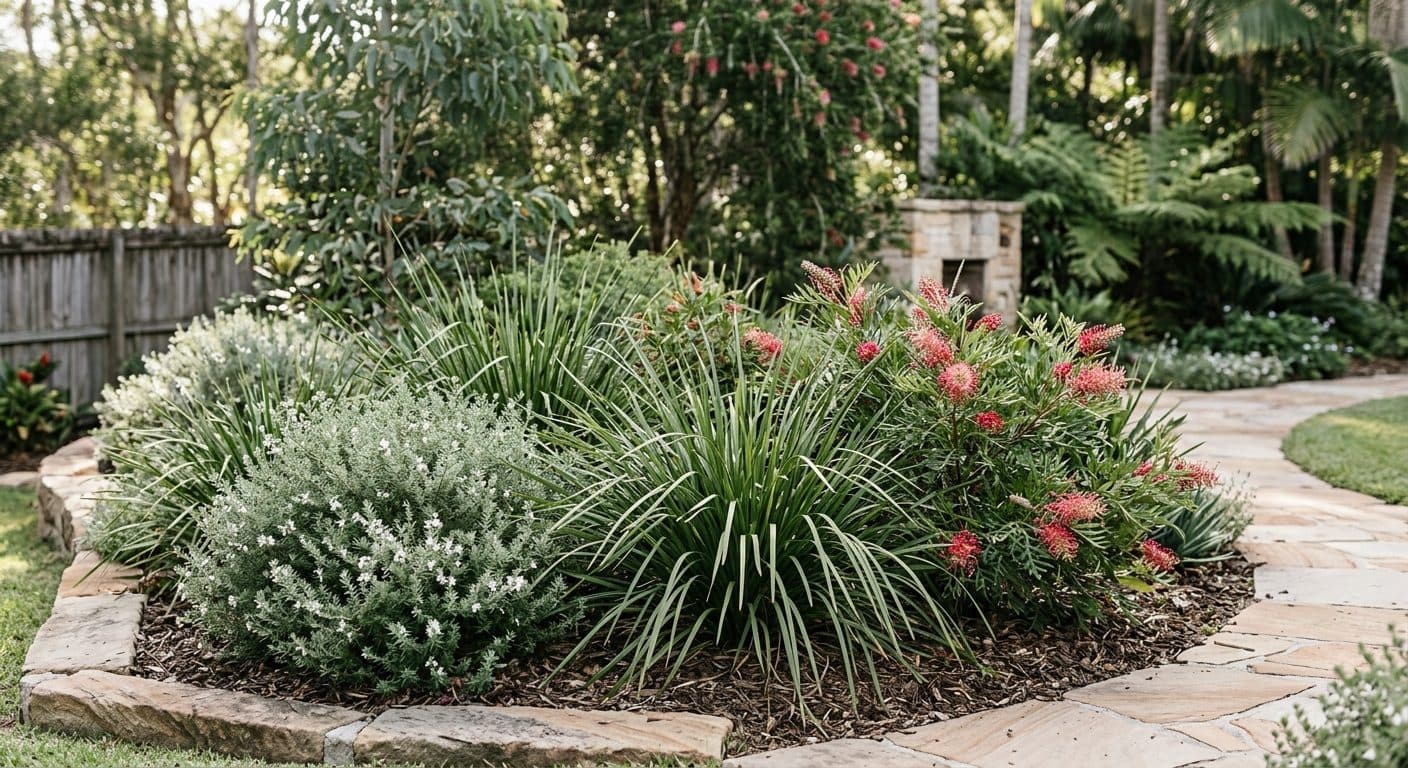
- They tend to leave tough, strappy, aromatic and grey-leaved plants alone: lomandra, dianella, westringia, grevillea and salvias.
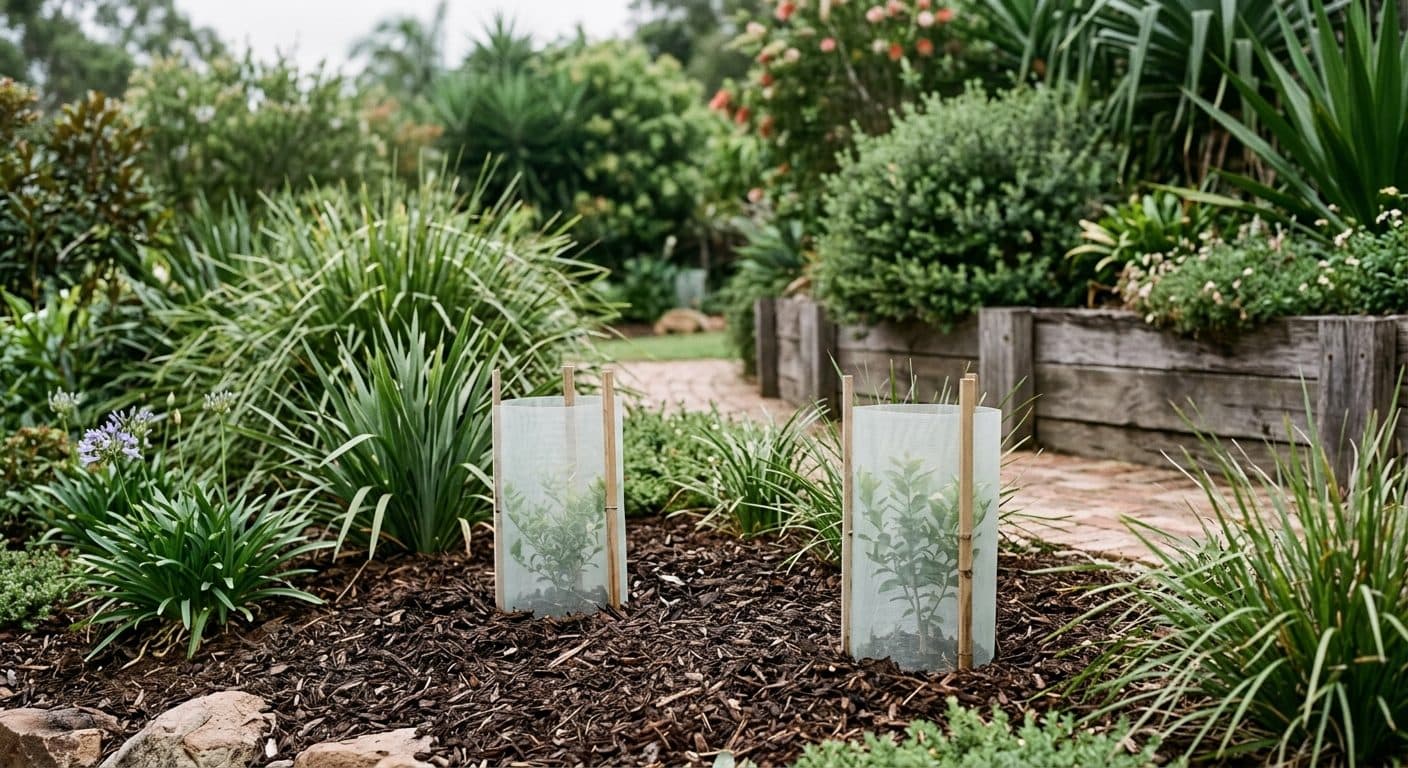
- Protect new plantings while they establish, because a possum will taste-test almost anything soft and fresh before deciding.
If I had to name the single most common thing homeowners raise while I'm standing in their garden, it wouldn't be cost or council or even lawn. It's possums. The brushtail that treats your new garden as a nightly salad bar is a genuinely Brisbane experience, and it's maddening, because you plant something lovely, it looks perfect for a fortnight, and then one morning it's a set of chewed stalks. So let me be straight with you before we go a step further: there is no such thing as a possum-proof plant, and anyone who tells you otherwise is selling something. Possums are protected native animals, they're clever, and a hungry one will taste-test almost anything. What you can do is design a garden they find boring, and that's a very different and much more achievable goal.
Why they're eating everything
Possums go for the same things you'd pick off a buffet: the soft, the sweet and the new. Lush fresh growth, flower buds, fruit and tender young leaves are the target, which is exactly why the plants people most love tend to be the ones that get hammered. Roses, gardenias, hibiscus, camellia buds, fuchsias, many ferns and just about any soft-leaved feature you were proud of are all on the menu. It's also why a brand-new garden gets hit hardest of all: everything in it is fresh, soft and unfamiliar, and a possum will work down the row overnight sampling as it goes. The gardenia by the back door isn't being singled out to spite you, it's just genuinely delicious, and understanding that is the first step to planting around the problem instead of fighting it. My guide to pet-friendly garden design runs into the same reality from the dog-and-cat angle: you design for the animals you've actually got, not the ones you wish you had.
What they tend to leave alone
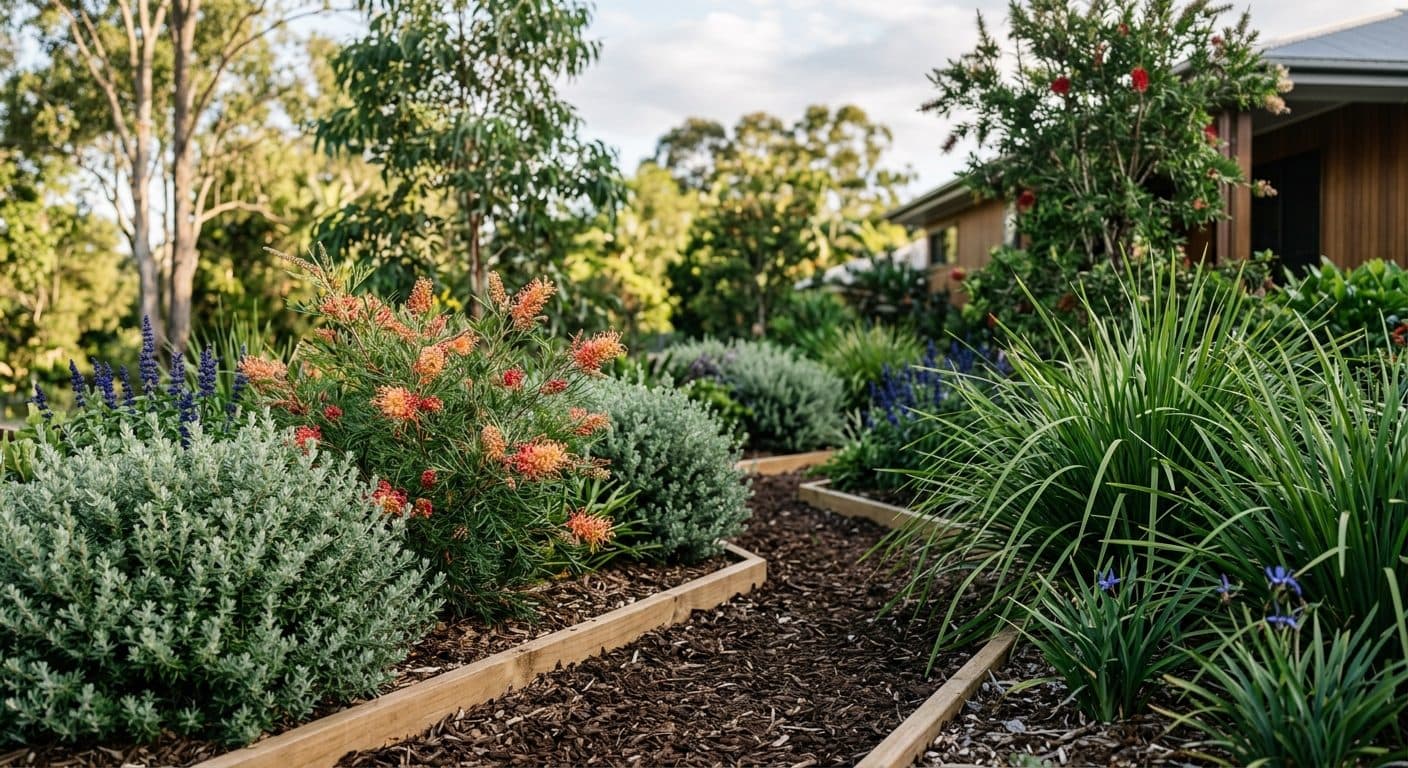
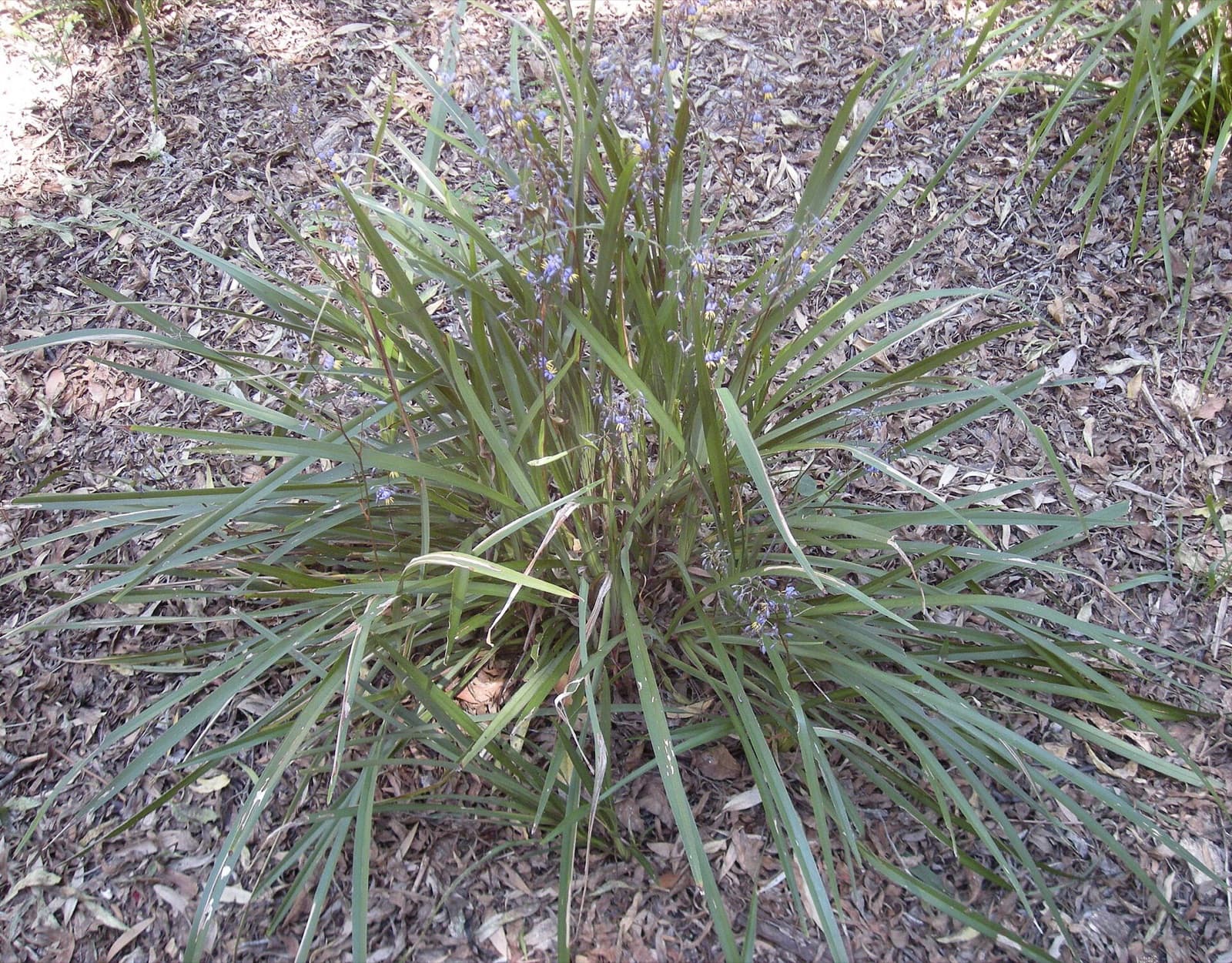
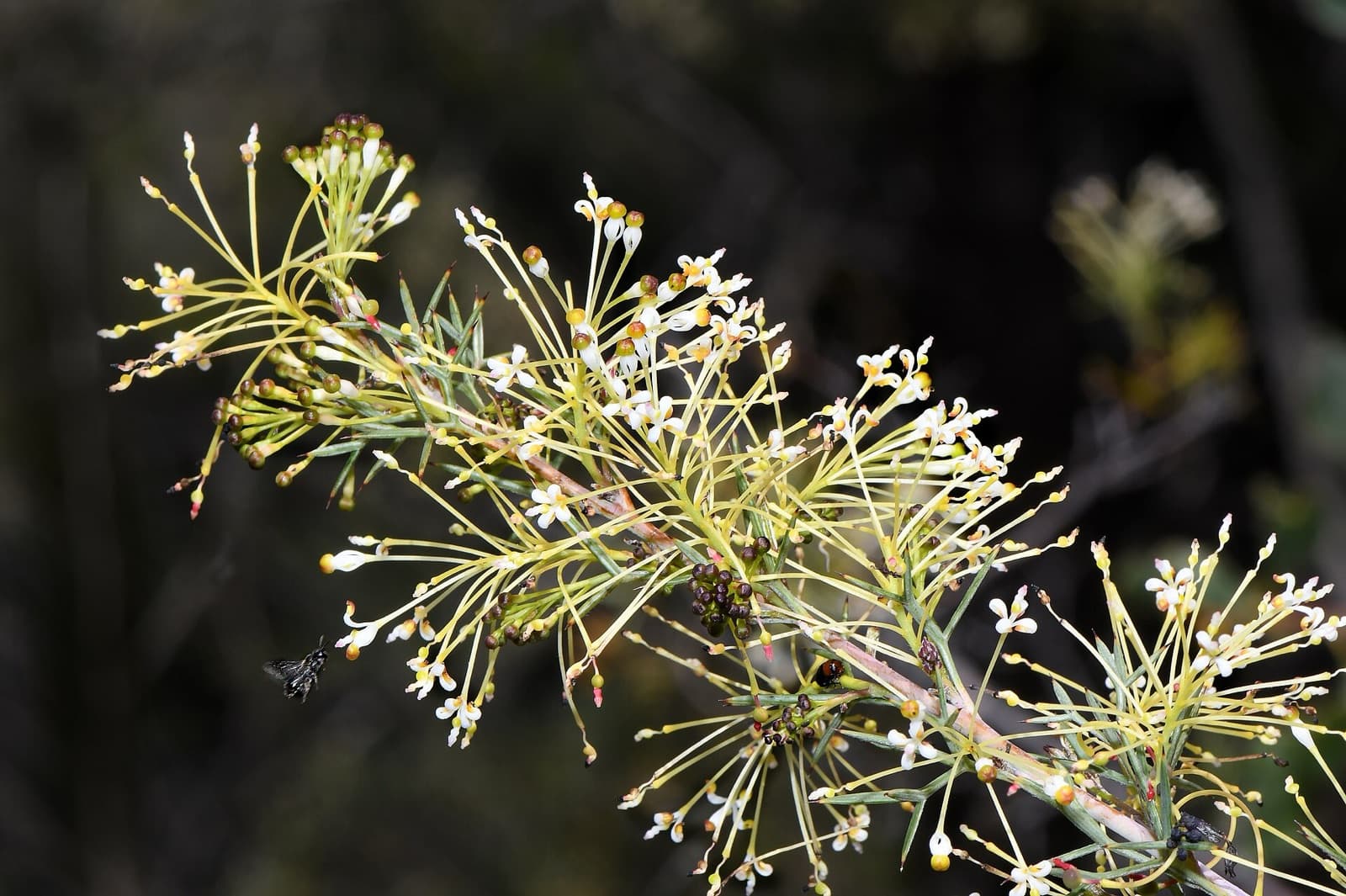
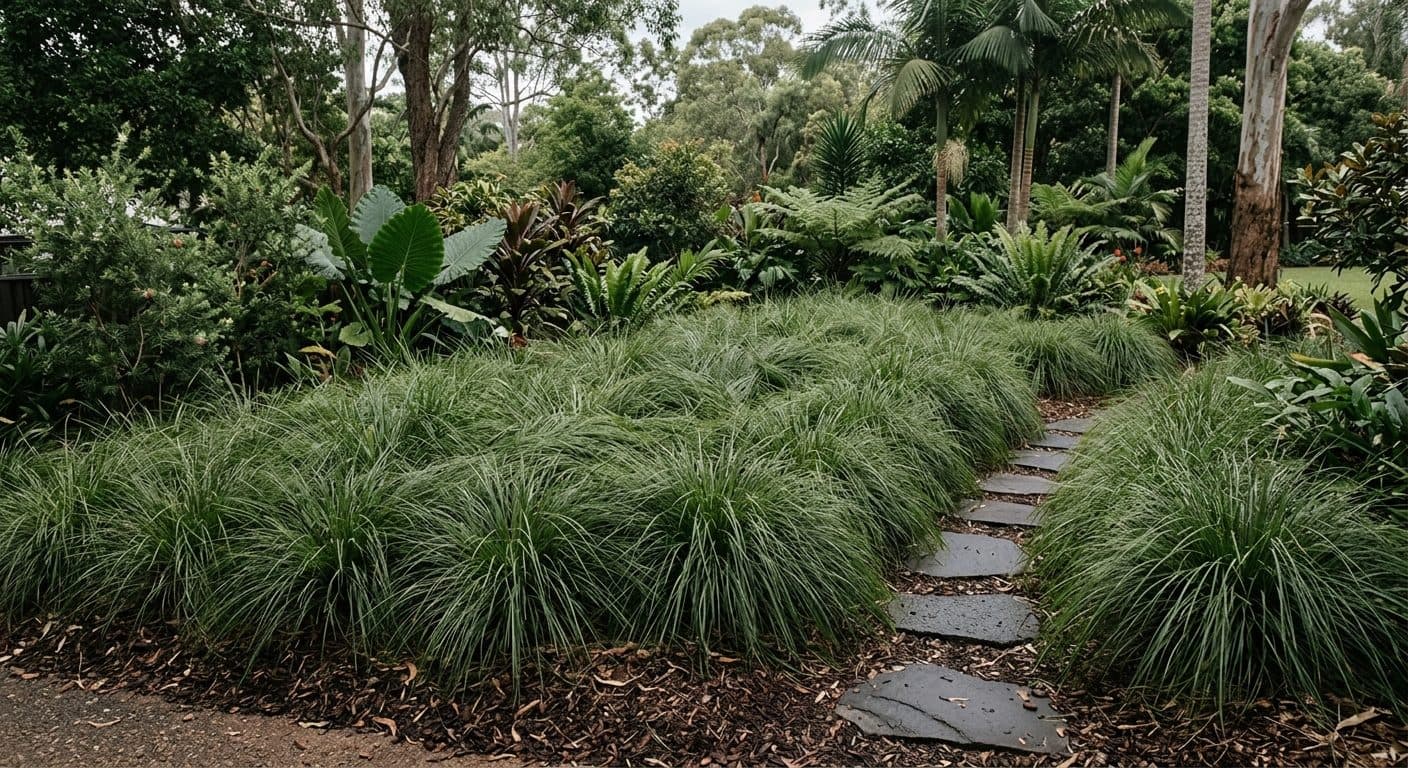
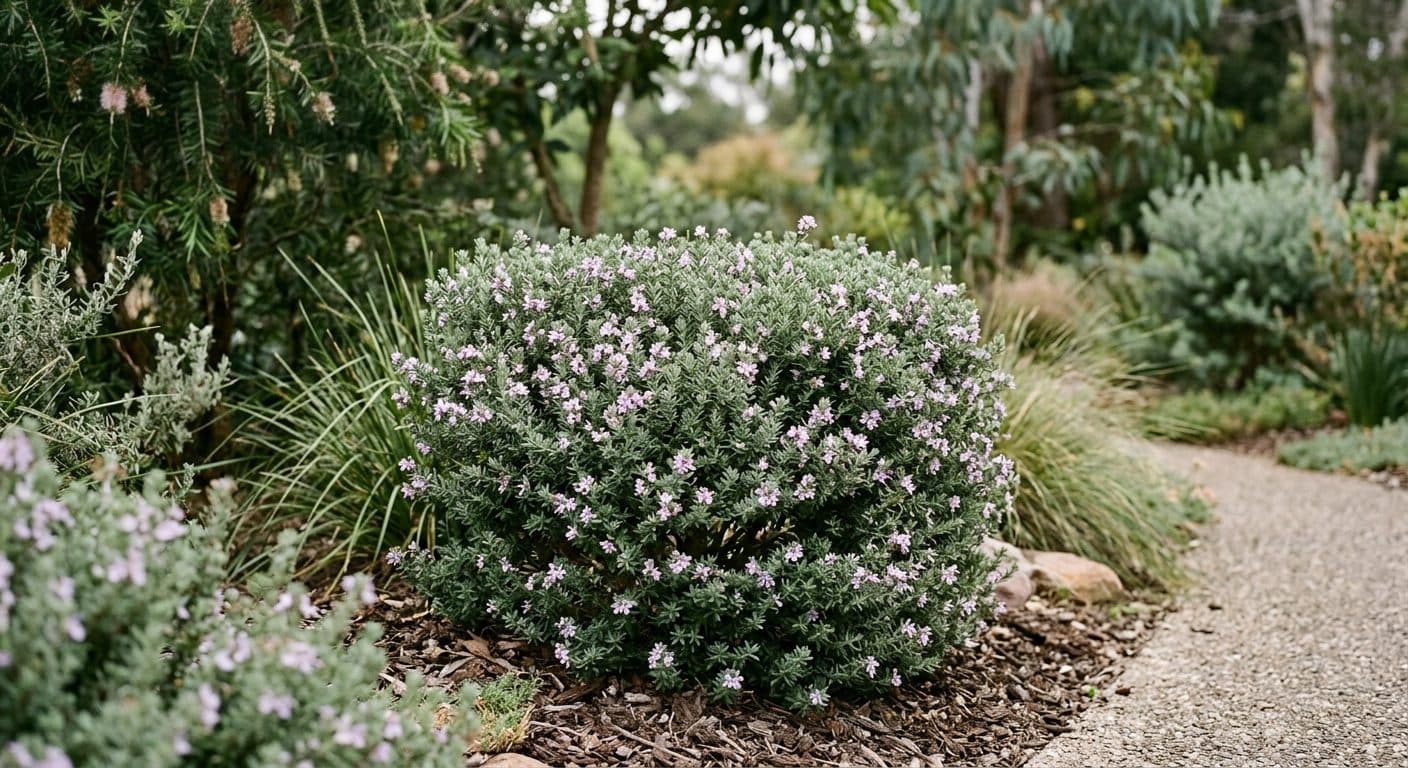
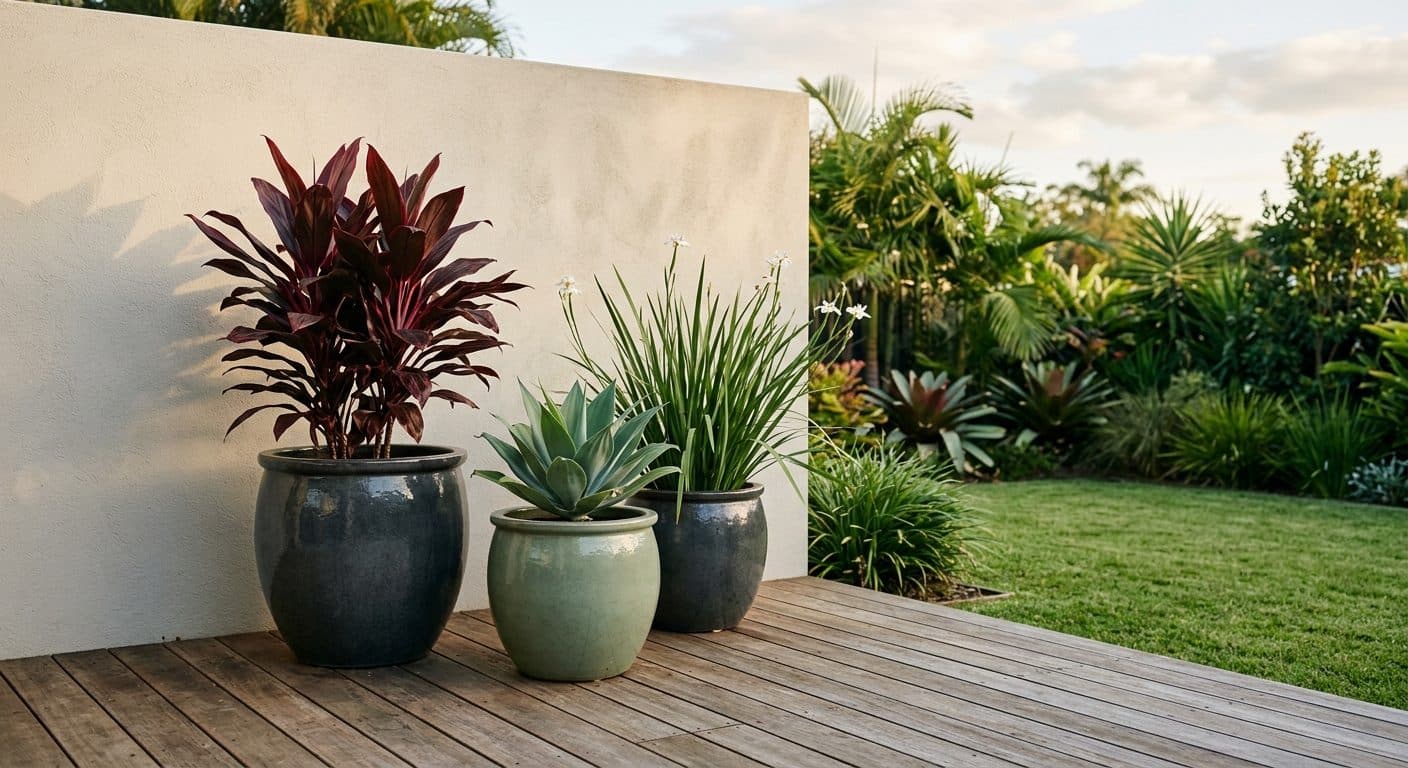
The plants possums generally can't be bothered with fall into a few reliable patterns: tough and leathery, strappy and fibrous, strongly aromatic, or grey and hairy-leaved. None of these is a guarantee, but stack the odds and you'll notice the difference. The strappy natives are the backbone here, because a possum gets nothing rewarding from chewing a mouthful of fibre: mat rush (Lomandra 'Tanika') and flax lily (Dianella) shrug them off almost entirely. Grey, aromatic and slightly resinous foliage is the next tier, which is where coastal rosemary (Westringia fruticosa) and the culinary herbs like rosemary, lavender and sage do well, their oils being exactly the sort of thing a possum's palate dislikes. Many a grevillea is left largely alone once established, its tougher foliage holding up where a soft-leaved shrub would be stripped, and the aromatic salvias tend to get a pass too. Build the bones of the garden from these and keep the tempting soft stuff to a minimum or well protected, and you've shifted the whole equation. For a wider resilient palette, the best plants for Brisbane gardens sorts them by the work each one does.
Protect the new stuff while it establishes
Even a tough, aromatic plant is vulnerable the day it goes in, because fresh nursery growth is soft and a curious possum will give anything one taste before writing it off. The most useful habit you can build is to protect new plantings for their first few months, with a simple plant guard, a light frame of stakes and netting, or a temporary cage around the things you're most worried about, until the foliage hardens off and the plant is established enough to shrug off a nibble. It looks a little agricultural for a season and then it comes off and you forget it was ever there. This is also an argument for not planting your entire garden with soft new growth on the same night, which is a possum's idea of Christmas.
The honest limits of deterrents
You'll find no shortage of sprays, gadgets and folk remedies promising to move possums on, and I'd rather you spent the money on plants. Bitter sprays wash off in the first storm and need reapplying endlessly, motion lights and noise devices work until the possum decides they're harmless, which takes about a week, and relocation is both illegal for a protected native and pointless, since another possum simply moves into the vacated territory within days. The one thing that genuinely helps alongside good planting is taking away the reasons they're comfortable: not leaving pet food or fallen fruit out overnight, and accepting that if you plant a row of roses you are running a possum restaurant and the reviews will be excellent. Design for the animal you've got. A garden that also welcomes the birds, by the way, tends to be a healthier and more balanced one overall, and my guide to a bird-attracting garden leans into that.
Working out a resilient planting palette that suits your block, your aspect and the wildlife that already visits, so you're not replanting the same chewed feature every spring, is a large part of what a Design Discovery Consultation is for. It's $350 on-site within the Brisbane metro area, with any travel beyond that quoted up front when you book, and we'll plant for the possums you have rather than pretend they'll leave.


Ready to start designing?
We're currently taking on new landscape design clients across Brisbane. Reach out for a personalised quote, whether you're a homeowner or a design professional.
Book a Free Discovery Call