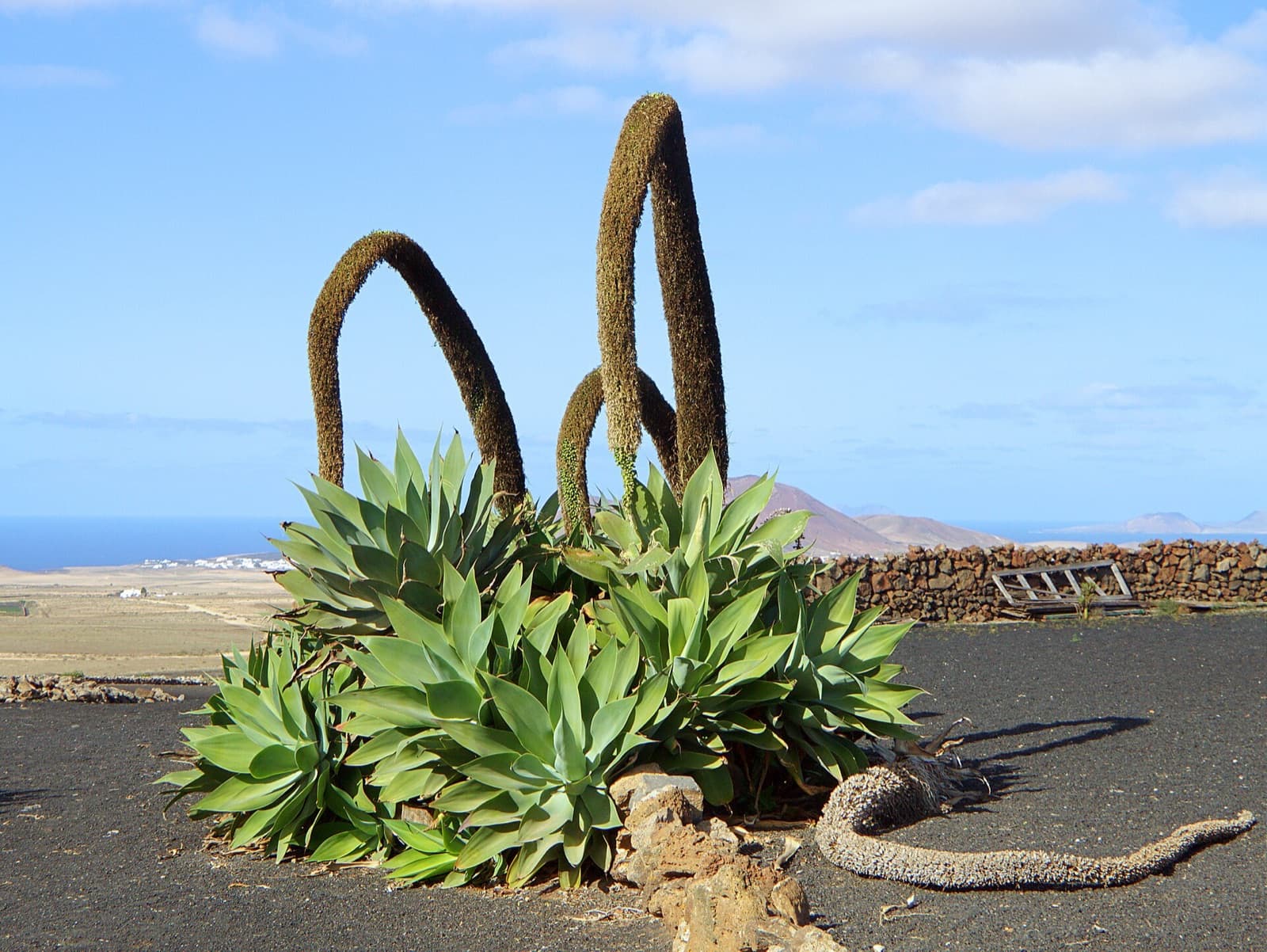
Agave attenuata, the soft-leaved sculptural succulent that gives you the architectural look without the spikes, and asks almost nothing in return.
Agave attenuata · Also known as Foxtail Agave, Century Plant
Agave is the plant you reach for when you want a strong, sculptural shape that survives being ignored, forming a slow rosette of pale blue-green leaves that reads as pure architecture in a bed or a pot. The foxtail agave, Agave attenuata, is the one we plant most, and it earns its keep by looking deliberate all year on next to no water.
Not all agaves are the same, and the distinction matters near a footpath or a play area: attenuata is the gentle, spineless one, whereas many of its relatives carry vicious terminal spines, so choosing the soft-leaved species is a design decision as much as a horticultural one.
In a Brisbane garden
Agave attenuata is one of the easiest ways to get a modern, sculptural look that holds through a Brisbane summer without irrigation, and the reason we favour it over the spiny species is simple: it has no wicked terminal spine, so you can plant it beside a path, a pool or a seat without setting a trap. The spiky architectural agaves and yuccas look dramatic in a photograph, but near people they're a liability we'd rather design around, and attenuata gives the same bold form safely.
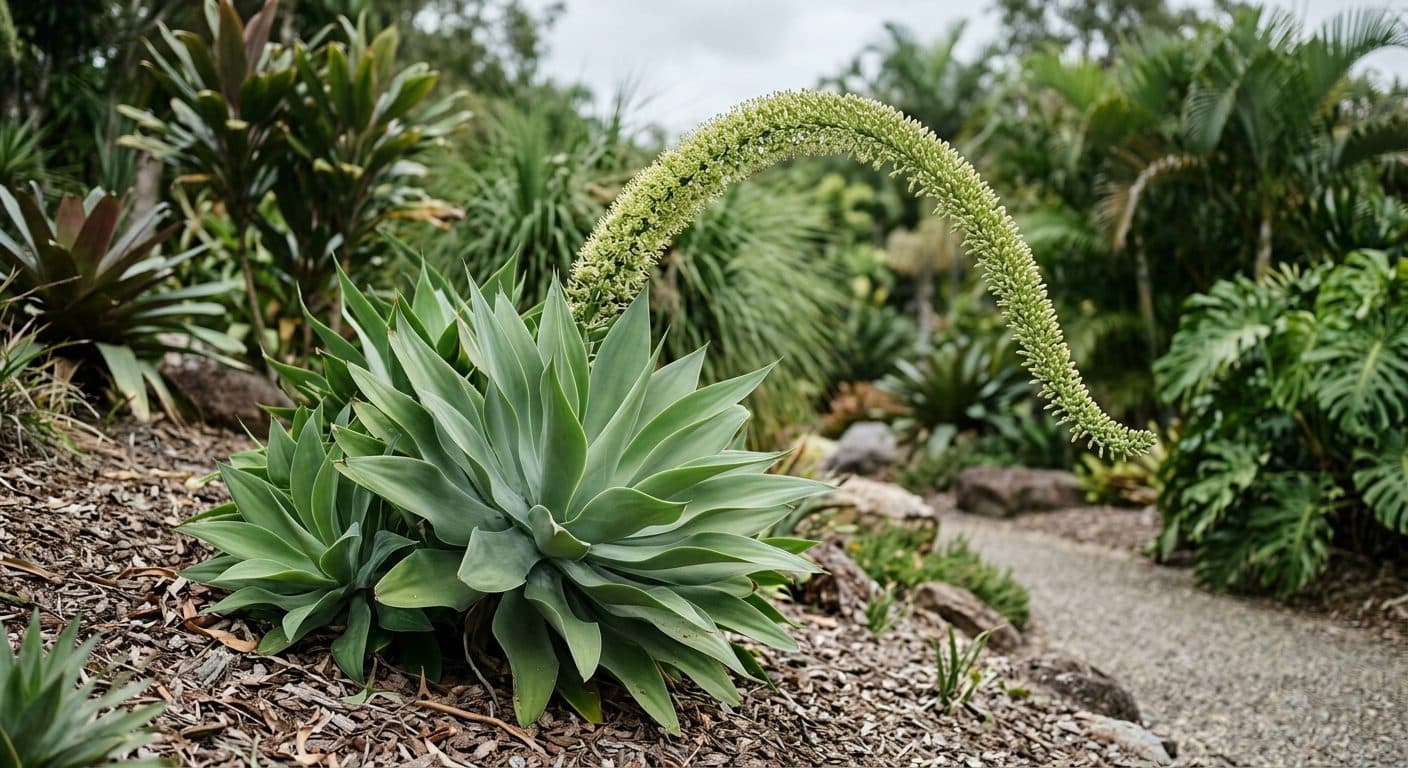
The one thing it will not forgive is wet feet, so drainage is everything: in our heavy soils and summer downpours an agave sitting in soggy ground simply rots, whereas the same plant in a raised bed, a gritty mix or a well-drained slope will sail through drought and neglect for years. It suckers gently to form a colony, each rosette flowers once on a tall arching spike and then dies back while the pups carry on, so the only real task is tidying the spent parent when its time comes.
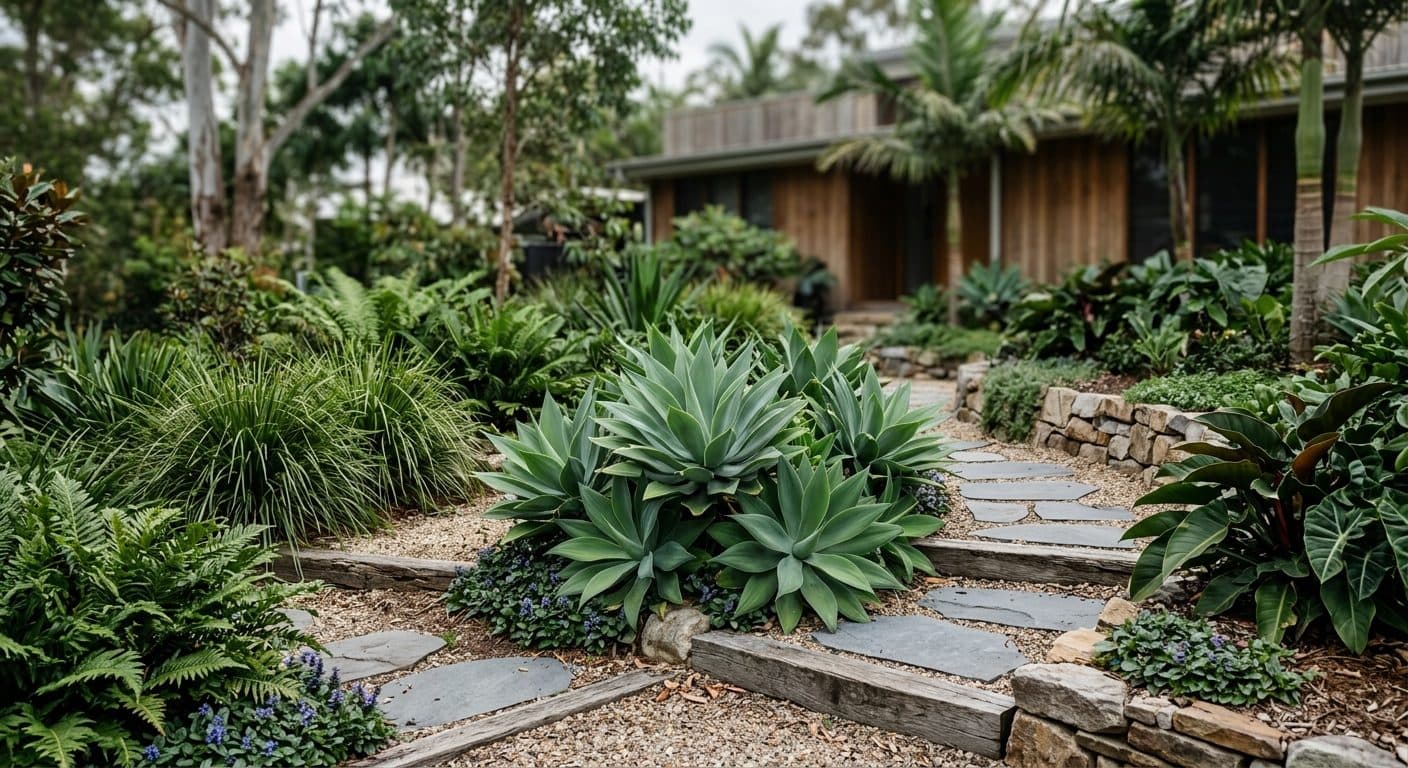
Photo: H. Zell, CC BY-SA 3.0, via Wikimedia Commons
How we design with it
We use agave for structure and repetition, a bold recurring rosette that gives a planting rhythm and holds its shape while softer plants come and go, which makes it a natural anchor in a modern garden design. In a large pot flanking an entry or massed along a rendered wall, its clean geometry does a lot of work for very little care.
Its salt tolerance and thirst for sharp drainage make it a mainstay of exposed coastal garden design around Moreton Bay, and its near-zero water needs put it at the heart of any serious low-maintenance garden design. Pair it with grasses, gravel and other drought-hardy succulents for a composition that looks intentional in February and needs nothing from the hose.
Where we write about agave
Common questions
Want sculptural structure that survives a Brisbane summer?
We're currently taking on new landscape design clients across Brisbane. Reach out for a personalised quote, whether you're a homeowner or a design professional.
Book a Free Discovery Call