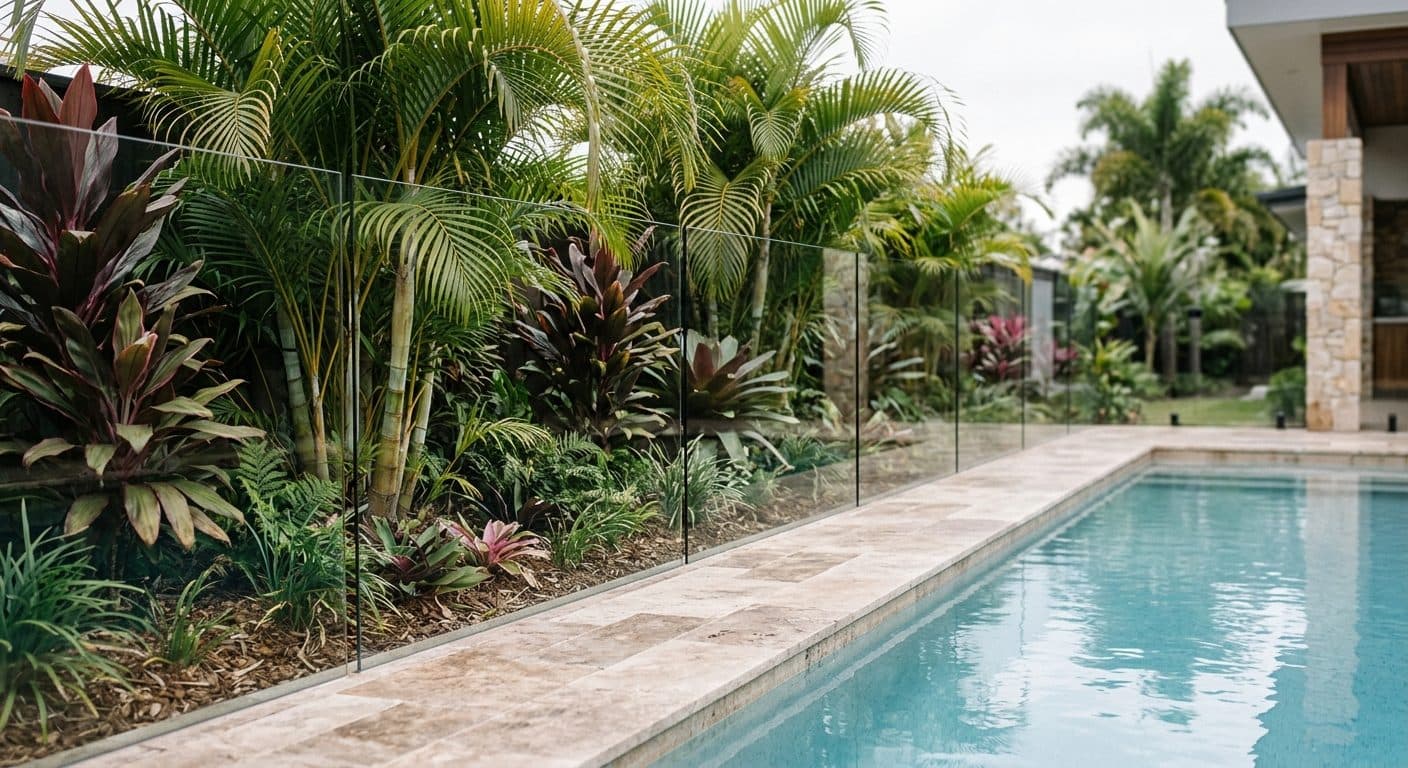
A poolside bed in Brisbane fights chlorine splash, radiant heat off paving and glass, and the skimmer basket. Here's how I plant it so it looks lush and never becomes your Saturday chore.

By Shannon Trevisiol, Landscape Designer, Brisbane · 6 min read
- A poolside bed is a harsh microclimate: chlorine or salt splash, radiant heat off paving and glass, and reflected light all land on one narrow strip, so it wants tough, evergreen, low-litter plants.
- Litter decides half the palette: fine leaf and flower drop clogs the skimmer, so favour foliage-holders over heavy flowerers, and keep anything spiky or slippery away from the coping.
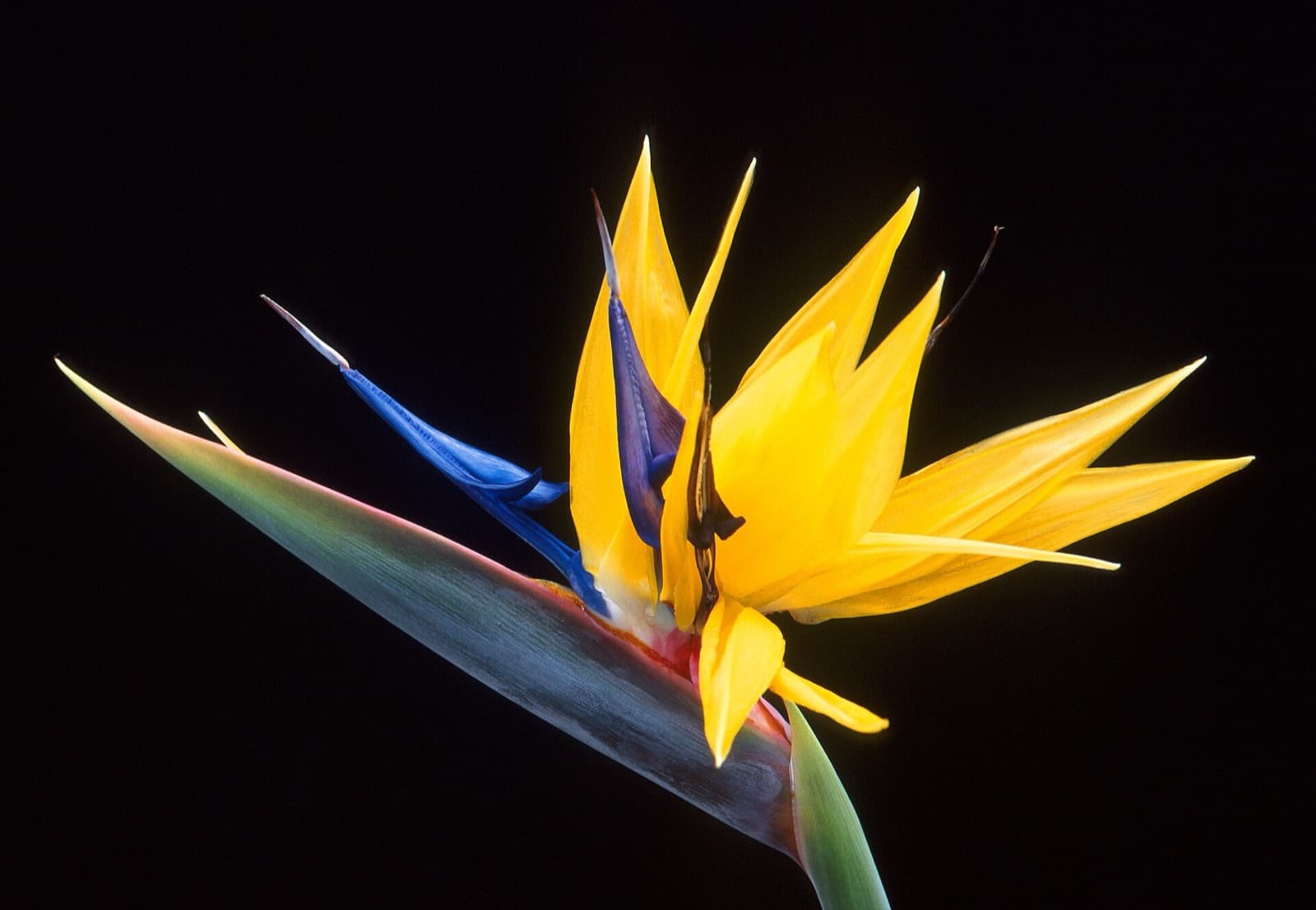
- Bird-of-paradise looks the part poolside, but check which one: the clumping Strelitzia reginae is well-behaved, while the giant Strelitzia nicolai has an intrusive root system that can lift coping and paving, so keep the giant well back or skip it.
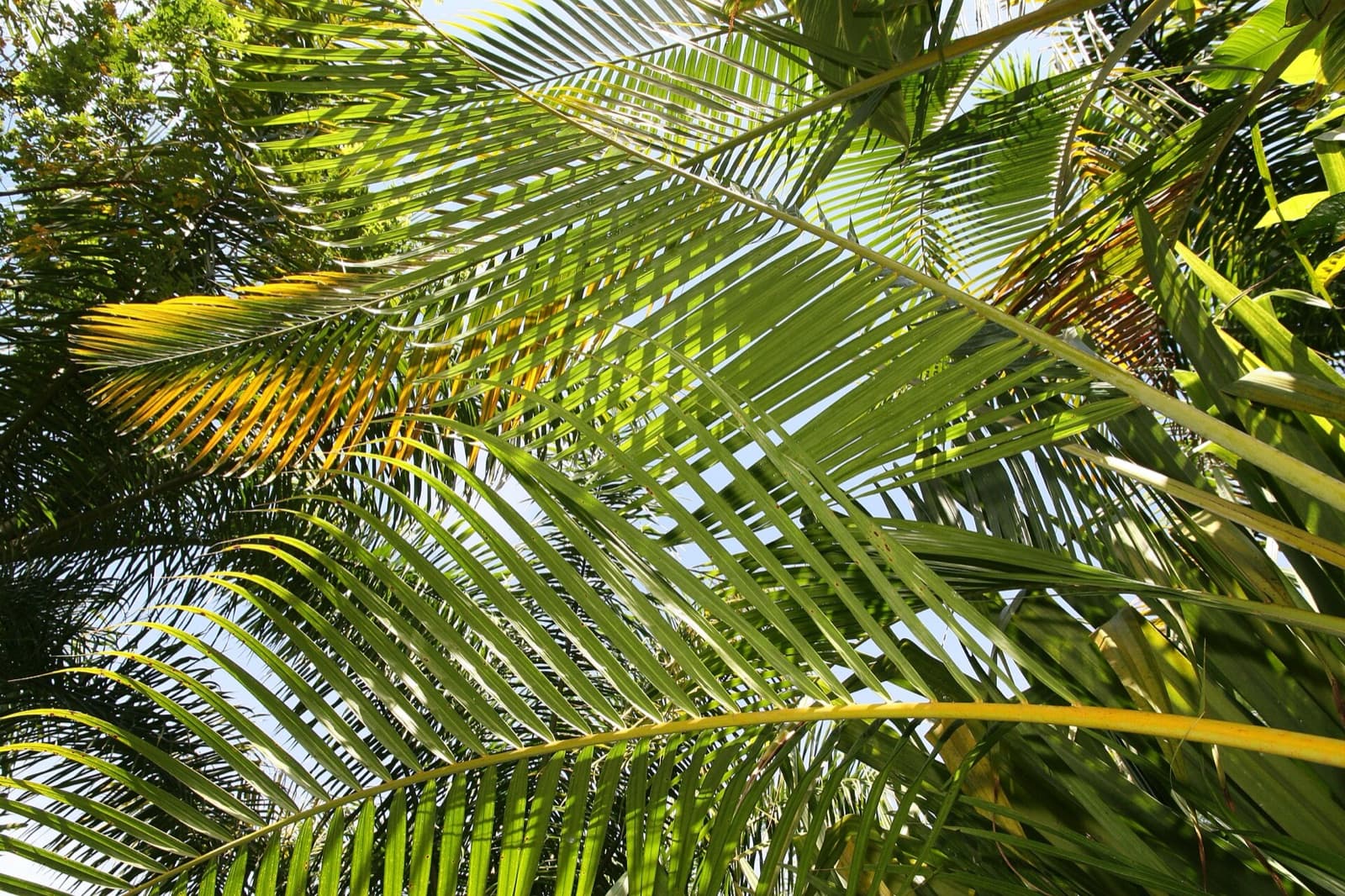
- Golden cane is the classic poolside palm and a real love-it-or-hate-it call: use it as one soft layer, not the whole screen, and know it's thirsty and drops fronds.
Everyone wants the same thing from a pool garden: that lush, green, holiday-resort backdrop that makes the water look like it belongs somewhere warmer than your back fence. The trouble is that the strip of soil around a Brisbane pool is one of the harshest spots on the whole block, and most of the plants sold for the look quietly hate it. Before I choose a single poolside plant in Brisbane, I walk that bed and read what it's actually dealing with, because the splash zone punishes a wishlist bought on looks alone.
Start with the splash itself. Whether you run chlorine or a salt system, the water that lands on the leaves closest to the coping is not doing your foliage any favours, and salt in particular burns the tips of anything thin-leaved and soft. Then there's the heat. Pale paving, a rendered wall and a run of glass pool fencing all throw radiant heat and reflected light straight back at the bed, so a plant sitting there in a January afternoon is coping with far more than the air temperature suggests. It's a coastal-cliff microclimate dressed up as a suburban backyard, and it wants plants built for exactly that.
The litter problem nobody mentions at the nursery
Here is the constraint that quietly decides half the palette: what drops. Fine leaf litter and spent flowers blow across the water, sink, and end up in the skimmer basket, and a pretty plant that sheds a confetti of petals every week turns your pool into a part-time job, so I steer people away from deciduous species and heavy flowerers right at the edge and towards plants that hold their foliage and drop slowly. The other rule I never bend is barefoot safety: nothing spiky and nothing that drops slippery fruit or berries next to the coping, because someone always cuts the corner between the pool and the door with wet feet, and a squashed fruit on smooth paving is a fall waiting to happen. Keep the sharp and the slippery for the far side of the garden.
Low planting and groundcover
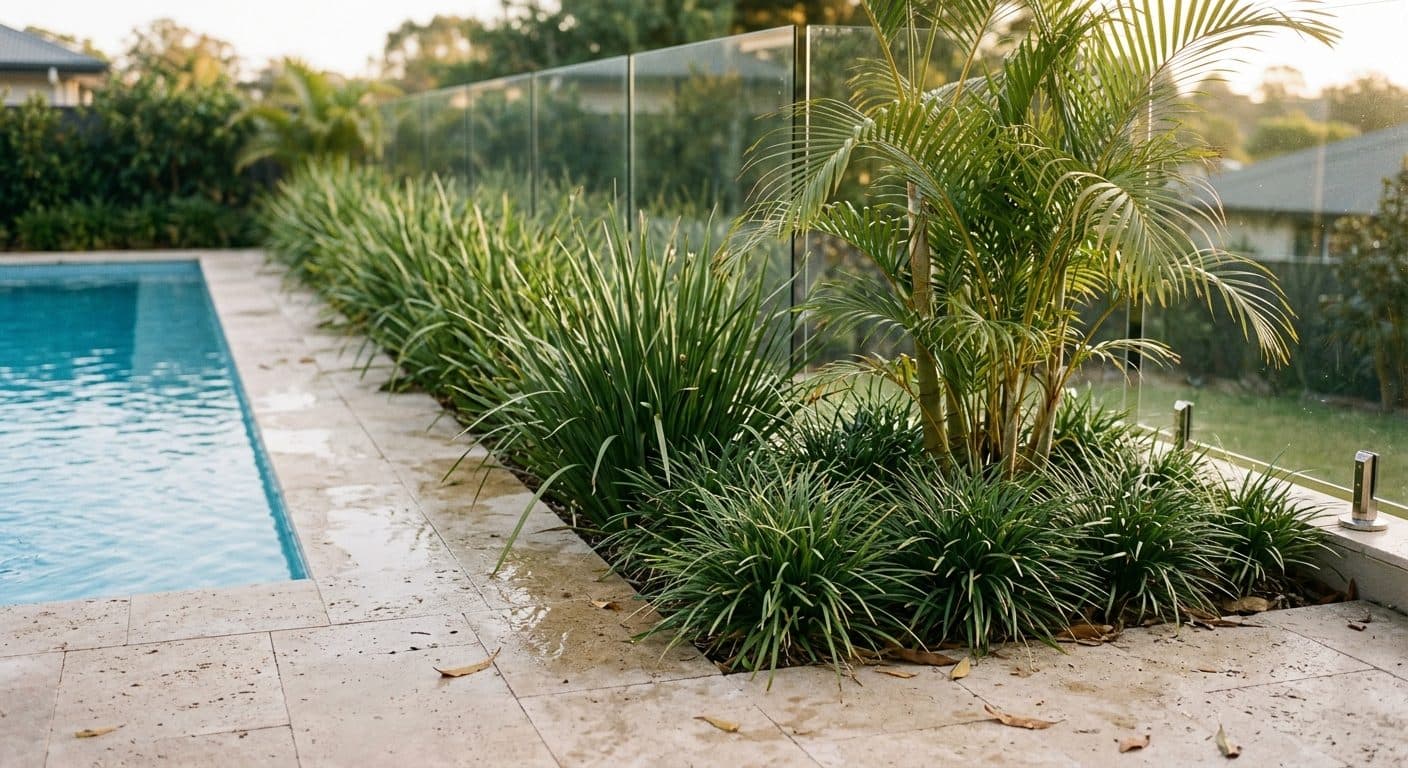
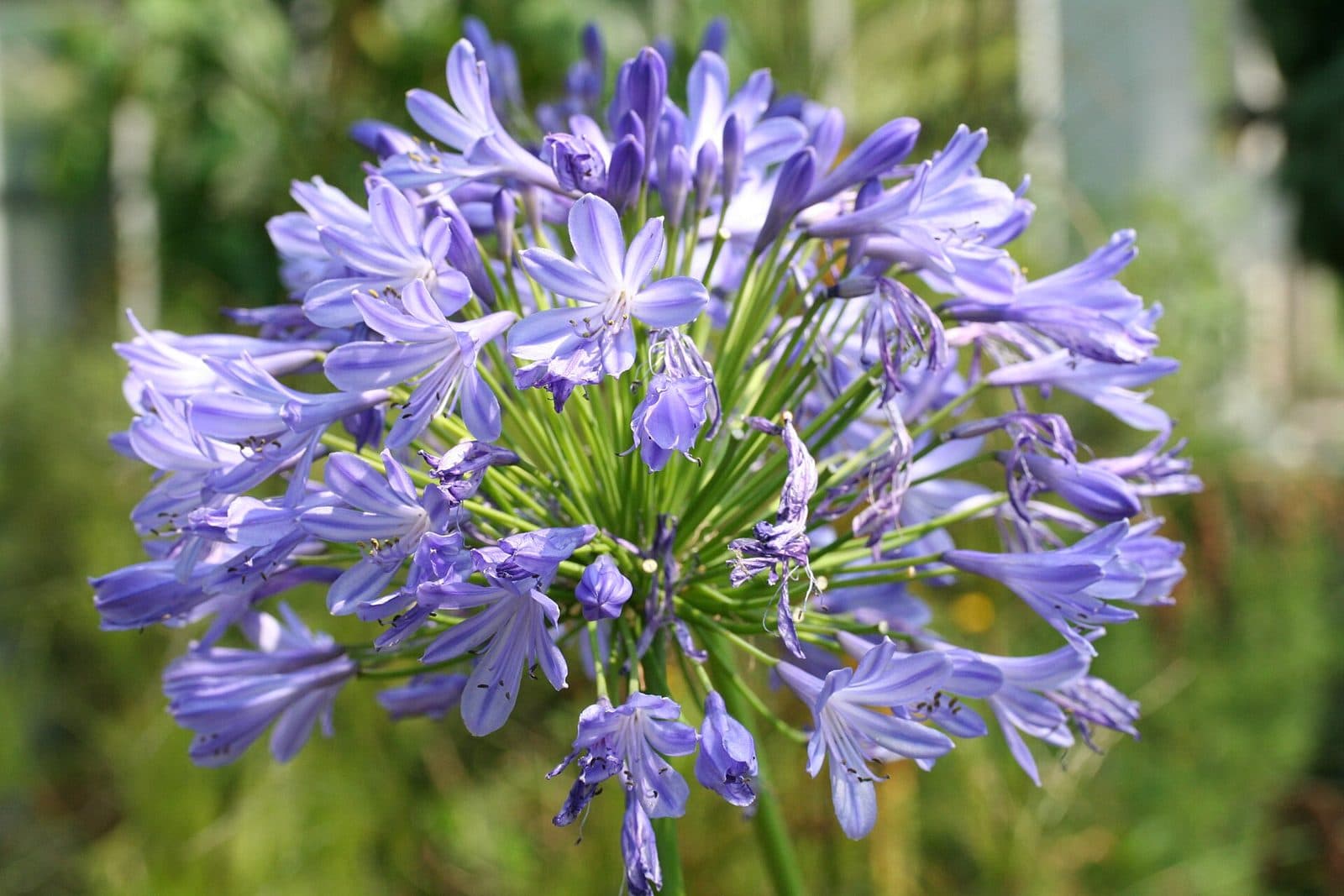
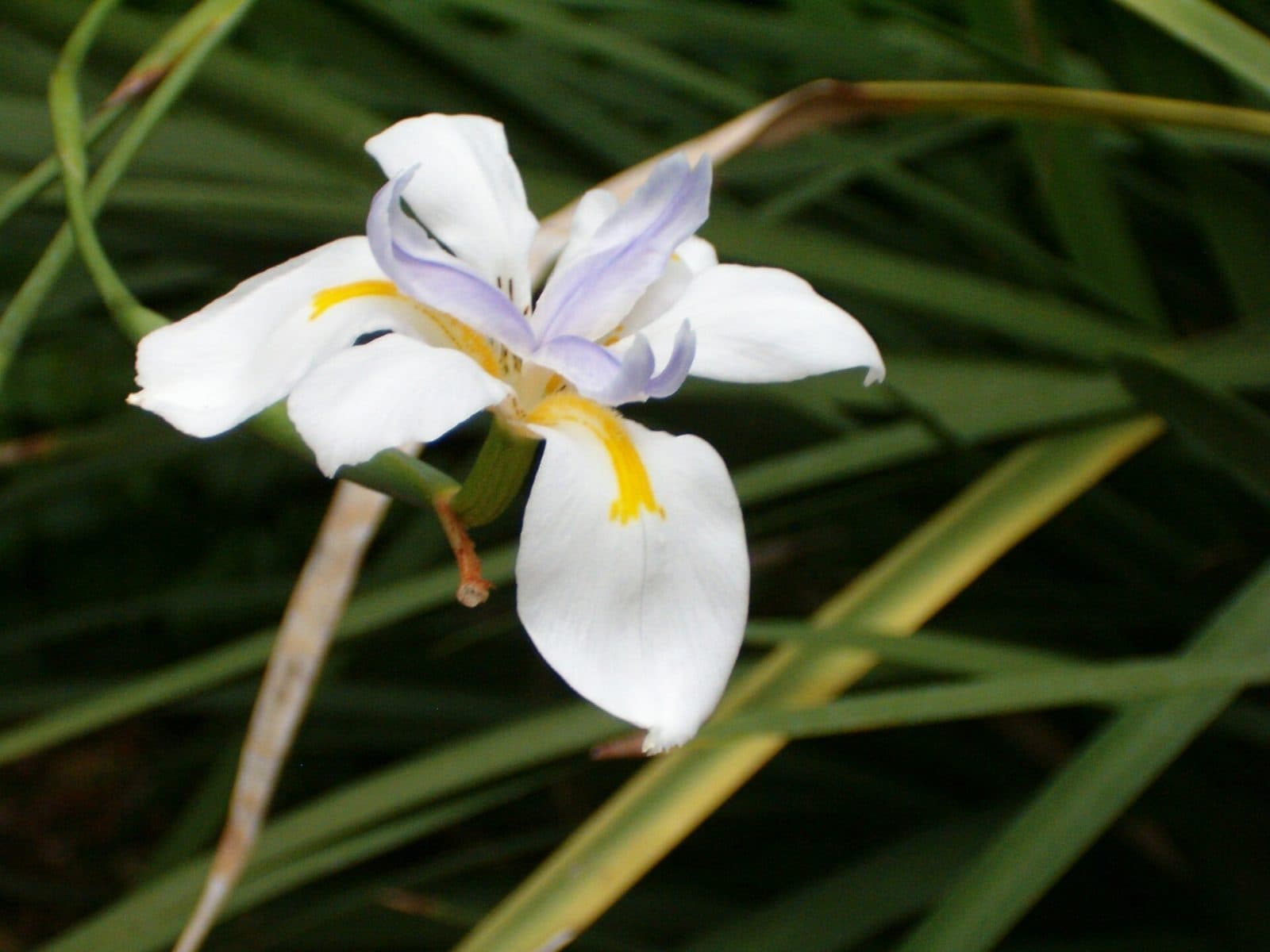
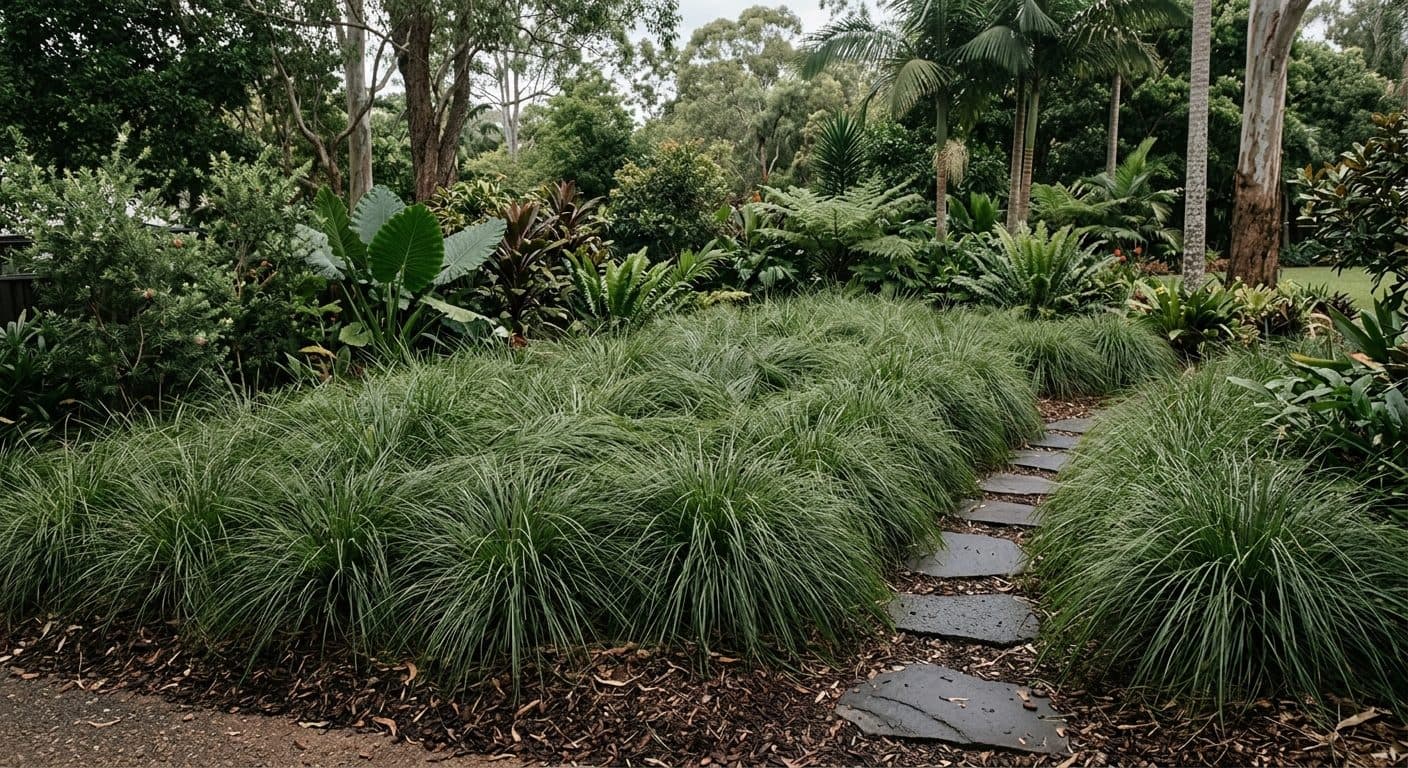
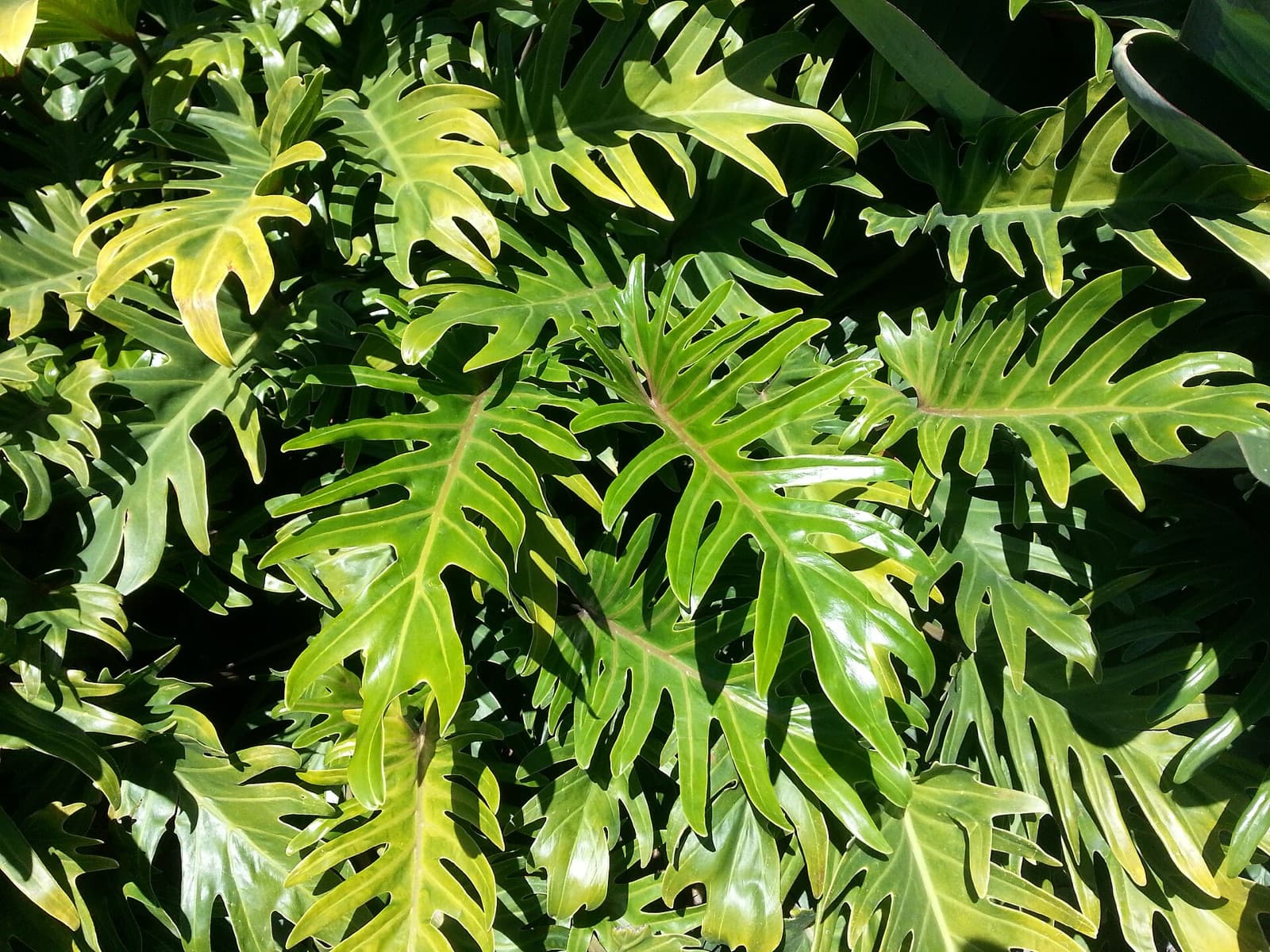
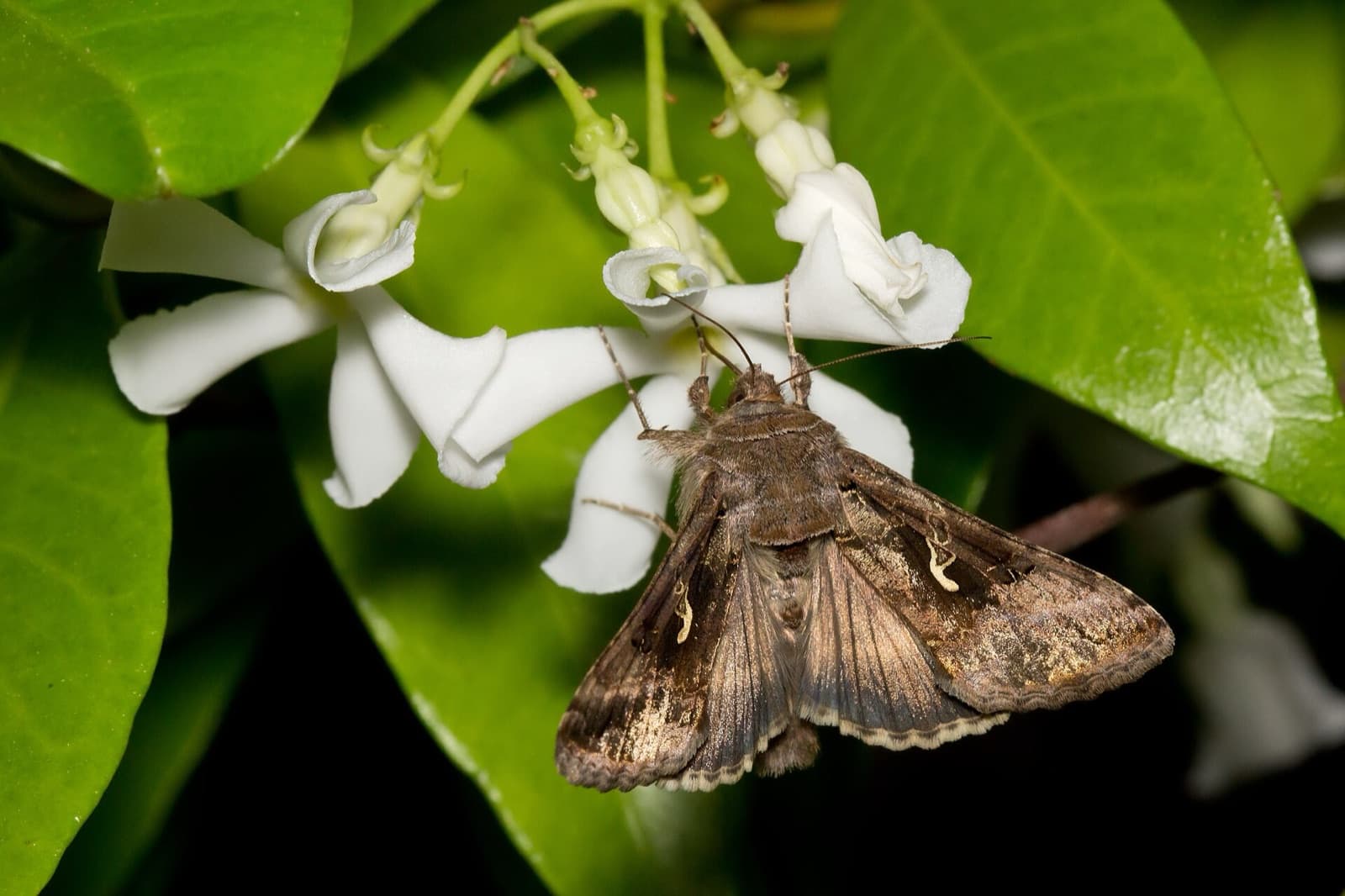
At the water's edge I want tough, evergreen, low-litter plants that take the glare and stay put. Lomandra (Lomandra) holds a soft green tussock without carpeting the water, dietes (Dietes) is strappy and near indestructible with iris-like flowers big enough to lift out by hand rather than the fine mess that clogs a basket, and agapanthus (Agapanthus) gives a reliable summer flower and copes with reflected heat all day. For a lush, tropical floor, xanadu (Philodendron) brings glossy, deep-green structure in the bright shade behind taller plants, and star jasmine (Trachelospermum) run along a low wall or as a groundcover adds scent while dropping almost nothing. Liriope does the same quiet work in the shadier pockets, and none of these ask much of you, which is the whole point beside a pool.
The medium layer, for colour and structure
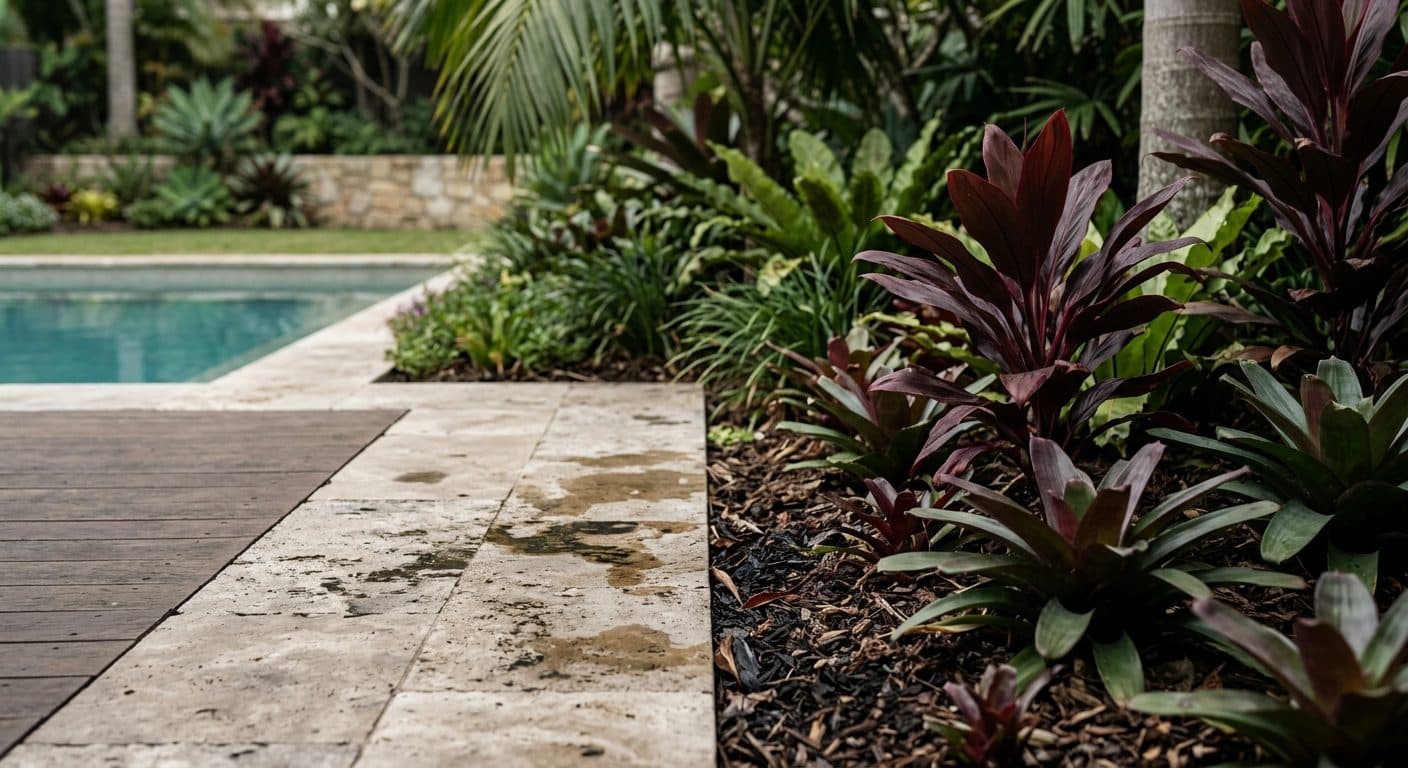
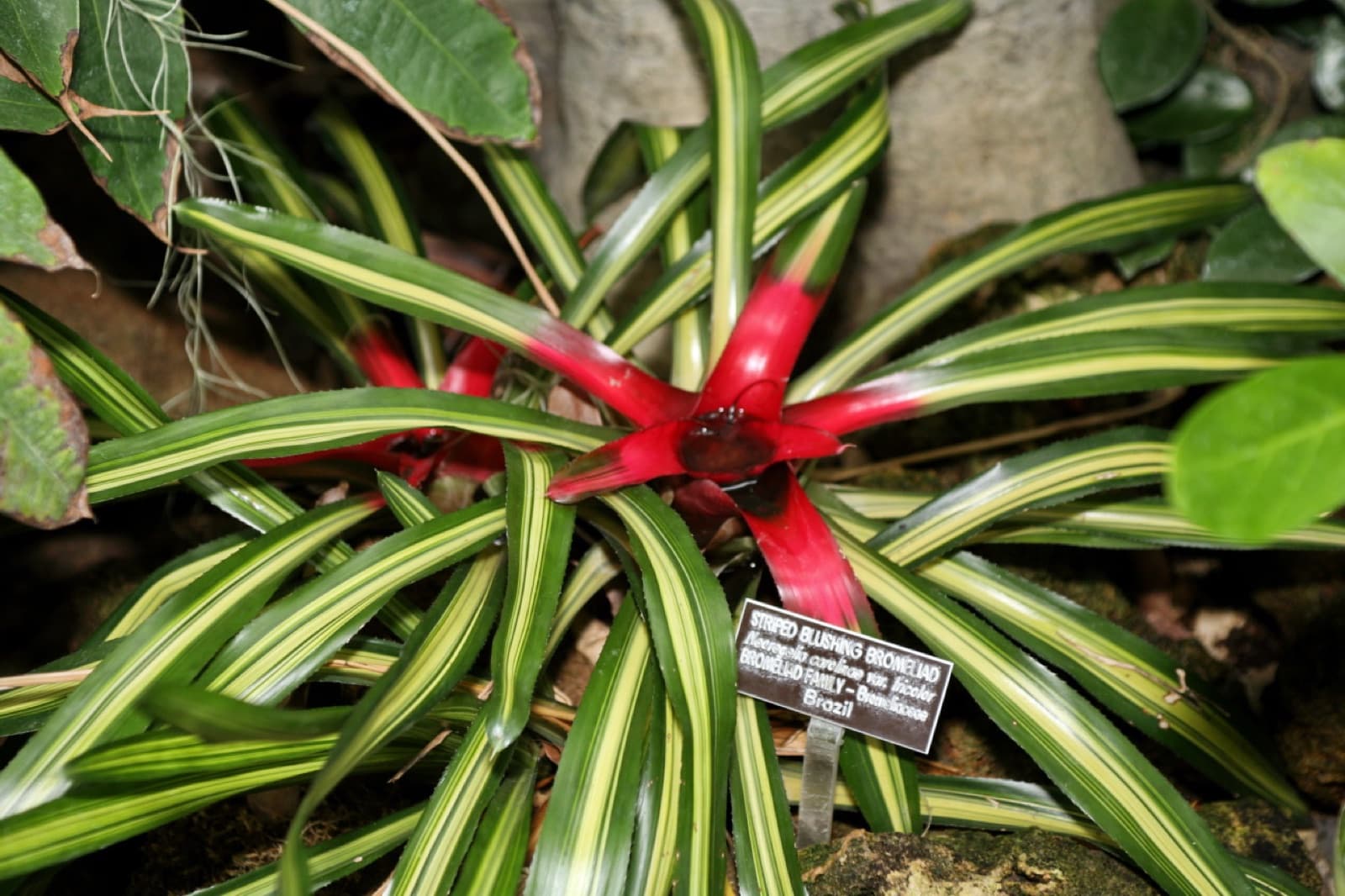
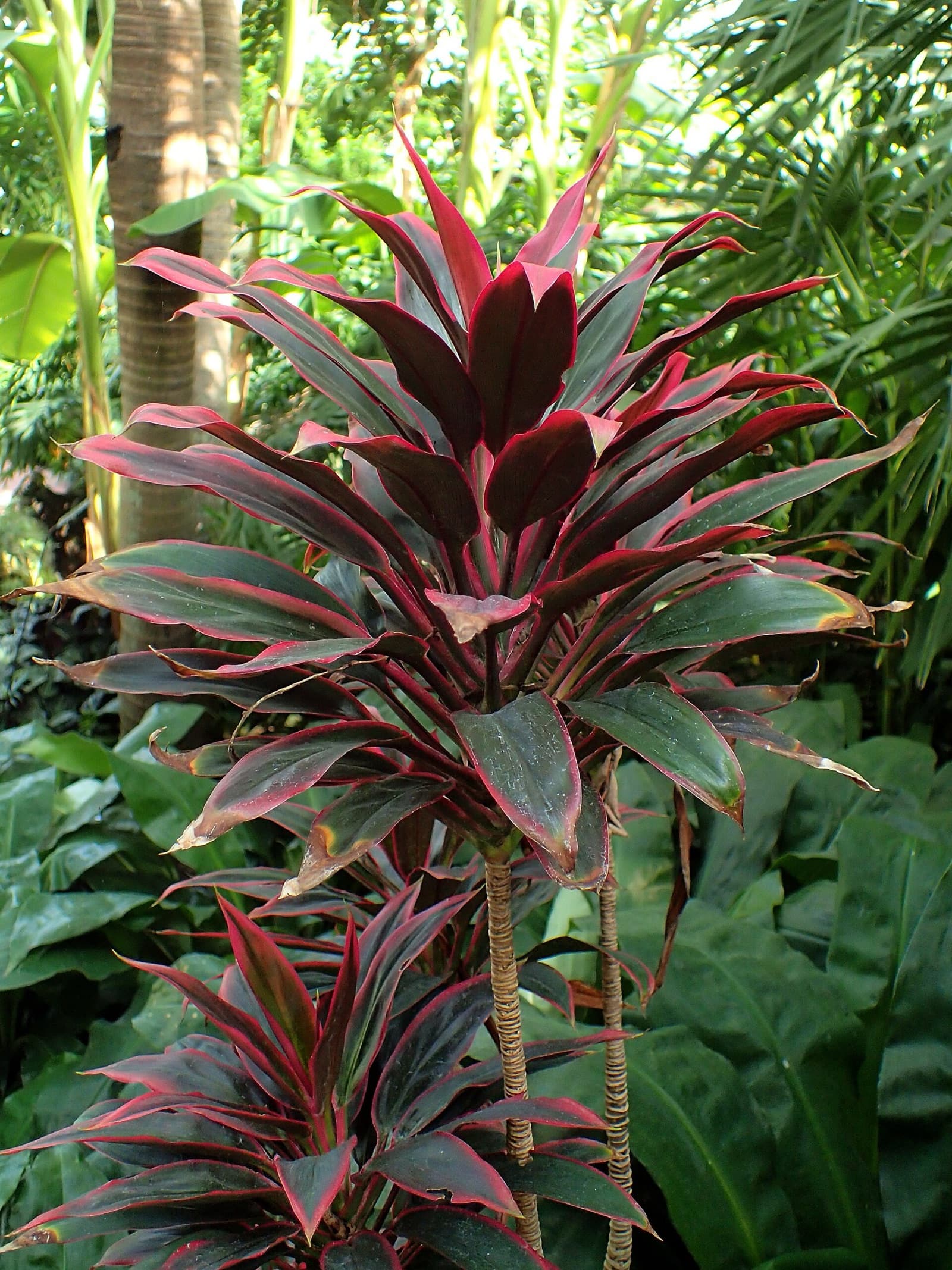
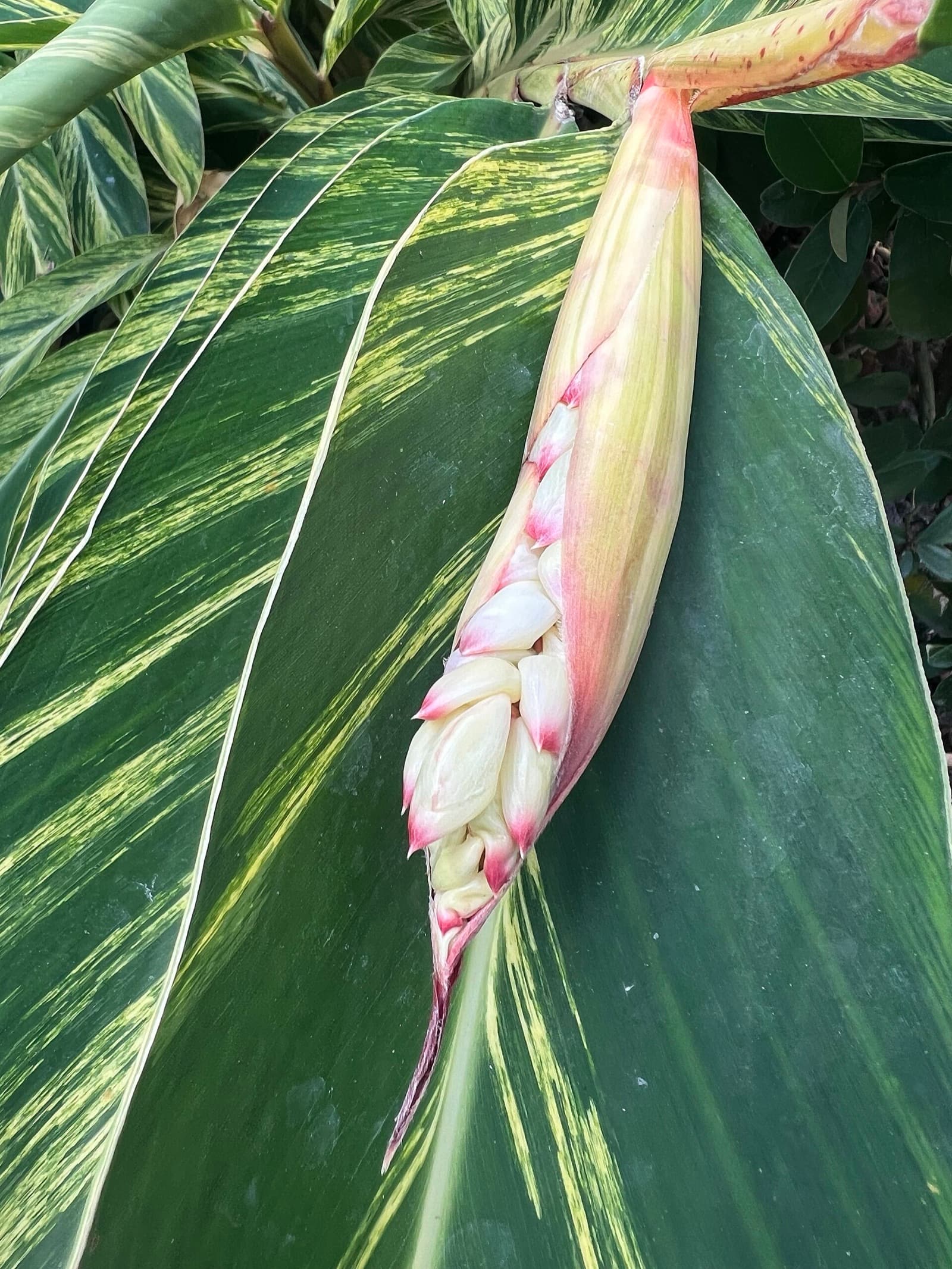
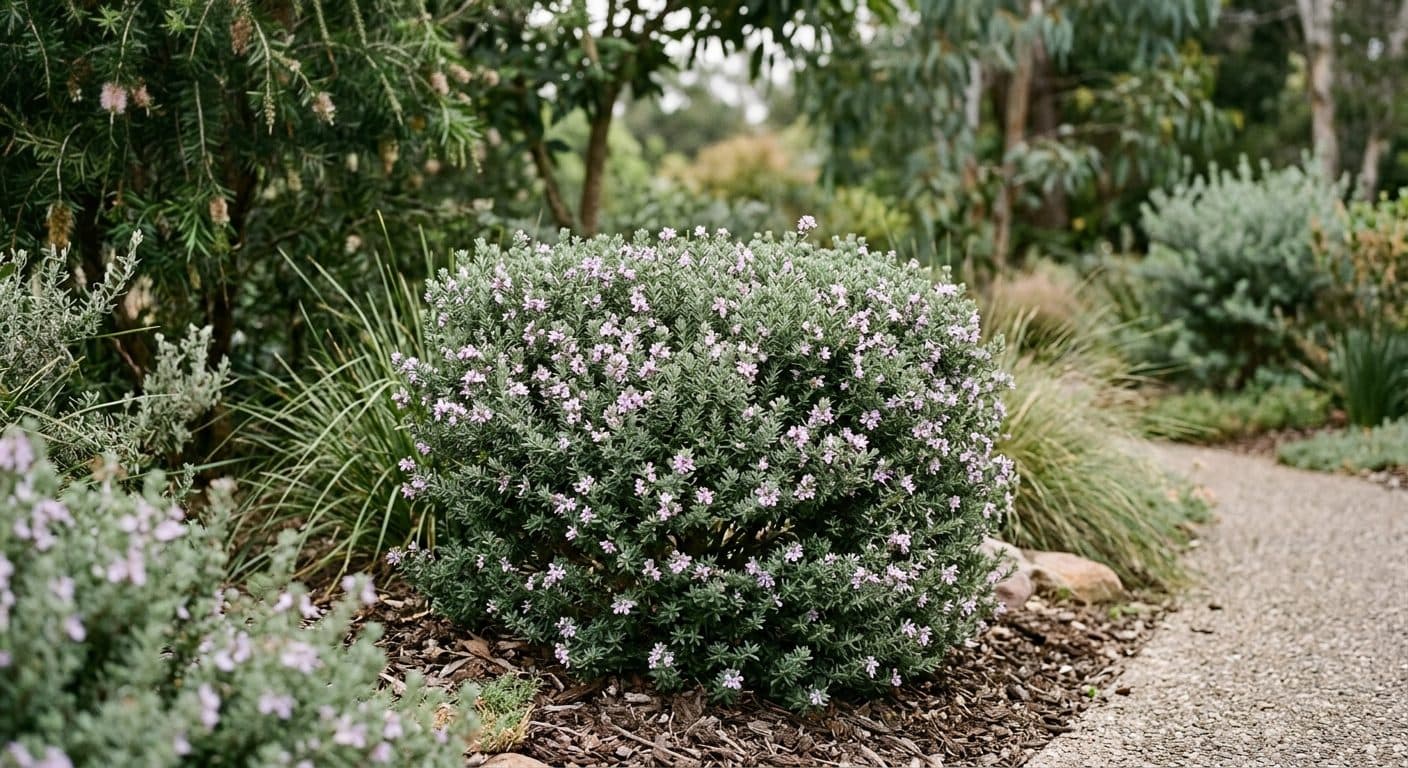
Behind that low edge is where the garden gets its personality. Cordyline (Cordyline) brings burgundy and pink tones that only deepen in strong poolside light, and it stays in its clump rather than sprawling into the walkway. Ornamental gingers (Alpinia) throw big, glossy, tropical leaves for that resort feeling, hibiscus adds a hit of true colour if you don't mind picking up the odd spent flower, and westringia (Westringia) is the grey-green, salt- and wind-tolerant all-rounder that clips into a soft mound and asks for next to nothing. A bromeliad (Bromeliad) or two threaded through the bright, dry pockets adds texture and looks after itself once settled.
Screening: the green wall behind the pool
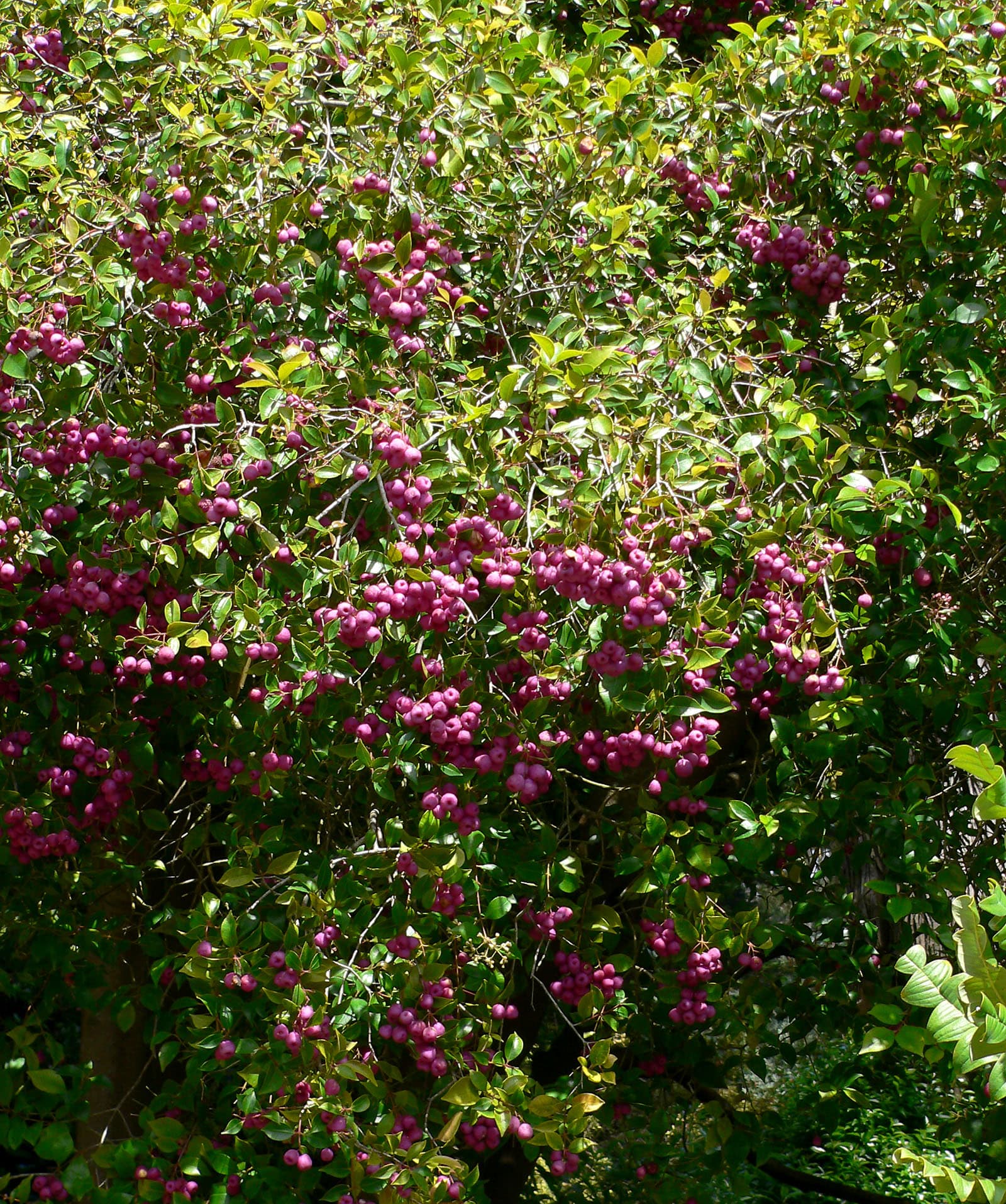
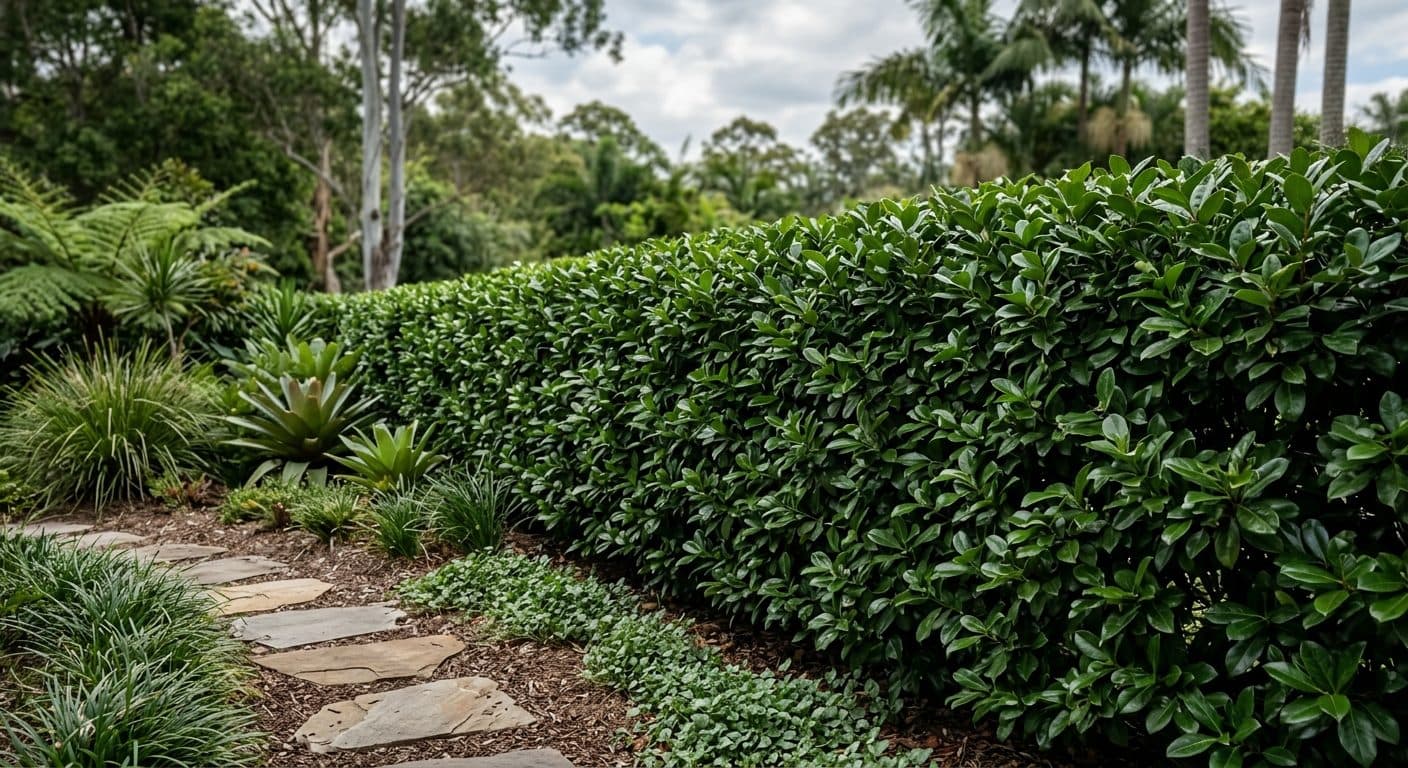
How you screen comes down to the look you're after. For a clean, formal hedge that reads as a wall of green, a low-maintenance lilly pilly (Syzygium) such as the psyllid-resistant 'Resilience' clips tightly and holds its shape, while a sweet viburnum (Viburnum odoratissimum), such as the 'Dense Fence' form, does much the same job with a slightly softer leaf, and both are tidy enough to sit near a pool without feeding the skimmer. If you'd rather a looser, more relaxed screen, lean on the medium layer above and let it grow into the gaps. Whichever way you go, keep the mature width in mind so the hedge isn't crowding the coping in five years.
The palm question
You can't write about Brisbane pool gardens without the golden cane palm (Dypsis lutescens). It was the classic poolside palm decades ago and it's a genuine love-it-or-hate-it plant now, so this one is personal preference more than horticulture. If you love the soft, clumping, resort screen it gives then it still earns a place, just know that it's thirsty, browns off if it dries out in a hot spell, widens every year and sheds fronds that find the water, so I use it as one layer inside tougher planting rather than the whole show.
The one to keep away from the coping
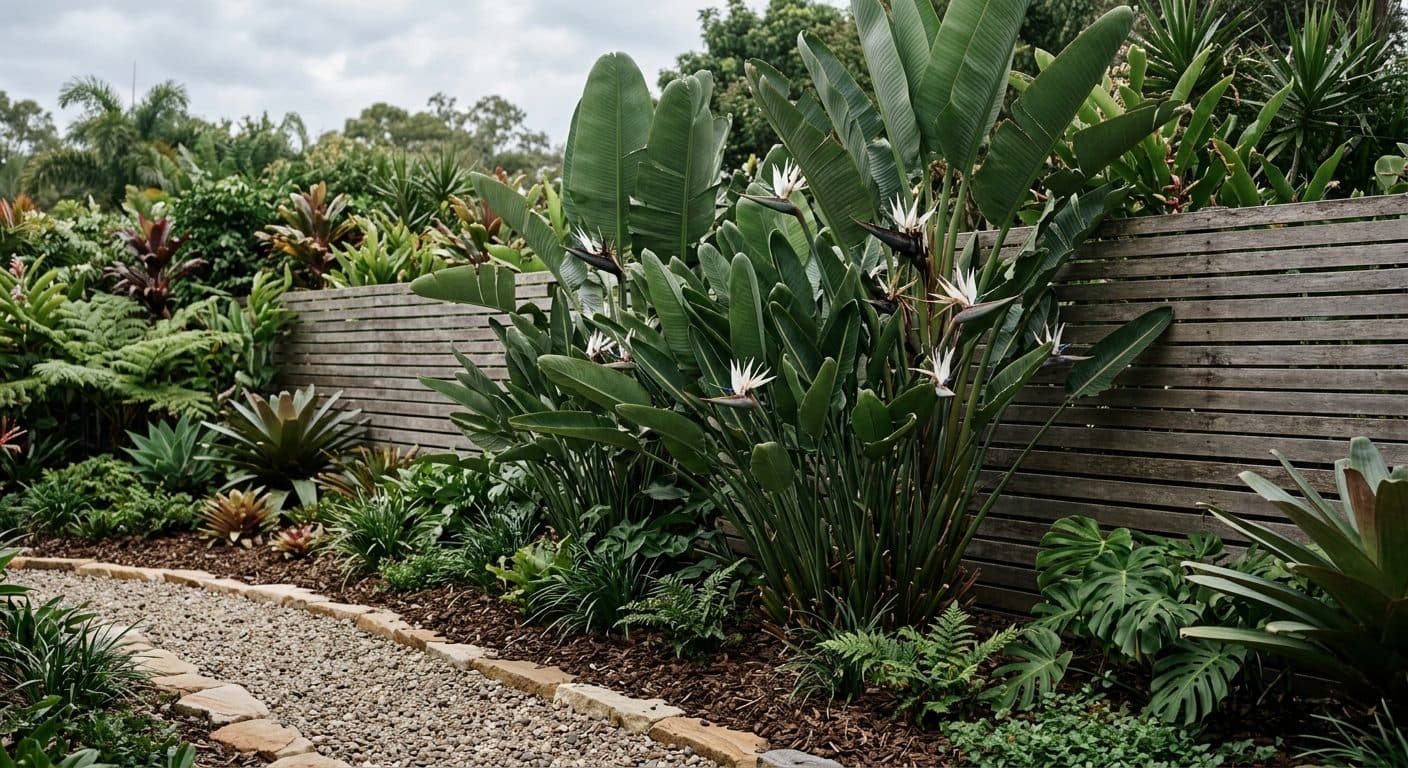
Bird-of-paradise deserves a word of warning, and it comes down to which one you buy. The tidy clumping bird-of-paradise (Strelitzia reginae) is a lovely poolside plant, tough in the heat and glare with those pure-holiday paddle leaves, and its roots stay in proportion to it. Its giant cousin, the giant bird-of-paradise (Strelitzia nicolai), is the one to be wary of: it's often sold under the same common name, but it grows to several metres and carries a vigorous, genuinely intrusive root system that can lift paving and push at pool coping and pipes over time. So check the label before you plant, keep the giant well away from the pool and any hard edge (or skip it on a tight surround), and lean on the reginae or the other clumping, fibrous-rooted plants here that stay in their lane. That same caution rules out the classic offenders generally, the vigorous figs and anything that chases moisture towards the shell and plumbing, because get it wrong and the repair isn't a gardening job, it's a paving job.
Pulled together, a good Brisbane poolside bed is layered rather than lined up: tough evergreen groundcover at the water's edge for zero litter, colour and structure behind it, a tidy low-maintenance screen for privacy, and any palms held back as the soft green backdrop they're best at. It's the same layering logic I use across tropical garden design, and it's what keeps a pool garden looking like a holiday instead of a maintenance roster. If the pool is part of a bigger entertaining space, my outdoor entertaining design page covers how the planting, paving and shade work together.
Working out that splash zone in person is exactly what a Design Discovery Consultation is for, and if you'd like the wider palette, my guide to the best plants for Brisbane gardens sorts the rest by the job each plant does.
Ready to start designing?
We're currently taking on new landscape design clients across Brisbane. Reach out for a personalised quote, whether you're a homeowner or a design professional.
Book a Free Discovery Call