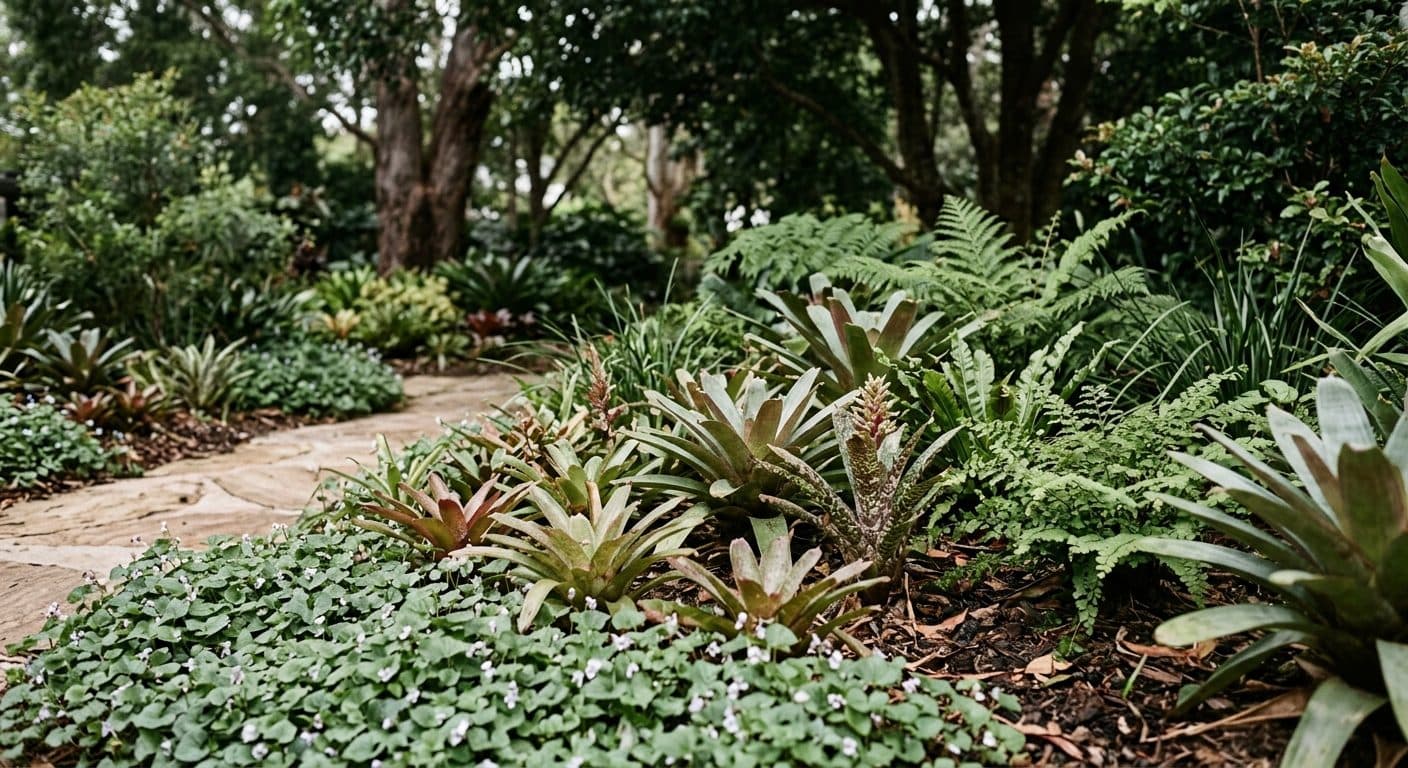
Yes, you can have a garden in the shade. How I read Brisbane's shade types, the plants that thrive there, and what to do when the lawn gives up.

By Shannon Trevisiol, Landscape Designer, Brisbane · 4 min read
- Shade is not one condition, so I read whether it's dry rain shadow, dappled gum light or seasonal southern shade before choosing a single plant.
- I lean on genuinely shade-happy performers like native violet, dianella, cast iron plant and bromeliads rather than sun-lovers forced into the dark.
- If turf keeps dying under three to four hours of sun, I stop replanting lawn and swap in a groundcover, gravel and steppers, or a deck.
- Texture carries a shade garden the way flowers carry a sunny one, which is what turns the coolest corner into the best room in the garden.
Can you have a garden in the shade? Yes, and in Brisbane the shady corner often ends up as the best part of the block, because from November to March it's the only place anyone genuinely wants to sit. Shade gardens fail here not because shade defeats plants but because we put sun-lovers in the dark and then blame them for sulking. Read the light properly, choose plants for the conditions you actually have, and a shade garden in Brisbane will beat a baking one on comfort every single February.
Reading the shade you actually have
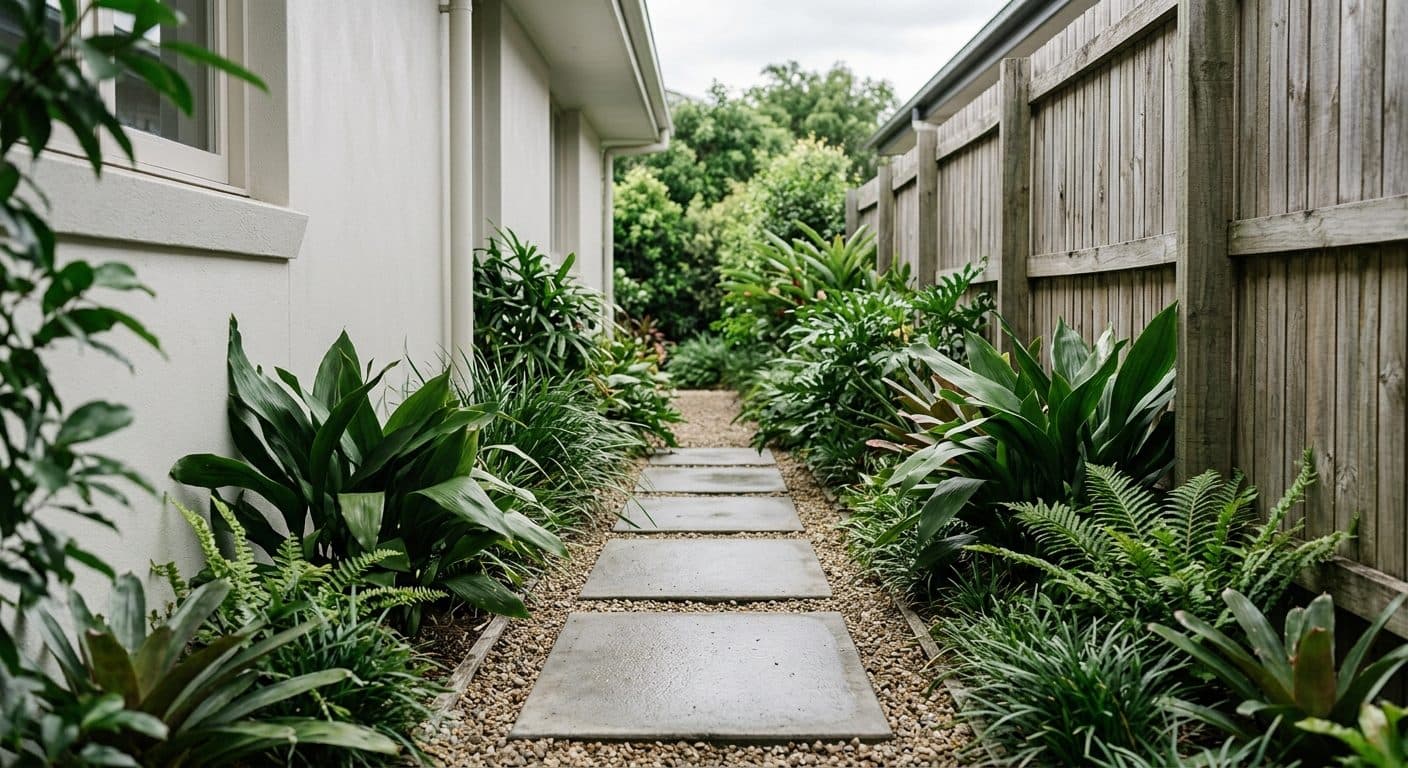
Shade isn't one condition, and the word on a plant label is doing a lot of work. The space under a Queenslander is the harshest version, a dry and dusty rain shadow where water rarely lands and light arrives sideways. Under gum canopy you get bright, dappled light but ferocious root competition, since the trees drink first and leave the soil lean. The southern side of a house is pleasant and evenly lit through summer, then properly dark in winter once the sun settles into the northern sky. And the newest kind, the shadow of a neighbour's second storey, usually means part-day shade with full sun until lunchtime and none after. Each of these grows a different palette, which is why shade plants bought as a job lot so often disappoint.
Shade plants that genuinely thrive in Brisbane
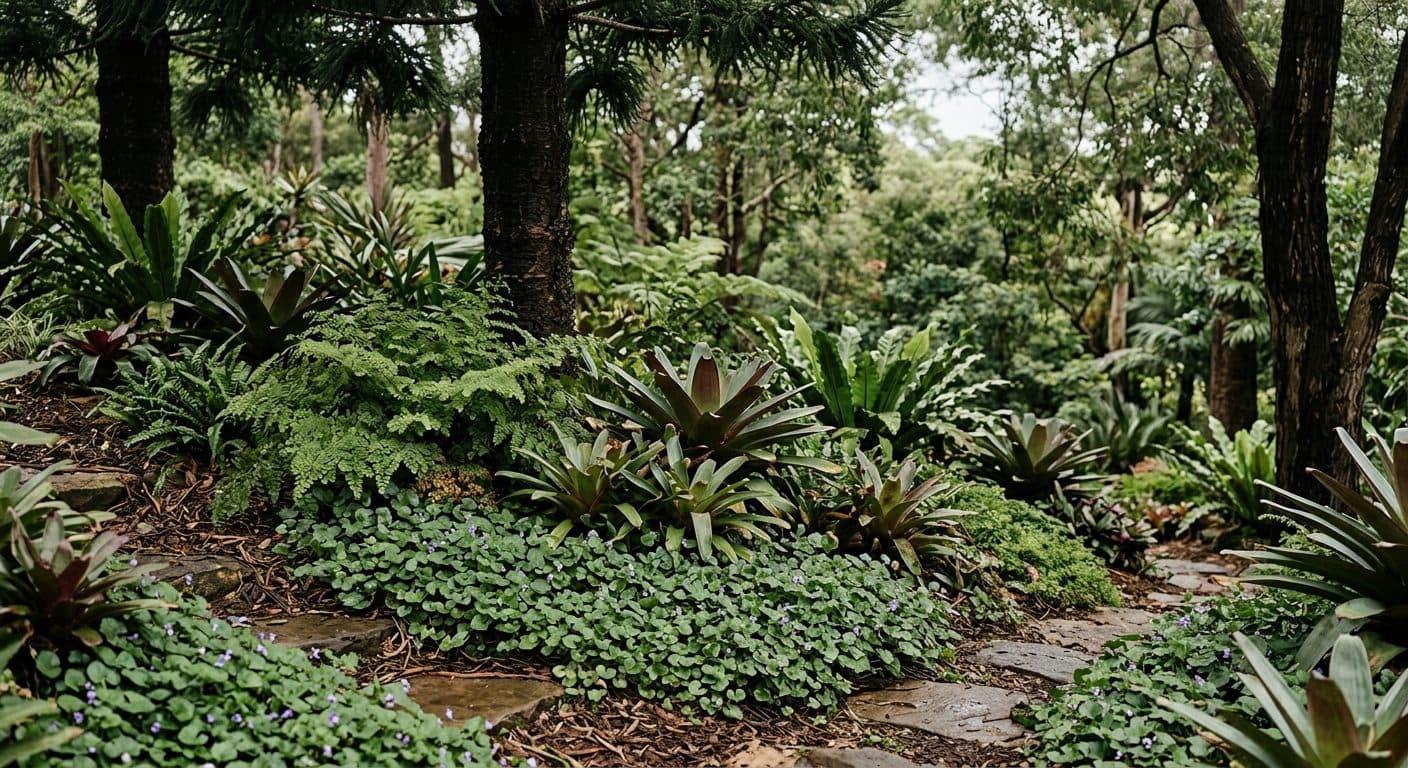
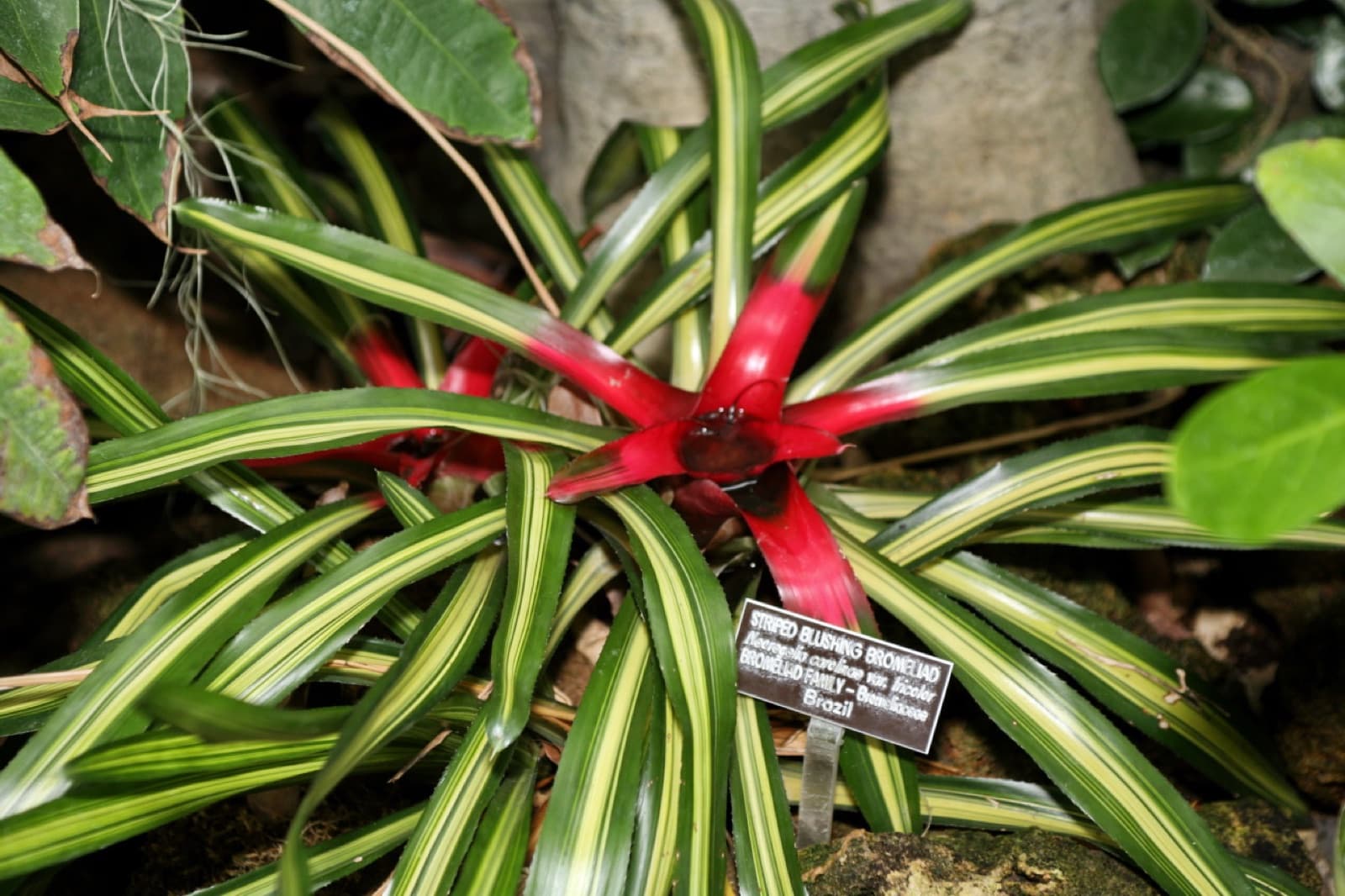
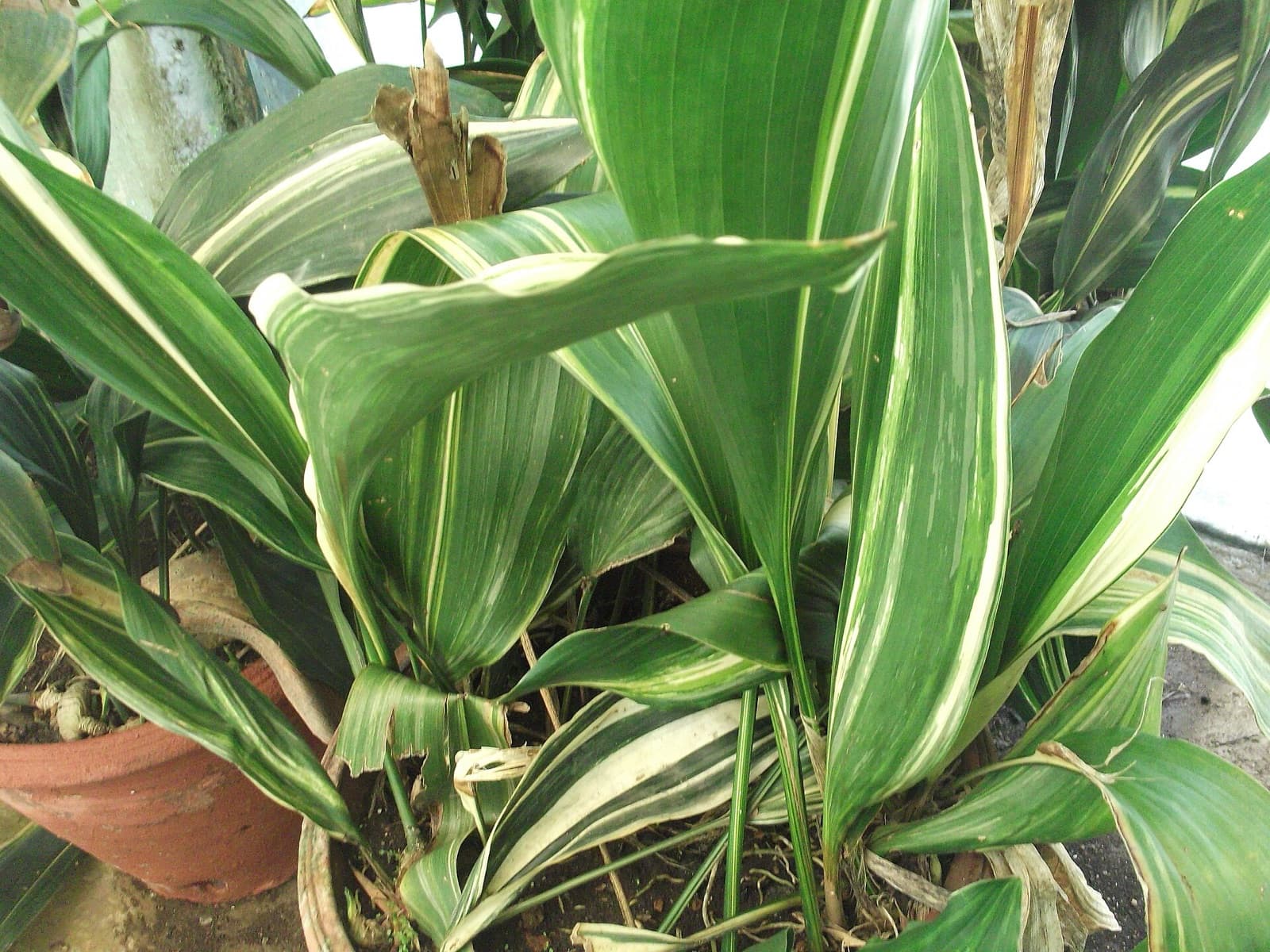
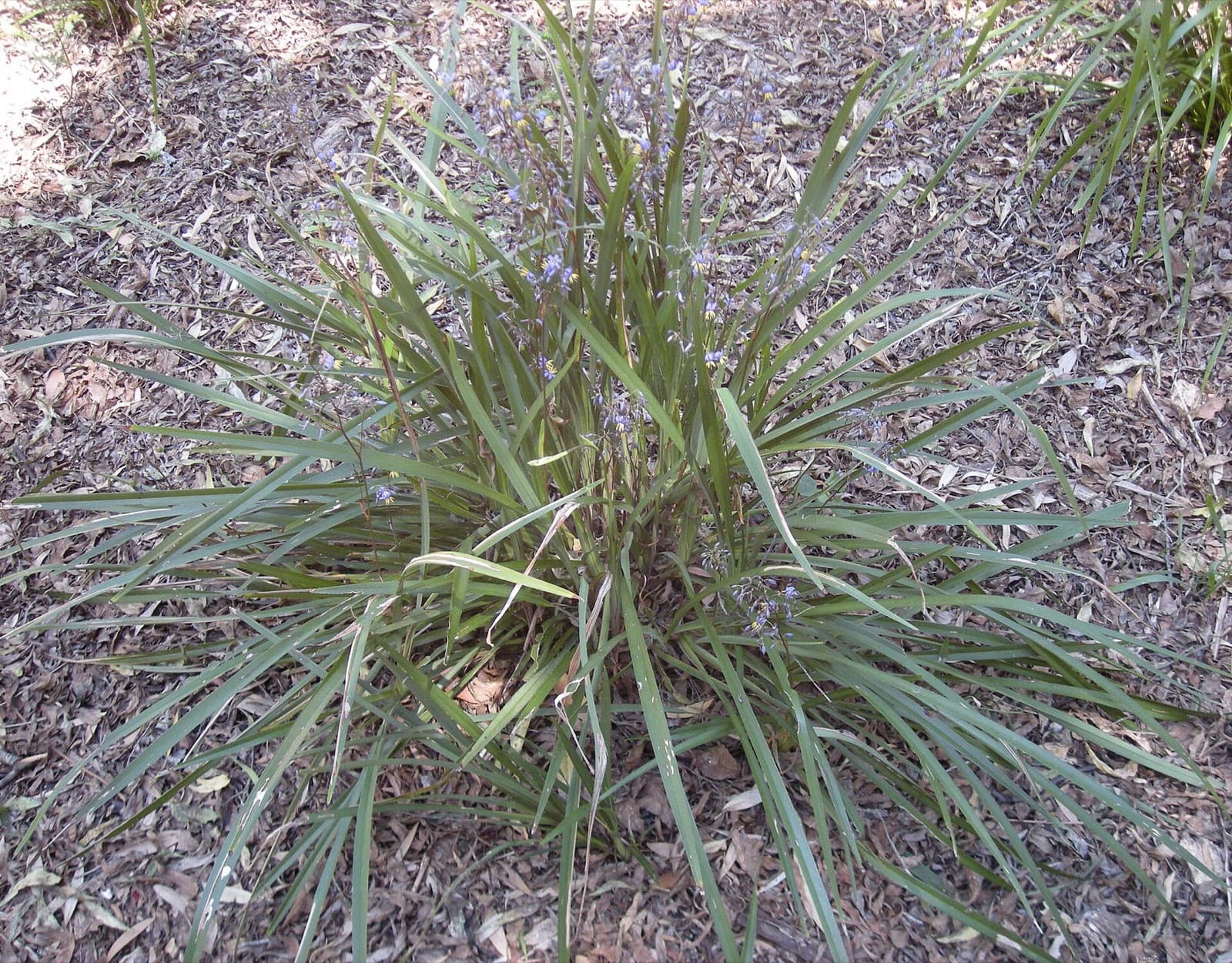
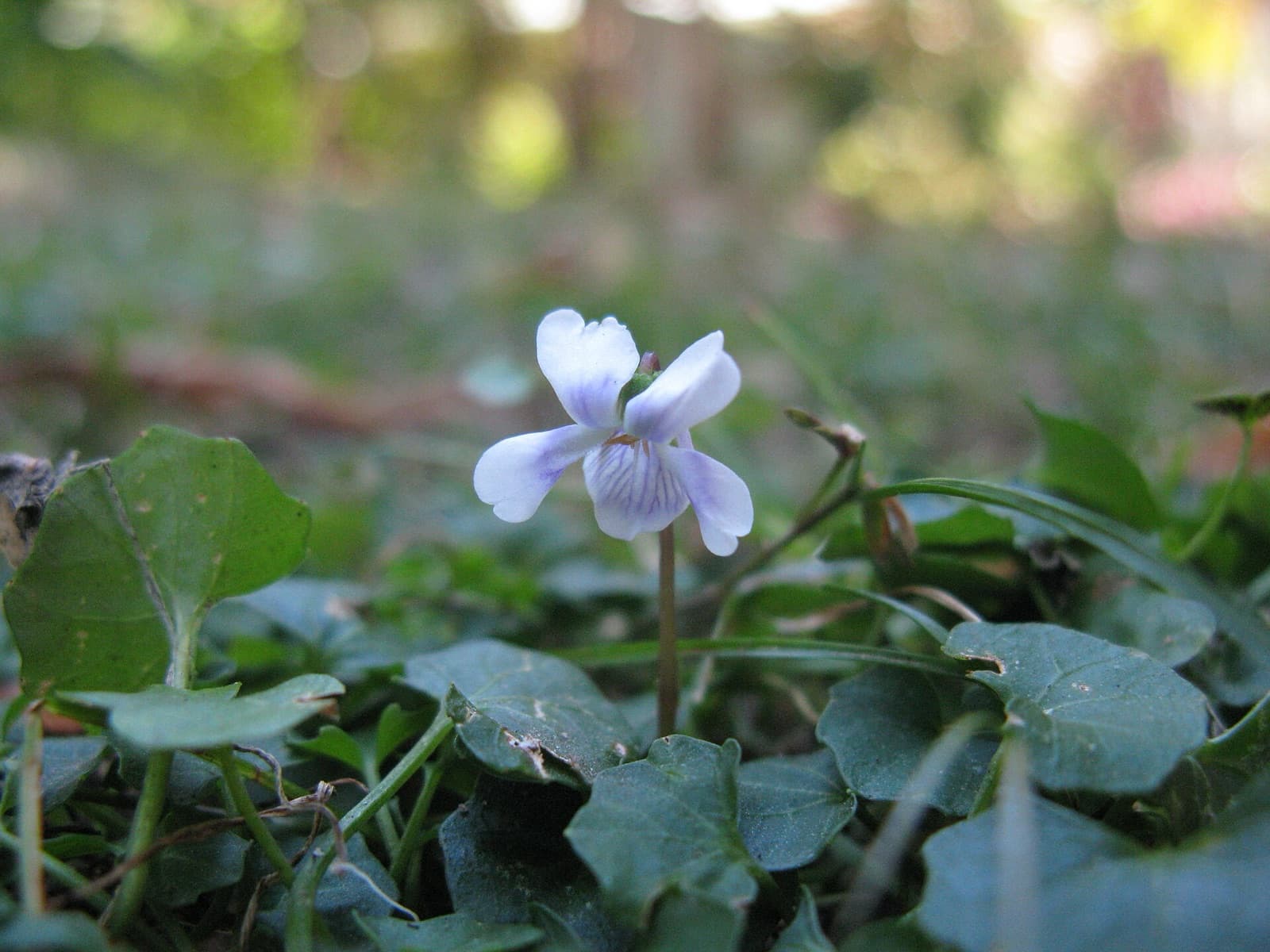
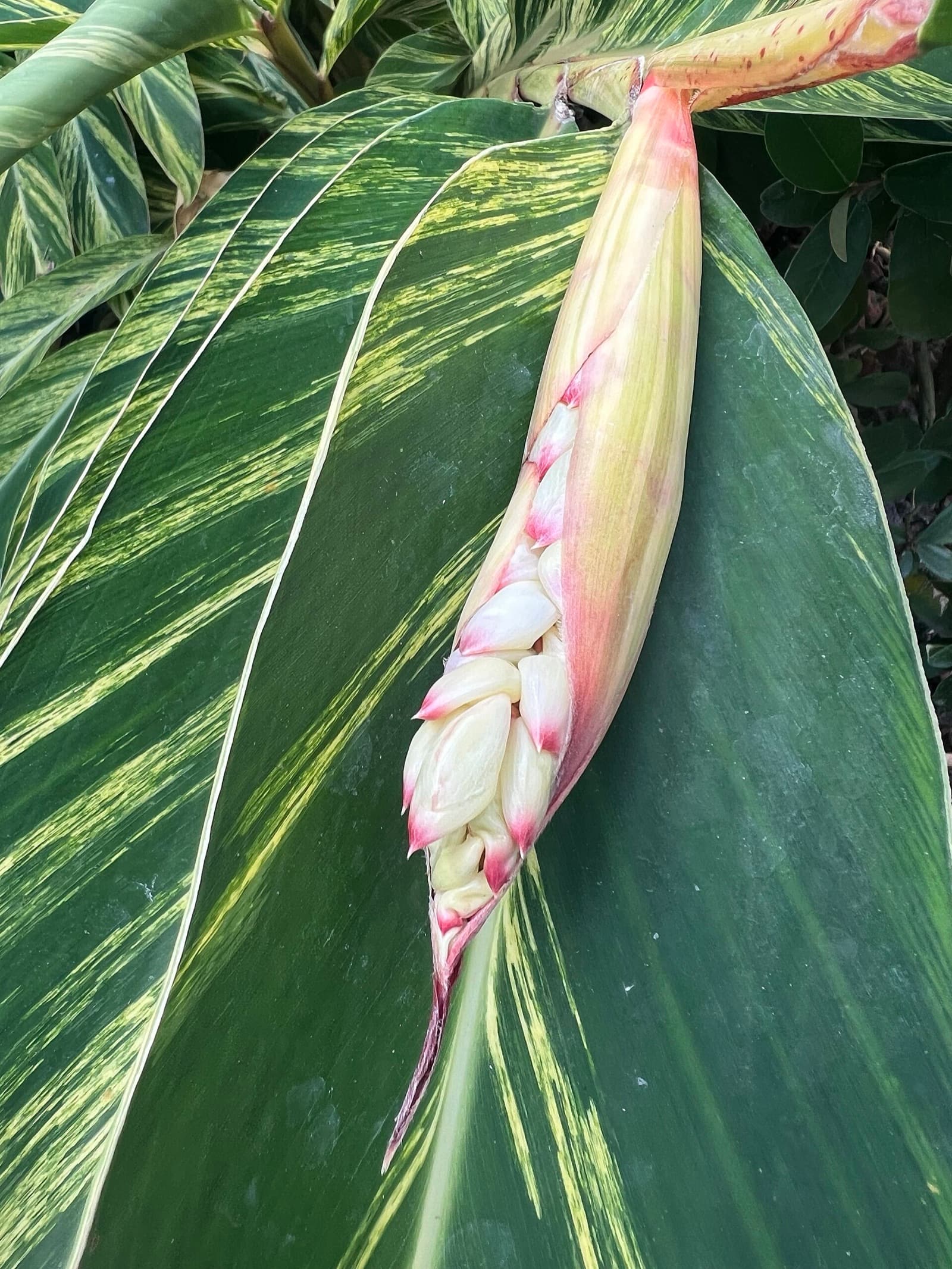
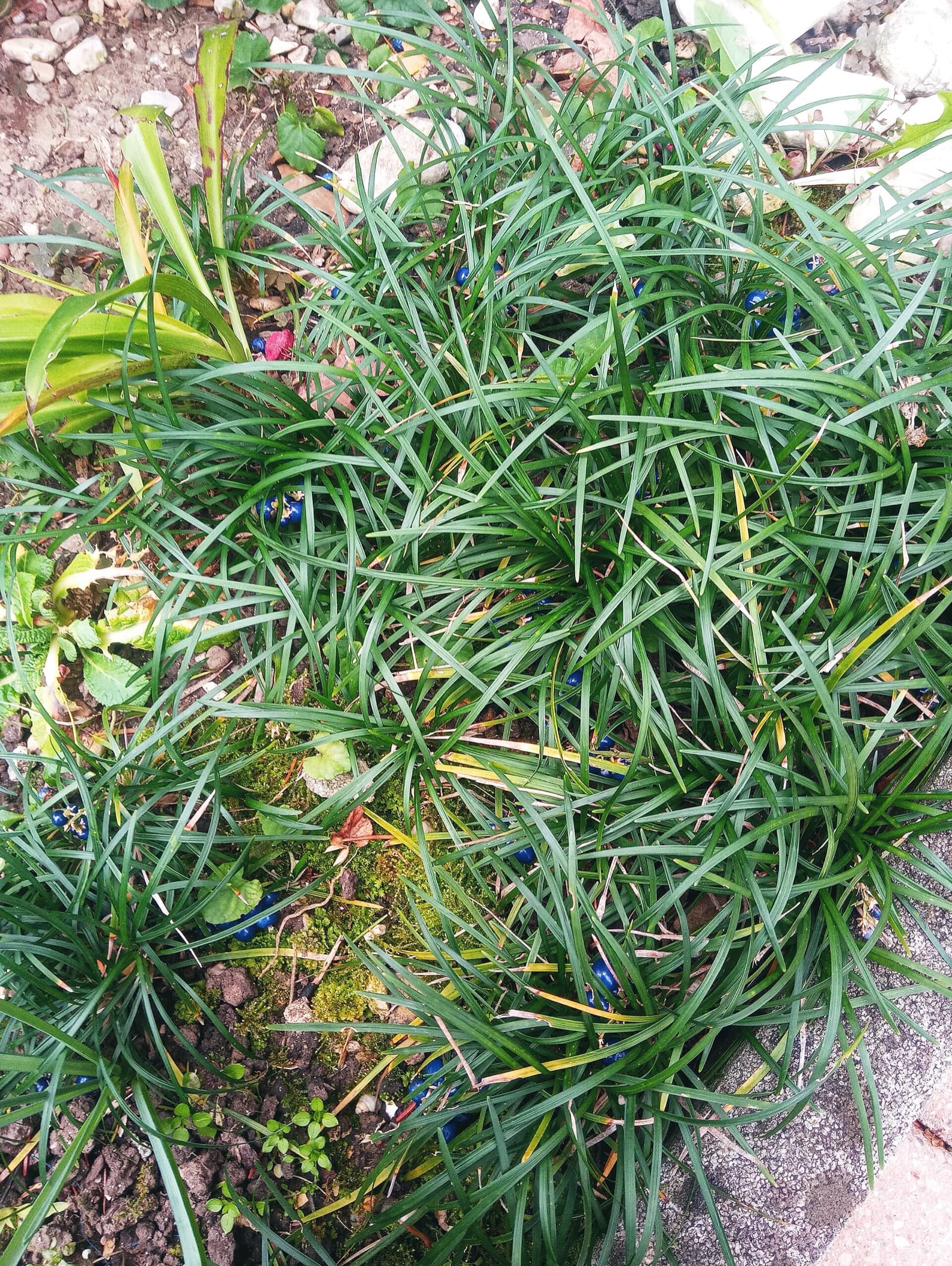
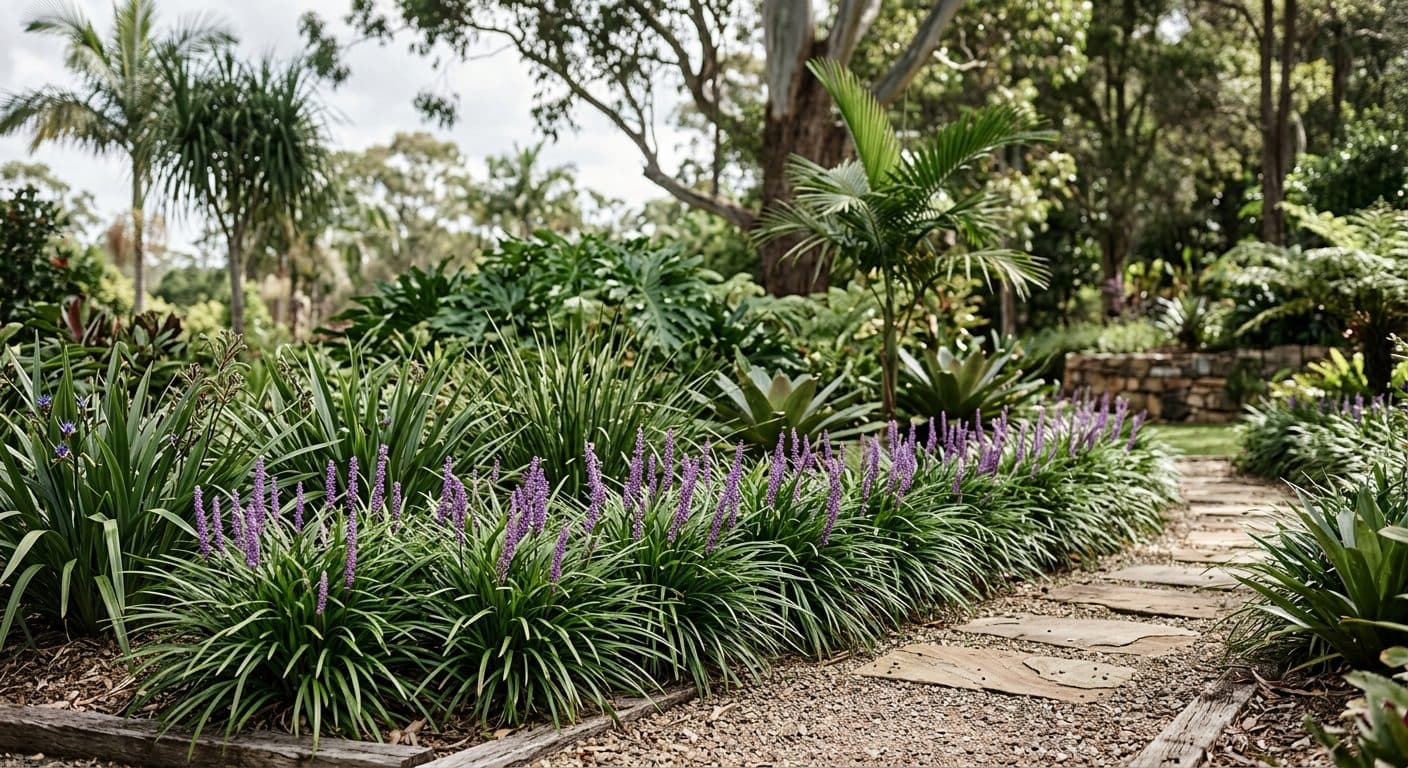
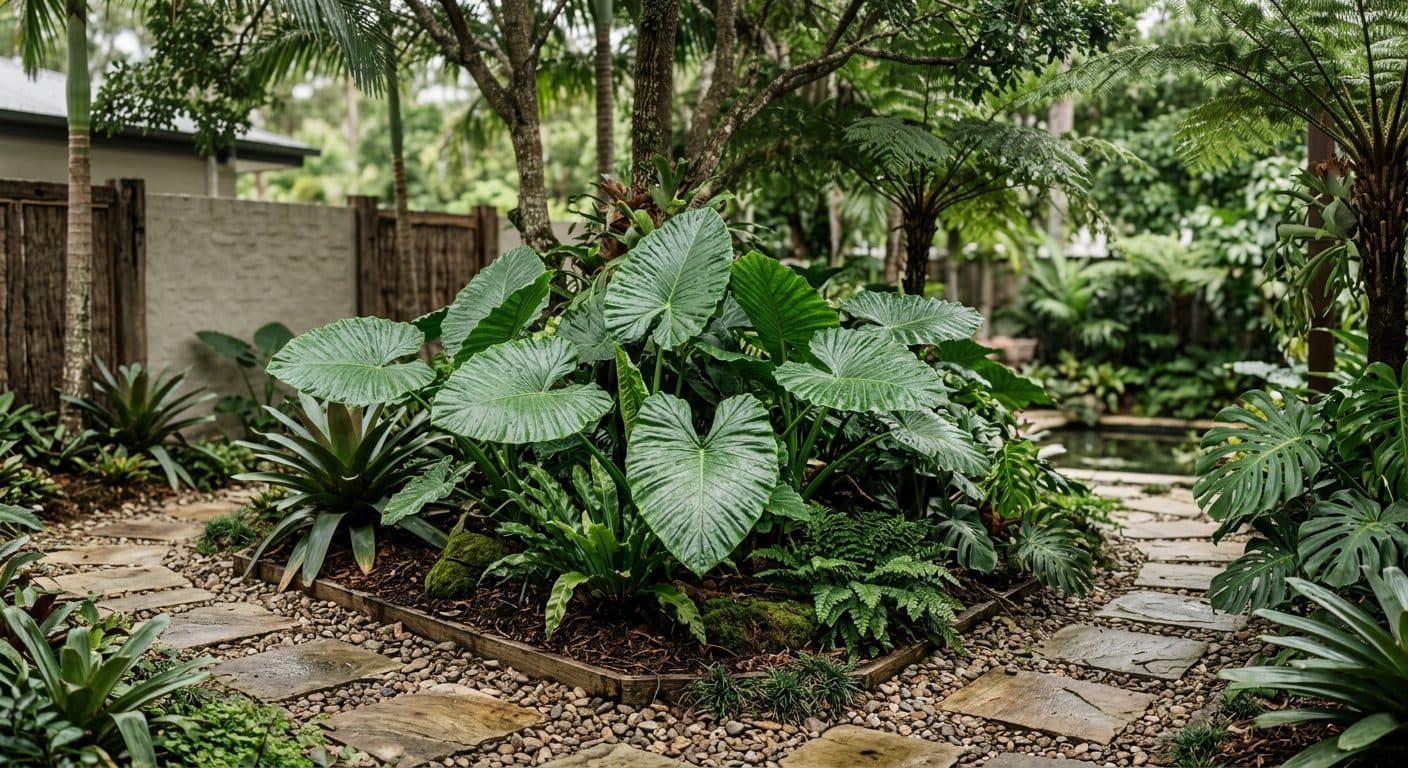
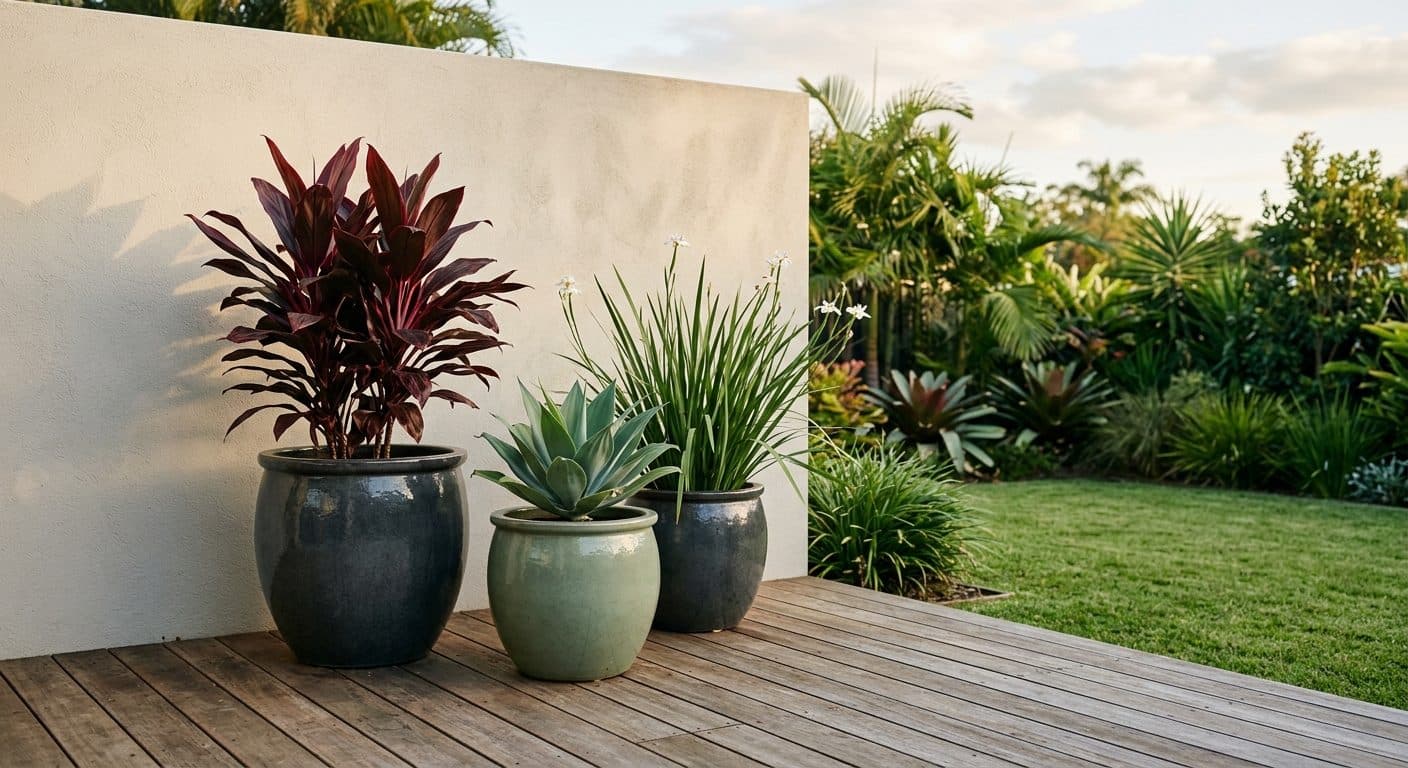
Native violet is my starting point wherever there's a little moisture, spreading into a soft mat with white-and-purple flowers for most of the year and taking light foot traffic in its stride. Dianella cultivars like 'Little Jess' bring strappy structure to dappled light and handle the root competition under gums better than almost anything else. In the deep, dry dark under the house, the cast iron plant earned its name by surviving exactly there and still has no serious rival. Bird's nest ferns look extravagant while asking for very little, native ginger fills moist shade with broad leaves and edible blue fruit, and bromeliads are the answer beneath palms, because they hold their own water in the tank of their leaves and stay out of the root fight entirely. Maidenhair ferns, for the record, are best admired in other people's gardens.
Why the lawn keeps dying and what replaces it
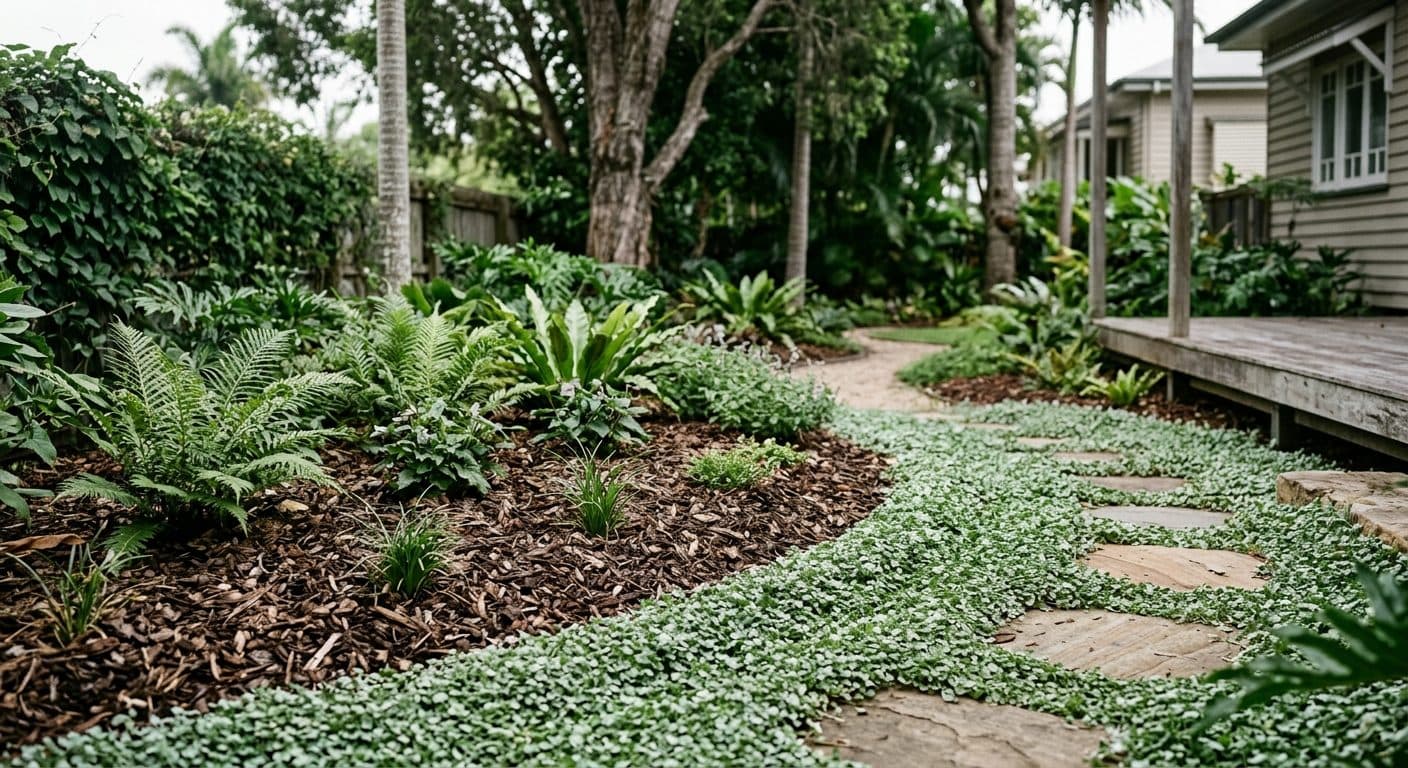
The hardest conversation in a shade garden is usually about turf. Even the shade-tolerant buffalo varieties want roughly three to four hours of direct sun a day, and below that no amount of seed, fertiliser or optimism changes the result: the grass thins, moss and weeds move in, and each wet season turns the patch to mud before the mower can get near it. The kinder move is to stop replanting lawn and replace it with something that wants to be there. Native violet or dichondra will give you a walkable green surface in light shade, gravel with steppers drains beautifully under trees where roots make digging impossible, and a simple deck floats over the root zone without a fight. A mulched garden bed, meanwhile, can turn the darkest strip along a fence from a mud problem into the lushest planting on the block.
Designing shade as the best room in the garden
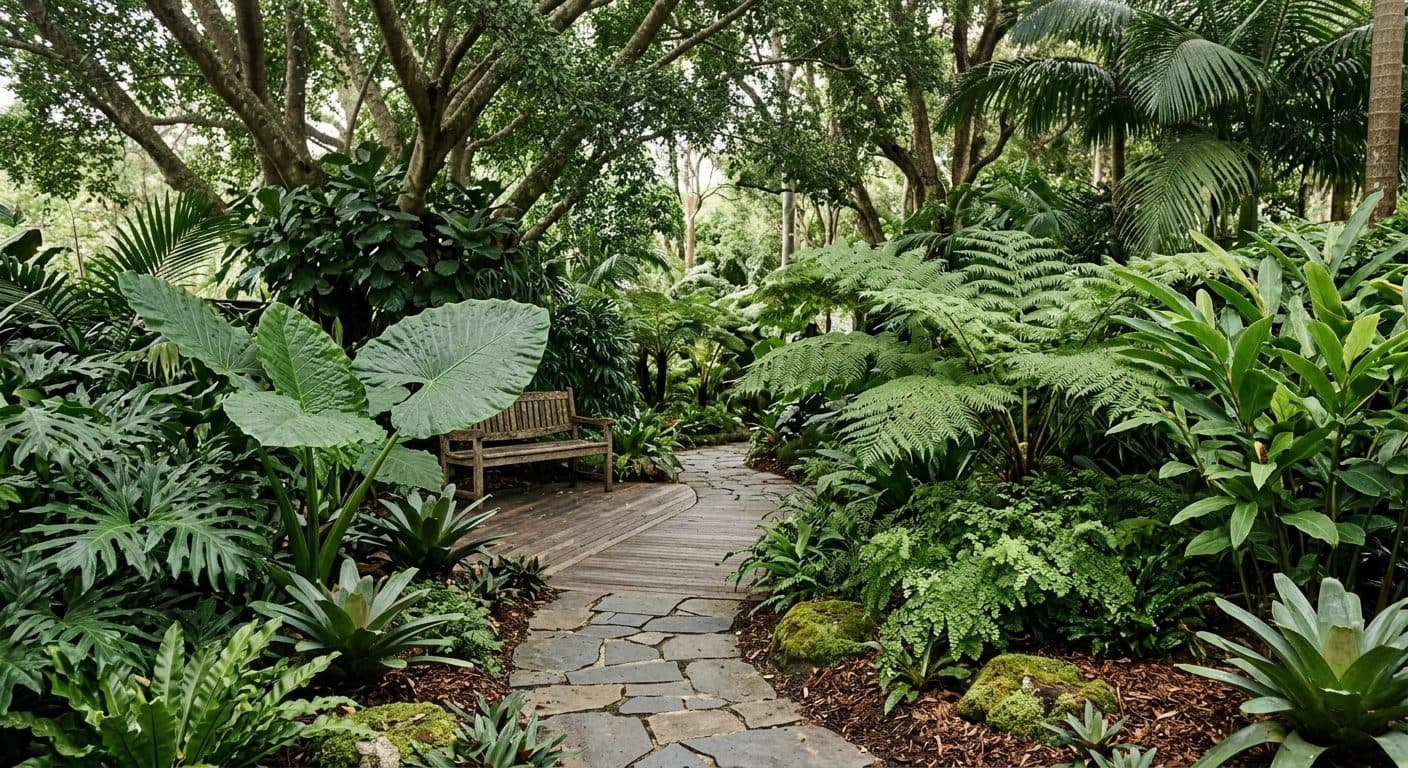
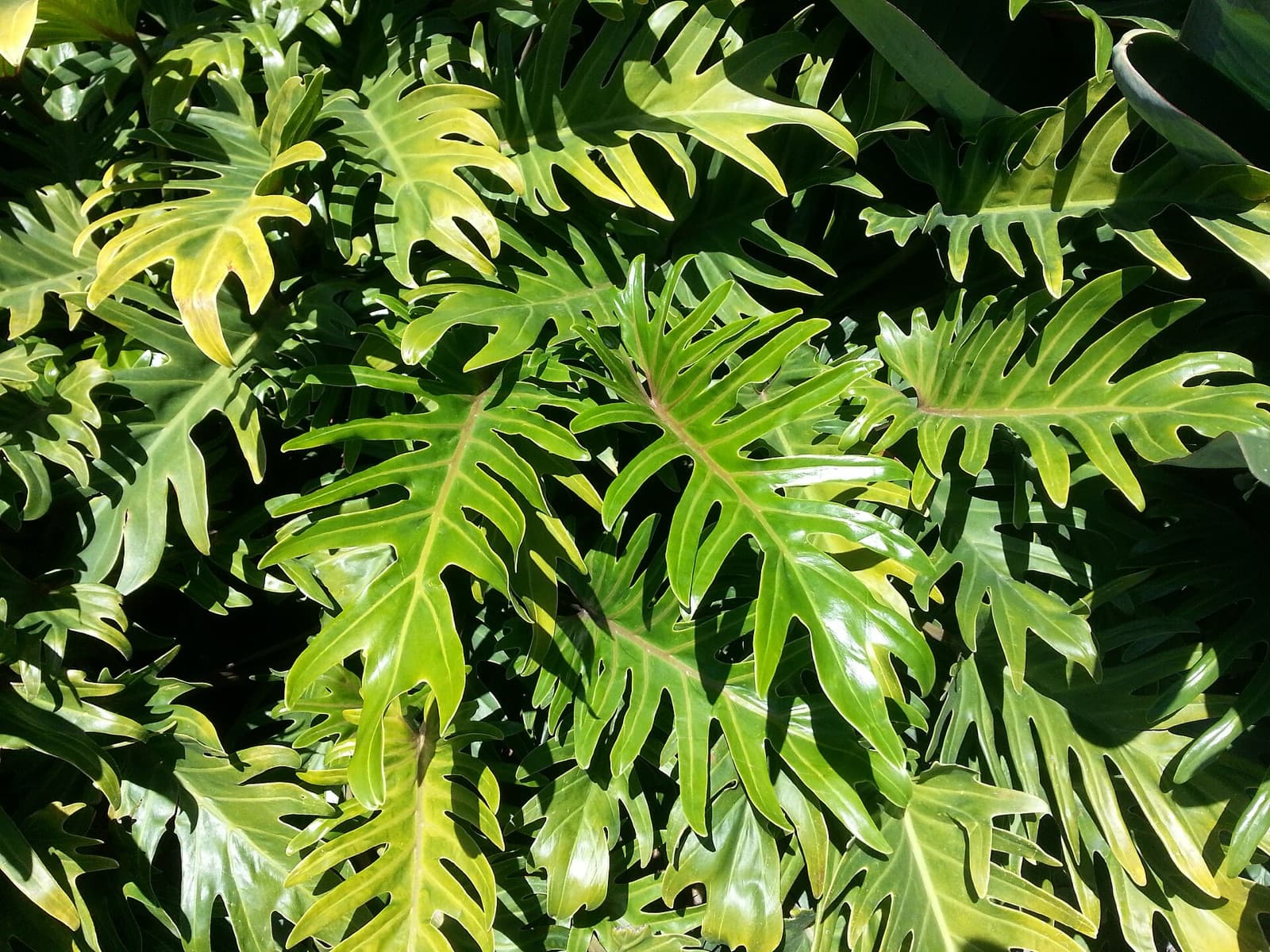
Once you stop mourning the sun, shade becomes the asset it always was, and in a subtropical climate a cool green retreat is worth more than another sunny deck. Texture carries a shade garden the way flowers carry a sunny one, so I contrast big leaves against ferny ones and let a dozen shades of green do the talking, with white flowers and pale foliage placed where they'll glow at dusk. The Japanese tradition has treated shade as a design material for centuries, and if that restraint appeals to you there's a whole approach worth borrowing from in Japanese garden design. In gum-country suburbs like The Gap, entire gardens live happily under eucalypt canopy, which is proof enough that deep shade can carry a whole garden rather than merely surviving at its edges.
If you'd like the sunnier parts of the picture too, my guide to the best plants for Brisbane gardens walks through the wider palette job by job. And if you'd rather someone read your particular shade patterns on site before you spend a dollar on plants, that's the job a Design Discovery Consultation was made for.
Ready to start designing?
We're currently taking on new landscape design clients across Brisbane. Reach out for a personalised quote, whether you're a homeowner or a design professional.
Book a Free Discovery Call