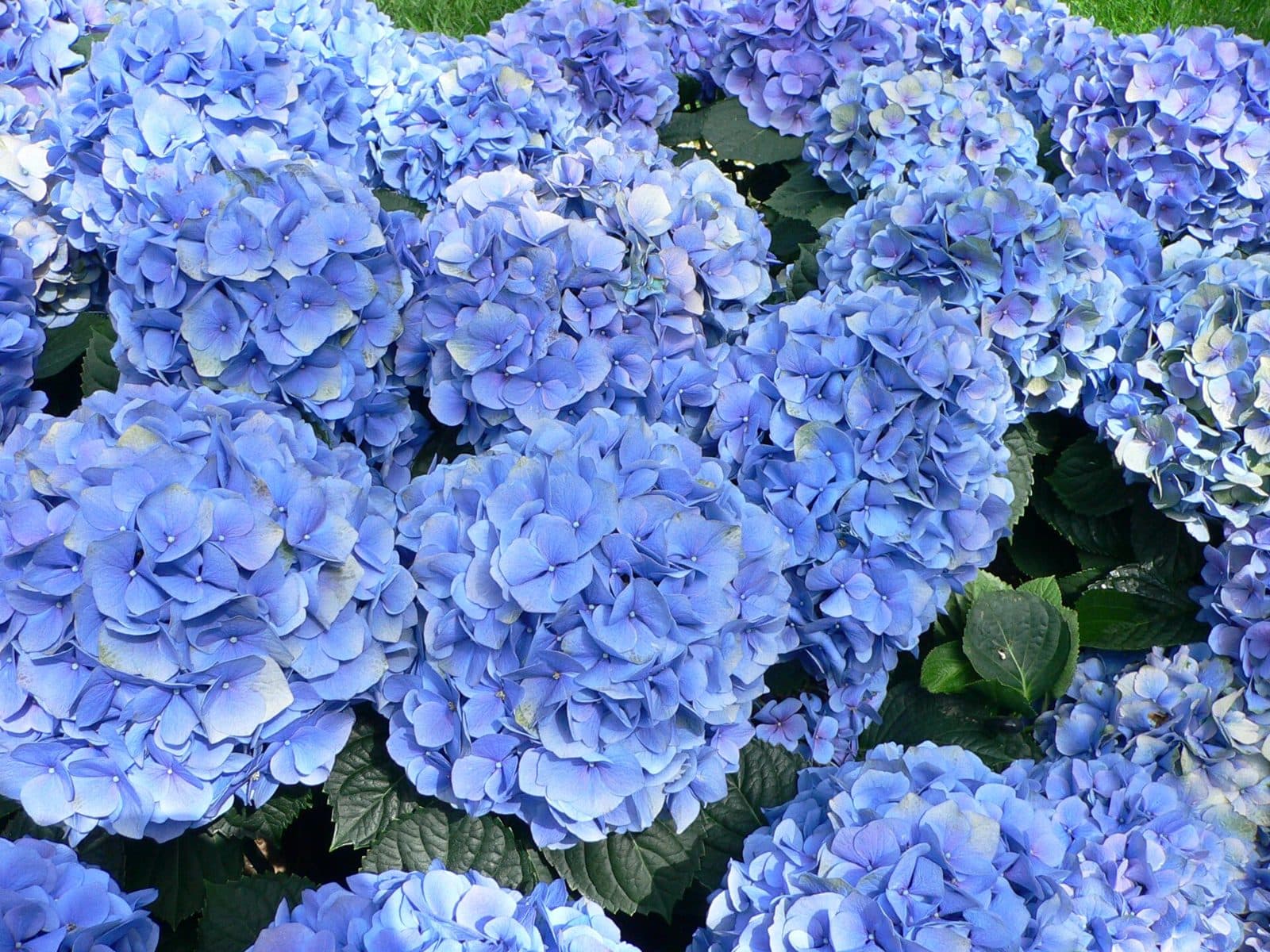
Hydrangea macrophylla, the big-headed shade shrub whose blooms can be steered blue or pink by the soil beneath them.
Hydrangea macrophylla · Also known as Hortensia, Mophead Hydrangea, Lacecap Hydrangea
The hydrangea is the classic mophead of the cottage and Hamptons palette: broad heads of flower carried over big, soft green leaves, cool and generous through the warm months. It reads as an old-fashioned favourite, and that is exactly its appeal, a shrub that softens a shaded corner and holds a whole scheme together with mass rather than fuss.
It also has a reputation for being difficult in Brisbane, which is unfair. Almost every hydrangea that struggles here has simply been planted in the wrong light. Get the position right and it is one of the easiest, most rewarding shade shrubs we grow, and the one plant whose flower colour you can genuinely change on purpose.
In a Brisbane garden
Light is the whole game here. A hydrangea in full Brisbane afternoon sun wilts by lunchtime and scorches at the leaf edges, and no amount of watering fully fixes it. What it wants is morning sun with afternoon shade, or bright dappled shade all day, ideally on the cooler south or east side of the house or tucked under a high canopy. Given that, the same plant that looked miserable in the open sits fresh and full through a subtropical summer.
Water is the second key, and the clue is in the name, which comes from the Greek for water. Those big soft leaves lose moisture fast in our heat, so the plant flags quickly and needs consistently moist, humus-rich soil and a generous mulch to hold it. The third key is colour. On Hydrangea macrophylla, flower colour tracks soil pH: acid soil turns the heads blue, alkaline soil turns them pink, and you can steer it, adding aluminium sulphate to push blue or garden lime to push pink. White cultivars stay white regardless. Prune mopheads after flowering, cutting back to a strong pair of buds on the old wood, since that is where next season's flowers come from.
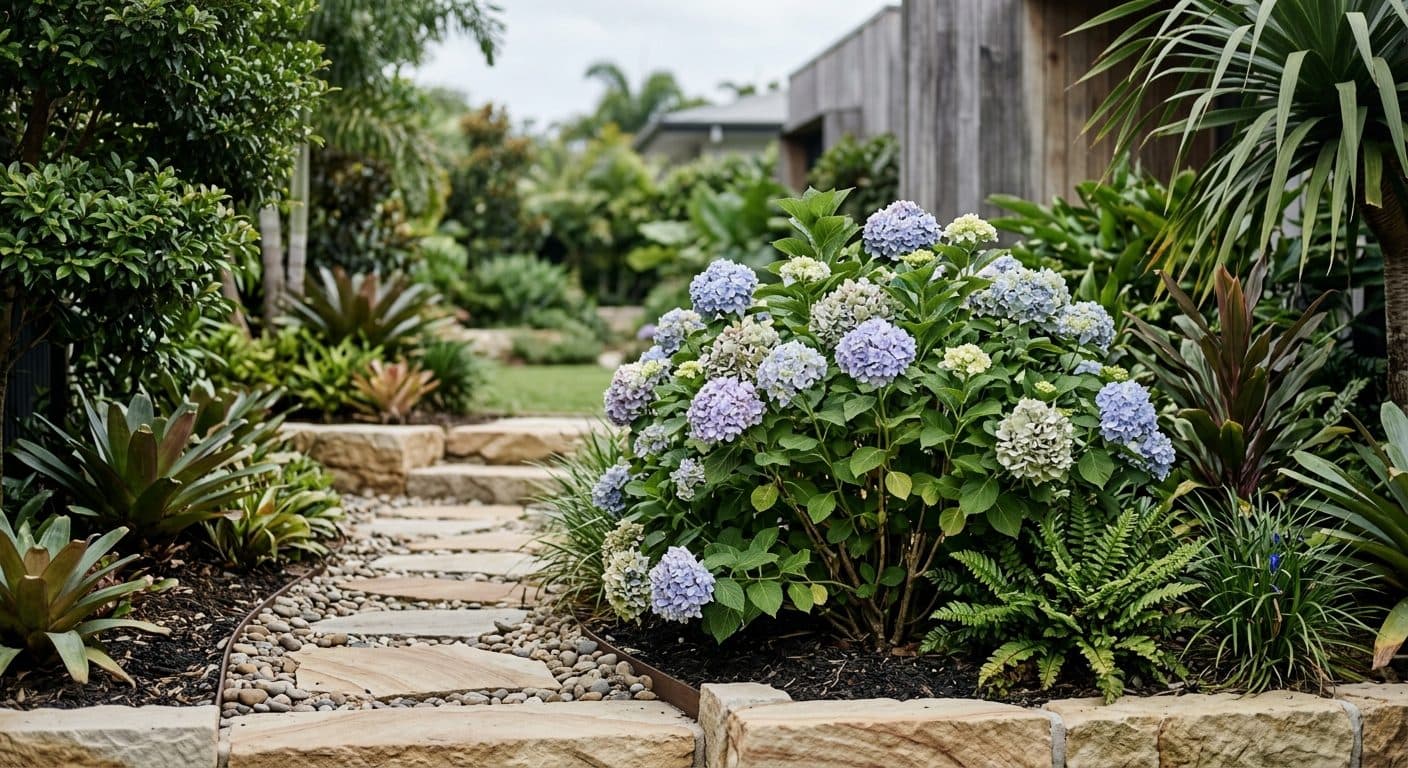
Photo: Raul654, CC BY-SA 3.0, via Wikimedia Commons
How we design with it
We use the hydrangea for cool, shaded mass. It is a natural fit for the Hamptons look, where blue or white mopheads massed along a fence or against weatherboard do the heavy lifting, and it is one of the first shrubs we reach for when planning a shade garden under established trees. In a looser cottage garden it brings the old-world softness the style is built on.
Plant it in drifts rather than as single specimens; the effect is in the mass of flower, not the individual bush. It sits beautifully under high canopy, along a shaded fence line, or in a courtyard that only catches morning sun, and it pairs well with other white-flowered shade shrubs such as the gardenia. Because the light and drainage need to be right from the start, this is exactly the kind of placement we work through in a design consultation before anything goes in the ground.
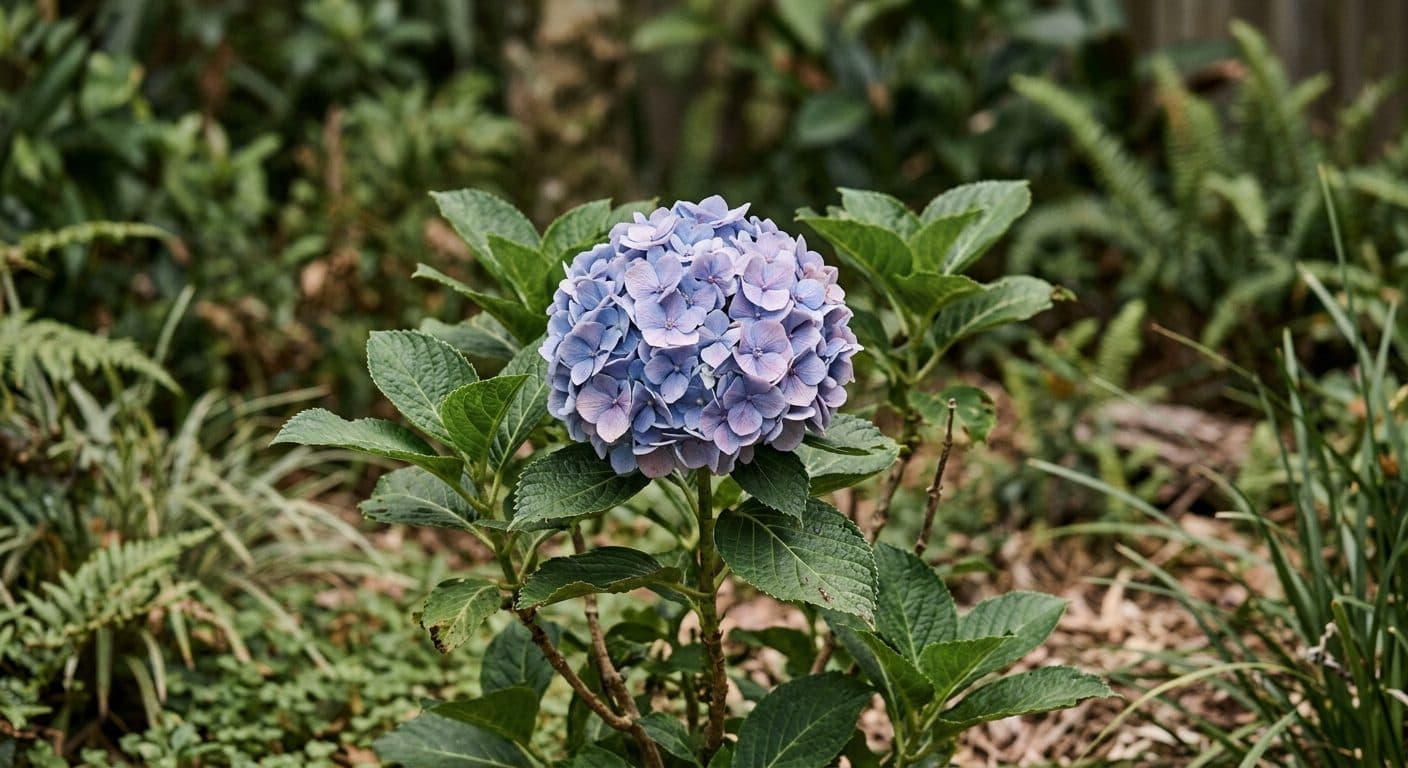
Where we write about hydrangea
Common questions
Want a shaded corner planted properly?
We're currently taking on new landscape design clients across Brisbane. Reach out for a personalised quote, whether you're a homeowner or a design professional.
Book a Free Discovery Call