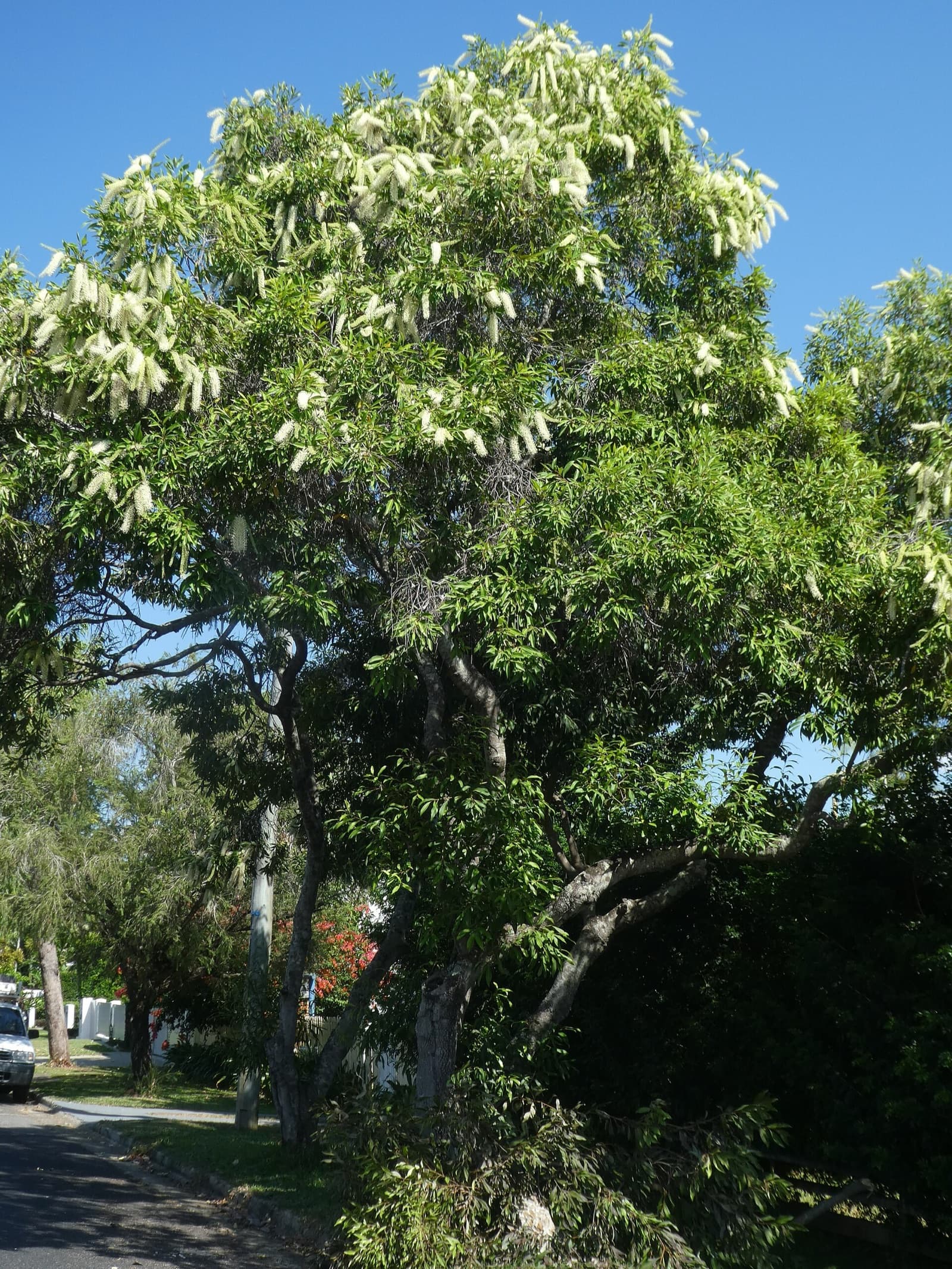
Buckinghamia celsissima, a rainforest feature tree that hangs itself with fragrant cream flowers in the late-summer heat.
Buckinghamia celsissima · Also known as Ivory Curl Flower
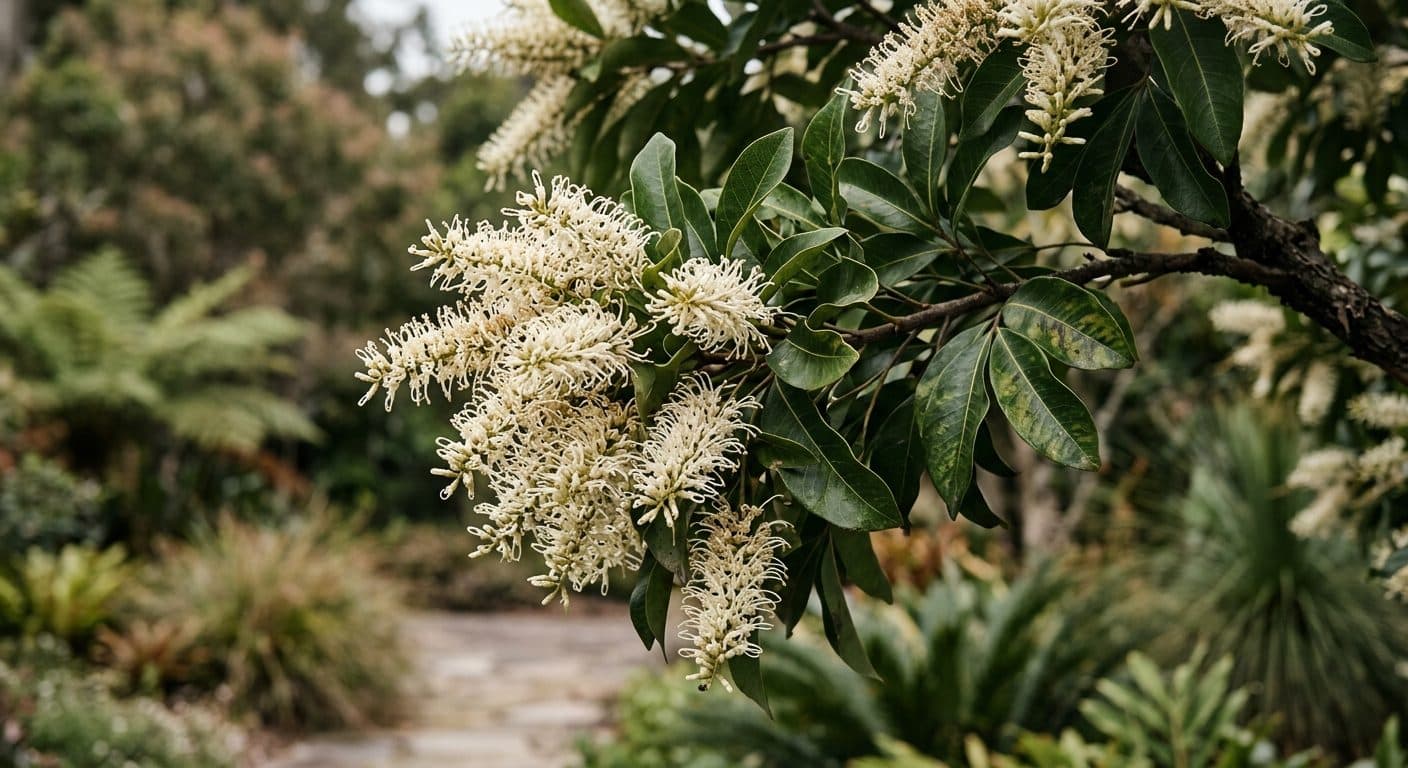
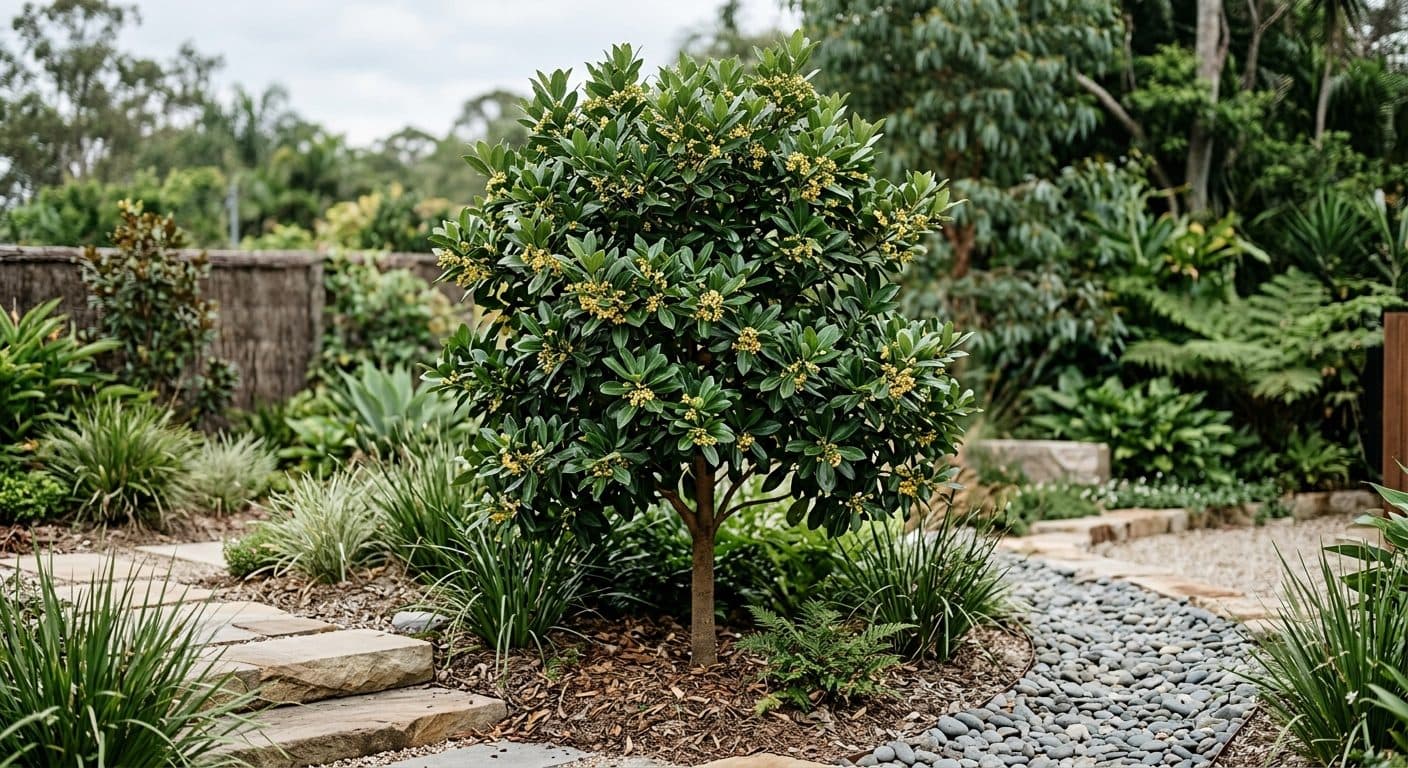
The ivory curl tree is one of the quiet stars of Queensland's own rainforest, an evergreen with handsome glossy leaves that spends most of the year as a well-mannered green feature and then, in the late-summer heat, covers itself in long curling sprays of fragrant cream flowers. The blooms give it both its common names, ivory curl tree and ivory curl flower, and they arrive in January and February when much of the garden is tired, which is precisely when a burst of scented flower is most welcome.
We use it as a feature tree where a garden wants a moment of drama at a civilised scale, because it stays modest enough for a suburban block yet flowers spectacularly, drawing bees and nectar-feeding birds up into the canopy. As a Queensland rainforest local it belongs in a considered native garden design, and its neat habit and showy summer display make it a genuinely good choice for front yard landscaping where a single well-placed tree carries the whole picture.
In a Brisbane garden
The ivory curl tree suits Brisbane gardens beautifully because it is naturally at home in our warm, humid subtropical conditions and stays at a manageable garden size, usually around five to eight metres, so it gives you a real flowering feature without the eventual bulk of the big shade trees people plant and later fight. It flowers hardest in an open, sunny position, though it will take part shade, and it appreciates reliable moisture and a mulched root run rather than a hot, dry, exposed corner, all of which our summer rain tends to supply.
Its best trick is the timing, because those fragrant cream sprays appear in the depths of late summer when the heat has flattened much of the garden, giving you scent, colour and a canopy full of bees and honeyeaters exactly when you had stopped expecting a show. Give it a year or two of care to establish and a little formative pruning to build a good shape, and thereafter it is an easy, well-behaved tree that rewards its spot many times over.
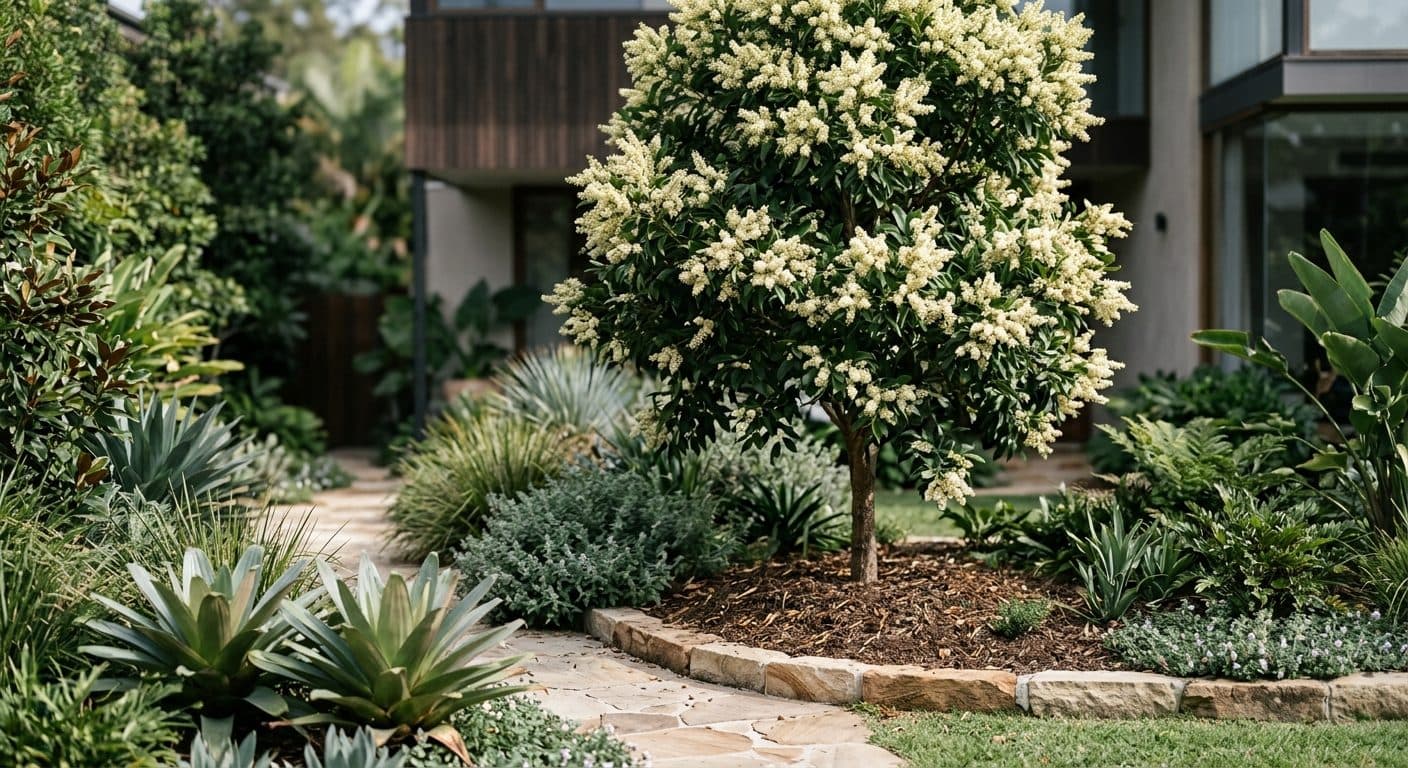
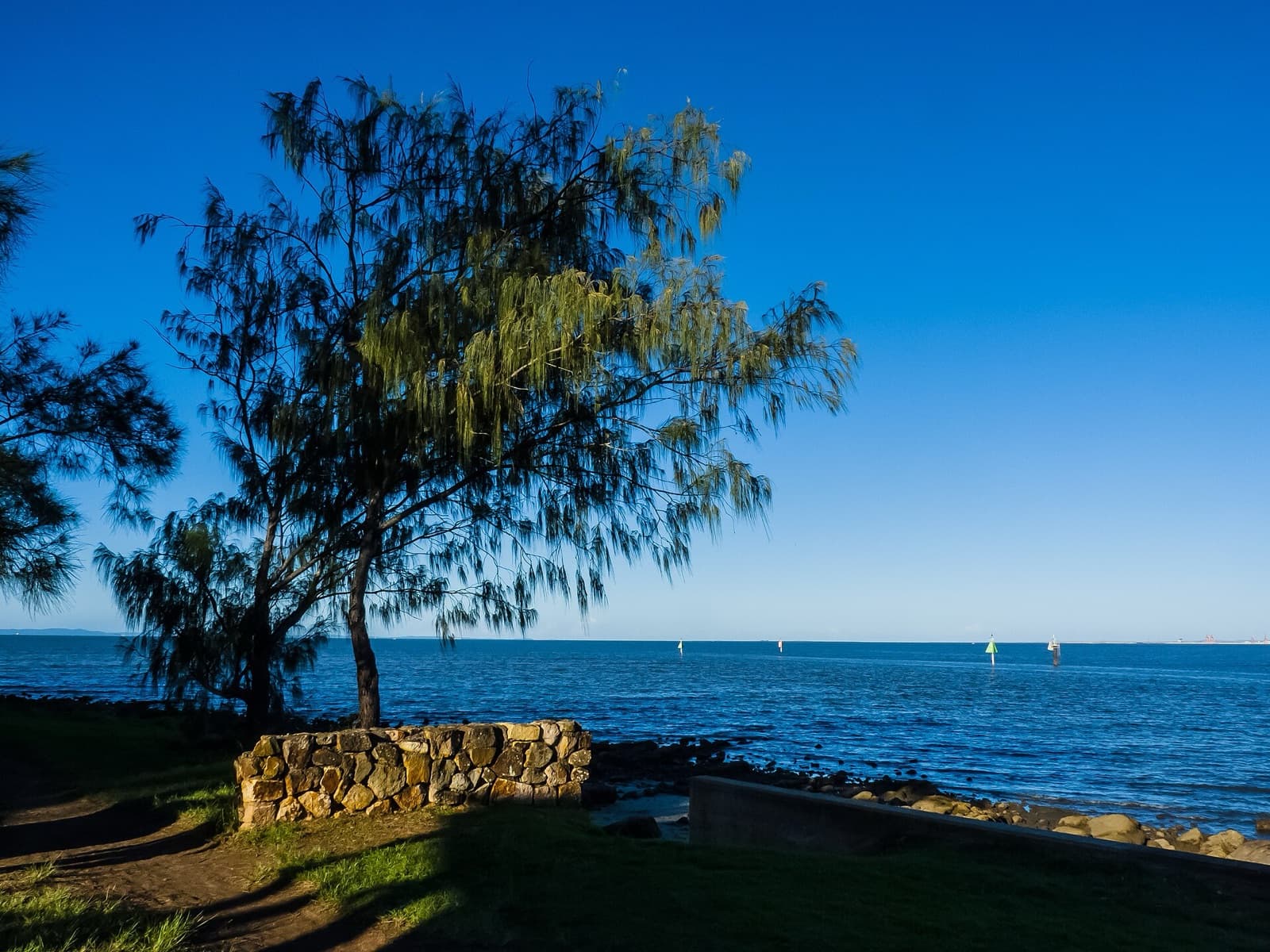
Photo: Steve Fitzgerald, CC BY-SA 4.0, via Wikimedia Commons
How we design with it
We place the ivory curl tree as a specimen, a single tree given room to be seen, because its late-summer flowering is an event and it deserves a position where you will catch it from the deck, the kitchen window or the approach to the front door. Its neat, rounded habit and glossy evergreen foliage mean it earns its place for the other eleven months too, reading as a calm green feature rather than a plant you tolerate for one brief flush.
Because it flowers at a difficult time of year and stays in scale with a suburban garden, it is one of our favourite feature trees, and it sits within the wider palette we sort by role in our guide to the best plants for Brisbane gardens. Underplanted with hardy shade lovers and given a mulched, moist root zone, it becomes the anchor a front garden or courtyard can be composed around.
Where we write about ivory curl tree
Common questions
Want one tree that carries the whole front garden?
We're currently taking on new landscape design clients across Brisbane. Reach out for a personalised quote, whether you're a homeowner or a design professional.
Book a Free Discovery Call