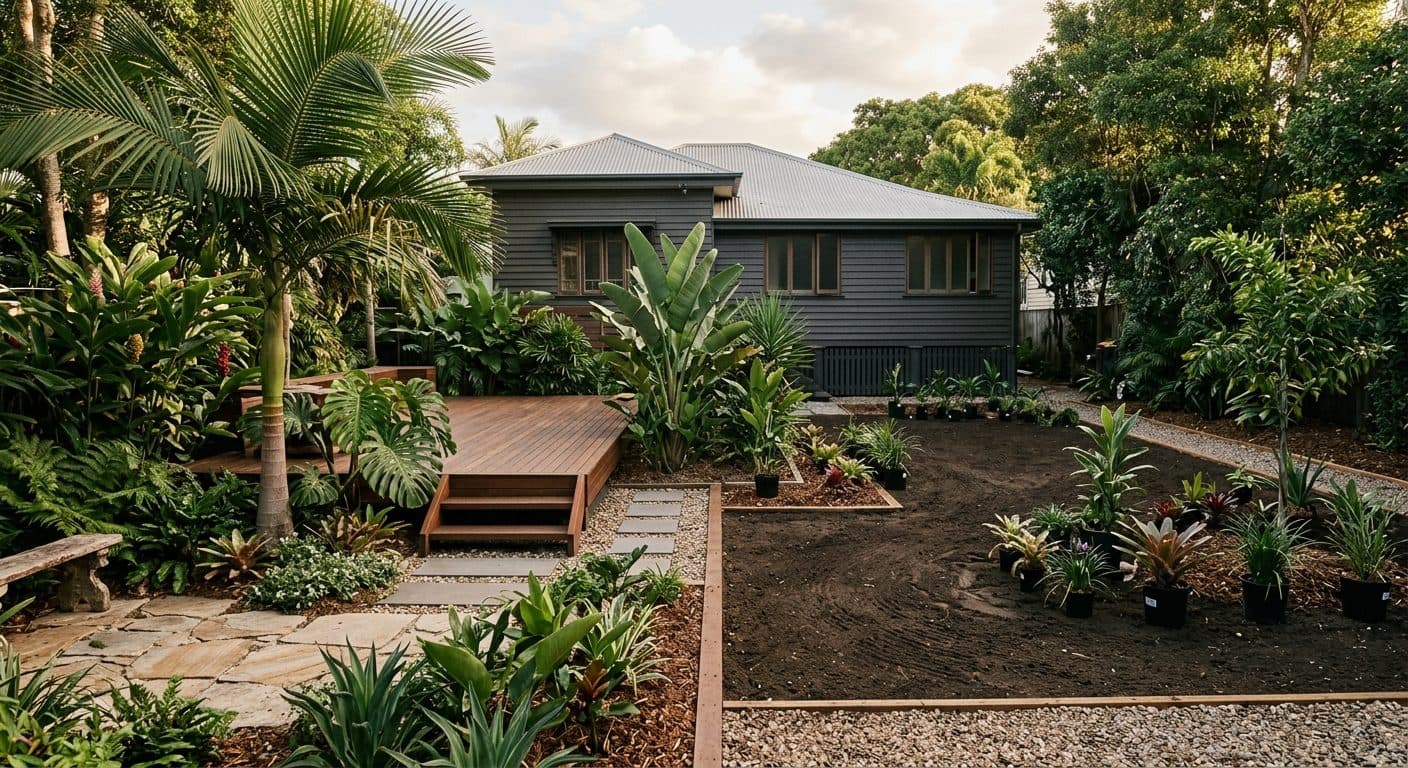
You don't have to do the whole garden at once. Here's how I sequence a renovation so the early stages don't get ripped up later, and the budget stretches over years.

By Shannon Trevisiol, Landscape Designer, Brisbane · 4 min read
- A master plan drawn up front is what lets you build in stages without ripping up earlier work later.
- Build in the right order: services, levels and drainage first, then structure and paving, then planting and finishes last.
- Stage the garden by disruption and dependency, not just by what's most exciting to do first.
- Doing it over years costs a little more in total, but it spreads the outlay and keeps the whole garden coherent.
Not everyone can renovate a whole garden in one go, and there's nothing wrong with that. The problem is never doing it in stages. The problem is doing it in stages without a plan, so the deck you built in year one has to come out in year three to run the drainage you didn't think about, and you end up paying for the same corner of the garden twice.
A phased renovation done well looks, at the end, exactly like a garden that was built all at once. The difference is entirely in the planning, and the single decision that makes it work is having the whole design on paper before the first sod is turned. Here's how I sequence it.
Start with the plan, not the first project
A master plan drawn up front is what lets you build in stages without undoing earlier work, because it settles the big, hard-to-change decisions once: where the levels sit, where water goes, where the trees and the paths and the entertaining zone belong. Every later stage is then a piece of a design that already fits together, rather than a fresh guess bolted onto the last one. This is what a concept design is for, and it's the cheapest insurance you'll buy on the whole project.
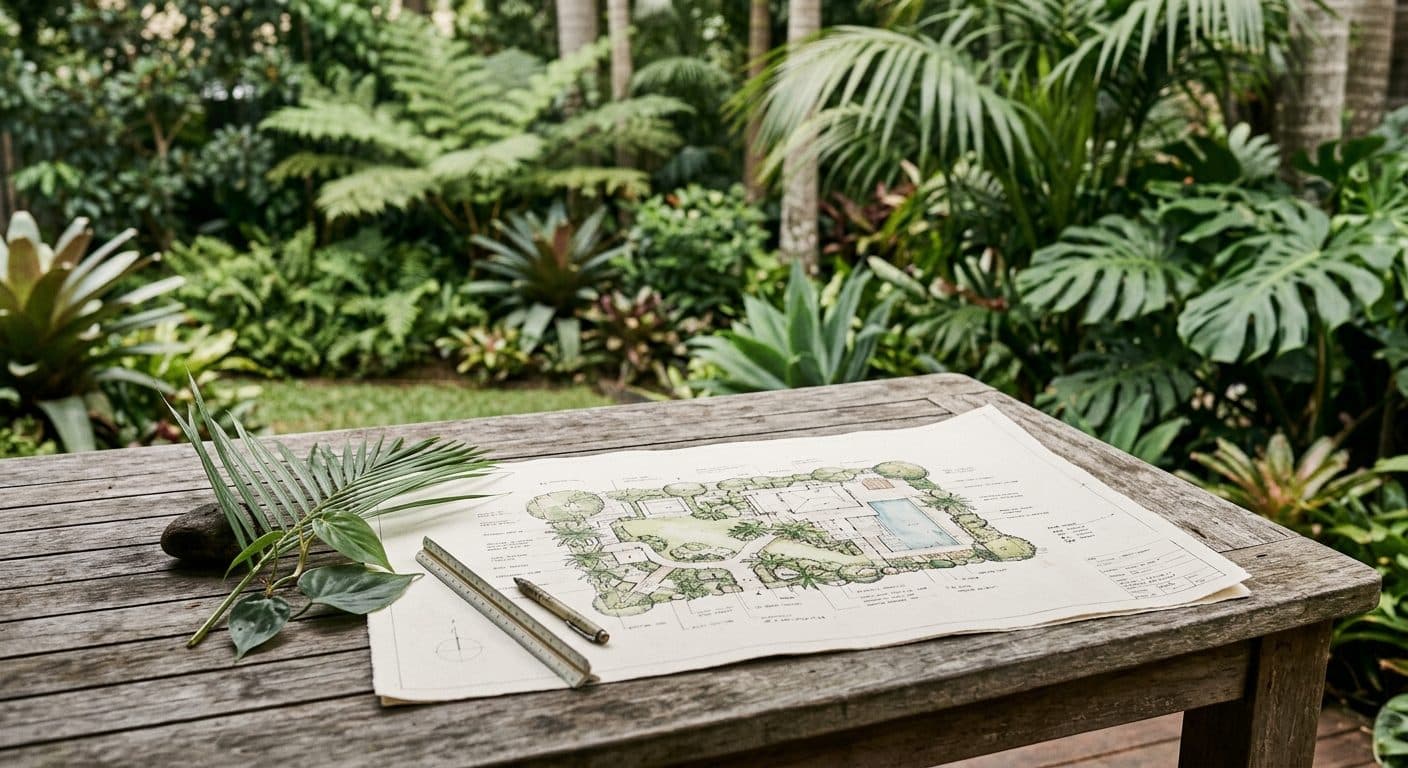
Without that plan, staging is just improvisation with a longer timeline. With it, you can pause after any stage, live with the garden for a year, and pick up exactly where you left off. If you're not sure what belongs in a design package before you commit, I've written a plain guide to what's included in a landscape design package.
Build in the order the garden actually needs
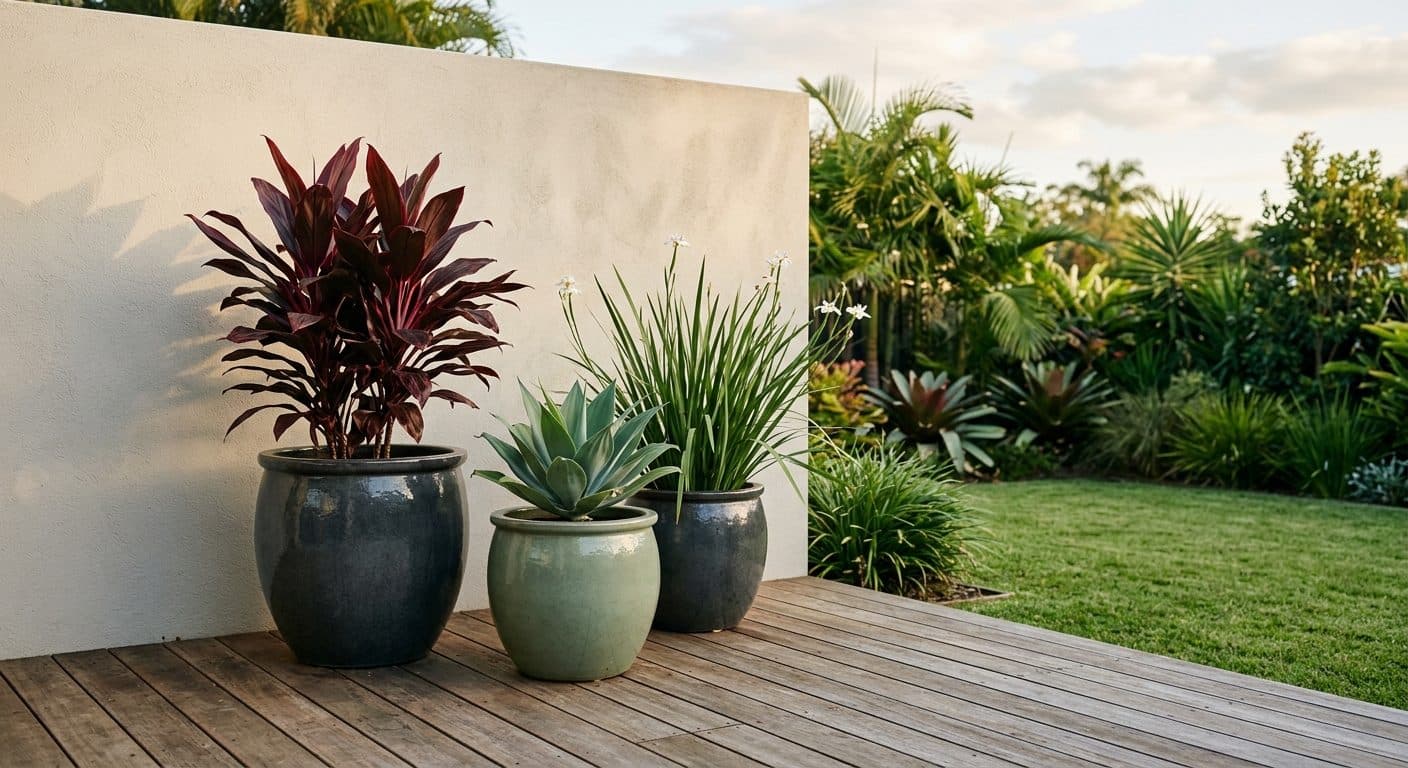
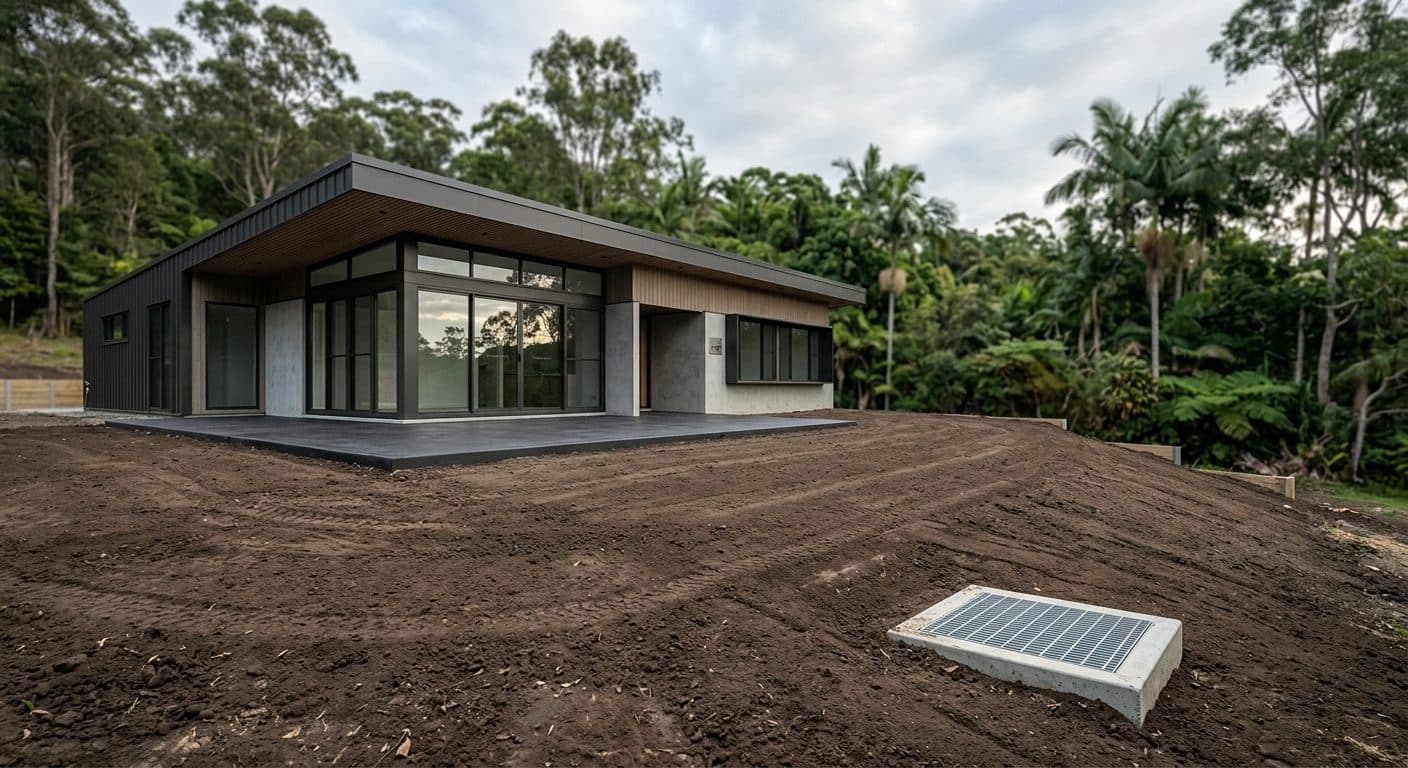
The order matters more than almost anything else, and it runs roughly opposite to the order most people want. The unglamorous things go first: earthworks and levels, drainage, and any services (water, power, gas, irrigation sleeves) that need to sit under paving or lawn. Then the structural bones, retaining, paths, paving, decks and any built structures. Planting and the soft finishes (mulch, lighting, pots, furniture) come last, because they're the layer you can add without disturbing anything beneath them.
The reason is simple: every stage should sit on top of the ones before it, never underneath. Run a drainage line after you've paved and you're lifting the paving. Sleeve the irrigation before the path goes down and it costs almost nothing. Getting this sequence right is most of what separates a smooth staged build from an expensive one, and it's the same logic behind where to start with a Brisbane garden.
Budgeting the stages over years
Stage the garden by dependency and disruption first, and by cost second. Some jobs have to happen together because splitting them means paying twice for access, machinery or making-good, and the plan is what tells you which those are. A good rule is to get the messy, machinery-heavy work (earthworks, drainage, structure) done in the earlier stages while the site is already torn up, then let the pleasant, lower-cost stages (planting seasons, a lighting layer, the finishing touches) fall in the years that follow.
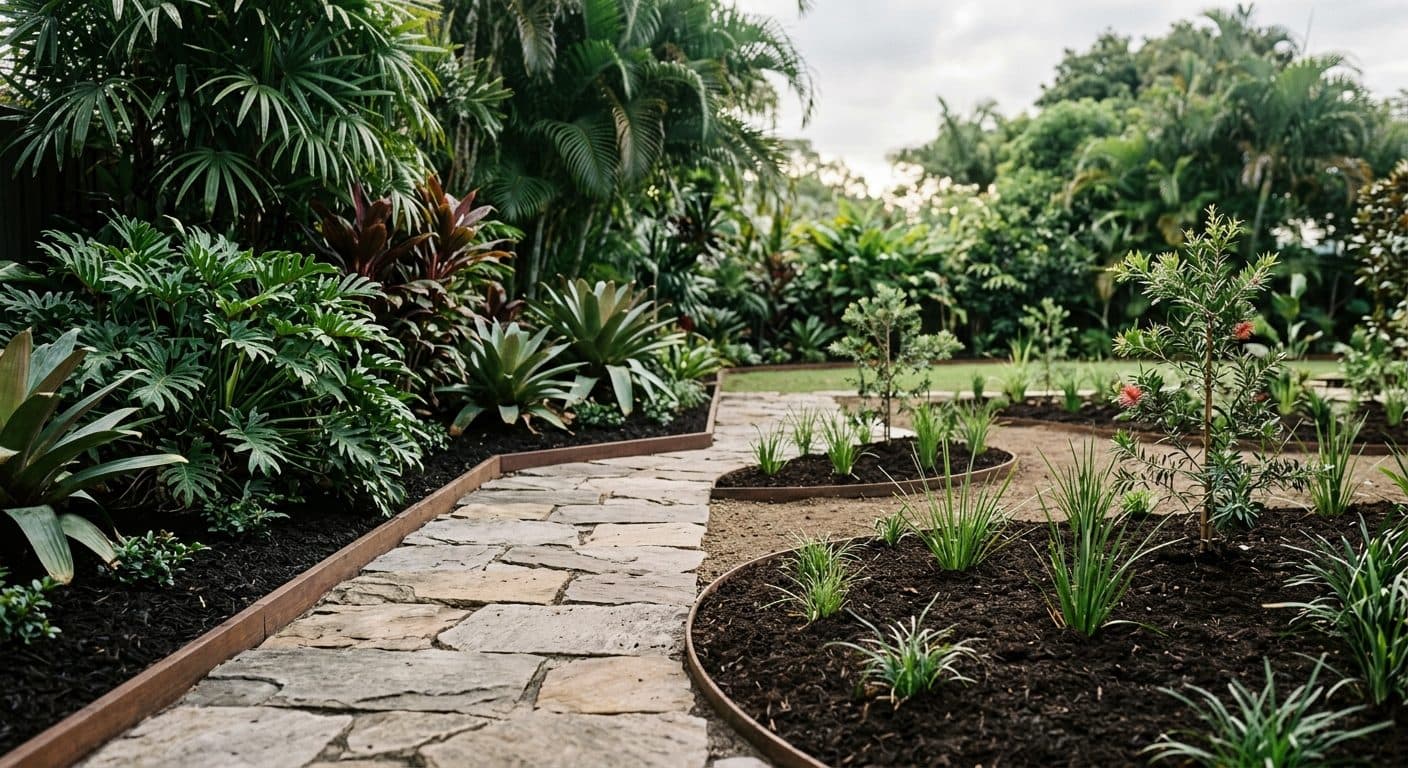
I'll be straight about cost, because it's where staging gets misunderstood. Doing a garden over several years tends to cost a little more in total than one continuous build, since you're paying for setup and site access more than once. What you get in return is the ability to spread a large outlay across years, keep the garden usable throughout, and make each decision with the previous stage already in the ground in front of you. As a landscape designer I design what the garden needs and hand you builder-ready drawings; the independent contractors who build it are the ones who price and quote the construction, so treat any whole-of-project figure as rough orientation, not a quote. If you want a feel for the ranges, my guide to how much landscape design costs in Brisbane sets it out.
The thing I'd most want you to take away is that staging is a strength, not a compromise, as long as the plan comes first. If you're weighing up a garden you can't do all at once, our Design Discovery Consultation is where we map the whole thing, then decide together where stage one begins.
Ready to start designing?
We're currently taking on new landscape design clients across Brisbane. Reach out for a personalised quote, whether you're a homeowner or a design professional.
Book a Free Discovery Call