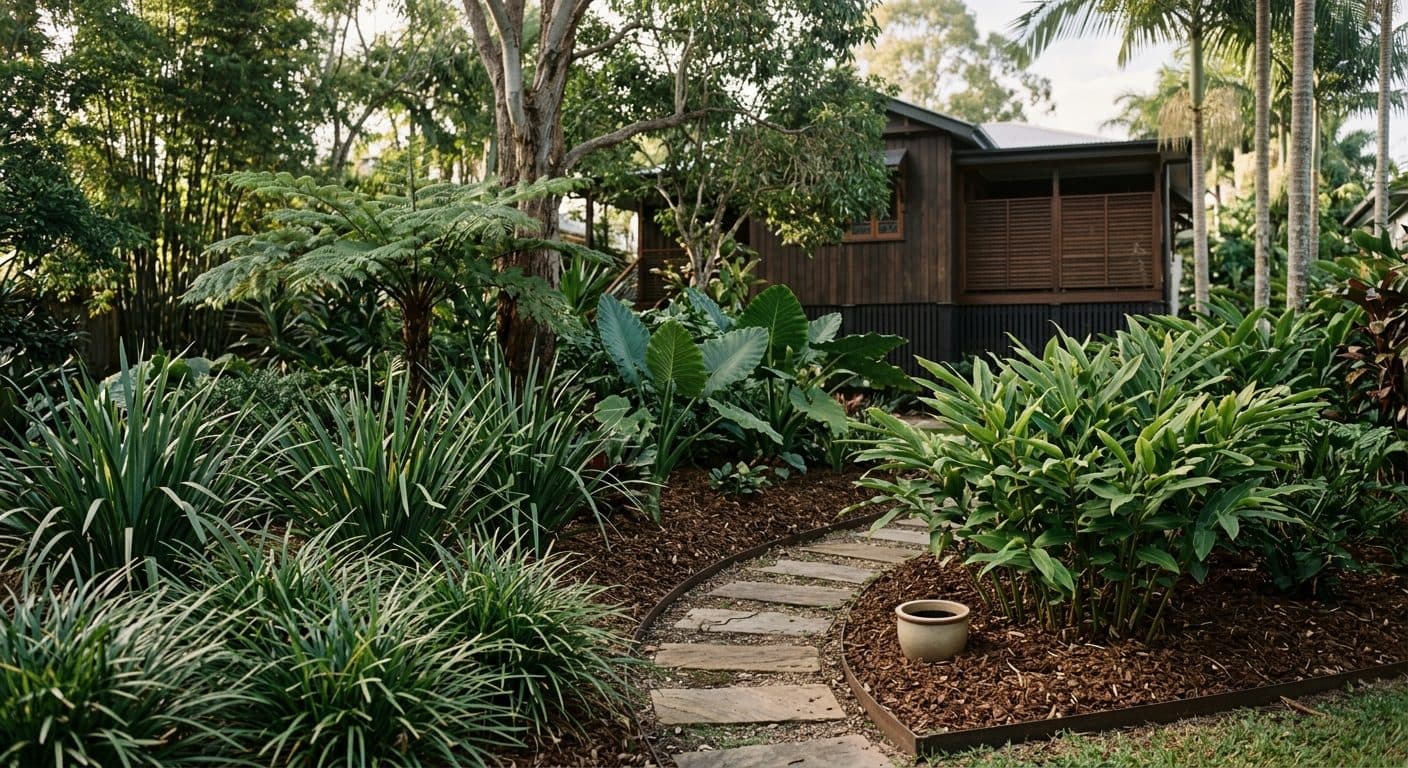
Brisbane runs on a different clock to the southern states. Here's the real subtropical planting calendar I work to, season by season, and why timing changes a design.

By Shannon Trevisiol, Landscape Designer, Brisbane · 4 min read
- Autumn (March to May) is the best planting window in Brisbane: warm soil, easing heat, and months to establish roots before summer.
- Spring works too, but you're planting into the run-up to heat and dry, so watering matters far more.
- Through the wet-season summer, plant little and maintain a lot: humidity, storms and fungal pressure make it the hardest time to establish anything new.
- If you've had a planting plan drawn, remember nursery availability shifts season to season, so sensible substitutions are normal.
Most gardening advice you'll read was written for somewhere colder than here. It talks about planting after the last frost and putting the garden to bed for winter, and if you follow it in Brisbane you'll plant at the wrong time and wonder why things struggle. Our seasons don't work like that. Winter is mild and dry, summer is hot and wet, and the calendar that actually matters is a subtropical one.
Timing is one of the quietest, most underrated tools in a garden. The same plant, in the same spot, will romp away if you put it in at the right time of year and sulk for a season if you don't. Here's the calendar I work to across Brisbane's southeast, season by season, and why the timing feeds straight back into how a garden is designed.
Autumn is the real planting season
If there's one thing to take from this, it's that autumn (roughly March to May) is the best time to plant in Brisbane. The soil is still warm from summer so roots keep growing, the brutal heat has eased so new plants aren't fighting to survive while they establish, and there are months of mild weather ahead before the next summer tests them. A tree or shrub planted in autumn goes into its first summer with a proper root system already underneath it, which is the whole game in a climate that can swing from downpour to dry.
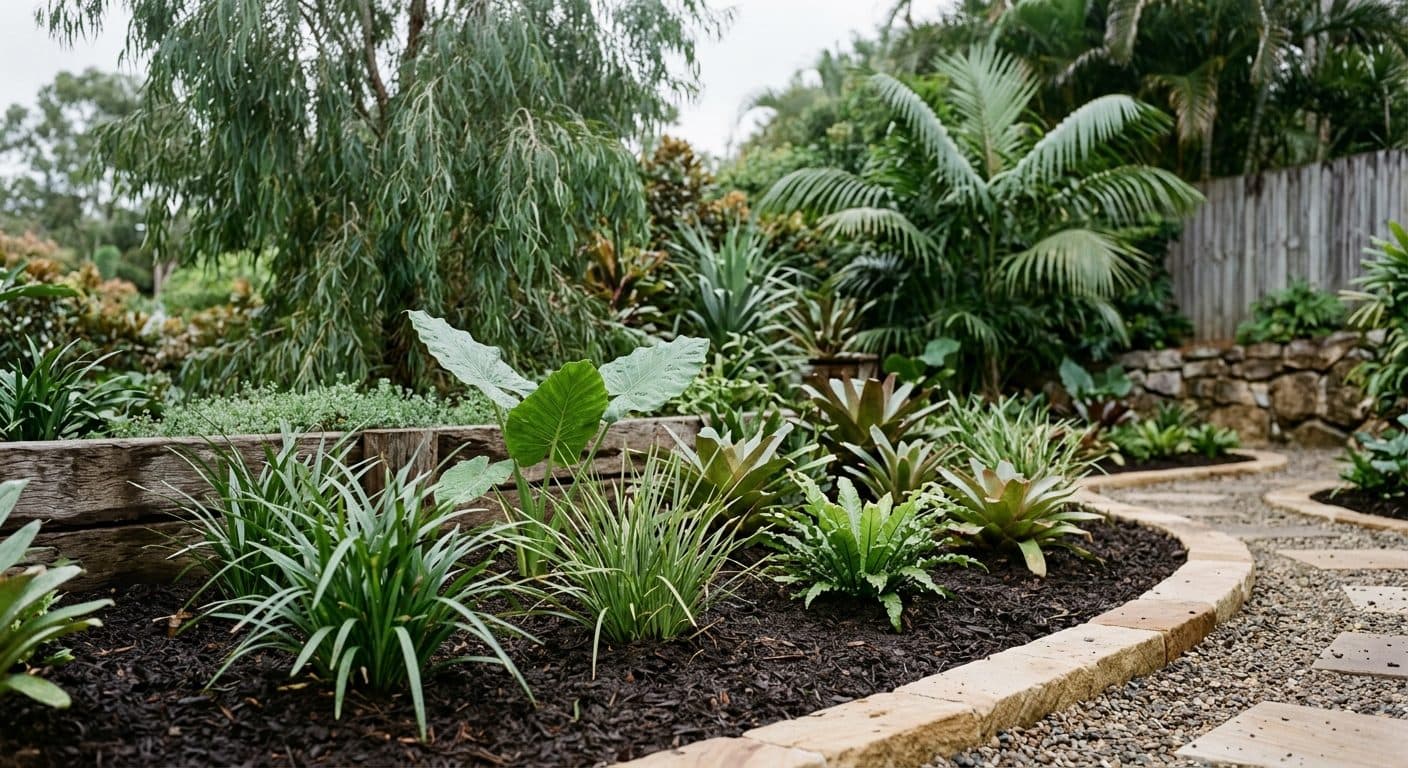
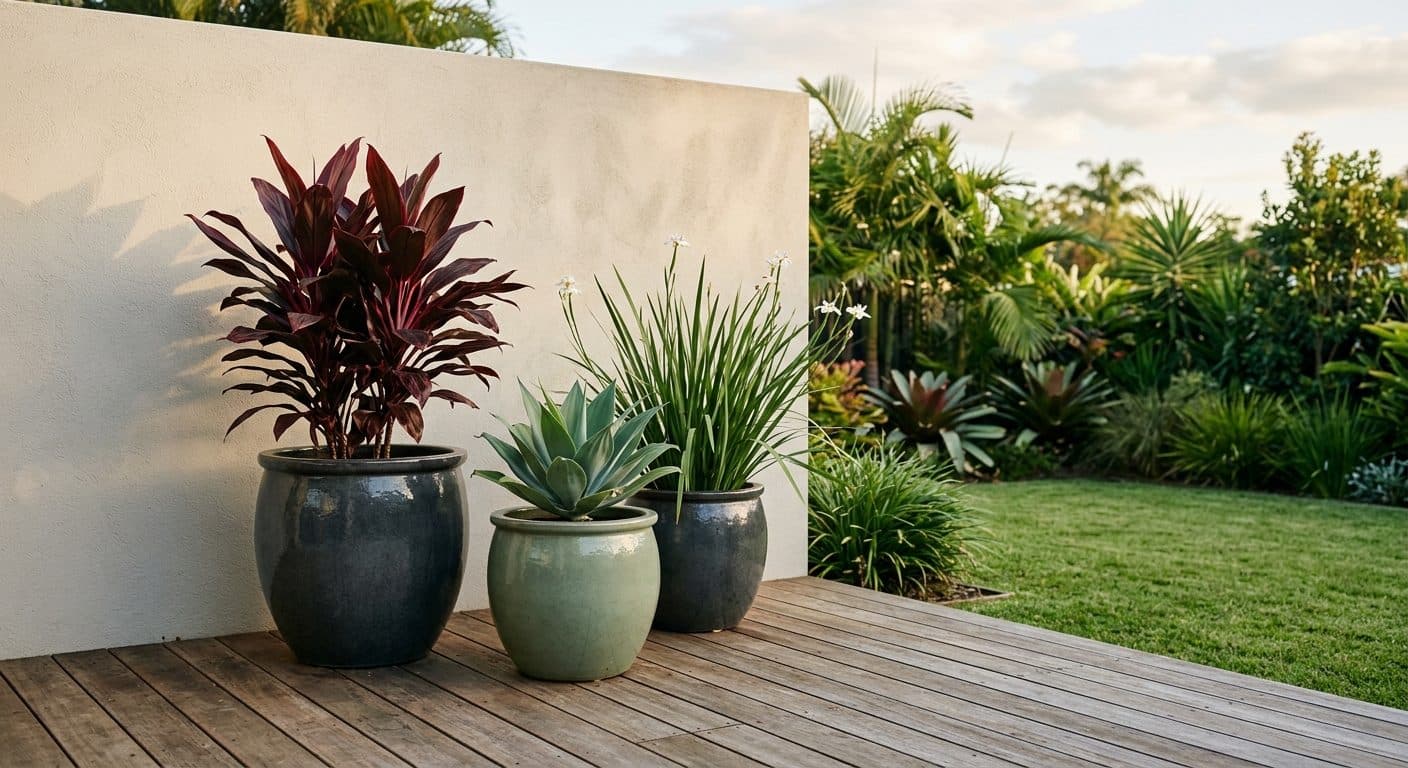
This is when I'd want the bulk of a new garden going in if the timing allows. It suits almost everything, from structural Queensland natives to the lush, layered look of a proper subtropical garden.
Spring: the second window, with a catch
Spring (September to November) is the other good planting window, and it comes with a warning attached. Everything wants to grow, the warmth is back and plants establish quickly, but you're planting into the run-up to summer heat and the dry end of the year, so anything that goes in now needs watching and watering far more closely than an autumn planting does. It's a fine time to plant, as long as you're realistic about the attention new plants will need over the following few months, and it's a good moment for the flowering, textural planting behind the naturalistic garden look.
Summer: plant little, maintain a lot
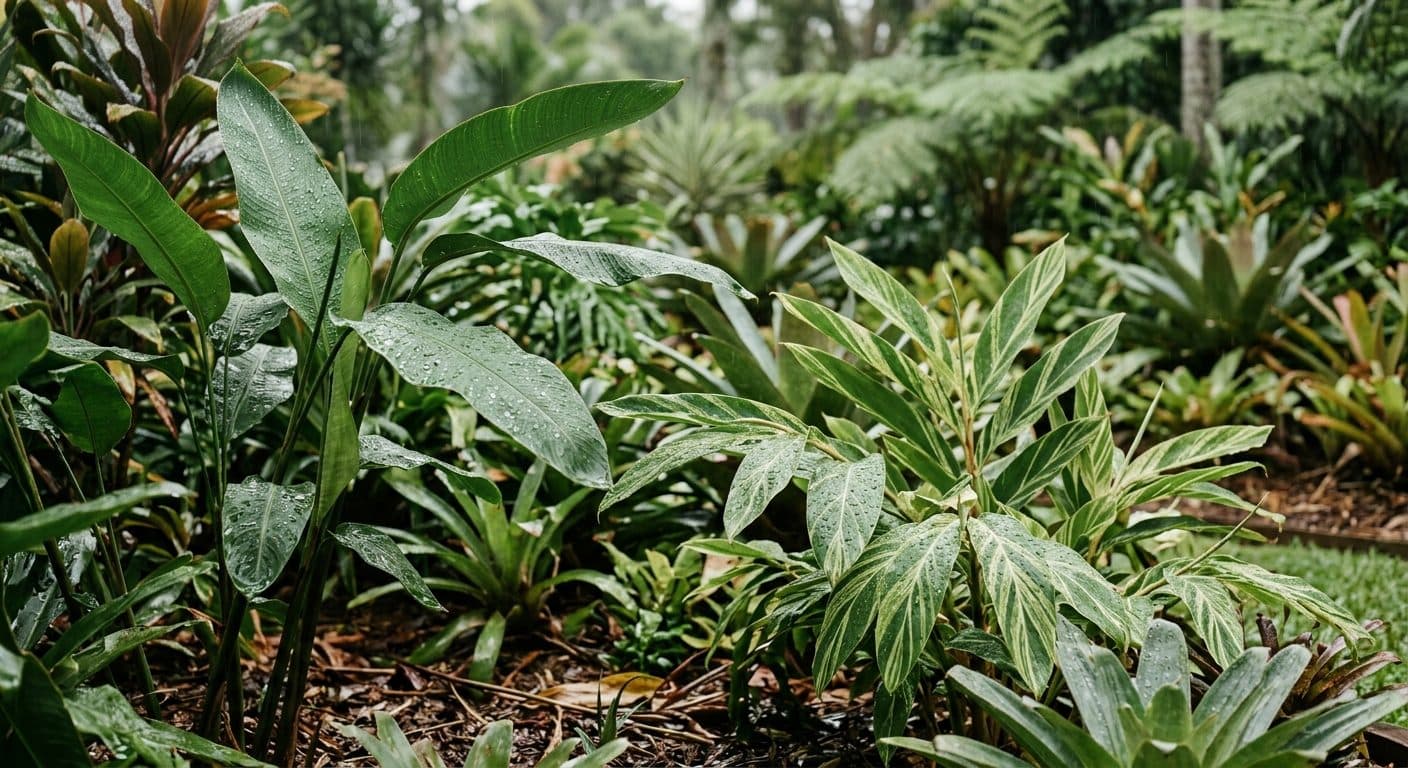
Through summer (December to February) the rule flips: this is a season for maintaining, not establishing. It's hot, humid and storm-prone, fungal problems thrive, and a plant with no root system yet is being asked to cope with the year's hardest conditions on day one. Established gardens love the summer rain, but new plantings often drown, cook or rot. If you must plant in summer, tough tropicals like gingers and heliconias are your best bet, and only where drainage is genuinely good, because in the wet season it's usually too much water that kills, not too little.
Winter: structure, natives and the tidy-up
Winter (June to August) is mild, dry and underrated. Hard frost is rare across most of Brisbane, though the outer western and low-lying pockets can get a cold snap, so it's worth knowing your own spot. It's a good time to plant hardy natives, to do structural pruning while growth has slowed, and to plan and prepare beds for the autumn planting rush. Think of it as the season for the bones of the garden rather than the show.
A note if you've had a planting plan drawn
One honest caveat worth planning around: if you've had a planting plan created, the exact species on it can vary in availability from season to season. Nurseries grow to their own cycles, a plant that's everywhere one autumn can be hard to find the next, and stock moves with the weather. That's completely normal and not a flaw in the plan. A good design specifies the role each plant plays (its size, form, aspect and habit) so that when something isn't available, a sensible like-for-like substitution keeps the design intact. It's one of the reasons a considered plan is worth more than a shopping list.
Get the timing right and a Brisbane garden almost plants itself. If you'd like a design and a planting plan built around the seasons your garden actually has, our Design Discovery Consultation is the place to begin.
Ready to start designing?
We're currently taking on new landscape design clients across Brisbane. Reach out for a personalised quote, whether you're a homeowner or a design professional.
Book a Free Discovery Call