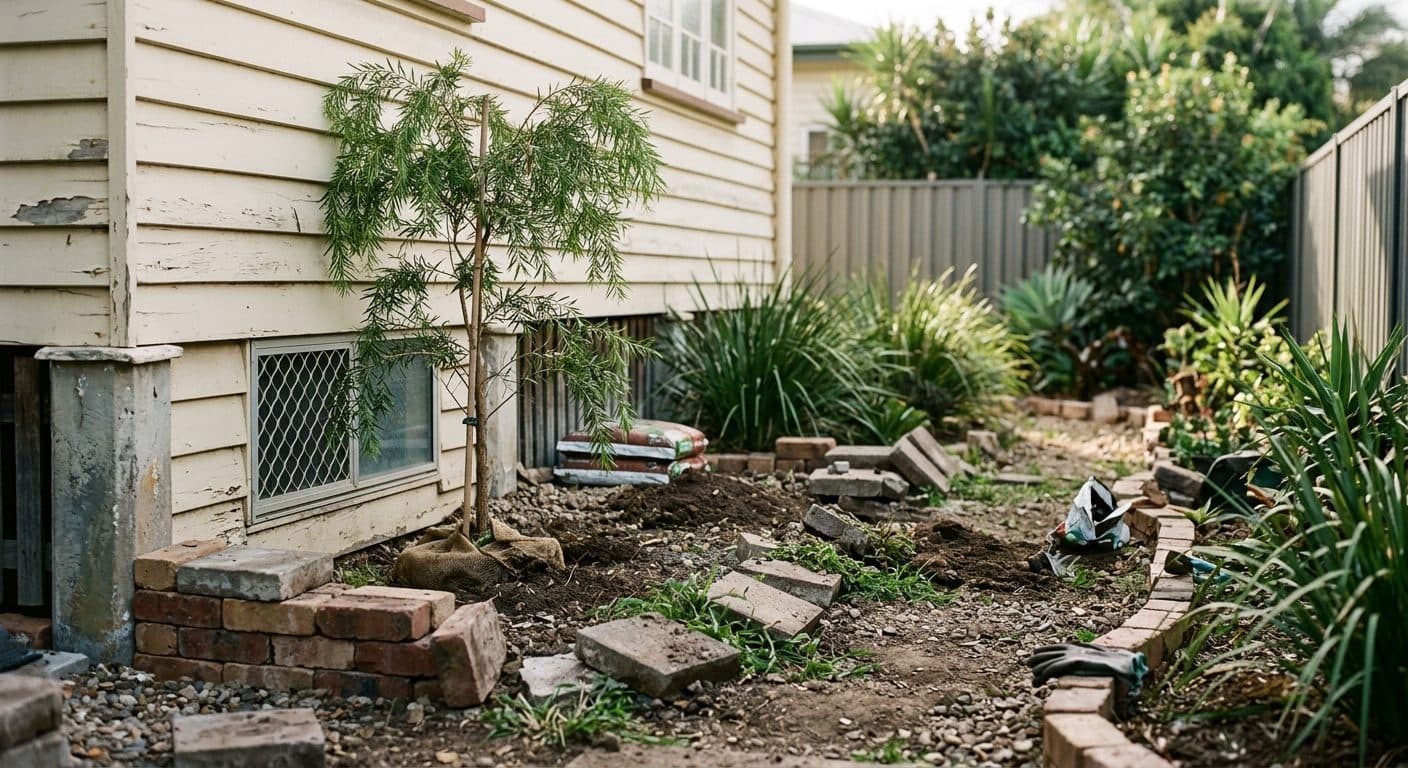
Most DIY gardens fail for the same ten reasons, and almost none are about plant choice. The most common mistakes I see across Brisbane, and how to avoid them.
By Shannon Trevisiol, Landscape Designer, Brisbane · 6 min read
- Almost none of the DIY failures I see are about plant choice: they're design decisions made early, usually by accident.
- Get the order right (levels, then drainage, then surfaces, then plants) and most of the expensive mistakes never happen.
- Plan for the mature garden and the subtropical growth rate, not for the day the plants come home from the nursery.
- You don't need professional drawings to DIY well, but you do need the key decisions made from a plan, and made once.
I'm a fan of DIY gardens. Helping DIYers get the direction right is some of the most satisfying work I do, and plenty of owner-built gardens around Brisbane put professionally built ones to shame. But after a decade of walking Brisbane blocks, I see the same mistakes on repeat, and the frustrating thing is that almost none of them are about plant choice. They're design decisions, made early, usually by accident. Here are the ten I see most, roughly in order of how expensive they are to unwind.
1. Planting for the photo, not for year ten
The tree in the nursery pot is a lie. Not maliciously, but a two-metre sapling tells you nothing about the eight-metre tree it becomes, and mature size is the only number on the label that truly matters.
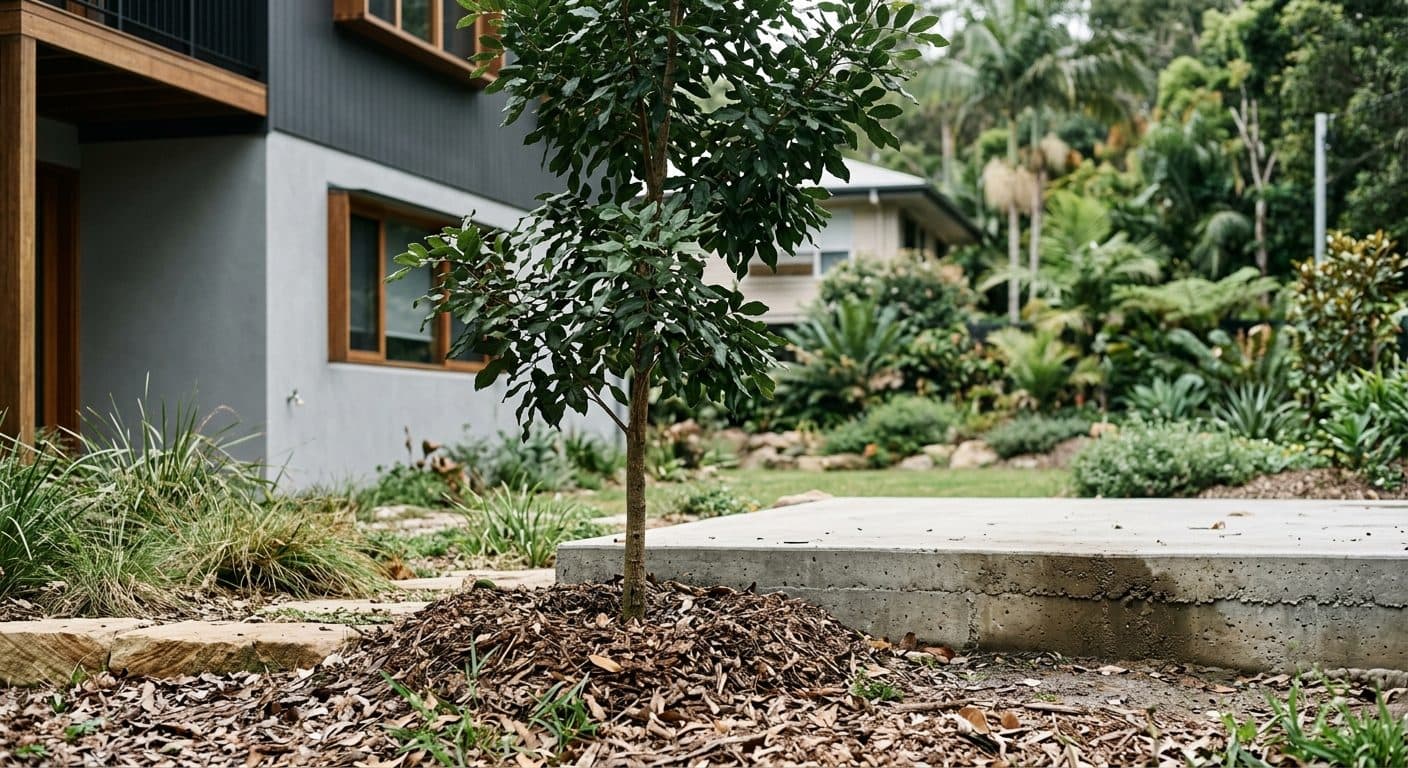
The classic Brisbane version is the leopard tree or fig planted a step from the slab, gorgeous for five years and then a standing argument with your paving, plumbing and neighbour. Before anything goes in the ground, look up its size at maturity and stand where the canopy edge will be. If that spot is inside your house, keep shopping.
2. Ignoring where the water goes
Brisbane's design brief is written by its storms. A February downpour will find every shortcut in your landscaping: the bed built across a natural flow path, the paving that falls toward the house, the retaining wall with no drainage behind it. Water is the first thing I resolve on every plan, and it should be the first thing a DIYer maps too: stand outside in heavy rain (or right after) and watch where it actually moves before you build anything in its way.
3. Fighting the western sun instead of designing for it
The number one dead zone in Brisbane backyards is the west-facing paved area with no shade, unusable from mid-afternoon through evening, November to March, which is precisely when you want to be outside. The fix is rarely an awning bought later; it's orientation decided early. Put the sitting space where afternoon shade falls (or will fall, once your year-ten tree grows), and give the western edge to the tough plants that can take the heat.
4. Importing a cold-climate plant list
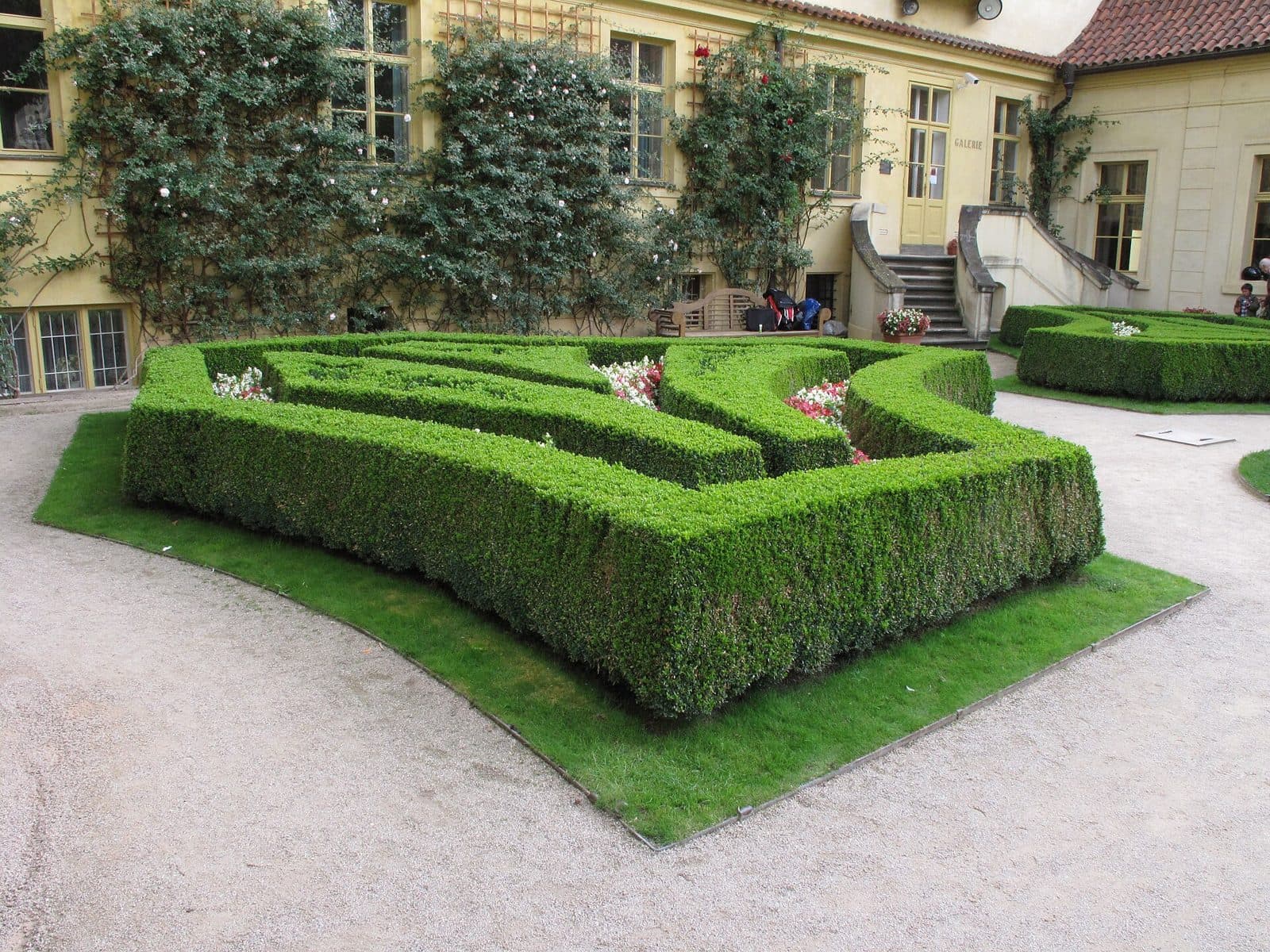
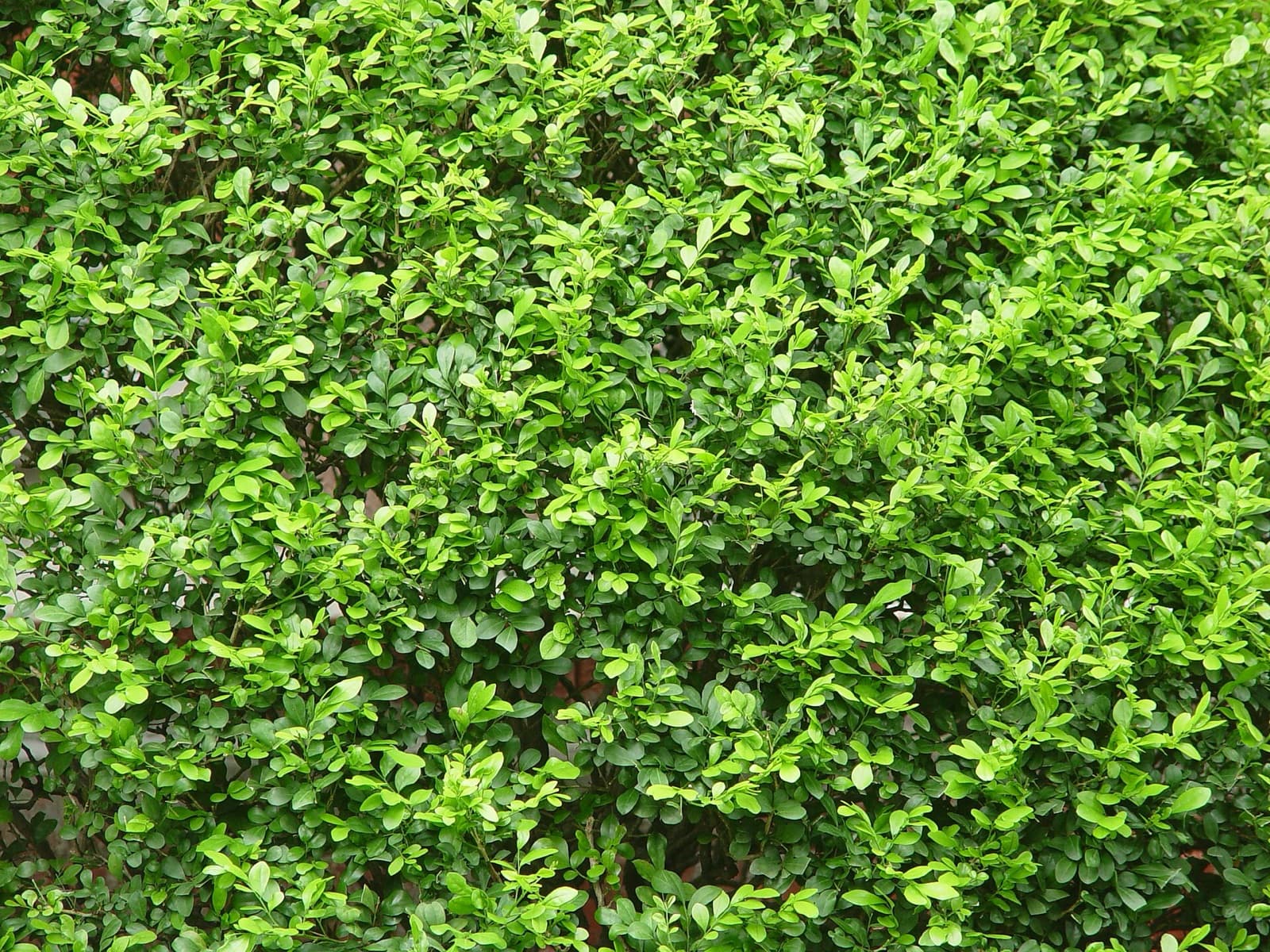
Pinterest and glossy magazines skew Melbourne, England and the American north-east, and their plant lists sulk or die here. English box that yellows through a wet summer, silver birches that cook in January, lavender drowning in humidity. Brisbane is subtropical (feast-and-famine rain, humid heat, mild winters), and the plants that thrive are the ones designed for exactly that. Before you buy anything, read the label for humidity tolerance, not just sun. The palette logic that thrives here is laid out in my subtropical garden guide.
5. Laying surfaces before resolving levels
Paving and decking are where DIY budgets go first, and levels are what get skipped to get there faster.
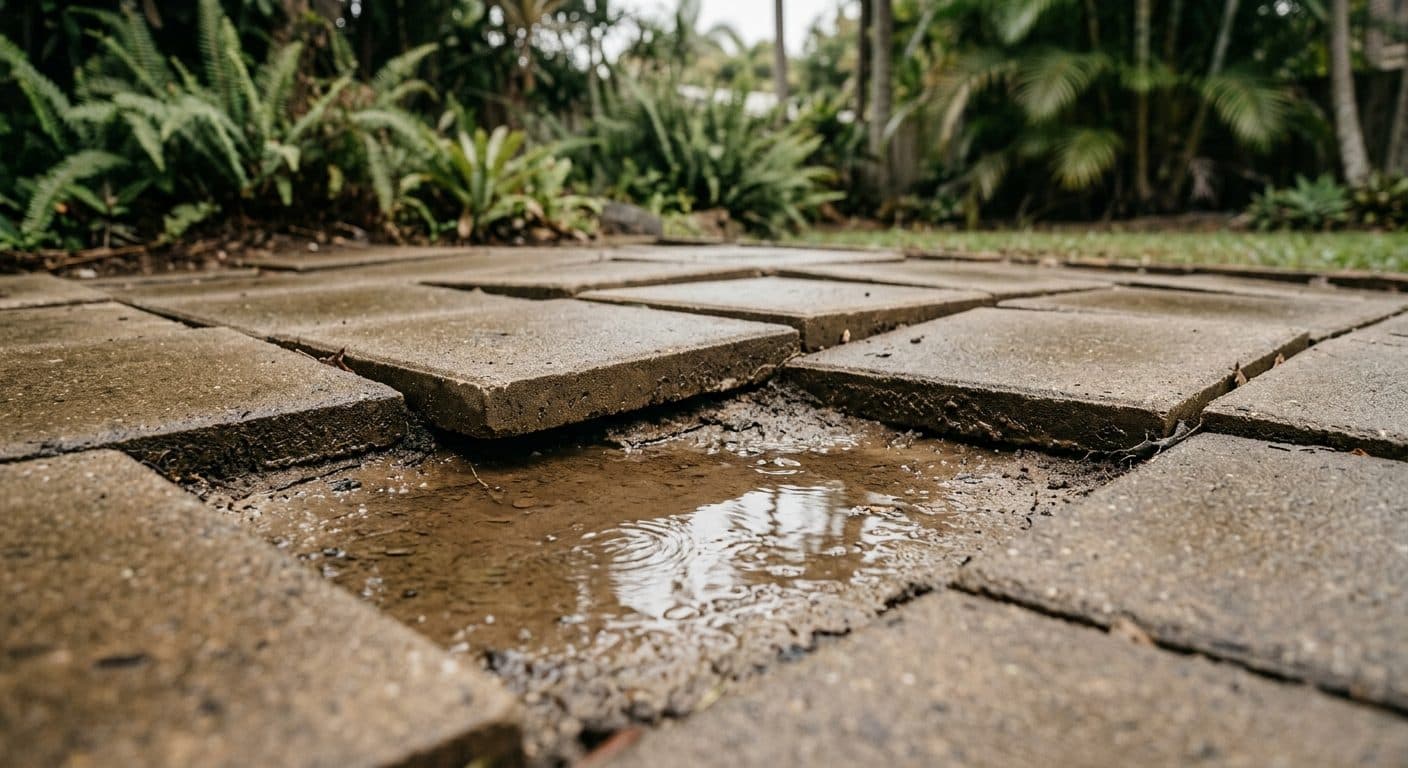
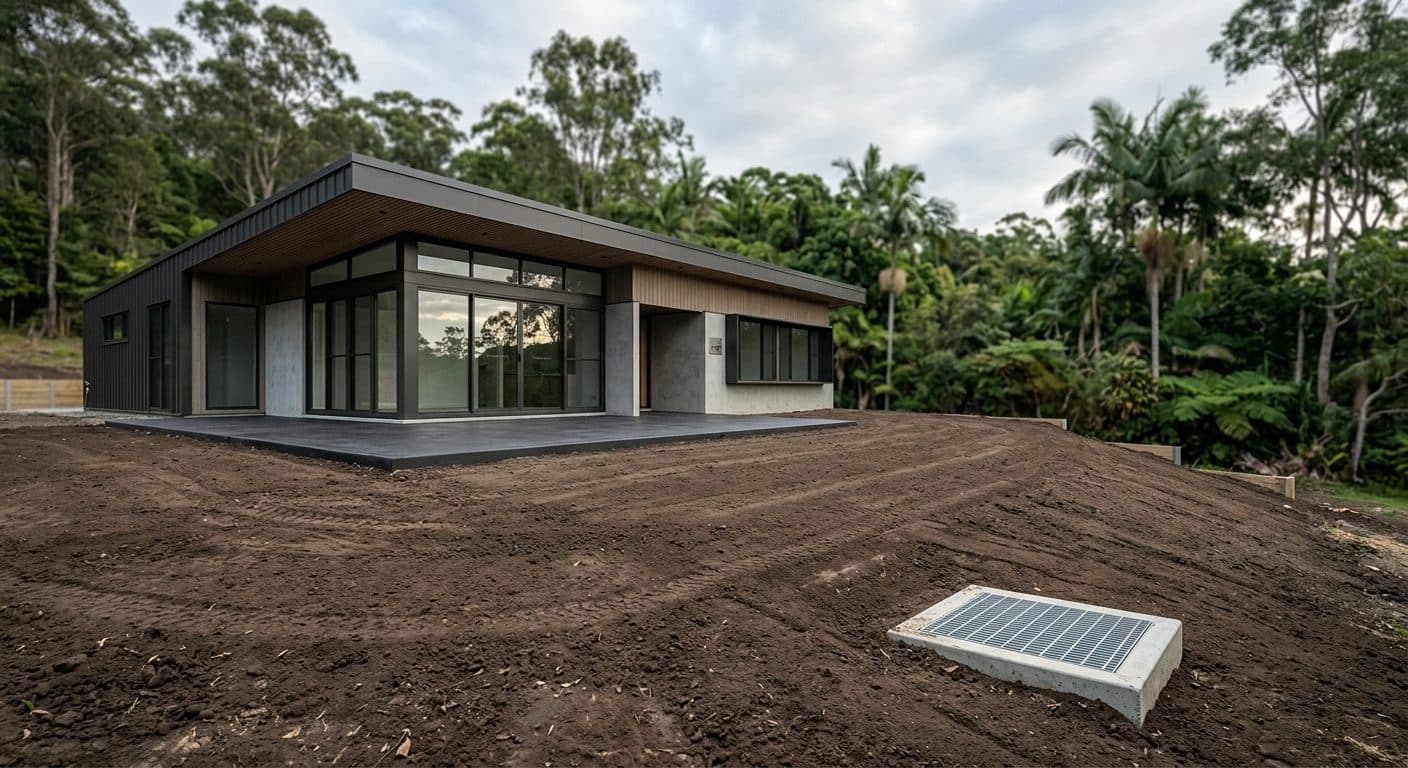
On Brisbane's sloping blocks that ordering is backwards: every path, patio and lawn depends on the ground being shaped and drained correctly underneath, and a surface laid on unresolved levels gets lifted and relaid, which is the most demoralising money in landscaping. Levels, then drainage, then surfaces, then plants. Boring, and non-negotiable.
6. The skinny garden bed
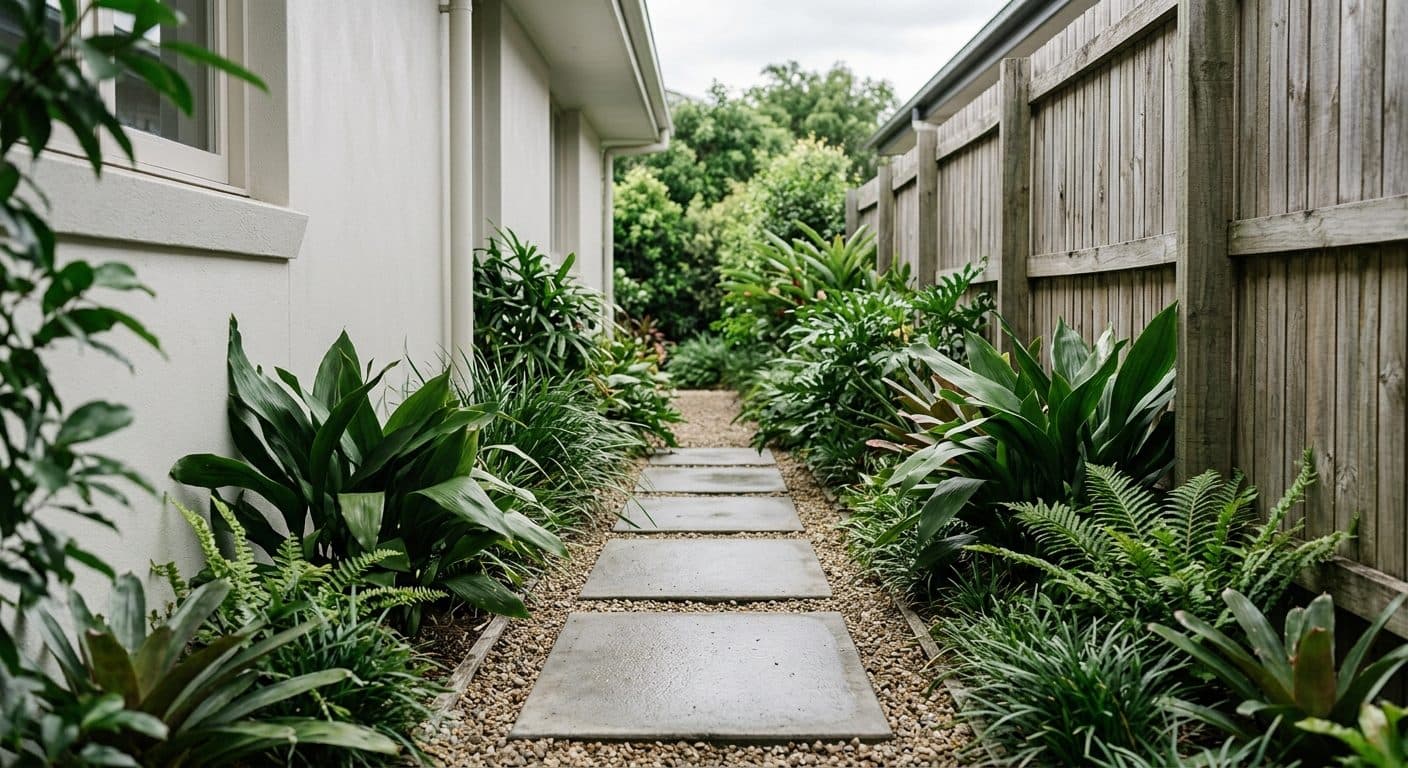
The half-metre strip of soil along the fence is the most common bed in suburban Brisbane and the least useful. Nothing layered fits in it, the fence radiates heat into it, and whatever's planted there ends up leggy, thirsty and pressed flat against the palings. One generous bed beats three mean ones: if you want planting to actually screen the fence or hold a composition, give it at least a metre (ideally more) and steal the space from lawn you weren't really using.
7. One of everything
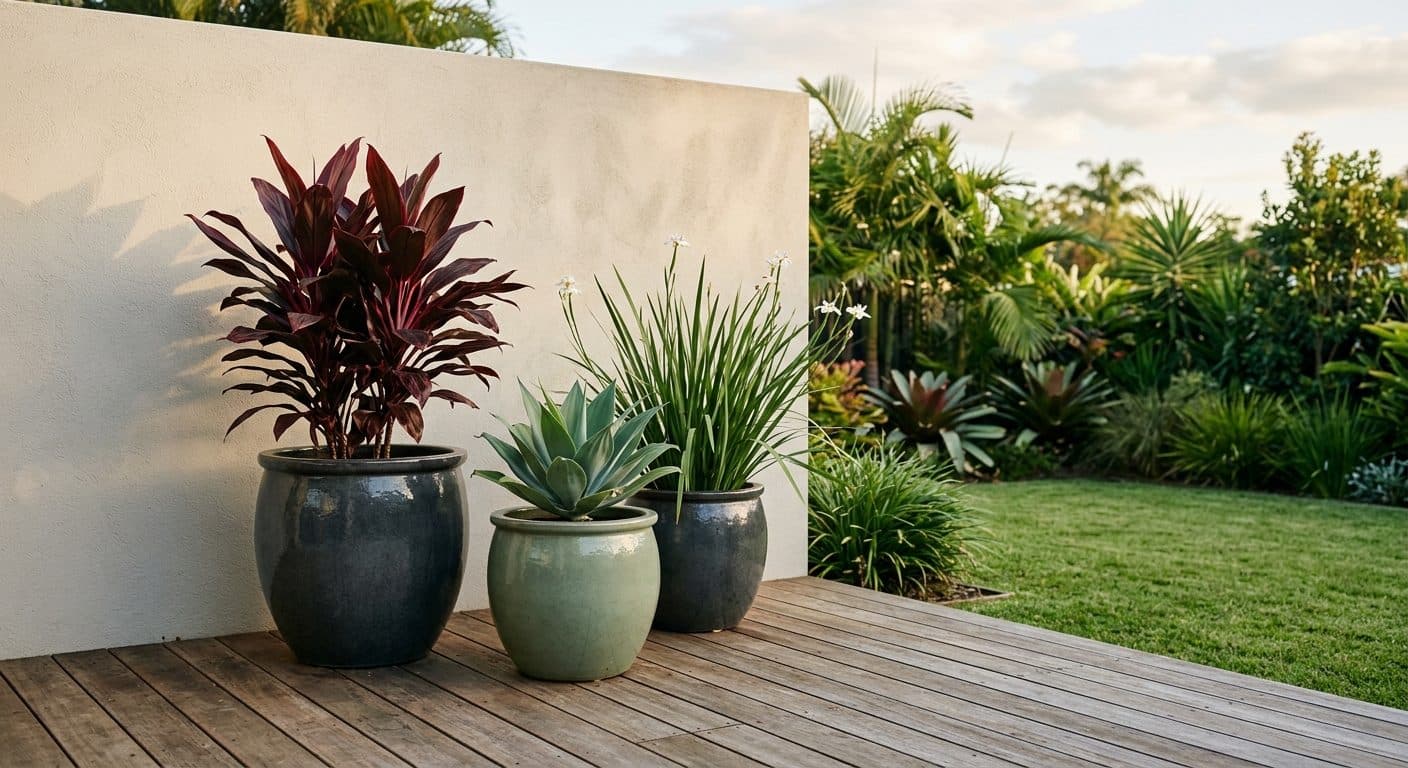
The nursery is designed to send you home with a fruit salad: one of this, one of that, whatever flowered on the day you visited. Planted out, it reads as visual noise, and every plant needs its own individual care. The gardens that look designed almost always do the opposite: fewer species, bought in quantity, planted in bold drifts. It's cheaper per plant, calmer to look at, and dramatically easier to maintain.
8. Underestimating subtropical growth rates
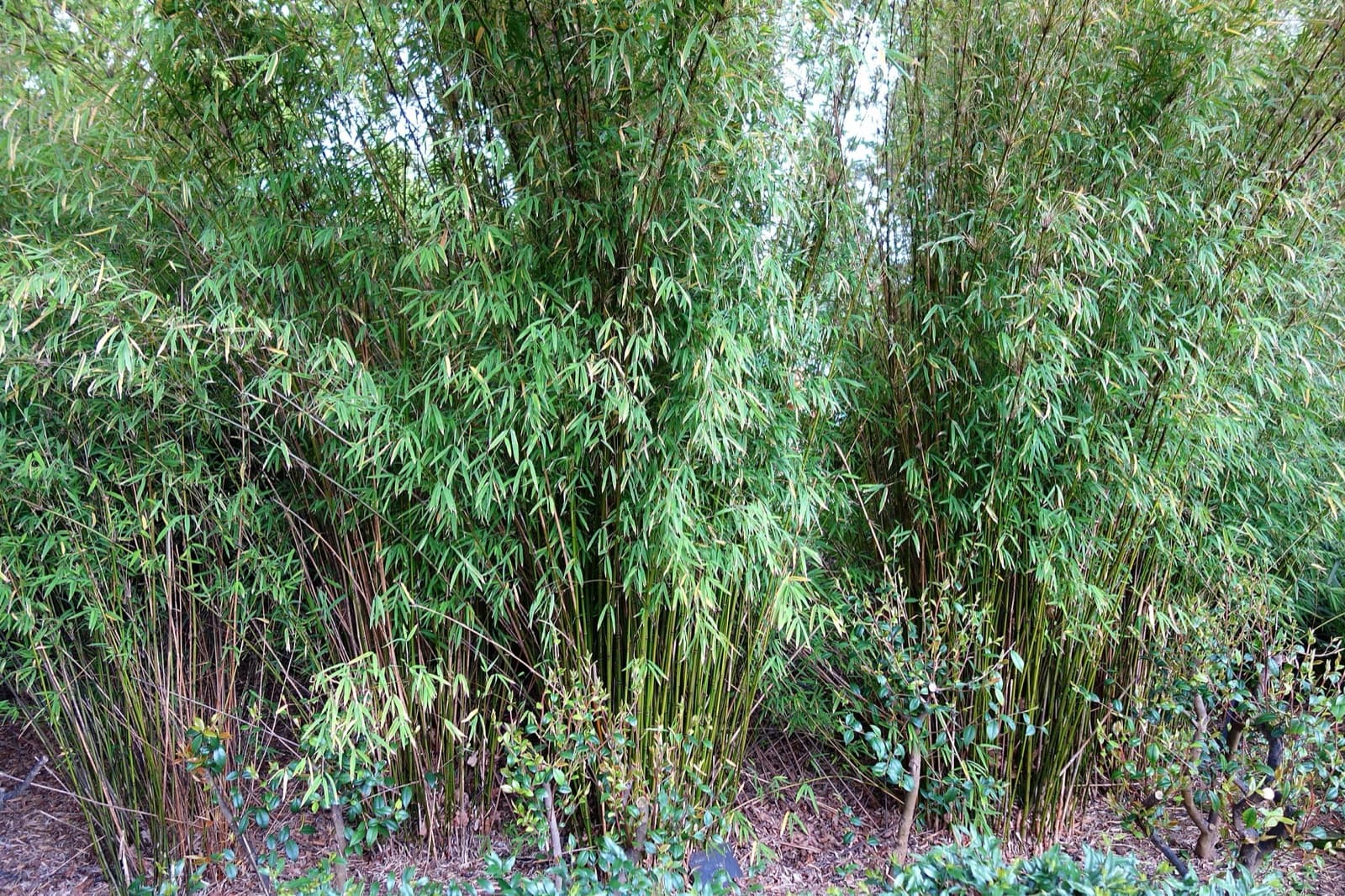
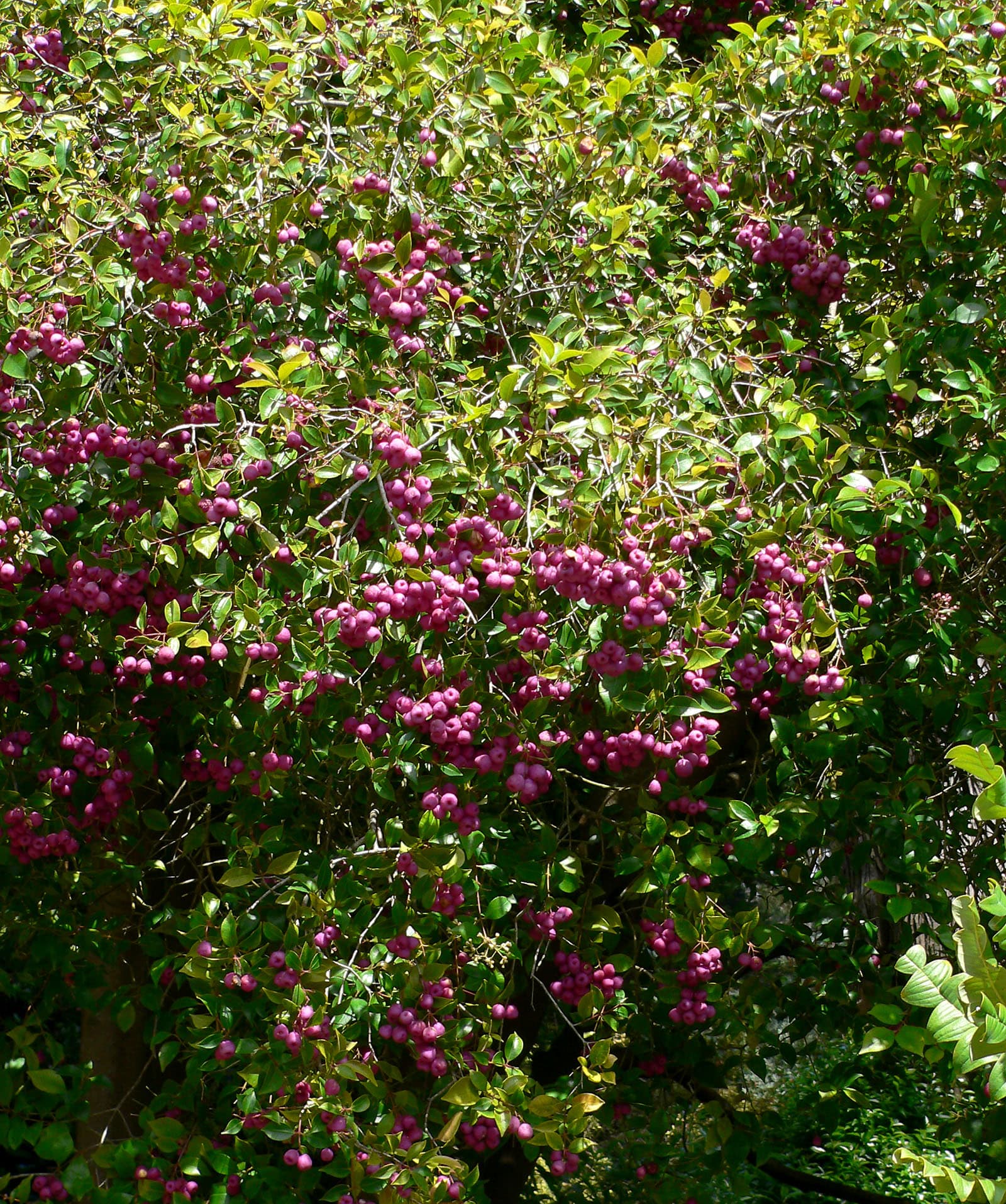
That neat hedge on the day of planting is a fortnightly commitment by Christmas. Brisbane's growing season barely pauses, and species sold as compact elsewhere behave differently here (murraya, syzygium and bamboo being the classic surprises). Be honest about the maintenance you'll actually do before choosing plants that need it; if the answer is "a few weekends a year", build the garden around self-shaping natives and massed structure instead. That thinking is the whole premise of low-maintenance garden design.
9. Spending on plants, skimping on soil
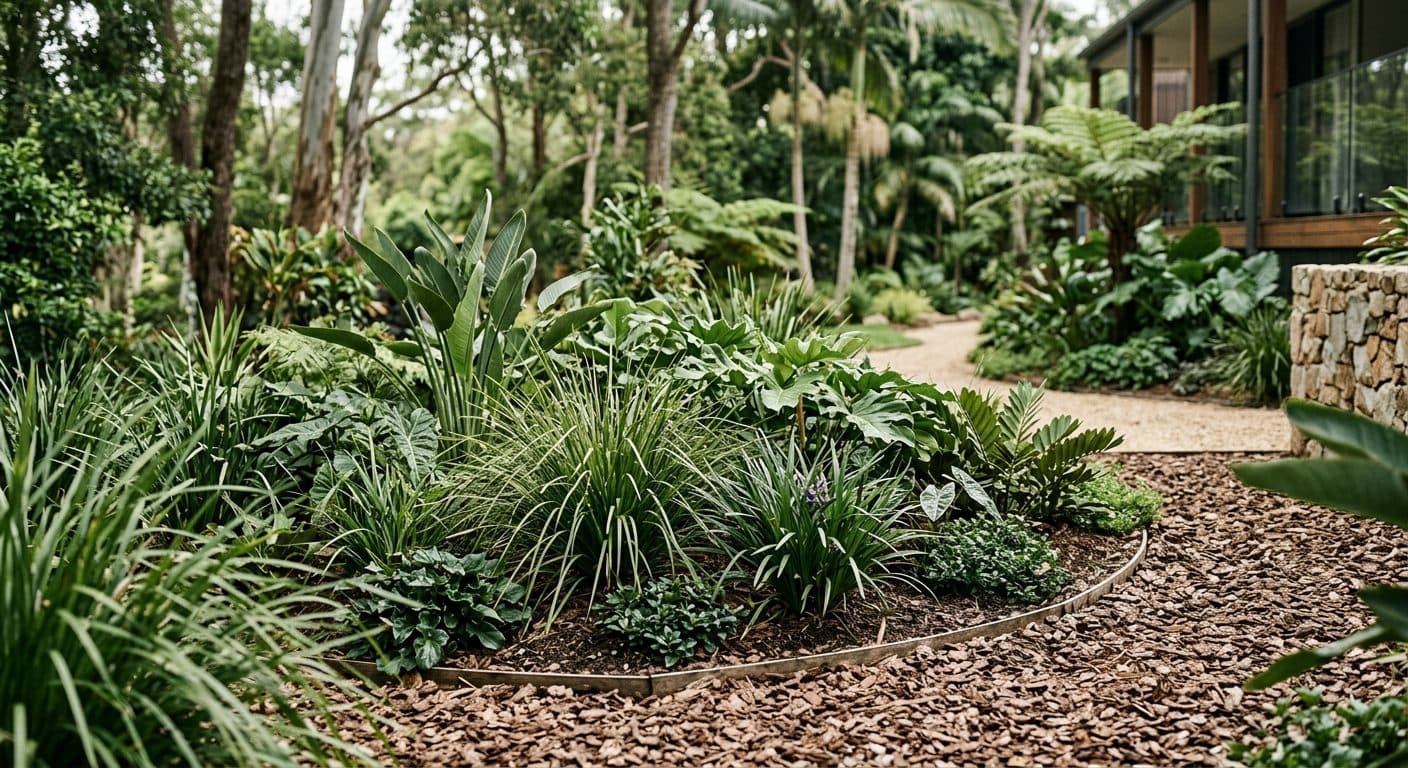
The commonest budget split I see is ninety per cent plants, ten per cent everything else, when it should be closer to the reverse. Most struggling Brisbane gardens aren't full of wrong plants; they're full of right plants in unimproved, compacted, unmulched soil. Compost dug through before planting, and a genuine 75-millimetre blanket of coarse mulch after, will do more for the result than upgrading every pot size at the nursery.
10. Building first, checking later
Most garden work needs no approval at all, but retaining walls beyond about a metre, structures over certain sizes, and anything near easements or overland flow paths commonly do, and finding out after the concrete's poured is the expensive way to learn. The rules shift, so check current Brisbane City Council requirements before you build anything structural; my plain-English guide to council approval for landscaping maps where the triggers live.
The meta-mistake behind all ten
Every mistake on this list is really the same one: building in the wrong order, deciding each piece on the weekend it happens instead of from a plan. You don't need professional drawings to DIY well, but you do need the decisions made before the ute run, and made once. If you want the direction set properly first, that's exactly what a Design Discovery Consultation is for: $350 on-site within Brisbane metro, and you can take the plan of attack and build every bit of it yourself. And if you're still weighing DIY against getting help, my plain-spoken triage of where to start: DIY, apps, or a pro is written for exactly that decision.
Ready to start designing?
We're currently taking on new landscape design clients across Brisbane. Reach out for a personalised quote, whether you're a homeowner or a design professional.
Book a Free Discovery Call